





Traditional Framed Seascape
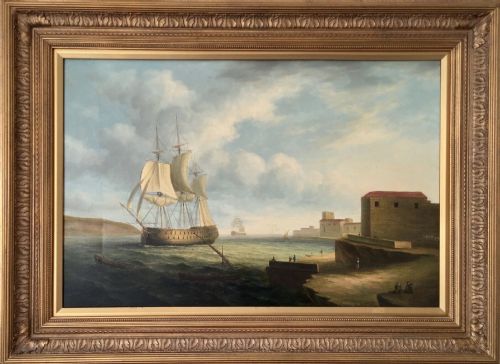
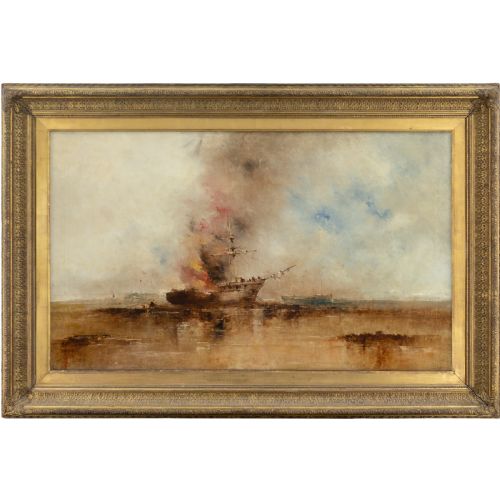
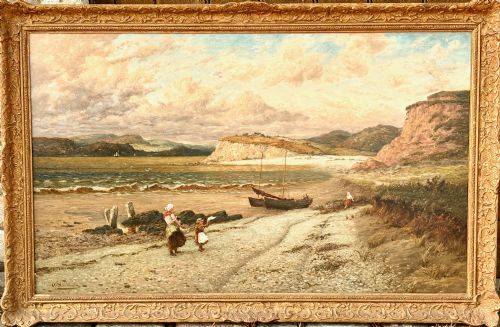
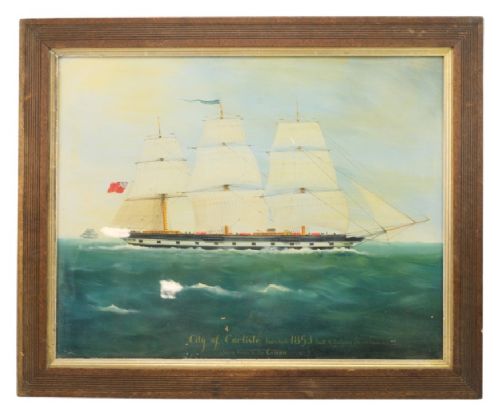
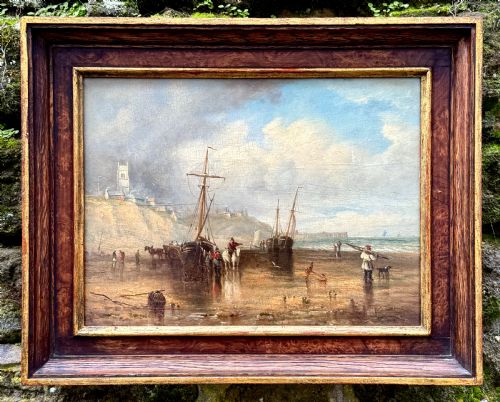
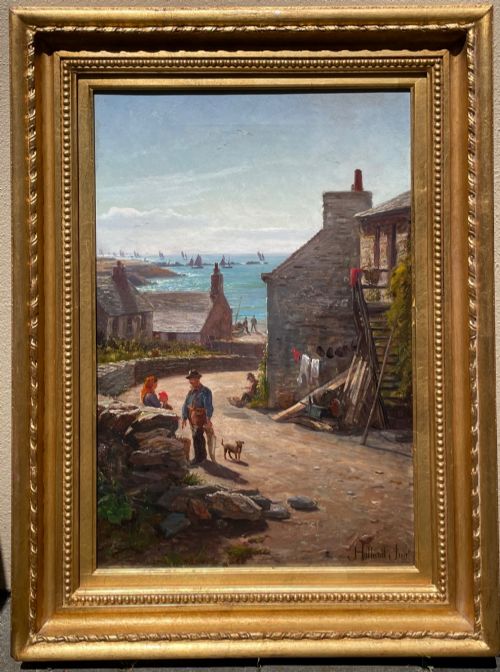
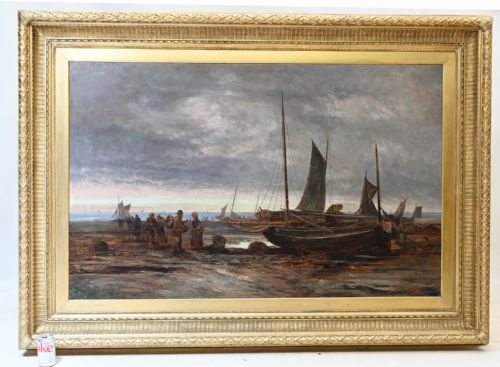
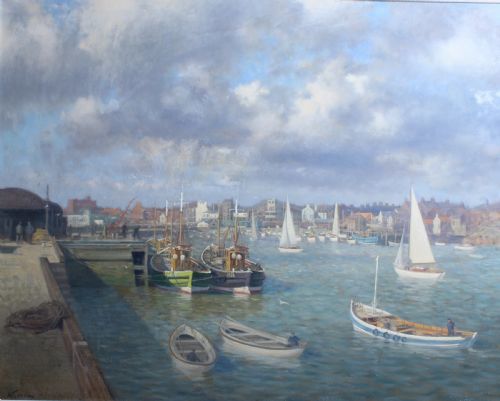
Traditional framed seascape paintings capture coastal views, harbours, and ships on water, offering a direct window into maritime history.
Traditional Framed Seascape
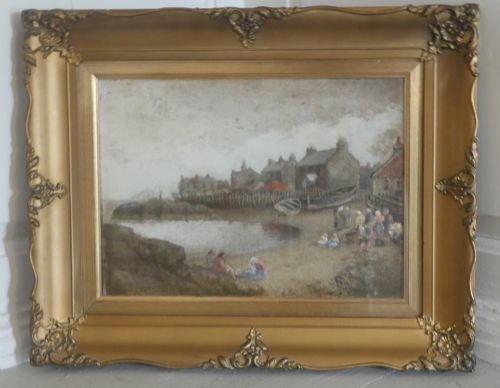
Traditional framed seascape works encompass oil paintings, watercolours, and fine art pieces produced across the nineteenth and twentieth centuries. These works frequently depict British and European coastal scenes, working fishing boats, harbours, and naval vessels.
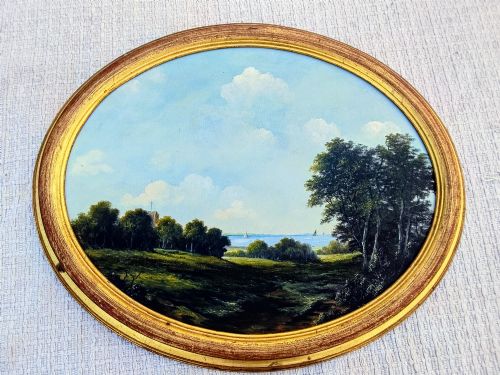
The selections available here range from intimate nineteenth-century watercolours to large Victorian oil paintings on canvas and board. Buyers will also encounter later twentieth-century interpretations capturing sea views, lighthouses, and Venetian canals.
Framing is integral to these pieces, utilising period wood and giltwood surrounds that complement the maritime subject matter. Such works serve as historical records of coastal trades, shipping, and coastal topography.
How they were made
Artists painted primarily with oil paint or watercolour applied to canvas, panel, board, or paper. Oil on canvas allowed for rich textures in capturing choppy seas and cloudscapes, whilst watercolour provided fluid transparency for calmer coastal light.
Frames were constructed from wood and finished with giltwood or gilded wood mouldings to house and protect the artwork. Ebonised frames also appear, providing a contrasting dark border around works on paper.
Several artists clearly braved rough British weather, capturing choppy seas and bustling harbours while presumably trying to keep their watercolours from blowing away.
What varies in quality
The skill of the artist dictates the fidelity of perspective, atmosphere, and maritime detail in depicting vessels and water. Works by named nineteenth-century painters demonstrate superior command of light and movement compared to anonymous school pieces.
The preservation of the original canvas, paint layer, and period frame significantly impacts the integrity of the piece. High-quality examples retain their initial vibrance in the oil pigment and authentic period framing without excessive restoration.
James Hardy·William McAlpine·William Banks Fortescue·Thomas Creswick·John Holland·William Edward Webb·Stanley Leader·George Shaw·John McDougal·Hendrik Willebrord Jansen·James Webb·John Douglas Perrett·Dion Pears·Jane Vivian·Alfred Henry Vickers·George Henry Knight·Thomas Rose Miles·Marie Edouard Adam·John Callow·Ebeneezer Colls
The Traditional Framed Seascape Glossary
- Oil on Canvas
- Pigment mixed with drying oil applied to stretched woven fabric. This medium enabled artists to build rich, tactile surfaces capable of rendering turbulent sea spray and deep water.
- Giltwood
- Wood carved and coated with a thin layer of gold leaf or metallic powder. It provides the ornate, reflective borders standard on nineteenth-century picture frames.
- Watercolour
- Pigments suspended in a water-soluble vehicle applied to paper. It yields luminous washes well suited to atmospheric coastal and harbour views.
- Panel
- A flat piece of wood used as a rigid support for painting. Panel works offer a stable surface that predates the widespread adoption of stretched canvas.
Traditional Framed Seascape: Frequently Asked Questions
What periods do these seascapes date from?
The pieces span the nineteenth and twentieth centuries, with a strong representation of Victorian maritime art.
Dating is determined through stylistic evidence, artist signatures, and framing materials characteristic of specific decades.
How should I hang a framed oil painting?
Hang these heavy framed works securely on solid walls using appropriate fixings rated for the weight of wood and canvas.
Keep them away from direct sunlight and fluctuating heat sources to protect the oil paint and giltwood frames.
What subjects besides ships appear in these works?
Artists frequently painted lighthouses, bustling fishing harbours, coastal cliffs, and quiet Venetian canals.
Many compositions also capture everyday maritime life, featuring local fishermen, coastal figures, and merchant vessels at anchor.
How do I identify a watercolour from an oil painting?
Watercolours are painted on paper, usually displayed behind glass within an ebonised or wood frame.
Oil paintings utilise canvas or wood panels with visible texture in the dried paint surface and are generally displayed without glass.