




Coastal Oil Landscape
A coastal oil landscape captures the changing moods of the sea and shore across centuries of painterly observation.
Coastal Oil Landscape
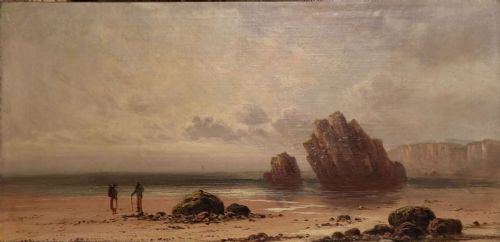
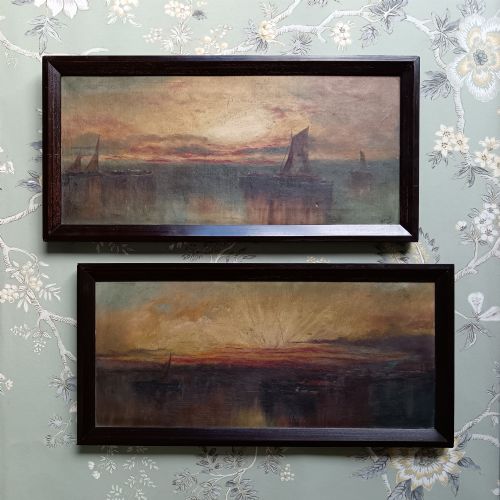
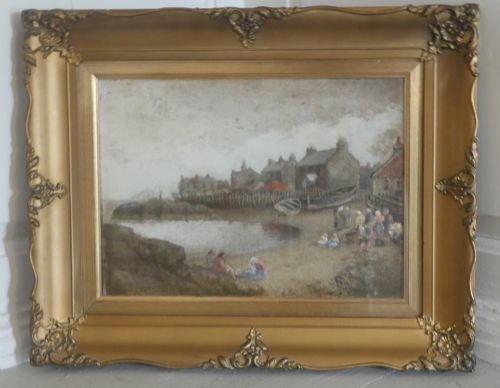
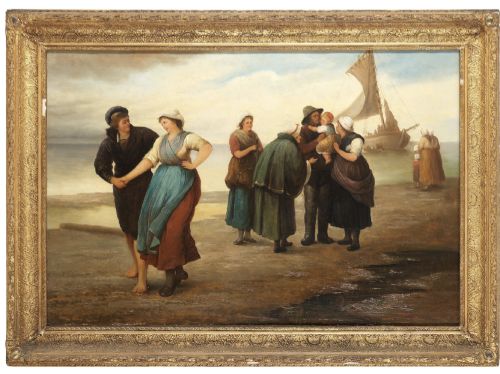
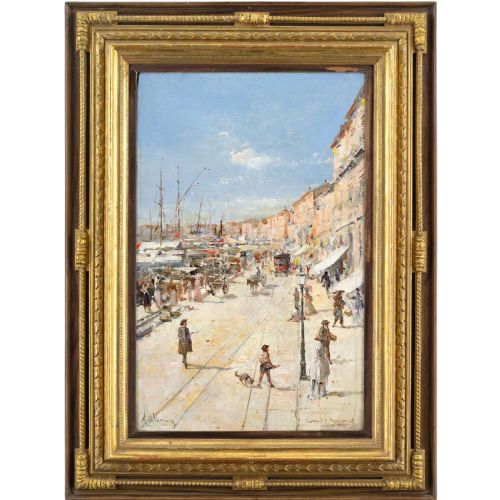
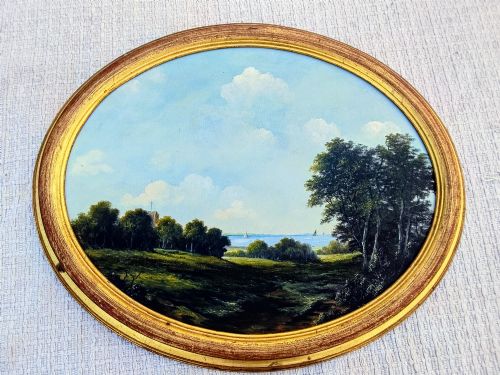
A coastal oil landscape depicts marine views, shorelines, harbours, and tidal estuaries using traditional pigment techniques. These works range from expansive nineteenth-century canvases to intimate mid-century boards capturing British, French, and Dutch coastal life.
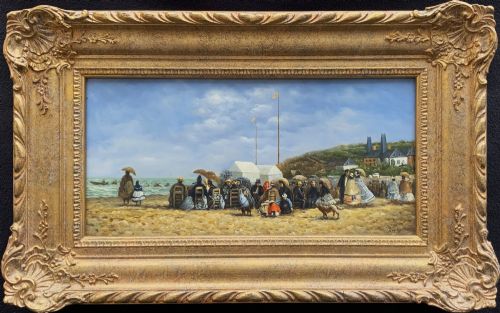
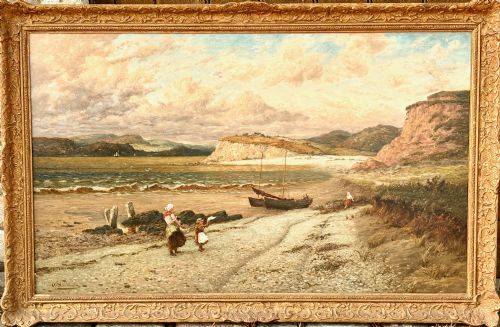
The selections available here emphasise maritime activity, rocky shores, and quiet seaside gatherings. Painters apply oil medium to convey the atmosphere of specific locations, from Cornish coves to European ports.
Buyers encounter works spanning the Victorian era through the twentieth century, reflecting shifts in how artists observe light, water, and weather. Canvas and wooden panel serve as the primary grounds for these enduring maritime scenes.
How They Were Made
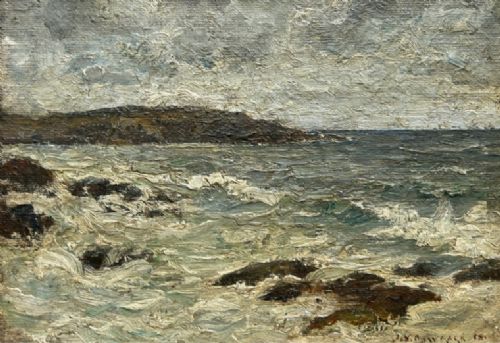
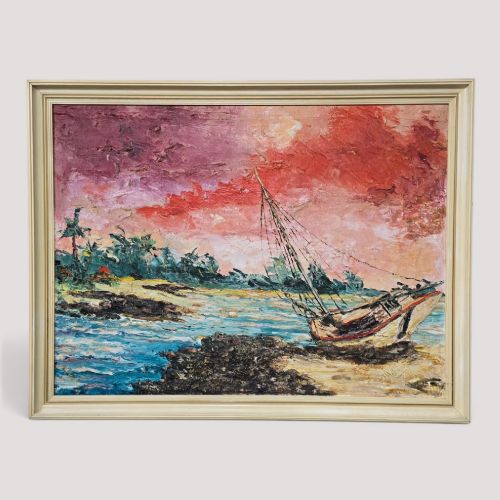
Artists apply oil paint to stretched canvas, wooden panels, or board, building texture and depth through layered brushwork and impasto technique. The slow-drying nature of oil allows painters to blend tones carefully, capturing shifting atmospheric conditions on the water.
Many works incorporate en plein air execution, where painters work directly on the shore to record immediate light and weather. Gilt frames frequently enclose these pieces, providing a traditional boundary that complements the maritime palette.
Salt air and phantom tides whisper from frames that have weathered more centuries than their current owners.
What Varies in Quality
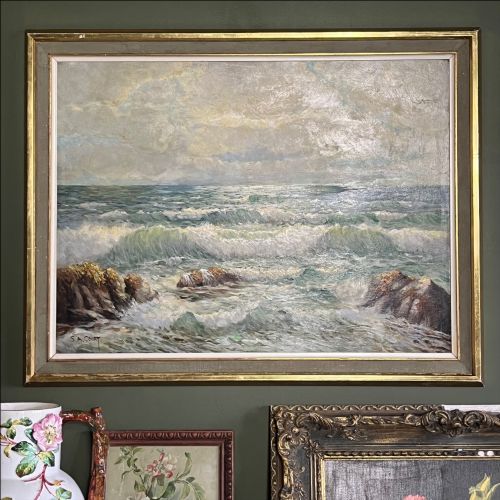
The success of a coastal oil landscape depends upon the artist's command of light, shadow, and atmospheric perspective over water. Masterful brushwork conveys the motion of waves and the weight of coastal skies with economy and precision.
Compositional balance and the handling of tonal relationships separate accomplished works from routine topographical records. The integration of figures, vessels, and shoreline elements reveals the painter's depth of observation.
Kenneth Cozens·Clifford Hanney·Sidney A Court·B Nash·Augusto Alberici·Bonaventura Peeters·Clive Browne·Peter Brannan·Paul Bret·Bernard Benedict Hemy·Thomas Creswick·James Fry·Donald McIntyre·Cecil Allan Mould·Charles Euphraisie Kuasseg·John Wilson Carmichael·Abraham Cooper·Joseph Farquharson·Erich Mercker·Dubovsky·John Moore of Ipswich·William Henry Williamson·John Falconar Slater·Alfred Conquest·George G Fryer
The Coastal Oil Landscape Glossary
- Impasto
- Paint applied thickly to a canvas or board, leaving visible brush or palette knife marks that catch the light. This technique adds literal texture and physical presence to waves and clouds.
- En plein air
- The practice of painting outdoors directly from the subject rather than in a studio. Artists use this method to capture transient natural light by the sea.
- Marine painting
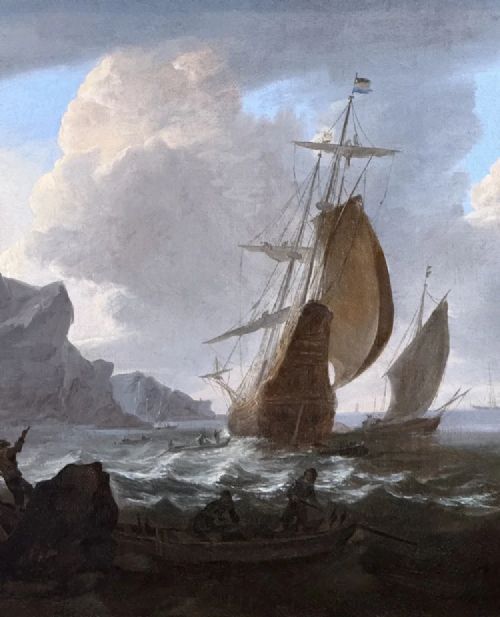
- Artwork that depicts ships, harbours, and maritime activity on oceans, rivers, or coasts. These scenes often focus on historical vessels or dramatic sea conditions.
- Ground
- The initial prepared surface applied to a canvas or wooden panel before the artist begins painting. Common grounds provide a stable base for oil paint layers.
Coastal Oil Landscape: Frequently Asked Questions
What periods do these paintings cover?
The available selection spans from the seventeenth century through the nineteenth and twentieth centuries, including Victorian, Edwardian, and mid-century modern examples.
Different decades bring distinct artistic interpretations of coastal light, from romantic maritime scenes to post-impressionist coastal views.
What surfaces support these oil paintings?
Artists use traditional artist canvas, wooden panels, and firm boards to support the oil pigments.
Panel and board works often appear in earlier and mid-century pieces, while canvas remains standard for larger nineteenth-century maritime compositions.
How should I frame a coastal oil painting?
Many works retain their period gilt frames, which enhance the depth and presence of the marine subject matter.
Selecting a traditional frame helps protect the edges of the canvas or board while complementing the historical period of the artwork.
Where were these maritime scenes painted?
Locations range from British coastal spots like Cornwall and Morecambe Bay to European harbours in Italy, France, and the Netherlands.
Artists frequently travelled to working ports and rugged shorelines to document local vessels, fishing fleets, and tidal landscapes.