


Gilded Imari Vase
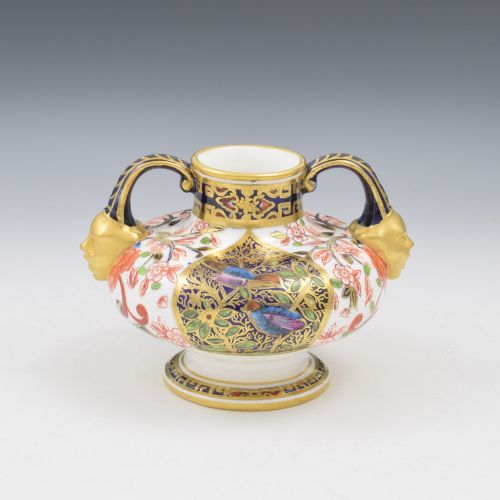
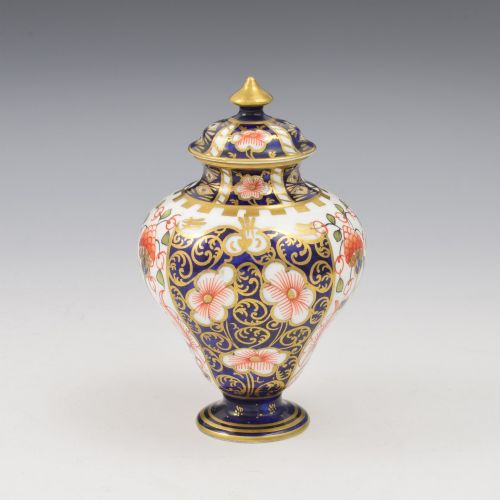
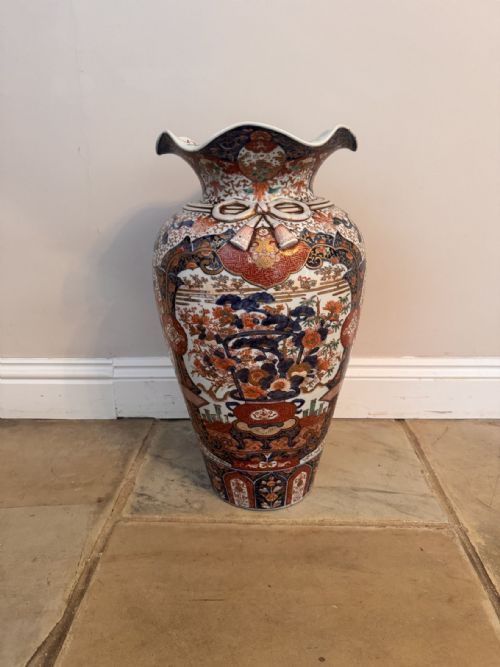
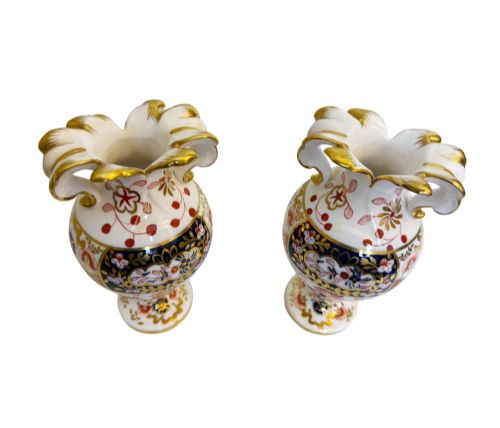
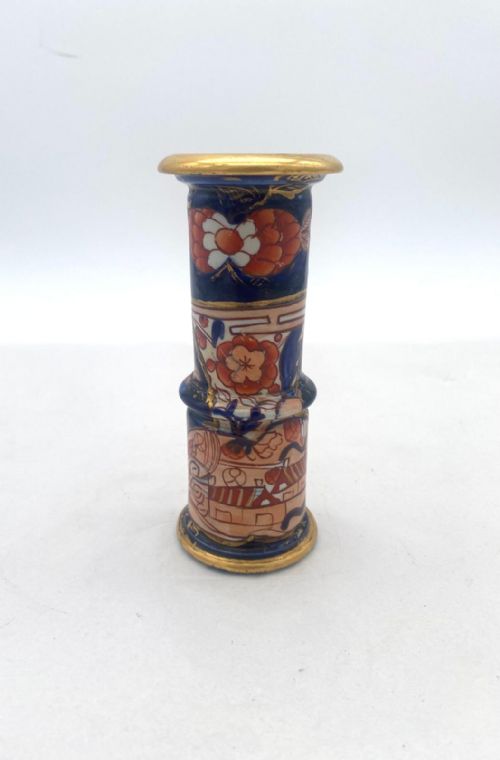
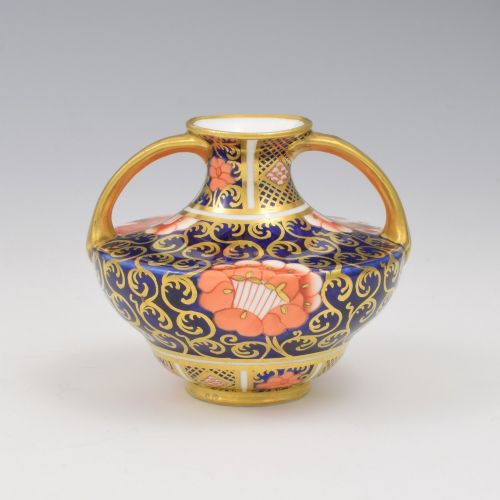
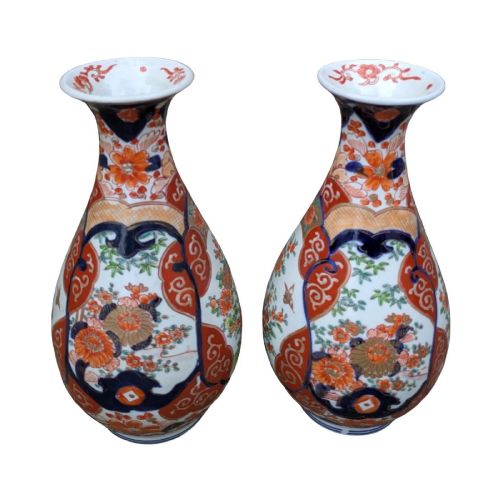
A gilded imari vase brings together rich iron-red, cobalt blue and gold leaf upon porcelain or ironstone, offering heavy decorative impact.
Gilded Imari Vase
When searching for a gilded imari vase, buyers encounter pieces spanning the eighteenth, nineteenth and early twentieth centuries, originating from both Japanese kilns and European potteries. The Japanese examples include Edo period pieces and Meiji period works alongside Victorian adaptations, whilst English makers such as Royal Crown Derby, Spode and Mason's produced their own interpretations.
The forms range from floor standing vessels, baluster shapes and bottle vases to lidded jars, garniture sets and miniature porcelain vessels with covers. Buyers are most likely to meet nineteenth century Japanese Imari wares or English porcelain painted in the distinct Imari palette with added gilding.
How they were made
Potters shaped porcelain, ceramic or ironstone into vases, urns and pots before applying underglaze cobalt blue and iron-red enamel pigments. Gold leaf, gilding or gold gilding was then added to highlight specific motifs and panels.
Firing techniques fixed the vitreous body and the colourful enamels, allowing the metallic gold accents to sit on the surface alongside blue and red designs.
The forms recorded include bottle vases, baluster shapes, spill vases, lidded jars and multi-piece garniture sets.
What varies in quality
The crispness and complexity of the hand-painted cobalt blue and iron-red enamel work distinguish finer examples from simpler production. Careful application of gold leaf or gilding provides depth and catches the light across the panels.
The weight, throwing precision of the ceramic body and the preservation of the painted and gilded surface over centuries mark the distinction between standard vessels and exceptional ones.
Royal Crown Derby·Spode·Stevenson and Hancock·Samson·Mason
The Gilded Imari Vase Glossary
- Imari palette
- A decorative colour scheme featuring cobalt blue, iron-red and gold, originally inspired by Japanese export porcelain. This palette was widely adopted by European potteries during the eighteenth and nineteenth centuries.
- Ironstone
- A type of durable heavy earthenware patented in the nineteenth century. It provided a robust alternative to porcelain for large vases and jugs.
- Garniture
- A set of matching vases or jars designed to be displayed together on a mantelpiece or cabinet. These sets usually comprise three or more pieces.
- Baluster
- A vase shape with a rounded body that tapers towards the base and neck. This classic form appears frequently in nineteenth century Japanese and English pottery.
- Meiji Period
- The era in Japanese history spanning from eighteen sixty-eight to nineteen twelve. Pieces from this time often display intricate hand-painted decoration and rich gilding.
Gilded Imari Vase: Frequently Asked Questions
What is an imari vase?
An imari vase is a ceramic vessel decorated in a traditional palette of cobalt blue, iron-red and gold. The style originated in Japan before being copied by European factories.
These pieces range from small bud vases to large floor-standing vessels made for display.
How do I spot English Imari?
English imari pieces are typically made of porcelain or ironstone by makers like Royal Crown Derby or Spode. They adapt the traditional Japanese palette using British ceramic bodies and often carry specific pattern numbers.
Look for maker marks on the base alongside familiar shapes such as twin-handled urns and potpourri jars.
Where were these vases displayed?
These decorative vessels were placed on mantelpieces, sideboards and tables within nineteenth-century drawing rooms. Garniture sets were arranged symmetrically to anchor a room's decorative scheme.
Large floor-standing vases stood in hallways or corners to provide a strong visual focal point.
How should I clean my vase?
Dust the surface gently with a soft, dry cloth to remove everyday particles. Avoid using water, abrasive cleaners or chemical solvents on gilded areas.
Keep gilded imari pieces out of direct sunlight to protect the fragile gold leaf and enamel pigments.