




Gilded Green Glass
These gilded green glass pieces combine rich coloured vessels with metallic leaf decoration, offering a striking addition to any room.
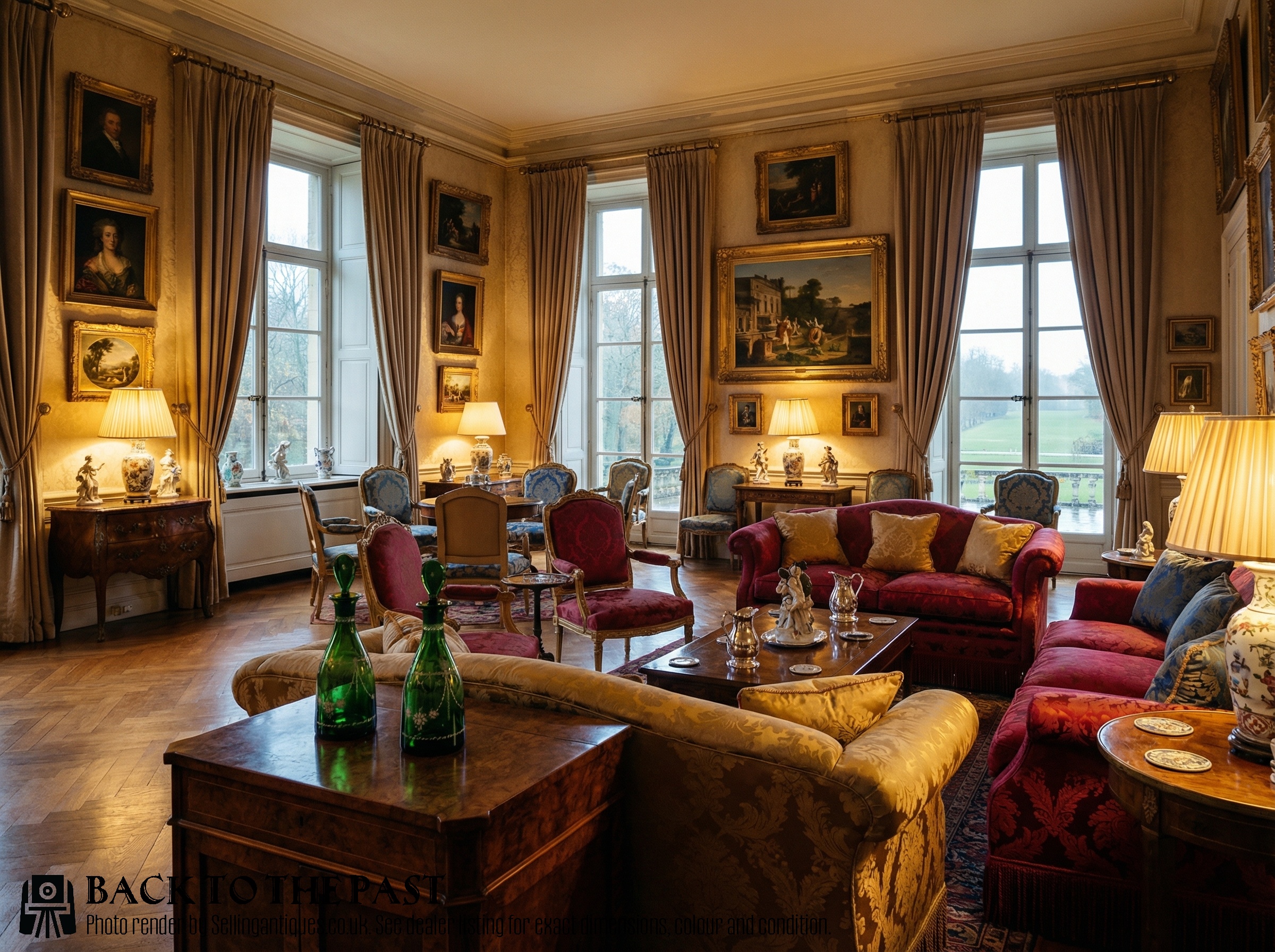
Gilded Green Glass
The objects originate from various European centres, featuring Victorian designs alongside continental styles such as Art Nouveau, French Napoleon III, and Bohemian work. Drinking vessels and display pieces dominate the selections, often decorated with floral patterns, raised designs, or overlaid details.
How they were made
Makers shaped the green glass through blowing or moulding, utilising crystal, opaline, or standard glass bodies to achieve depth of colour. Artisans then applied gold leaf, gilding, and enamel decoration by hand, sometimes combining engraving with painted floral motifs.
Certain items incorporate additional materials such as wood, gesso, giltwood, or bronze mounts, framing or supporting the green glass elements. The union of coloured glass and metallic surface work required precise firing temperatures to ensure the gold adhered permanently to the vessel.
Gilded Green Glass Retail Price Guide 2026
Typical asking prices for gilded green glass among the pieces listed under this phrase on Sellingantiques today, from the lower quarter to the upper quarter. They describe what is for sale here now, not the wider market.
Some nineteenth-century apothecary vessels survived centuries of chemical storage just to end up holding flowers on a modern dining table.
What varies in quality
The standard of gilding and enamel work separates finer examples from ordinary items, with crisp, hand-painted details commanding greater attention than mass-produced decoration. The clarity of the green glass and the sophistication of the engraving or cameo work also dictate the value.
Condition plays a crucial role, particularly the preservation of the delicate gold leaf and enamel surface layers which often show wear from cleaning and handling over the decades.
Gillows Of Lancaster·Theresienthal·Baccarat·Moser·Salviati·Absolon Factory
The Gilded Green Glass Glossary
- Opaline glass
- An opaque or translucent glass developed in France, often tinted in pale or vibrant shades like green and finished with gilt edges.
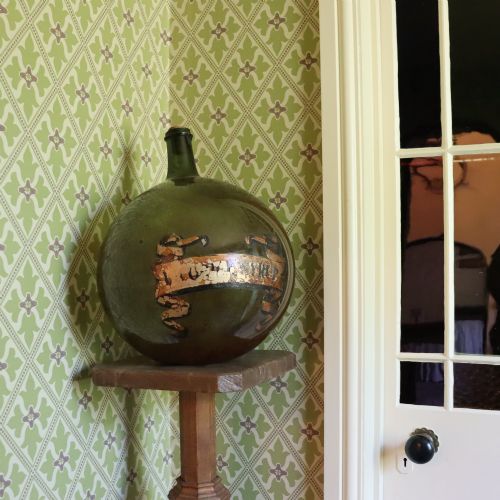
- Carboy
- A large glass bottle with a narrow neck, historically used in laboratories or apothecary shops and frequently produced in heavy green glass.
- Enamel decoration
- A fused glass powder applied to the surface of a vessel and heated to create colourful opaque patterns, often paired with gilding.
- Hock glass
- A tall-stemmed wine glass traditionally used for white wine, frequently produced by European makers with coloured bowls and gilt highlights.
- Cameo glass
- A luxury glass technique involving multiple layers of different colours carved down to create a raised relief design.
Gilded Green Glass: Frequently Asked Questions
How do I clean gilded green glass?
Clean these pieces gently using a soft, dry cloth or a slightly damp sponge without harsh detergents. Avoid soaking them in water, as moisture can weaken the historic gold leaf and enamel decoration.
Take care around rims and handles where the gilding is often thinnest. Regular, gentle dusting preserves the surface better than frequent washing.
How can I date my piece?
Dating relies on stylistic clues, pontil marks on the base, and the type of glass manufacturing used. Victorian and Edwardian items often feature distinct floral enamelling or maker signatures.
Compare the weight, colour depth, and gilding style with documented examples from the same period. Consulting maker marks, where present, provides a clearer timeframe.
What is Bohemian glass?
Bohemian glass originates from the historical region of Bohemia, now part of the Czech Republic, known for centuries of exceptional glassmaking. Artisans there specialised in coloured glass, heavy cutting, and elaborate surface gilding.
Pieces from this region often display vibrant hues like emerald green, sometimes enhanced with overlaid portraits or painted landscapes.