





Gilded French Pier Glass
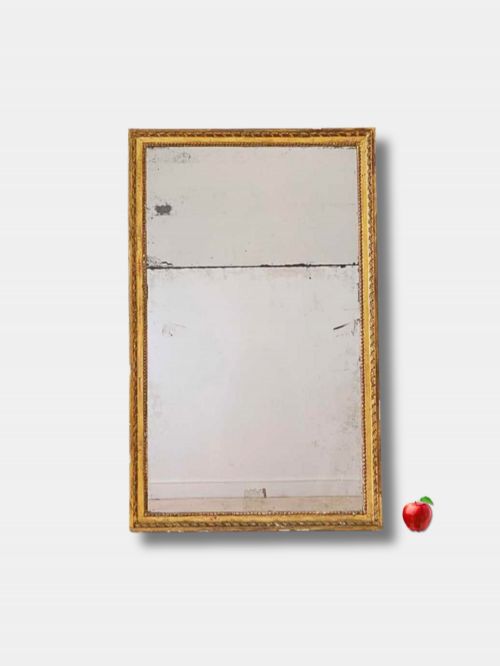
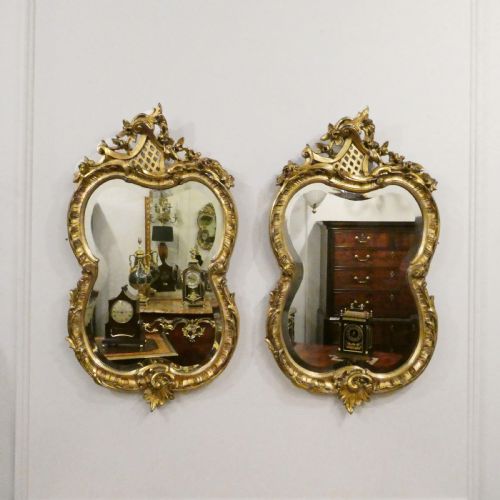
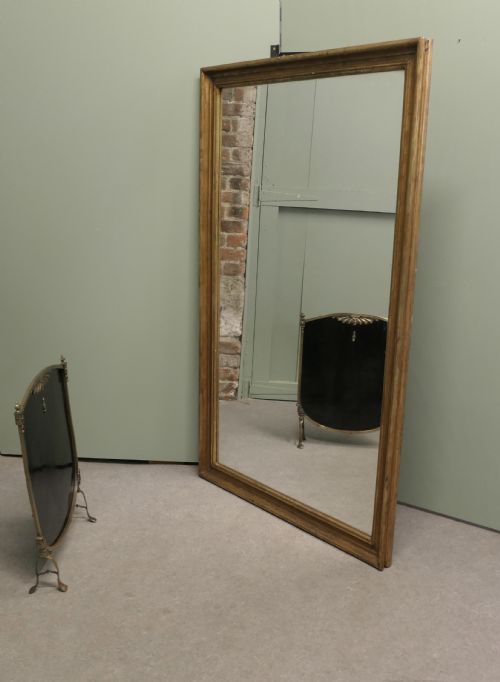
A gilded french pier glass brings architectural depth and reflected light to a room, drawing the eye with ornate carved frames.
Gilded French Pier Glass
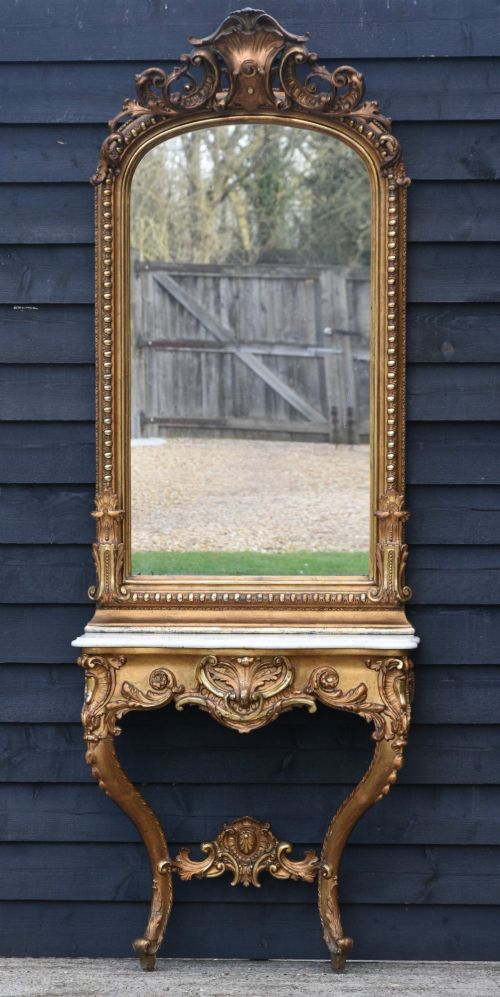
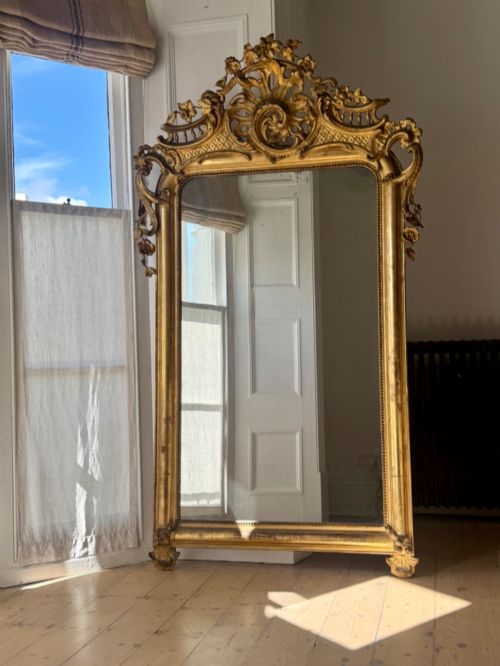
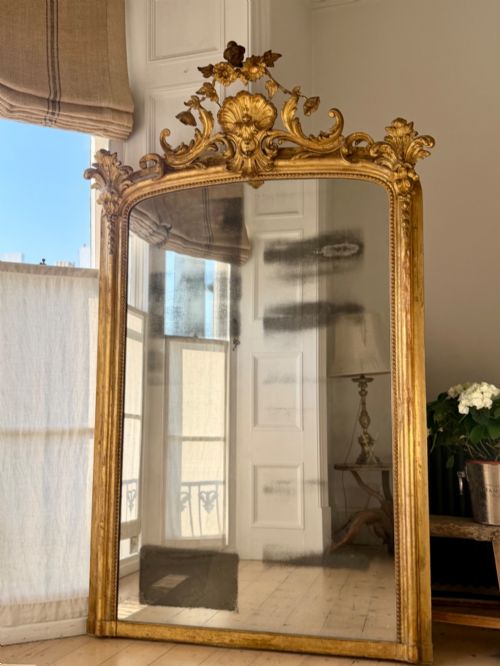
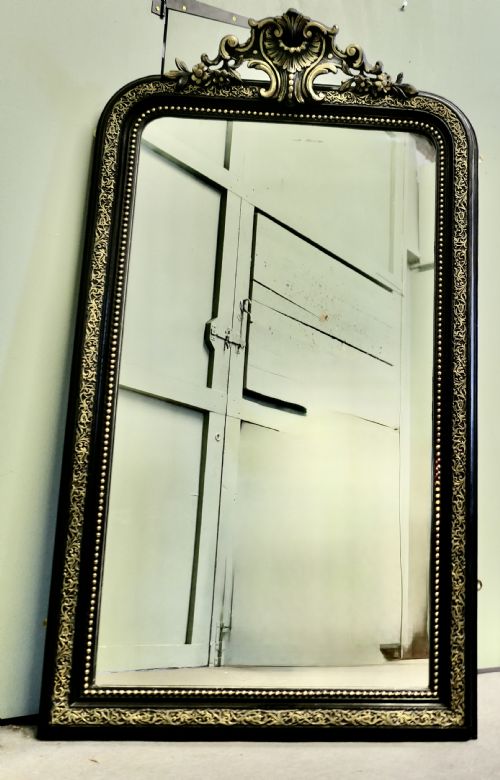
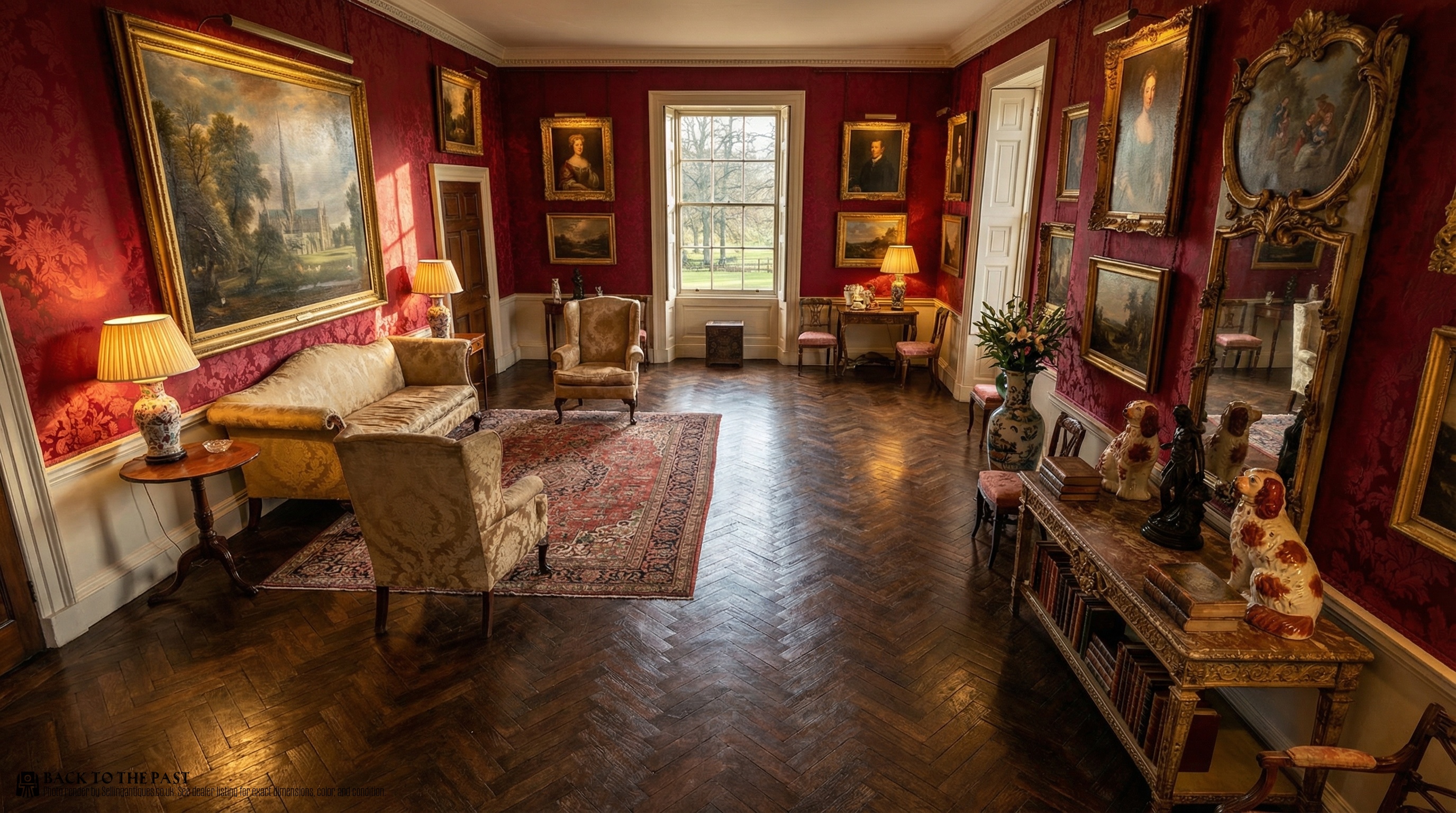
A gilded french pier glass is a tall wall mirror designed specifically to hang on the narrow wall space between windows, frequently paired with a matching console table below. You will most commonly encounter nineteenth century examples showing revival styles such as Rococo and Neoclassical, alongside eighteenth century originals.
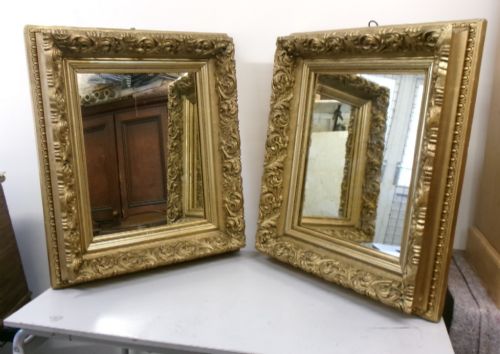
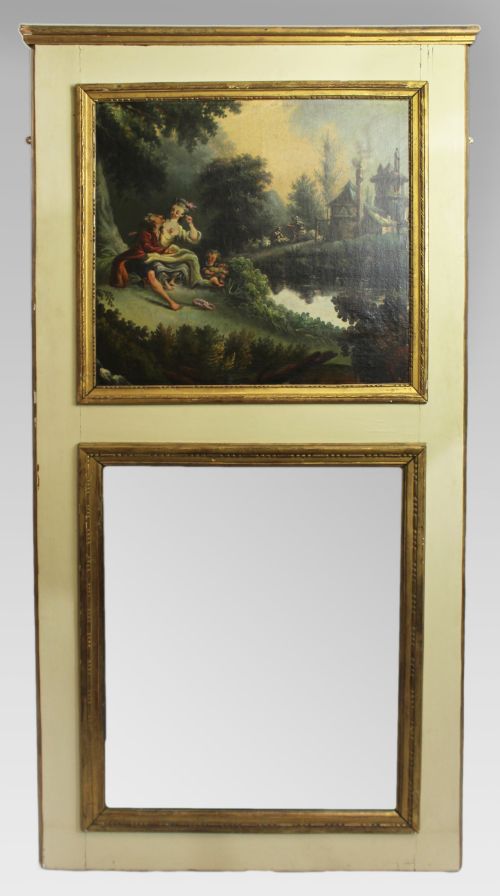
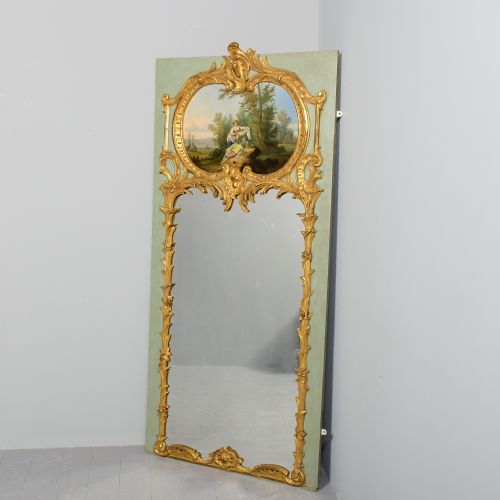
The selection ranges from grand trumeau panels incorporating pastoral oil paintings to tall rectangular and oval frames carved from wood. Many pieces utilise the traditional proportion required to sit above low furniture, anchoring the height of a reception room.
Origins span Parisian workshops and regional French makers, with occasional pieces reflecting broader European interpretations of French design. These mirrors serve both to brighten darker corners and to create a sense of expanded interior volume.
Materials and Construction
Carved wooden frames form the structural backbone, built from timbers that accepted fine detail and applied ornament. Makers layered gesso over the wood base to create a smooth surface for subsequent gilding.
Gilding involved the application of delicate gold leaf or silver gilt, adhered to the prepared gesso and burnished to catch the light. Composition ornament was frequently moulded and applied to speed the production of intricate repeating motifs.
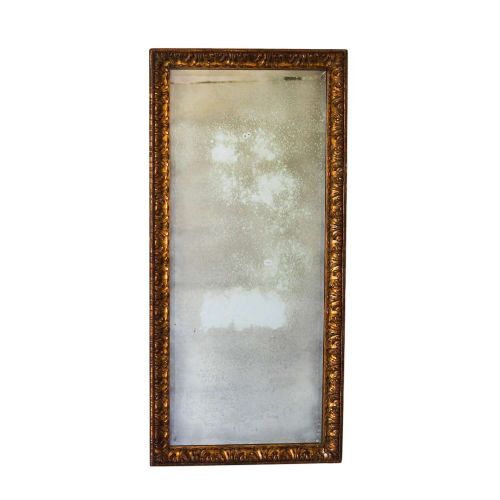
Original mirror plates are typically mercury glass, identifiable by their distinctive depth and slight foxing or age spots. These plates were hand-silvered before modern chemical processes replaced the older methods.
Several mirrors include hidden pastoral paintings above the glass, offering two centuries of quiet observation from your wall.
Judging Quality
The crispness and depth of the wood carving dictate the visual impact of the piece, separating hand-chiseled botanical or scroll motifs from mechanical press-moulded substitutes. Superior carving retains sharp undercut edges that catch shadows differently.
The quality of the gilding and the preparation of the underlying gesso layers determine how well the surface ages and reflects light. Rich burnished gold leaf possesses a warm luminosity absent from flat, painted modern metallic finishes.
Originality of the glass plate adds considerable substance to a piece, with authentic mercury plates showing natural age degradation rather than artificial distressing. The structural integrity of the heavy wooden frame and its original backboards complete the assessment.
The Gilded French Pier Glass Glossary
- Giltwood
- Wood that has been coated with thin sheets of gold leaf over a prepared ground. This technique protects the timber while providing a brilliant reflective surface.
- Trumeau
- A decorative wall panel featuring a mirror combined with an oil painting or carved relief above. These pieces were built to fit specific architectural spaces in period drawing rooms.
- Mercury glass
- An early type of mirror glass created by pouring a mercury amalgam behind the glass plate. It yields a characteristic soft reflection and distinct dark speckling over time.
- Gesso
- A mixture of gypsum and binder applied to wood frames to create a smooth surface for gilding. It allows intricate relief work to be carved or stamped before the gold leaf is laid.
- Foxing
- The natural oxidation and speckling that appears on old mirror plates as the backing degrades. Collectors prize genuine foxing as an indicator of age.
Gilded French Pier Glass: Frequently Asked Questions
How do I hang a heavy pier glass?
These mirrors carry substantial weight due to their dense wooden frames and thick glass plates. Secure fixings must engage directly with wall studs or utilise heavy-duty masonry anchors.
Professional installation is strongly recommended to support the vertical load and prevent any strain on the original frame construction.
Where should I place a pier glass?
The traditional placement is on the wall space between two windows, where the glass bounces daylight back into the interior. They also work effectively above low console tables or mantels.
Positioning the mirror opposite a window or a light source maximises the optical illusion of space in a room.
How do I clean antique mirror glass?
Use a soft, dry microfibre cloth to remove dust from the glass surface and the delicate gilded frame. Avoid commercial liquid cleaners that might seep behind the edges and damage the silvering or the gesso.
If moisture is necessary, apply a tiny amount of distilled water to the cloth rather than spraying directly onto the glass.
Are these mirrors all from France?
The primary design inspiration and manufacture stems from French workshops across the eighteenth and nineteenth centuries. Regional interpretations from Britain and Sweden also adopted the French Rococo and Neoclassical vocabularies.
Construction details and wood types often help determine whether a piece originated in Paris or a provincial centre.