



Gilded Framed Glass Art
Gilded framed glass art brings together centuries of decorative craft, offering remarkable depth and reflective brilliance to a room.
Gilded Framed Glass Art
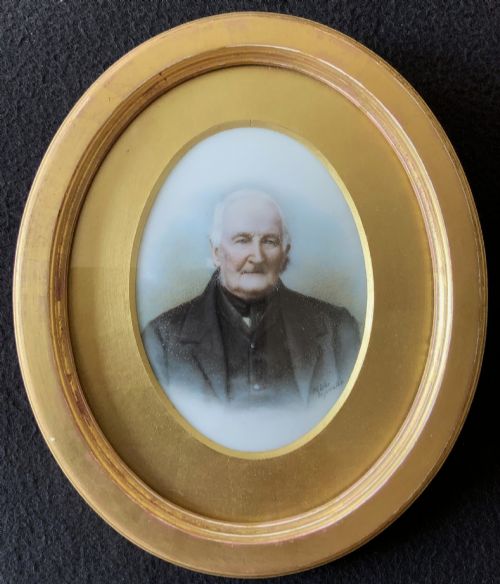
When you search for gilded framed glass art, you encounter a specialised mix of historical wall pieces that use glass as a primary medium for image, reflection or technique. The selection here leans heavily towards reverse glass prints, miniature portraits, and chrystoleums housed within period frames.
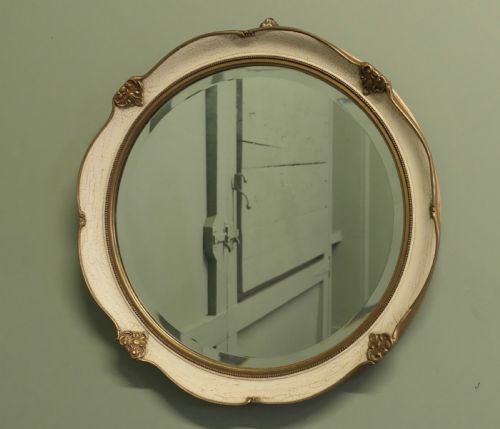
The objects span from the eighteenth century through the nineteenth century and into the twentieth century. Georgian and Regency reverse glass prints sit alongside Victorian chrystoleums and decorative mirrors.
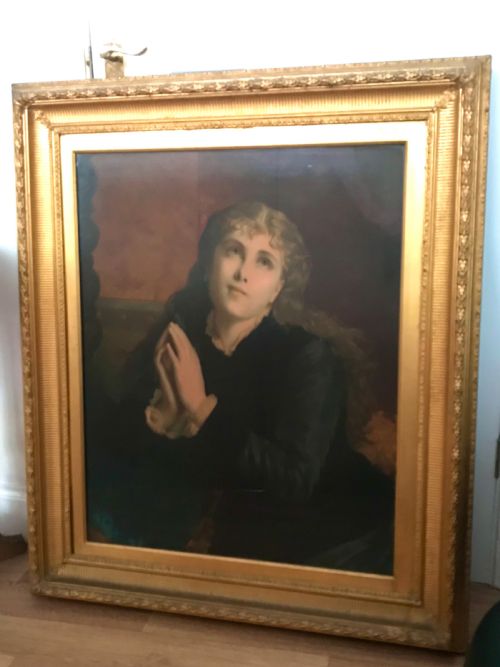
Forms vary from delicate hand-painted miniatures and silkwork pictures to large wall mirrors and religious portraits. Each piece combines fragile imagery with ornate wooden or gilded surrounds.
Materials and construction
Makers utilised glass sheets as the foundation for reverse painting, mezzotints, and delicate watercolours applied directly to the rear surface. This technique protected the pigment underneath and created a lustrous finish when viewed from the front.
Frames rely on wood, gesso, and gold leaf or giltwood to provide structural support and opulent decoration. Gilding methods involved applying thin sheets of metal leaf over prepared gesso grounds on wooden moulding.
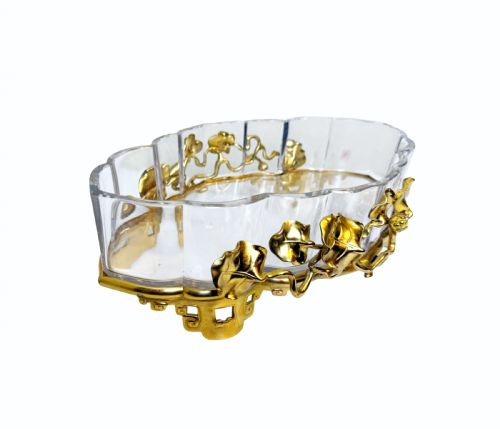
Some works incorporate paper, silk, or canvas placed beneath glass, while others use bronze mounts and lead frames to hold crystal components securely.
Materials documented across the inventory feature gold leaf, gesso, crystal, silkwork embroidery, and hand-painted glass panels.
Judging quality and craftsmanship
Quality rests in the crispness of the underlying detail and the preservation of the painted or printed surface beneath the glass. Fine examples maintain their original colour saturation without extensive flaking or moisture damage trapped behind the pane.
The integrity and originality of the surrounding gilt frame matter enormously. Frames that retain their original gesso ornamentation and gold leaf surface without modern repainting elevate the standing of the piece.
Hand-painted miniatures and early reverse prints demonstrate superior brushwork and compositional control compared to later mass-produced oleographs or standard reproductions.
Robert Sayer·John Miers·Abraham Cooper·Schweninger·Sebastiaan Vrancx
The Gilded Framed Glass Art Glossary
- Reverse glass painting
- A technique where the artist paints directly onto the back of a glass sheet, building the image backwards so it appears correctly when viewed from the front. This method protects the pigments from dust and fading.
- Chrystoleum
- A Victorian method of applying a coloured photograph or print to glass, making it translucent, and then hand-painting the rear to add rich tones. The paper backing was often rubbed away before painting.
- Giltwood
- Wood that has been coated with a thin layer of gold leaf or gold paint for decorative effect. It forms the primary material for many period picture frames.
- Gesso
- A plaster-like mixture applied to wooden frames to create a smooth surface for gilding and relief moulding. Master craftsmen carved intricate patterns into this layer before applying gold leaf.
- Eglomise
- A cold decoration technique where gilt designs and paintings are applied to the reverse of glass panels. It produces a reflective, mirror-like finish often used in fine decorative panels.
Gilded Framed Glass Art: Frequently Asked Questions
What is a chrystoleum?
A chrystoleum is a Victorian picture created by taking a monochrome or lightly tinted photograph, pasting it face down to glass, and rubbing away the paper backing until only the transparent image remains. The artist then meticulously painted the back by hand.
These pieces were usually set into convex or heavy gilt frames, giving the finished portrait a remarkable depth that resembled an oil painting.
Are these pieces fragile?
Yes, glass and gesso frames require careful handling and stable environmental conditions. Sudden temperature shifts can cause the wood beneath gilt frames to expand, which stresses the delicate gesso ornamentation.
Hang these works securely using appropriate wall anchors rather than relying on old picture wire, which may have weakened over the decades.
How can I tell a Georgian reverse print from a Victorian piece?
Georgian reverse prints often feature historical subjects, sporting scenes, or allegorical figures with hand-coloured details typical of eighteenth and early nineteenth-century printmaking. The glass tends to show minor bubbles, waviness, and imperfections consistent with early manufacture.
Victorian pieces frequently include chrystoleums and religious oleographs under glass, displaying brighter pigments and different framing styles such as stepped wooden moulding or elaborate compo ornamentation.