




Georgian Glass Art
Georgian glass art brings together the delicate craft of reverse painting, mezzotint printing and domestic tablewares from the eighteenth and nineteenth centuries.
Georgian Glass Art
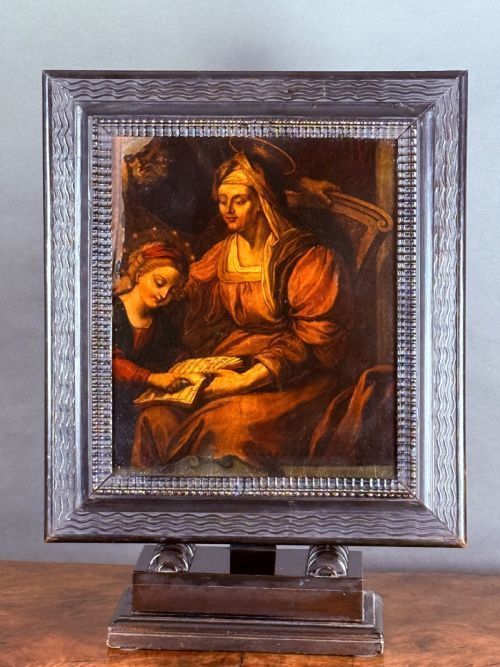
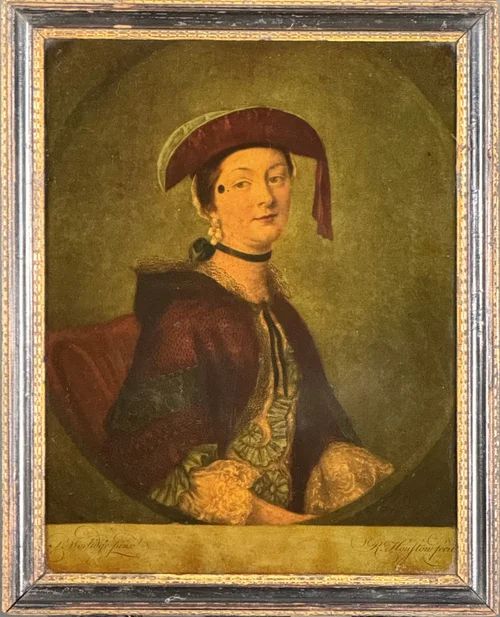
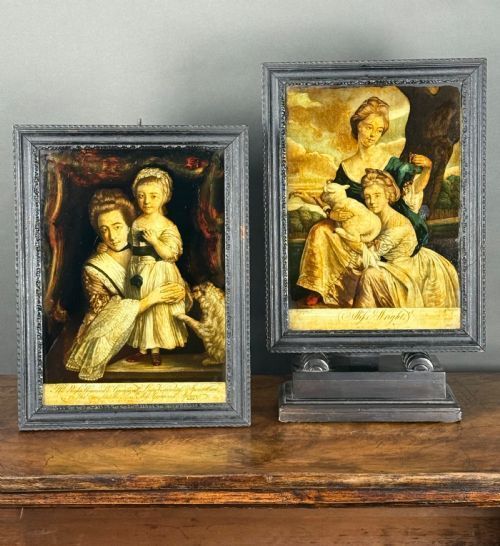
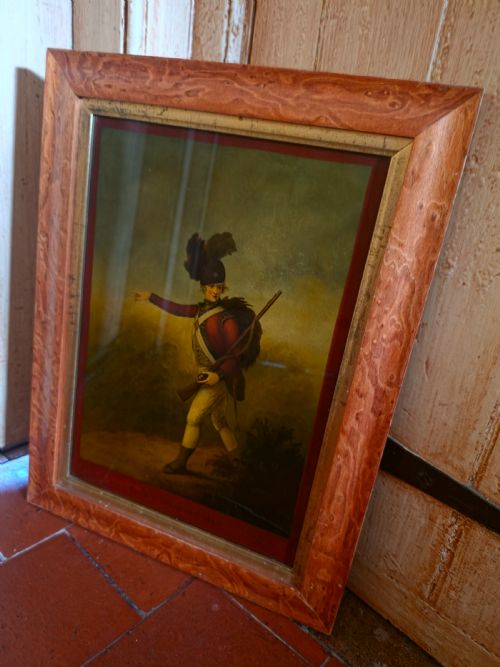
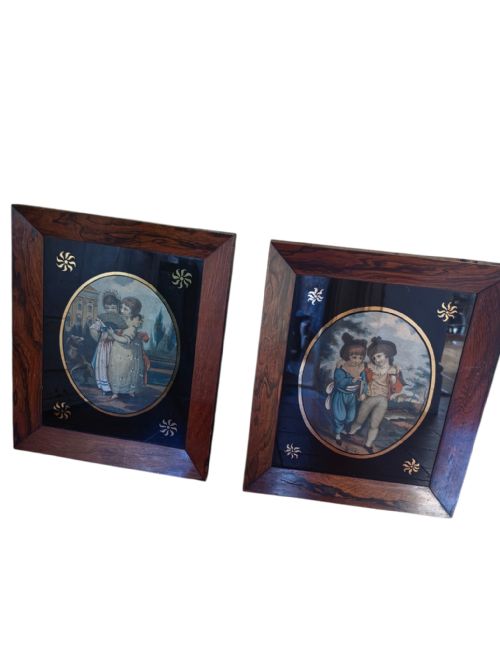
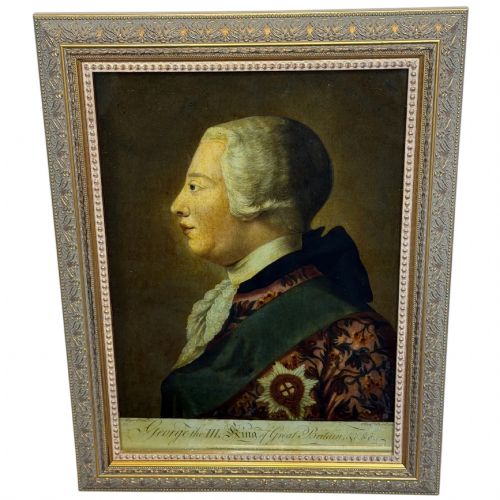
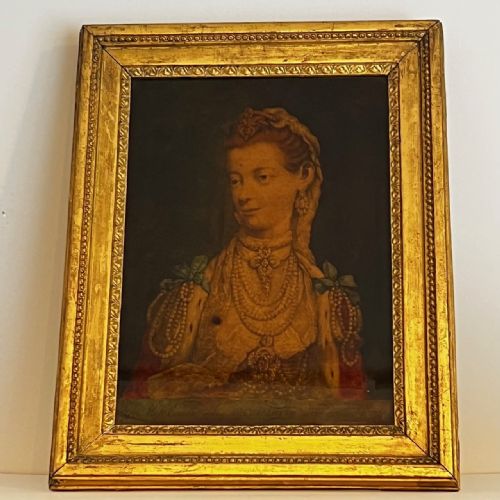
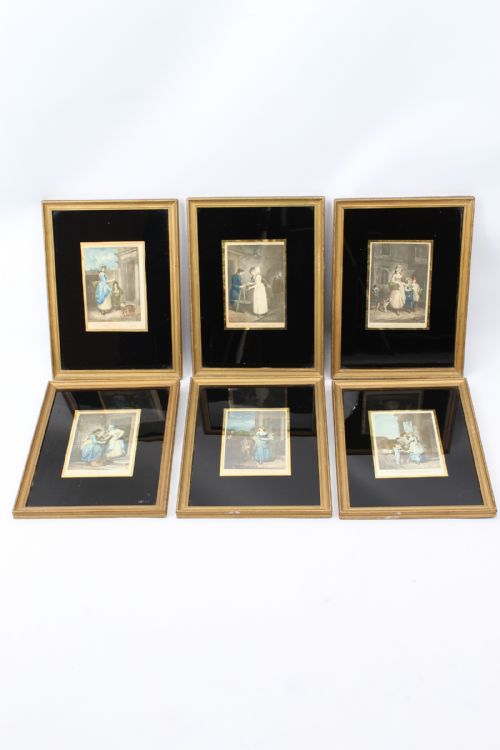
Georgian glass art spans decorative wall pieces, portrait miniatures and functional vessels produced during the eighteenth and nineteenth centuries. The wall pieces frequently take the form of reverse glass paintings, mezzotints and prints depicting portraits, allegorical scenes and domestic subjects. Buyers encounter items from the Georgian, Regency and Victorian periods alongside occasional Chinese export pieces.
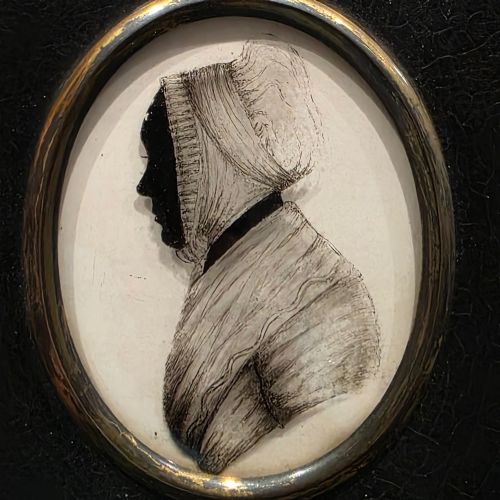
Beyond framed wall works, this category embraces three-dimensional glass such as decanters, wine glasses with air-twist stems, hollow stem candlesticks and witches balls. These functional and decorative objects demonstrate the versatility of glass manufacture across the period. Portrait silhouettes on glass also appear regularly within this sphere.
The aesthetic leans heavily toward Neoclassical and Regency sensibilities, with subjects ranging from royal portraits to pastoral scenes like the seasons. Mezzotint engravings transferred directly onto glass create a distinctive glossy depth that defines much of the wall art. These pieces rely on the interplay between pigment and reflective glass surfaces.
Distinctions in quality
Quality in these works rests upon the precision of the reverse painting and the clarity of the underlying mezzotint print. Finer examples display delicate brushwork and rich colouration in the pigments, whereas lesser pieces show simpler execution and muted tones. The depth and stability of the paint layer against the glass surface also separate superior survivals from standard ones.
For three-dimensional items, the crispness of the cut glass facets and the symmetry of forms such as air-twist stems determine the grade. Original framing in period rosewood or giltwood enhances the integrity of wall pieces. The reputation of the original artist or engraver, where recorded, influences the standing of the print on glass.
Listings feature reverse glass paintings, silhouettes and mezzotints alongside functional glass like decanters and air-twist wine glasses from the Georgian and Regency eras.
Sebastiaan Vrancx·Charles Spooner·Richard Purcell·Robert Sayer·Abraham Cooper·Richard Phillips·John Miers·Thomas Jones
The Georgian Glass Art Glossary
- Reverse glass painting
- A technique where the artist paints directly onto the back of a glass sheet so the finished image is viewed from the front. This method protects the pigment from dust and environmental wear while giving the colours a glossy lustre.
- Mezzotint
- A printmaking process where the copper plate is roughened to achieve tones and gradients, frequently adapted for transfer onto glass in this period. It allows for subtle gradations of light and shadow.
- Eglomise
- A method of applying gold or silver leaf to glass along with cold painting to create a reflective, mirrored decorative border or panel. It provides an ornate metallic finish.
- Air twist
- An internal spiral of air bubbles trapped within the stem of a drinking glass during manufacture. This difficult technique was mastered by eighteenth-century glassmakers.
- Witches ball
- A hollow sphere of coloured glass hung in windows to ward off evil spirits, witches and ill fortune. These decorative balls date widely across the eighteenth and nineteenth centuries.
Georgian Glass Art: Frequently Asked Questions
What is a reverse glass painting?
A reverse glass painting is an artwork created by applying pigments, oil paint or gold leaf to the back of a glass sheet. The viewer looks through the clear glass from the front to see the finished composition.
This technique protects the paint layer from atmospheric damage and imparts a distinctive glossy sheen to the surface of the picture.
How do I care for antique glass art?
Antique glass art requires gentle handling and protection from direct sunlight, which can fade pigments and discolour paper backings. Dusting should be done softly with a dry cloth without applying pressure to the glass surface.
Wall pieces should be securely hung using appropriate hardware to support the weight of the original frames and glass panels.
Are these pieces from the Georgian period?
The items span multiple eras, encompassing the Georgian, Regency and Victorian periods alongside early twentieth-century reproductions. Dating relies on stylistic evidence, framing materials and the specific printing or painting techniques used.
Many pieces carry specific stylistic markers such as Neoclassical motifs or Regency dress that help place them within their historical timeframe.
What are witches balls used for?
Witches balls are decorative hollow glass spheres historically hung in windows to catch and trap evil spirits, witches and negative energy. Their reflective surfaces and bright internal filaments were believed to mesmerize malevolent entities.
Over time, these objects transitioned from superstitious protective charms into decorative interior ornaments collected for their vibrant colours.