



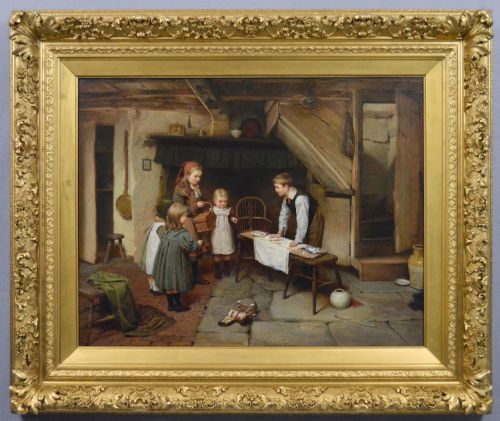
Gilded Frame Child Painting
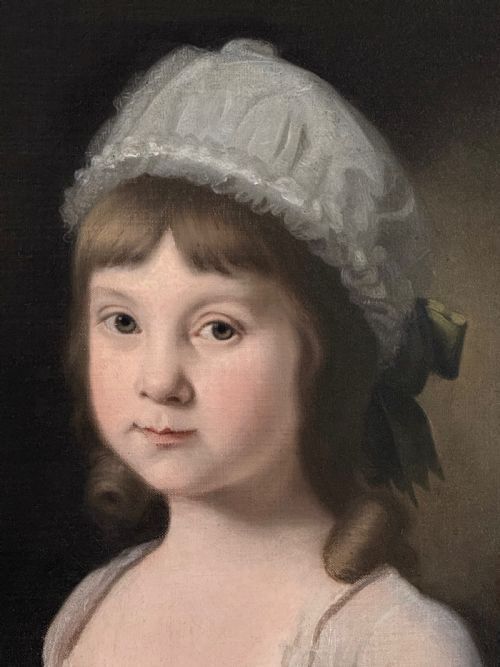
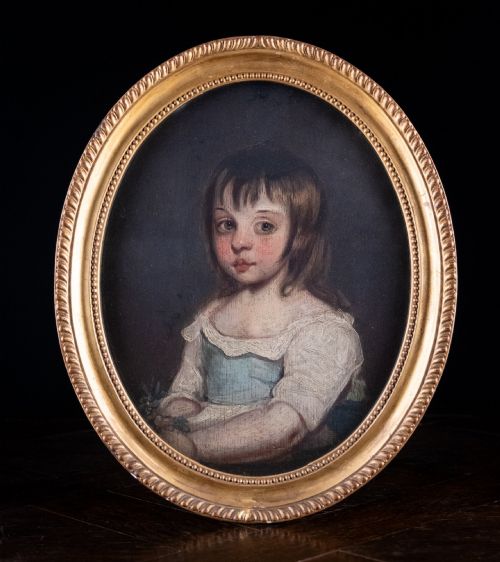
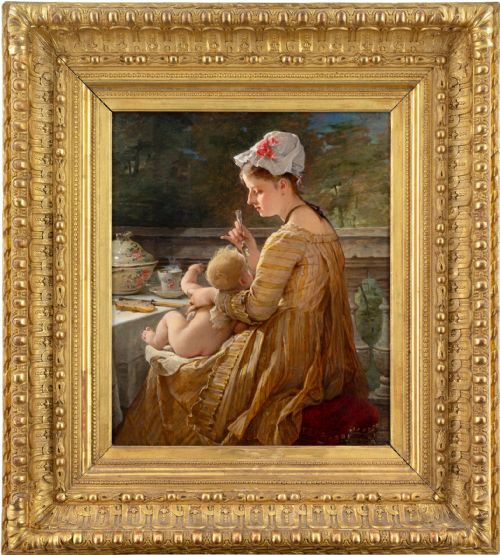
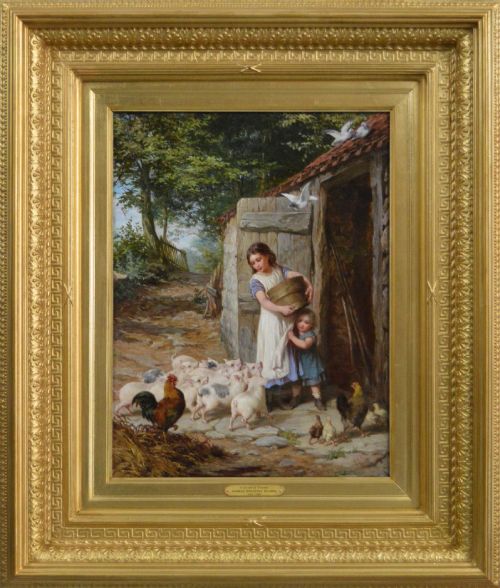
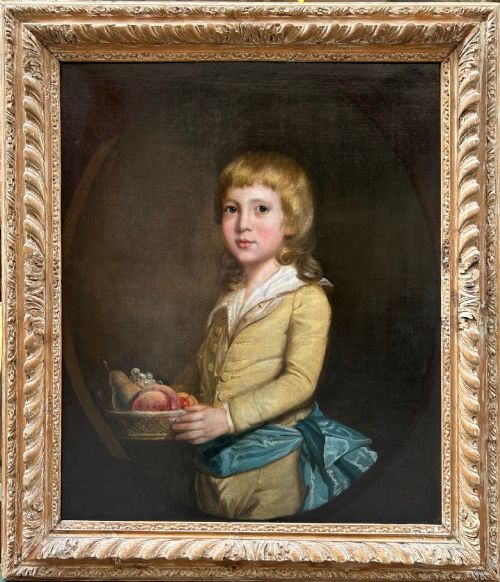
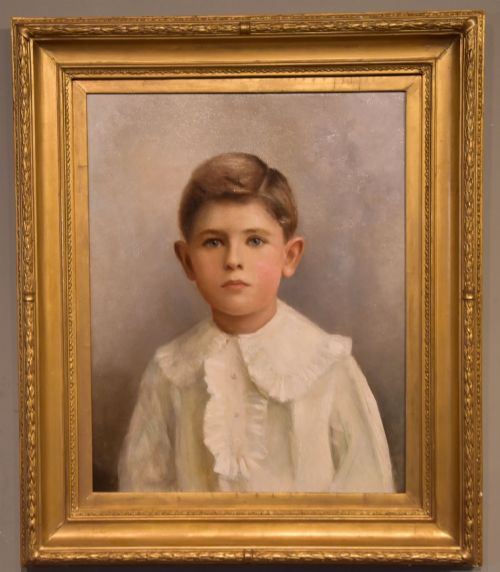
A gilded frame child painting brings historic character and intimate portraiture into a room.
Gilded Frame Child Painting
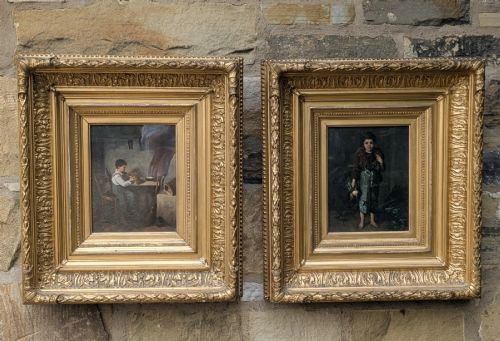
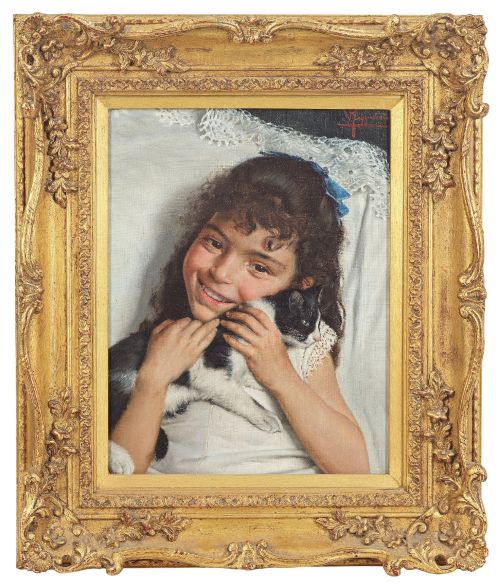
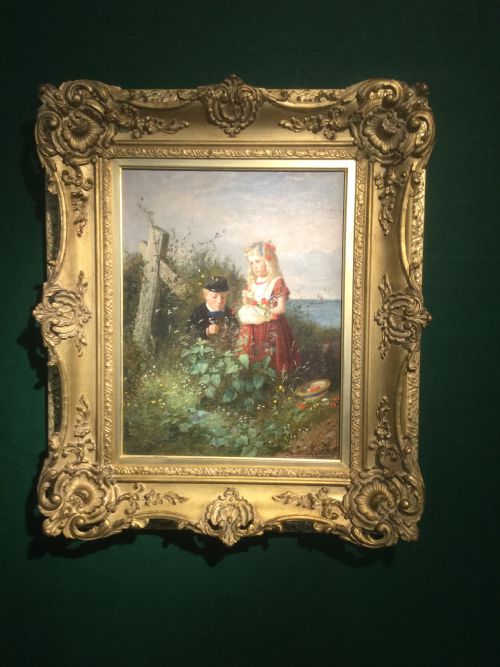
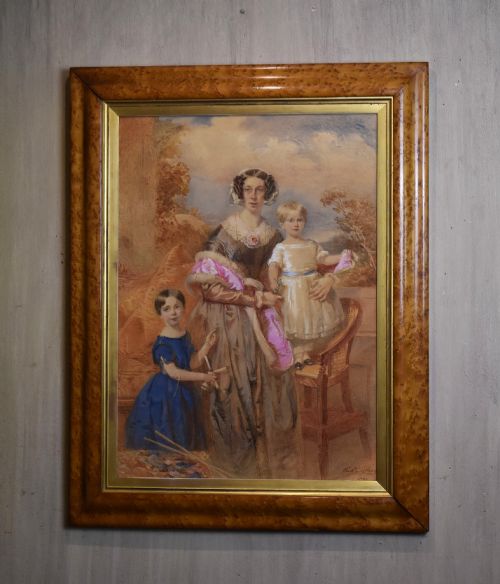
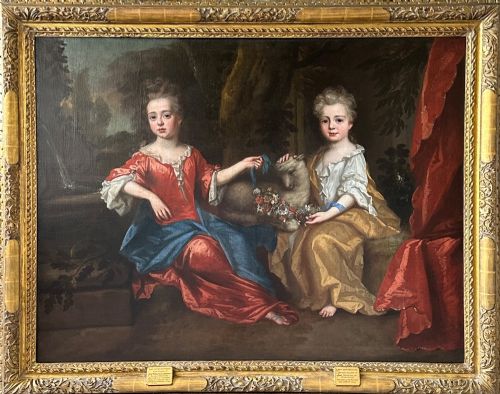
A gilded frame child painting encompasses historic portraits, genre scenes and devotional works featuring young subjects set within ornate metallic surrounds. These works range from grand 18th-century oils depicting aristocratic youths to Victorian genre pieces showing children at play or with animals. The selection spans centuries of artistic tradition, recording changing attitudes towards childhood through formal portraiture and lively domestic watercolours.
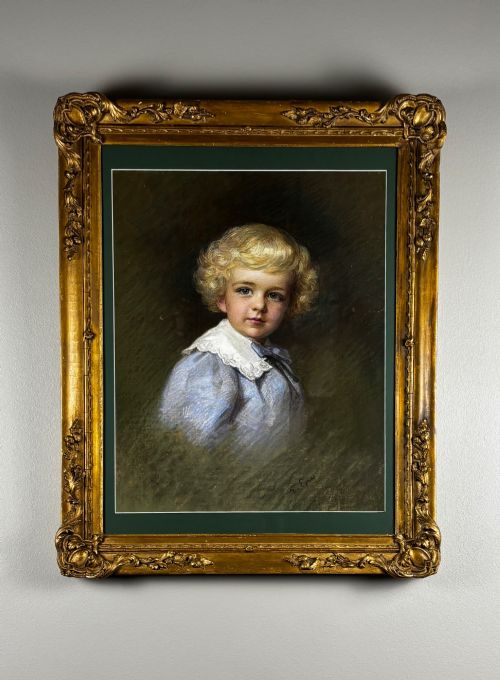
Buyers seeking a gilded frame child painting will frequently encounter 19th-century and Victorian works executed in oil on canvas or pastel on paper. Many pieces capture intimate family moments, siblings together, or symbolic religious subjects such as the Madonna and child. These artworks draw their visual impact from the interplay between the youthful subject and the reflective warmth of the surrounding gilding.
The materials recorded in these listings demonstrate a traditional approach to framing and support, utilising wood, gesso, and gold leaf alongside glass and paper. Stylistic influences vary from classical Georgian restraint to elaborate Baroque revival framing methods. Whether viewing an oil painting or a delicate pastel, the combination of historic portraiture and period mounts creates a distinct focal point for interior display.
How They Were Made
The accompanying surrounds are constructed from timber bases built up with gesso layers before being finished in gold leaf or metallic giltwood. This labour-intensive process provided deep relief ornamentation that complements the painted canvas within.
Represented artistic eras span from the 17th century through the Victorian age and into the early 20th century.
What Varies in Quality
Quality in these works rests upon the sensitivity of the brushwork and the anatomical accuracy with which the child's likeness and expression are rendered. Finer hands capture subtle shifts in light across a young face and convey individual character rather than relying on generic formulas.
The craftsmanship of the surrounding mount also dictates value, distinguishing hand-carved giltwood and deep gesso moulding from later or simpler replacements. Original frames that harmonise with the period of the painting elevate the integrity of the entire piece.
Emily Eyres·Joshua Reynolds·Vittorio Reggianini·Adelaïde Salles-Wagner·George Augustus Holmes·Thomas Beach·Henry Windsor Fry·Frederick Tatham·Sir Thomas Lawrence·James Maubert·Harry Brooker·Arthur Percy Dixon·Arthur William Devis·George Bernard O'Neill·James Hardy·William Egley·John Henry Dell·Orsola Maddalena Caccia·Jane Maria Bowkett·Mary Beale·Franz Xaver Winterhalter
The Gilded Frame Child Painting Glossary
- Giltwood
- Wood carved and coated with gold leaf or metallic paint to create a luminous, decorative surface. This material forms the primary structure of many ornate historic frames.
- Gesso
- A plaster mixture applied to wooden frames as a smooth base before gilding takes place. It allows artisans to carve intricate relief patterns into the moulding.
- Genre Painting
- Artwork depicting scenes from everyday life involving ordinary people. In these listings, such works often feature children engaged in play, chores or interacting with animals.
- Pastel
- A dry drawing medium composed of powdered pigment and a binder, frequently used for intimate portraiture on paper. Works in this medium require glass protection to preserve the delicate chalk surface.
- Crystoleom
- A Victorian technique where a photograph or print was made transparent on glass, hand-painted from the back, and convexly mounted. This method created a luminous, three-dimensional effect popular in the late 19th century.
Gilded Frame Child Painting: Frequently Asked Questions
What periods do these paintings cover?
The available works span several centuries, beginning with 17th-century devotional compositions and extending through the Georgian and Regency eras. A significant portion originates from the Victorian and Edwardian periods.
Later pieces from the early 20th century also appear, offering diverse interpretations of childhood portraiture across different artistic movements.
How should I hang a heavy gilt-framed painting?
Due to the dense wooden construction and heavy gesso and gold leaf layers, these frames require secure wall fixings. Utilising professional picture hooks rated for the specific weight ensures safety.
Position the artwork away from direct sunlight and fluctuating heat sources to protect both the canvas and the delicate gilding on the frame.
What is the difference between an oil painting and a pastel portrait?
Oil paintings utilise pigment suspended in drying oils applied to canvas or wood panels, resulting in a durable surface with rich colour depth. Pastels consist of compressed pigment chalks applied to paper, offering a softer and more immediate texture.
Pastel portraits are typically framed under glass to prevent the chalk surface from smudging or deteriorating over time.
Are all the frames original to the artwork?
While many pieces retain their period surrounds, frames were frequently updated or replaced by past owners to match changing interior tastes. The materials range from hand-carved giltwood to later moulded gesso.
Examining the joinery and backing of the frame helps determine whether it shares the same age as the canvas it encloses.