


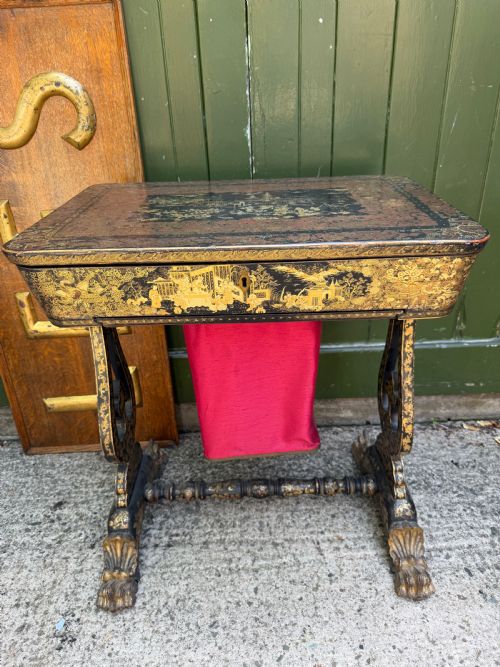


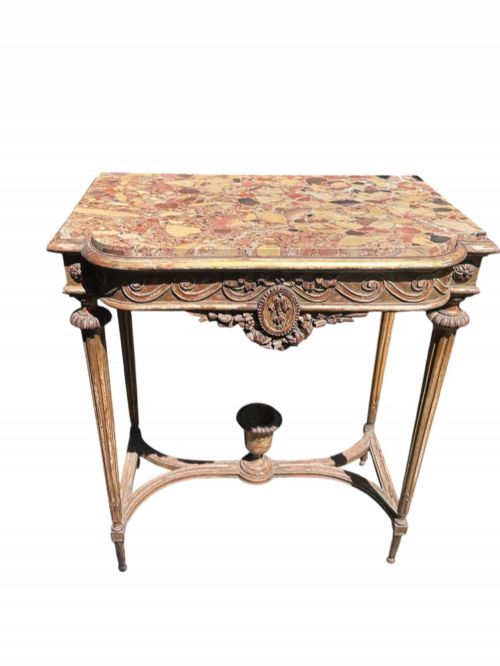


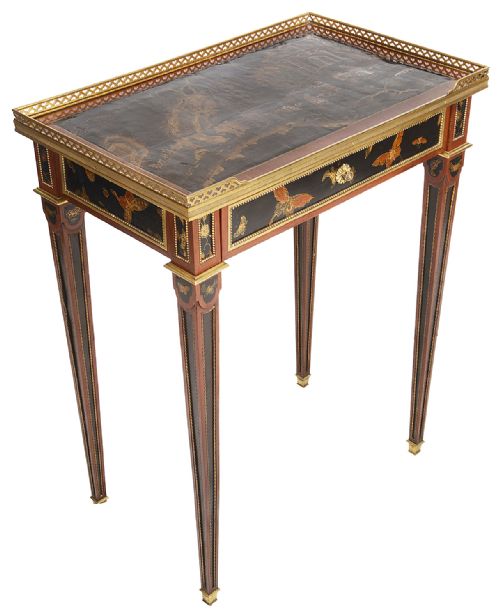


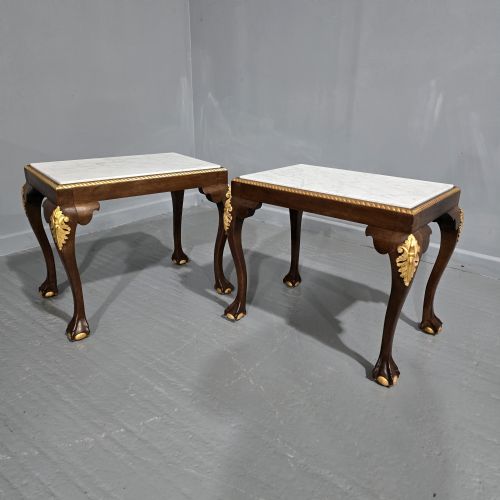
Gilded End Table
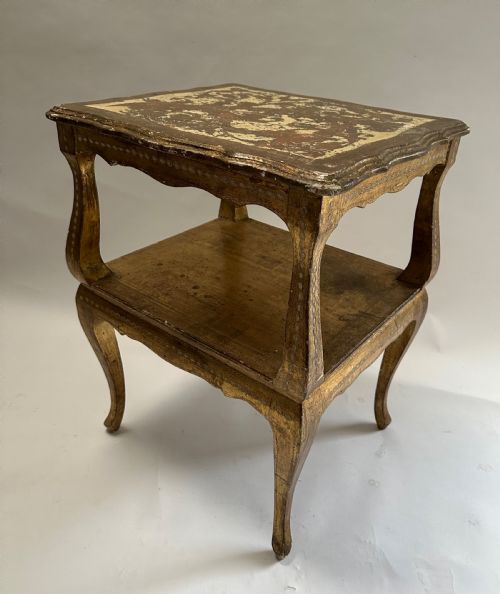
A gilded end table brings metallic warmth and compact surface space to a room, ranging from ornate Italian Baroque designs to restrained Regency forms.
Gilded End Table
A gilded end table serves as a small decorative surface for lamps, drinks, or ornaments, appearing in various compact forms across this selection. Buyers searching for a gilded end table encounter side tables, occasional tables, nests of tables, and étagères designed to fit beside seating or within alcoves.
The pieces span several centuries and aesthetic movements, originating from the mid-eighteenth century through to the Edwardian era. Examples range from Italian Baroque and Neoclassical designs to Victorian French styles and Chinoiserie lacquered works.
Materials and construction methods vary widely across these small tables, combining carved wood, marble, and brass with metallic leaf finishes. Forms include lamp tables, bow-end display counters, and nesting sets intended for flexible placement in a drawing room or study.
How they were made
Cabinetmakers constructed these frames from timber such as mahogany, rosewood, lime wood, and ebonised or painted wood, often applying layers of gold leaf or parcel gilt highlights directly onto the carved surfaces. Brass and gilt metal elements appear alongside timber, providing structural mounts, collars, and decorative framing.
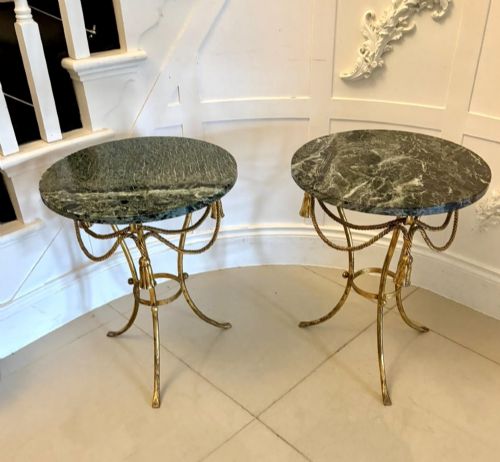
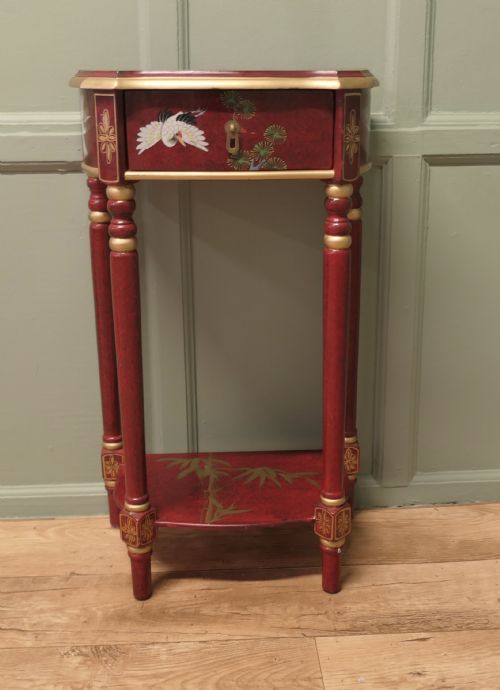
Inlaid or solid marble tops provide a heavy, cool contrasting surface to the reflective gilded wooden or metal bases. Lacquer work and hand-painted details define the Chinoiserie and Continental pieces, requiring skilled application of varnish and metallic pigments over prepared wooden grounds.
Gilded End Table Retail Price Guide 2026
Typical asking prices for gilded end table among the pieces listed under this phrase on Sellingantiques today, from the lower quarter to the upper quarter. They describe what is for sale here now, not the wider market.
Several tables feature carved wooden dolphins ready to support your evening cup of tea.
What varies in quality
The refinement of the surface gilding and the depth of hand-carving separate standard production pieces from masterwork examples. Crisp detail in wooden or cast brass ornamentation indicates superior workshop execution.
The choice of secondary materials, such as the thickness and figuring of a marble top or the stability of a nested table frame, dictates the overall integrity of the piece. Superior construction ensures the delicate gilded legs and joints withstand everyday use as a functional lamp or side table.
Whytock and Reid·E. Daligny
The Gilded End Table Glossary
- Parcel Gilt
- A technique where only specific portions of an object are covered in gold leaf, leaving areas of exposed wood or paint visible underneath.
- Étagère
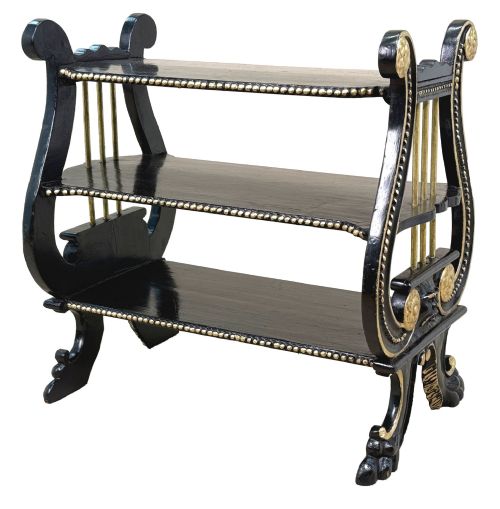
- A set of open shelves for displaying small objects, often taking a compact or tiered form suitable for corners and side spaces.
- Chinoiserie
- A European artistic style reflecting Chinese motifs and techniques, frequently rendered in lacquered wood with raised gold decoration.
- Verde Marble
- A dark green ornamental marble with lighter veining, commonly used for the inset tops of nineteenth-century lamp and side tables.
- Quartetto
- A set of four nesting tables designed to stack neatly beneath one another when not in use.
Gilded End Table: Frequently Asked Questions
What is a gilded end table used for?
These small tables provide a convenient surface for holding reading lamps, drinks, or decorative ornaments beside a sofa or armchair. Their reflective metallic finishes also add brightness and a focal point to darker corners of a room.
Historically, specific variations functioned as sewing tables, display counters, or nesting sets that could be pulled out when entertaining guests. Today, they serve a similar dual purpose of practical utility and decorative display.
How do I identify the period of a gilded table?
Dating relies on examining the underlying wood, the style of carving, and the method of gilding applied to the frame. For instance, eighteenth-century pieces often feature deep hand-carved lime wood in the Baroque taste, whereas early twentieth-century examples might show simpler painted finishes or Edwardian nesting configurations.
Construction marks, such as the type of brass fixings or signature stamps on the underside, also help pinpoint the exact era of manufacture. Comparing the stylistic motifs, like dolphin supports or Neoclassical lines, against known design periods confirms the timeline.
How do I care for a gilded wooden surface?
Gilded surfaces require gentle maintenance to preserve the delicate layer of gold leaf or metallic paint. Dusting should be done lightly with a dry, soft microfibre cloth without applying modern chemical polishes or abrasive cleaners.
Keeping the table away from direct sunlight and excessive moisture prevents the underlying wood from expanding and the metallic finish from flaking. Placing protective pads under objects placed on the marble or wooden tops guards against accidental scratching.
Are these tables sturdy enough for daily use?
Most occasional and lamp tables are built to hold moderate weights such as lamps and books, but their slender legs require sensible handling. Moving them by lifting the main frame rather than pulling by decorative stretchers ensures the structural joints remain secure.
Tables with inset marble tops are heavier and more stable at the base, while nesting sets require careful handling of the smaller internal tiers. Regular checks of the joints help maintain their stability over decades of household use.