
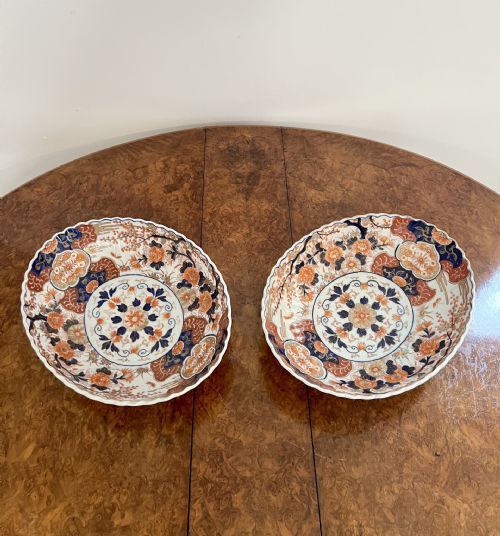


Gilded Edge Porcelain Dish
Every gilded edge porcelain dish on this page brings together fine ceramic bodywork and bright metal highlights from centuries of European and Japanese workshops.
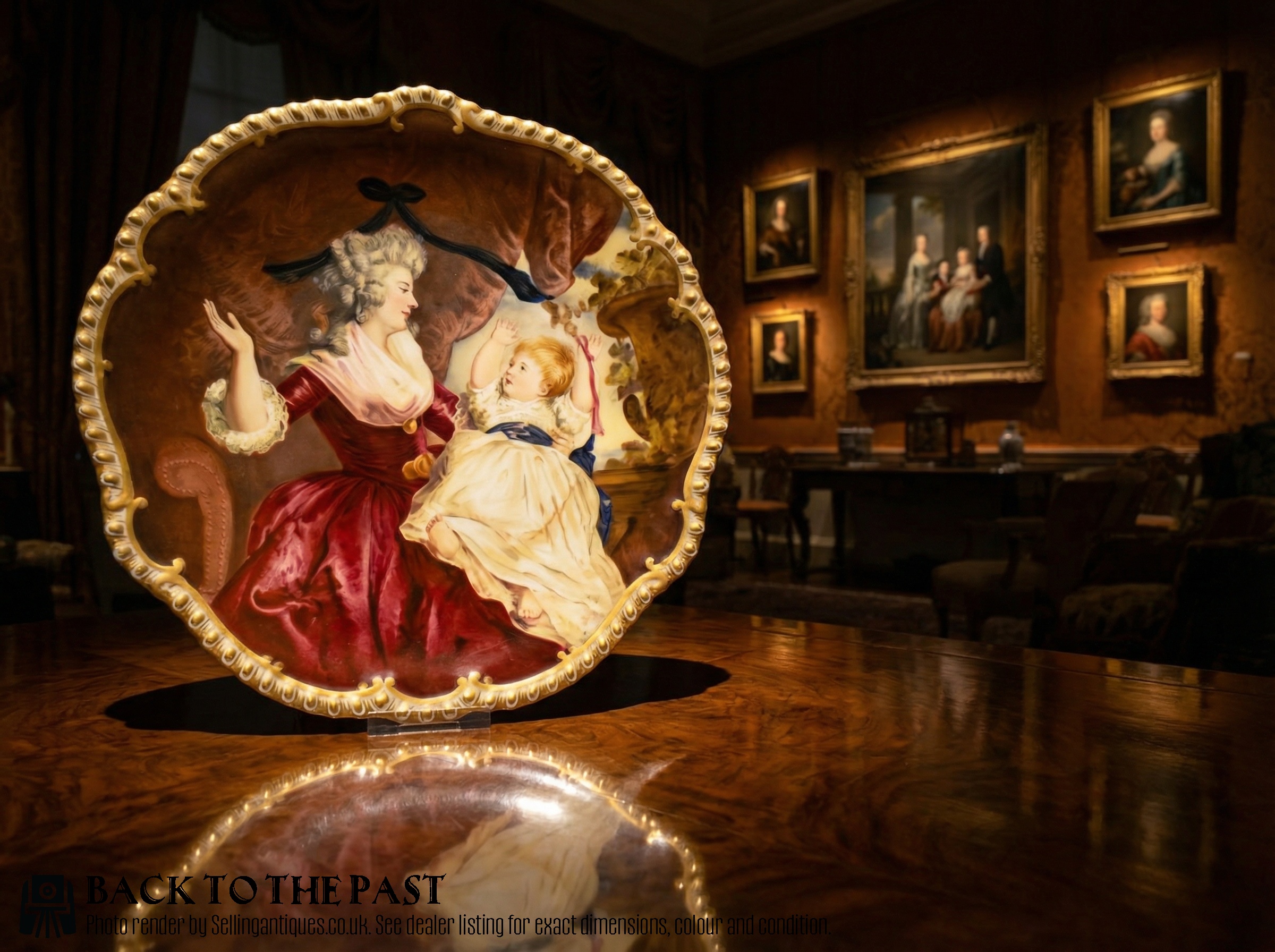
Gilded Edge Porcelain Dish
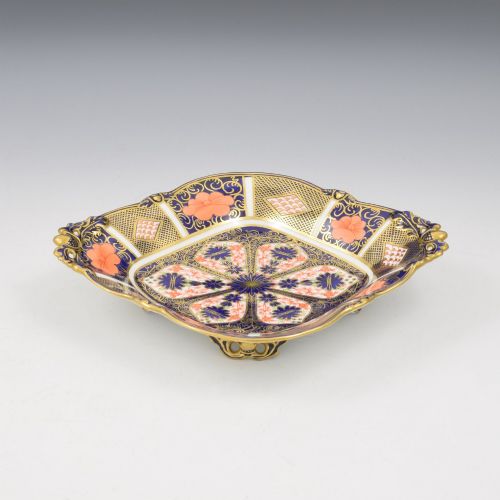
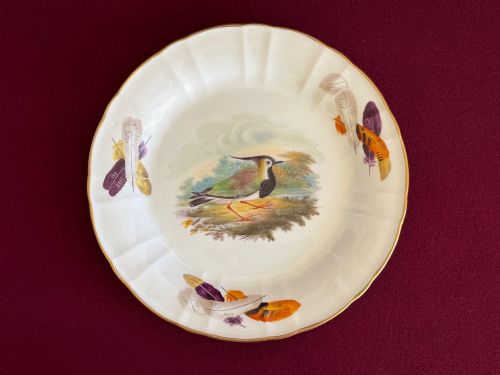
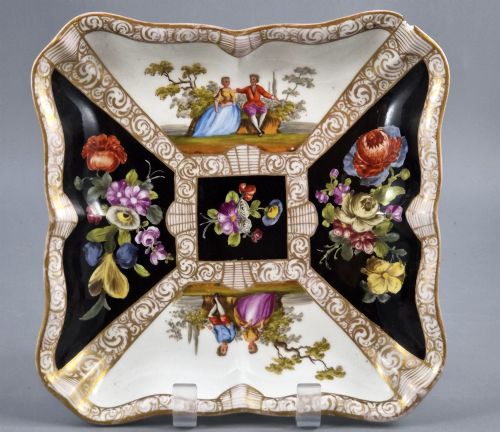
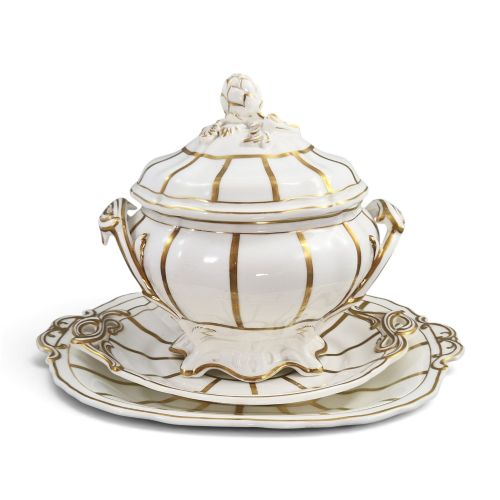
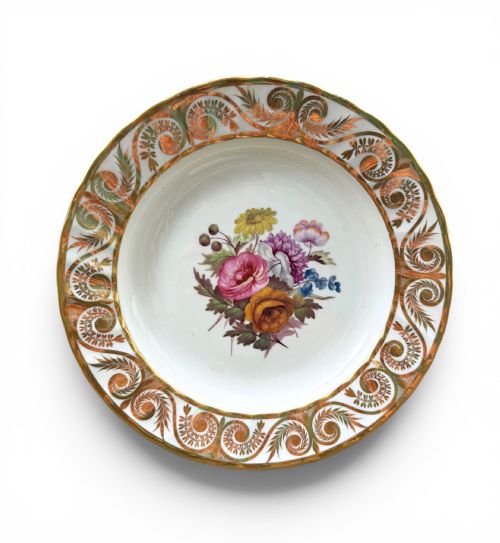
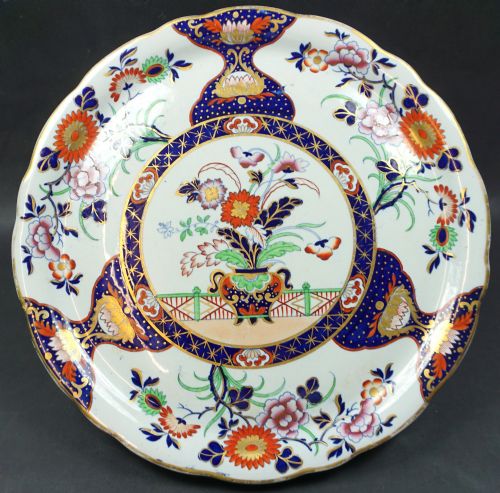
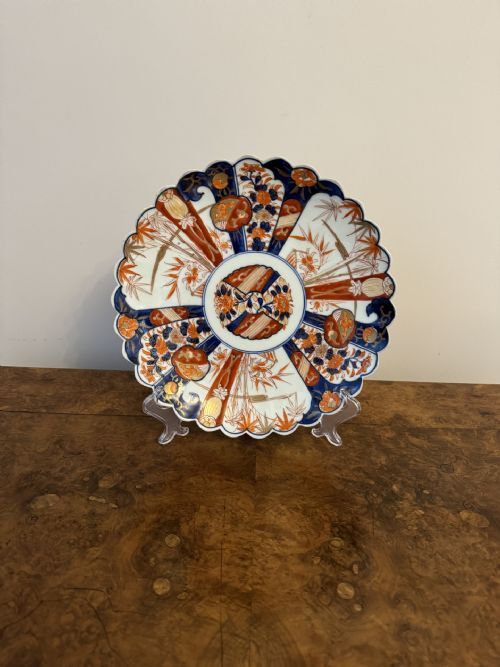
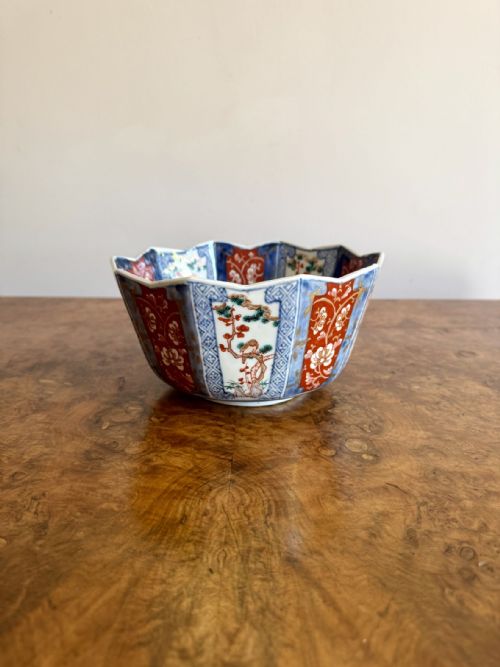
A gilded edge porcelain dish serves as a decorative or functional piece for the table, cabinet, or sideboard. When searching for a gilded edge porcelain dish, buyers encounter various forms including cabinet plates, serving trays, dessert plates, and scalloped bowls.
The pieces span multiple centuries, originating from English factories like Royal Worcester and Derby alongside continental producers and Japanese Imari kilns. Makers shaped these items for formal dining, dessert service, and display.
Examples range from early nineteenth-century hand-painted botanicals to mid-twentieth-century floral fruit plates. Each object carries the specific aesthetic of its period, from Regency restraint to late Victorian opulence.
How They Were Made
Manufacturers utilised hard-paste porcelain, bone china, and ceramic bodies shaped into plates, bowls, and shaped dishes. Artisans applied hand-painted motifs, transfer printing, and polychrome enamels before firing the wares.
The defining gilt border involved the application of gold leaf or liquid gilding to the rims and edges, often followed by burnishing to achieve a bright shine. Many items required multiple kiln firings to set the enamel colours and the precious metal highlights.
Makers represented include nineteenth-century English factories, continental European porcelain houses, and Japanese export kilns.
What Varies In Quality
The standard of painting on the ceramic surface distinguishes simpler production wares from exhibition-quality cabinet pieces. Skilled artists painted intricate floral sprays, landscapes, and mythological scenes directly onto the body.
The precision and preservation of the gilding along the rim determine much of the visual impact. Thick, hand-applied gold leaf that retains its burnished lustre indicates careful initial manufacture and subsequent preservation.
Royal Crown Derby·Wedgwood·Meissen·Davenport·Hicks And Meigh·Royal Worcester·Kornilov Brothers·Coalport·Chamberlain Worcester·Flight Barr And Barr·Vienna·Kpm·Royal Doulton
The Gilded Edge Porcelain Dish Glossary
- Porcelain
- A white, vitrified ceramic material made from clay and mineral stone, fired at high temperatures. It forms the impermeable white body beneath the glaze.
- Bone china
- A type of porcelain containing bone ash, developed in England to create a strong, slightly translucent body. It provides a smooth surface for painted decoration.
- Imari
- A style of Japanese export ceramic featuring deep blue, iron red, and gilt highlights. European factories frequently copied these distinctive patterns.
- Gilding
- The application of gold leaf or powdered gold to the edges and decorative details of ceramic items. This process adds a reflective metallic border.
- Cabinet plate
- A decorative plate intended for display in a cabinet or on a wall rather than for practical dining use. These pieces often feature elaborate painted scenes.
- Hard-paste porcelain
- A durable ceramic composition fired at very high heat using kaolin and petuntse. It resists scratching and provides a bright white ground.
Gilded Edge Porcelain Dish: Frequently Asked Questions
Were these dishes meant for daily dining?
Many items, such as dessert plates and serving trays, served actual functions at formal dining tables during the nineteenth and twentieth centuries. Heavier dinner services accommodated regular meals.
Cabinet plates and decorative bowls existed primarily for display on sideboards or within glass-fronted furniture. Their painted scenes and fragile gilt rims made them unsuitable for heavy daily use.
How can I tell an English piece from an Imari import?
English pieces often feature floral sprays, botanical studies, or crests painted in European styles on bone china or porcelain bodies. Factories like Royal Worcester and Derby marked their wares accordingly.
Japanese Imari works display characteristic dark cobalt blue and iron red ironwork patterns with heavy gilding. These items originate from Japanese kilns or reflect direct stylistic emulation.
What does bone china mean?
Bone china is a ceramic body incorporating animal bone ash alongside traditional kaolin and feldspar. This formula produces a durable, slightly translucent material.
English manufacturers adopted this composition to create thin, elegant tableware with bright white grounds. It accepts enamel colours and gold leaf exceptionally well.