



Vintage Botanical Porcelain Dish
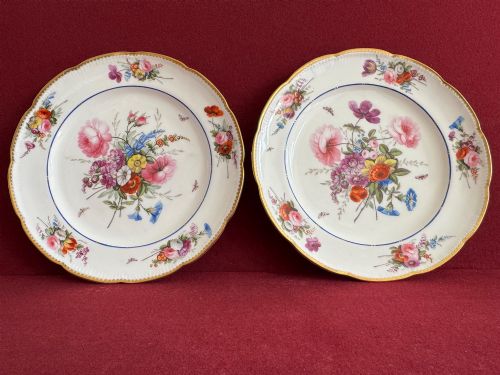
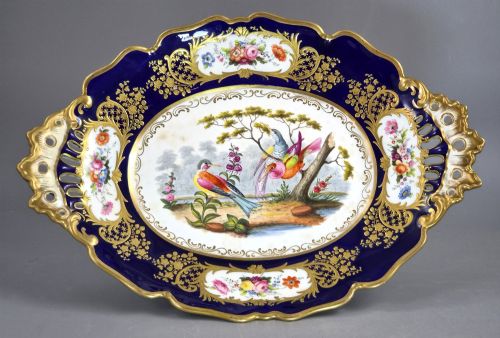
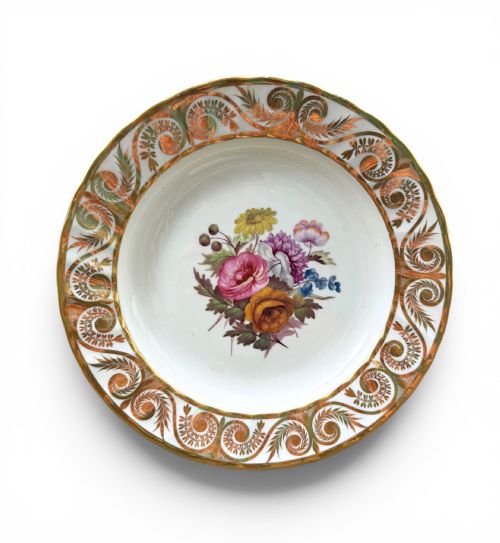
A vintage botanical porcelain dish brings hand-painted floral and bird subjects to the table, uniting cabinet display with functional serving forms.
Vintage Botanical Porcelain Dish
When you search for a vintage botanical porcelain dish, you encounter a range of forms including cabinet plates, serving platters, oval dishes, and soup tureens. These pieces span from the eighteenth century through the Regency, Victorian, and Edwardian periods, stretching into the nineteen-twenties and nineteen-thirties.
The majority of items originate from established European factories, showing specific botanical studies of flowers, fruit bouquets, orchids, and birds alongside hand-painted details. Forms vary from single decorative dishes to larger dessert services and sets of plates.
Makers represented in this category include English and continental houses such as Coalport, Royal Crown Derby, Royal Doulton, Meissen, Sevres, KPM, and Herend. Buyers select these pieces for their combination of historic factory manufacture and detailed natural history illustration.
How they were made
The body of each piece relies primarily on hard-paste porcelain or earthenware, shaped into plates, bowls, platters, and tureens before firing. Artisans applied coloured enamel paints by hand to render botanical subjects, floral bouquets, and birds with precision.
Gilding and gold leaf frequently highlight the rims, handles, and moulded borders of the porcelain. A clear glaze seals the painted surface during a secondary kiln firing, protecting the pigments and giving the dish its characteristic gloss.
Vintage Botanical Porcelain Dish Retail Price Guide 2026
Typical asking prices for vintage botanical porcelain dish among the pieces listed under this phrase on Sellingantiques today, from the lower quarter to the upper quarter. They describe what is for sale here now, not the wider market.
Object forms range from small cabinet plates and ribbon trays to large serving platters and soup tureens.
What varies in quality
Quality rests upon the execution of the hand-painted botanical or avian subject and the reputation of the factory or painter. Finely detailed brushwork on individual flower studies or ornithological subjects indicates superior artistic output.
The application of gold leaf and the crispness of moulded details, particularly in Rococo Revival or neo-Rococo styles, distinguish finer items from simpler production ware. Preservation of the enamel colours and the integrity of the porcelain body further define the tier of the piece.
Herend·Coalport·Derby porcelain·Sevres Porcelain·Royal Worcester·Meissen·KPM·Royal Crown Derby·Royal Doulton
The Vintage Botanical Porcelain Dish Glossary
- Hard-paste porcelain
- A dense, vitrified ceramic material composed of kaolin and petuntse, fired at high temperatures to create a durable, non-porous white body. It forms the foundation for fine European table wares.
- Enamel
- Low-melting glass coloured with metal oxides, applied over the glazed porcelain surface and fixed in a muffle kiln. This technique allows for a wide palette of vibrant botanical colours.
- Gilding
- The application of gold leaf or powdered gold to the ceramic surface, often accentuating rims, handles, and relief moulding. It provides a contrasting metallic finish to the painted decoration.
- Cabinet plate
- A decorative ceramic dish intended primarily for display in a cabinet or on a wall rather than for functional dining use. These pieces often feature more elaborate hand-painted scenes.
- Soup tureen
- A large, deep serving vessel with a fitted lid, designed for serving soup at the table. They frequently include matching handles and decorative footed bases.
Vintage Botanical Porcelain Dish: Frequently Asked Questions
How do I date a porcelain dish?
Dating relies on factory backstamps, paste composition, and stylistic markers such as Rococo Revival moulding or Regency borders. Comparing the painted subject to known period patterns helps narrow the timeframe.
Changes in glaze texture and the style of hand-written factory marks offer further clues to the decade of manufacture.
Were these dishes used for dining?
Many forms, including dessert plates, serving platters, and soup tureens, were produced for active dining and service during the eighteenth and nineteenth centuries. Service sets were assembled for formal meals and course-based dining.
Cabinet plates, conversely, were often created specifically for display in formal rooms rather than kitchen use.
How should I clean botanical porcelain?
Wash porcelain pieces gently by hand using warm water and a mild detergent to protect hand-painted enamels and delicate gilding. Avoid abrasive sponges and dishwashers, which can wear away gold leaf and surface decoration.
Dry the pieces promptly with a soft, lint-free cloth to prevent water spots on the glaze.
What is Rococo Revival style?
Rococo Revival is a nineteenth-century design movement that reinterprets the asymmetric curves, scrolls, and naturalistic shell motifs of the eighteenth-century French Rococo period. Ceramics in this style feature heavily moulded rims and undulating edges.
This aesthetic often frames hand-painted floral bouquets and bird studies on decorative dishes.