

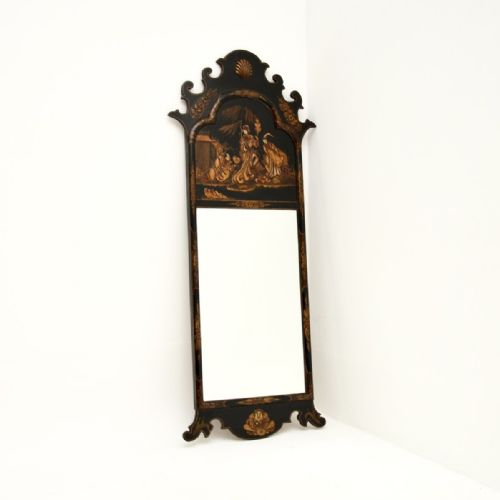
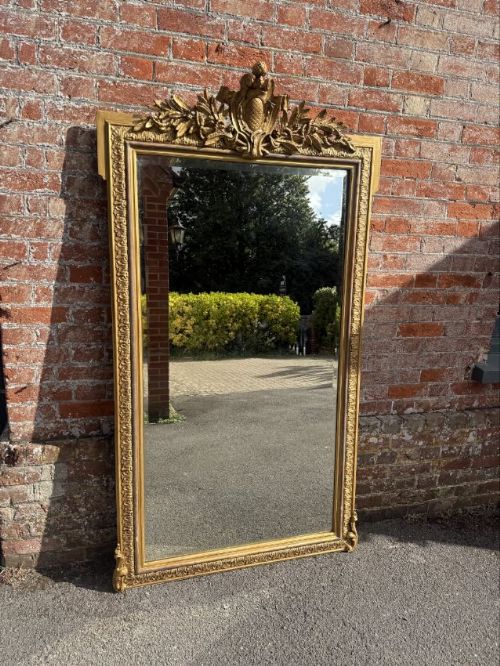
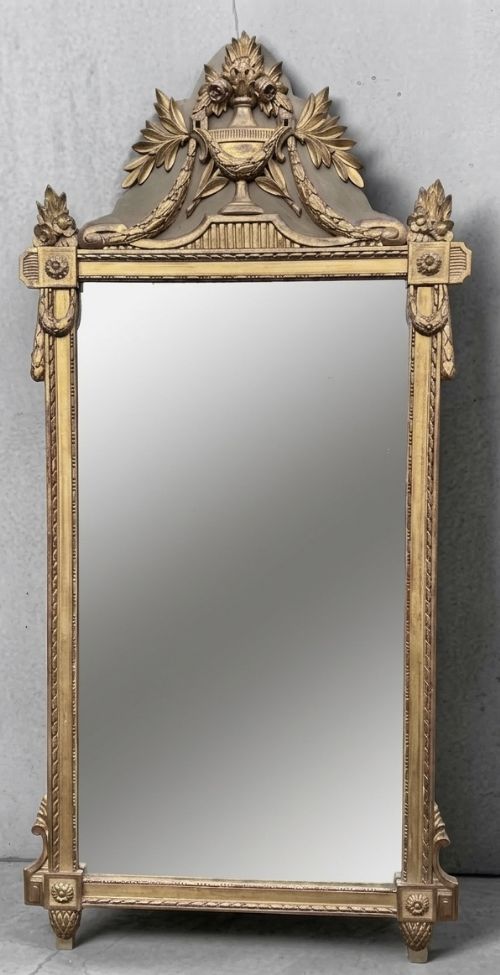
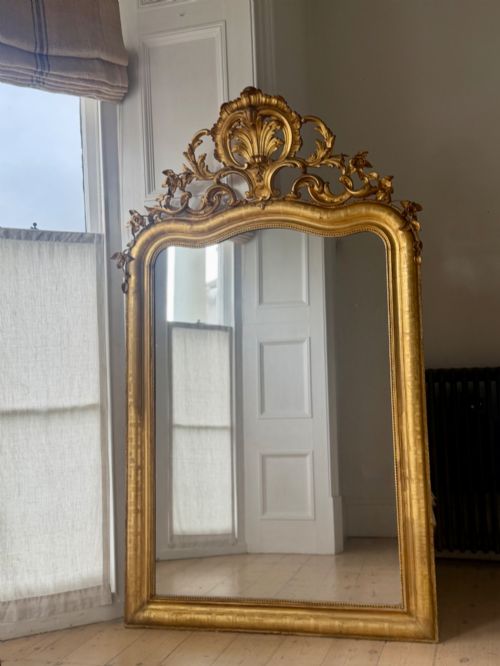
Gilded Crest Pier Mirror
A gilded crest pier mirror brings vertical light and carved presence to a room, drawn from centuries of French, English and Italian craftsmanship.
Gilded Crest Pier Mirror
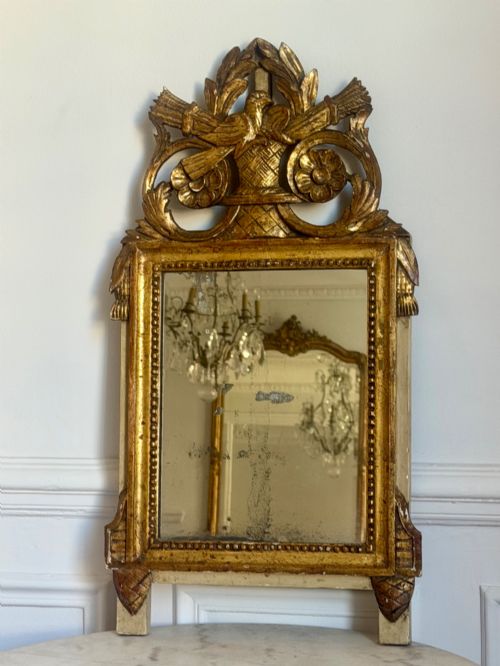
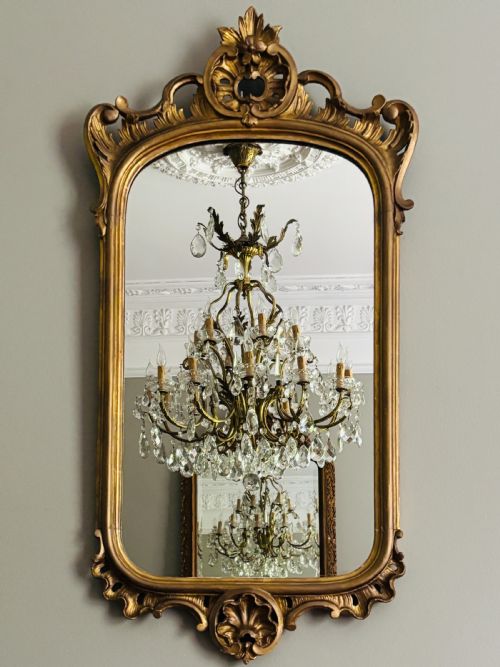
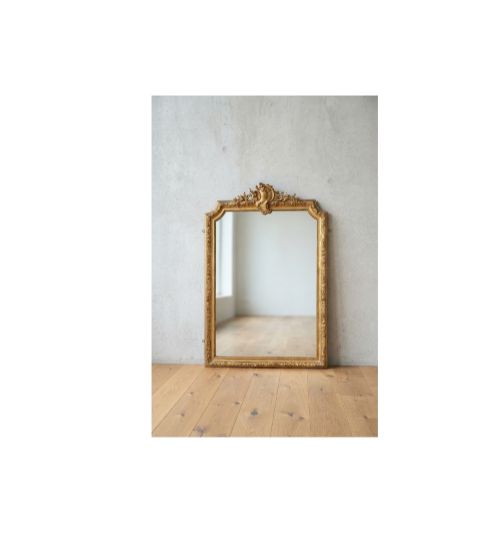
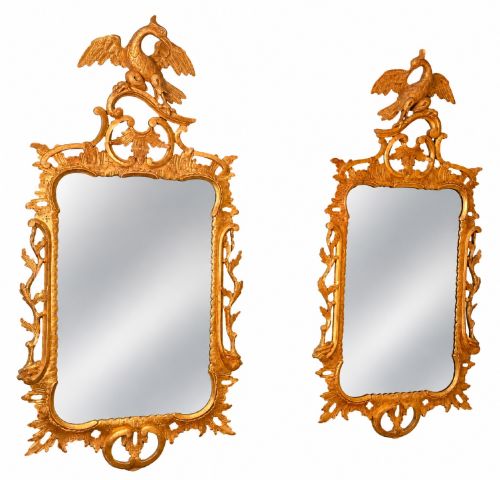
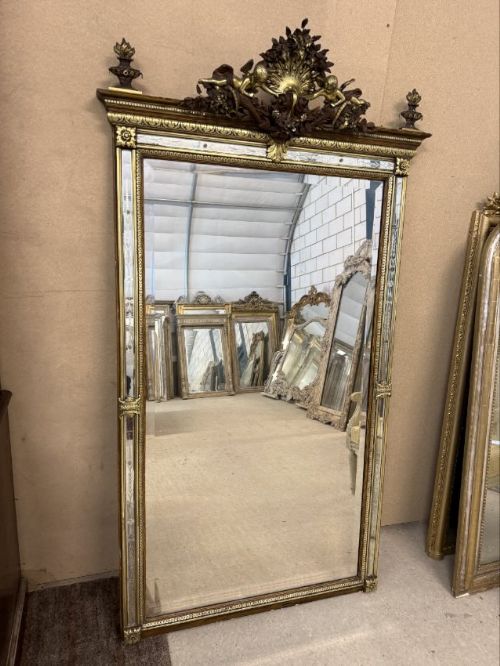
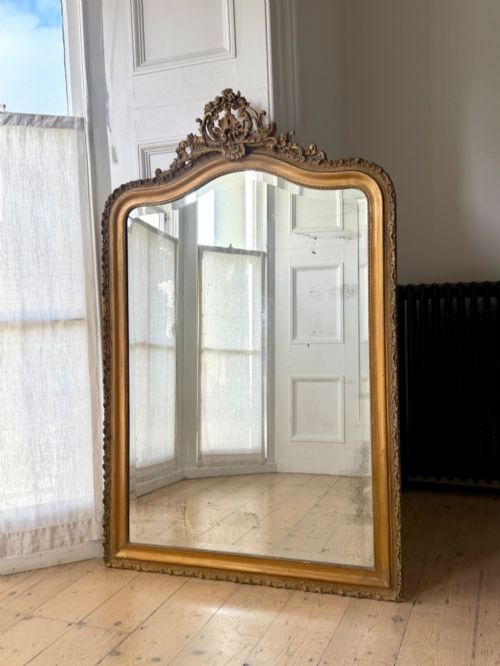
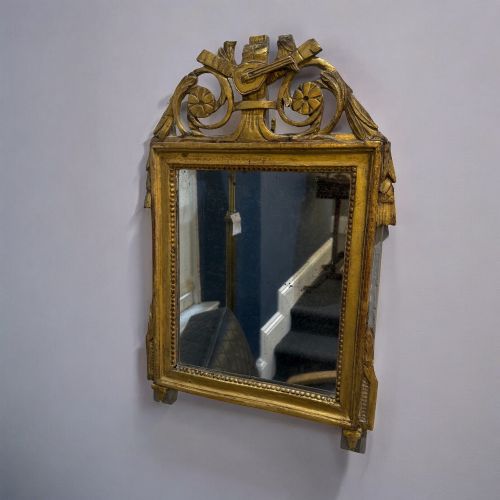
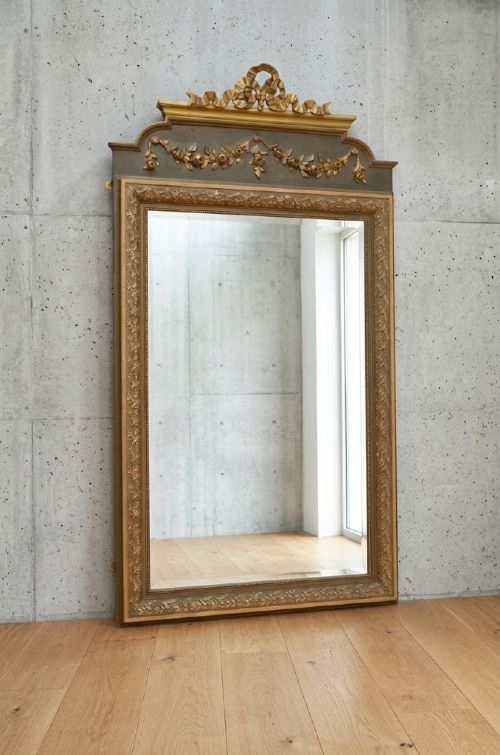
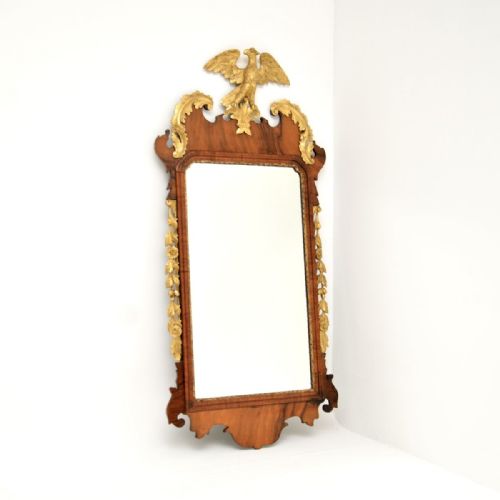
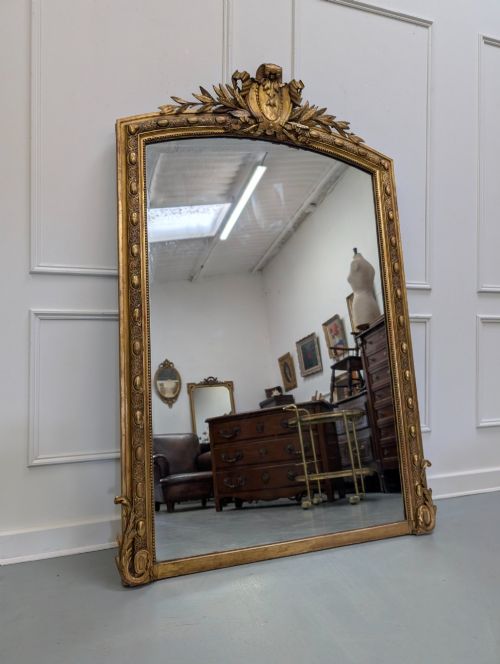
A gilded crest pier mirror is a tall wall-hanging glass designed specifically to sit on the narrow wall space between windows, known as the pier. These pieces appear across eighteenth-century Georgian formats and nineteenth-century revival periods, incorporating French Rococo, Louis XVI, and Neoclassical design influences.
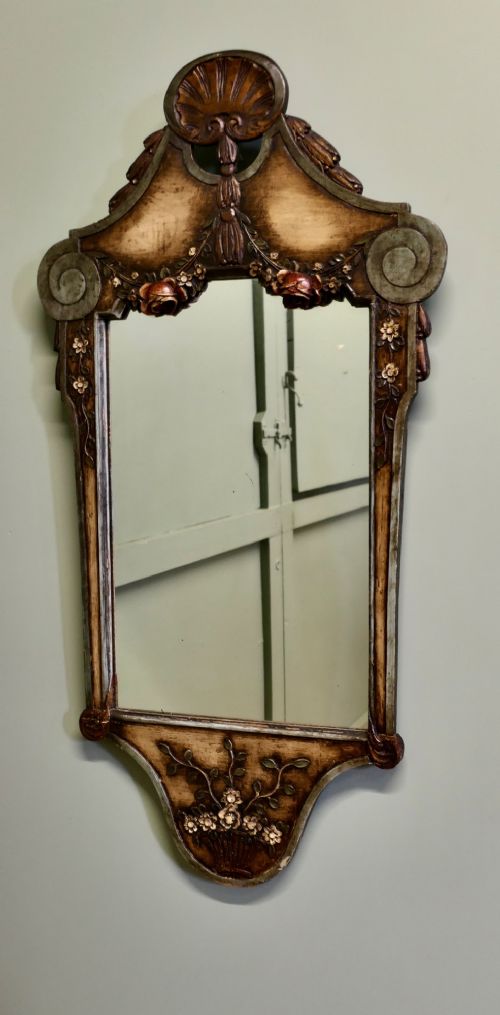
The surviving examples range from restrained mahogany fretwork frames to highly ornate French marriage mirrors and tall Napoleon III black and gold formats. Makers drew on diverse regional styles, producing items shaped by eighteenth-century aesthetics as well as later Victorian interpretations.
Materials and construction
Makers constructed these frames using timber cores of mahogany, walnut, or painted wood, upon which they applied layers of gesso to build up intricate decorative carving. Craftsmen then applied gold leaf, silver gilding, or paint to achieve the luminous metallic surfaces characteristic of the period.
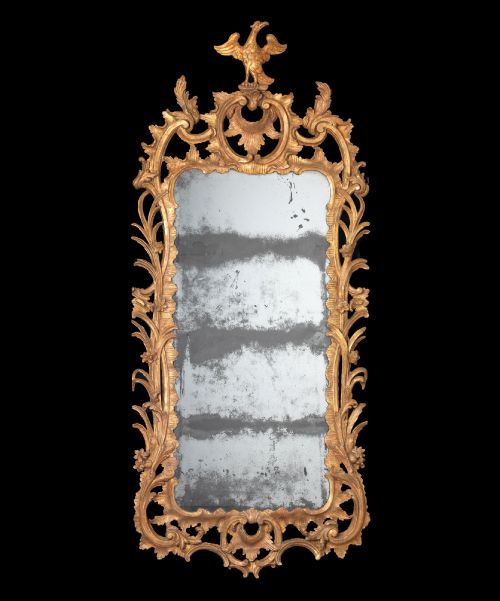
The reflective components utilise early mercury glass or standard mirror glass, frequently showing age-related foxing across the plates. Carved crests often feature pierced fretwork, ribbon motifs, or sculptural elements fixed securely to the main frame.
Gilded Crest Pier Mirror Retail Price Guide 2026
Typical asking prices for gilded crest pier mirror among the pieces listed under this phrase on Sellingantiques today, from the lower quarter to the upper quarter. They describe what is for sale here now, not the wider market.
Several marriage mirrors carry specific romantic motifs and ribbon crests intended to celebrate union and domestic harmony.
Assessing craftsmanship and condition
Quality rests in the crispness of the hand-carved gesso details and the integrity of the original gilding versus later over-painting. Superior pieces retain their original glass plates and structural joinery without excessive replacement of the decorative crest.
The depth and complexity of the fretwork or sculptural motifs distinguish standard production from exceptional workshop output. Proportion and balance between the frame and the ornamental crest dictate the visual success of each mirror.
Gillows Of Lancaster·John Belchier·William Kent
The Gilded Crest Pier Mirror Glossary
- Pier mirror
- A tall vertical looking glass proportioned to hang on the wall space between two windows. These pieces reflect additional light into formal rooms.
- Gesso
- A plaster-like mixture applied to wood frames and carved before gilding. This material allows for intricate low-relief ornamentation.
- Foxing
- Age-related spots and discoloration appearing within the silver backing of antique mirror glass. This chemical change indicates genuine age.
- Parcel-gilt
- A finish where portions of a wooden or painted frame are highlighted with gold leaf while other areas remain exposed. This technique contrasts metallic sheen with natural wood grain.
- Fretwork
- Openwork ornamentation cut from thin wood panels using a scroll saw or piercing tools. Georgian frames frequently employ this technique for lighter geometric borders.
Gilded Crest Pier Mirror: Frequently Asked Questions
Where should I hang a pier mirror?
These mirrors suit narrow wall spaces between windows or above console tables where their vertical format draws the eye upward. They amplify natural light in reception rooms and hallways.
Ensure the wall construction supports the combined weight of the timber frame and glass plate securely.
How do I identify an eighteenth-century frame?
Look for hand-carved wooden construction, traditional joinery methods, and authentic gesso application beneath the original gold leaf. Eighteenth-century pieces often display subtle asymmetry in hand-carved details.
Examine the backboards and fixings for period-appropriate materials and signs of age.
What is foxed glass?
Foxed glass refers to mirror plates that have developed dark spots, mottling, or cloudy patches due to the breakdown of the reflective silver backing over time. This ageing process occurs naturally across centuries.
Many collectors value foxed glass as an indicator of authenticity and historical depth.
Are these mirrors fragile?
Antique frames combining wood, gesso, and protruding crests require careful handling during transport and mounting. The extended decorative elements at the top need adequate structural support.
Routine dusting with a dry cloth protects the delicate gilded surfaces from unnecessary wear.