



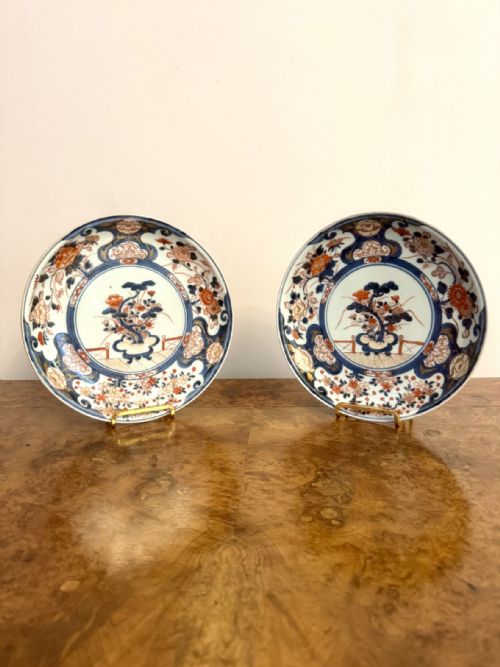
Gilded Cobalt Display Plates
Gilded cobalt display plates bring rich royal blues and metallic shine to walls and cabinets, offering centuries of ceramic artistry.
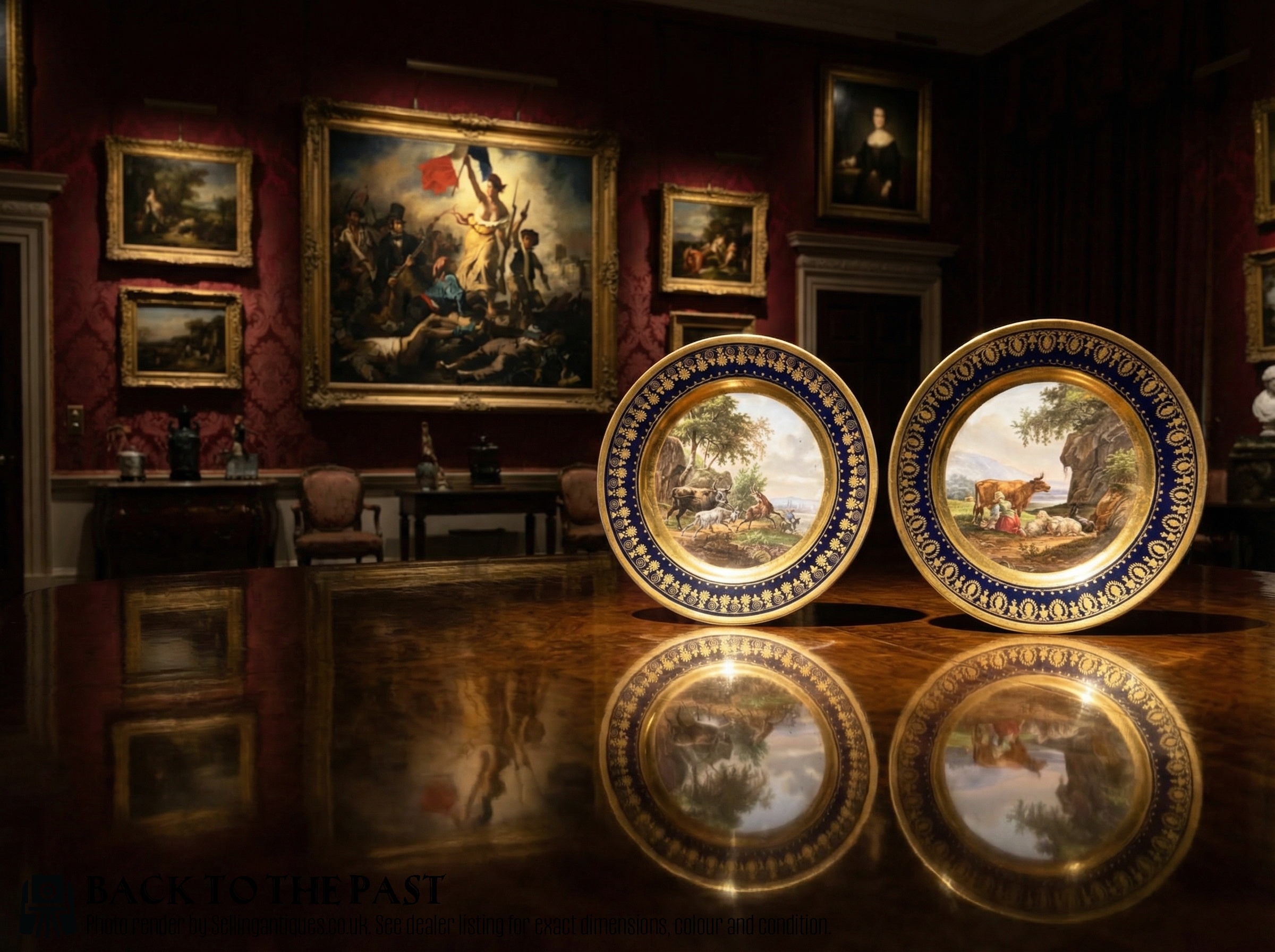
Gilded Cobalt Display Plates
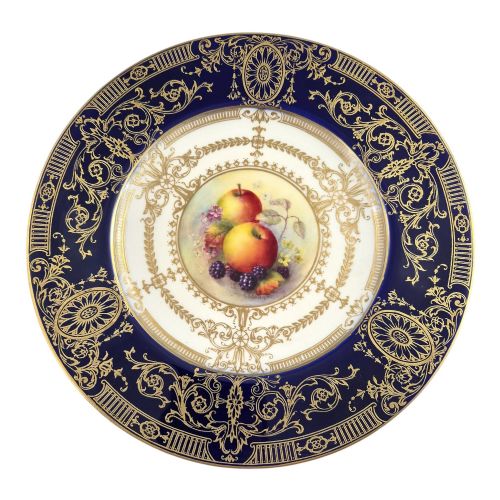
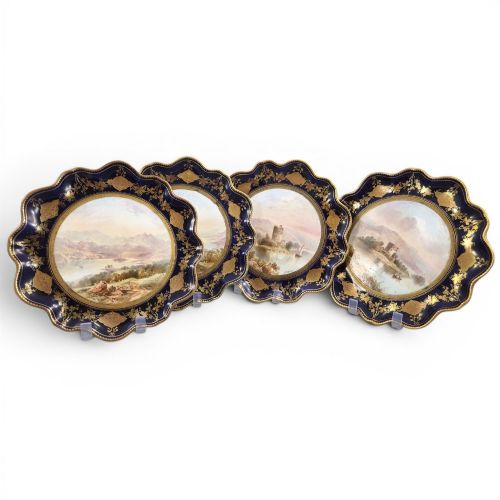
Gilded cobalt display plates combine deep blue ceramic bodies with metallic gold decoration, designed primarily for visual appreciation rather than daily dining. You will encounter various forms across this selection, including large chargers, cabinet plates, dessert services, and serving dishes.
The objects span multiple periods, stretching from the nineteenth century through the mid-twentieth century. Japanese Imari wares, Victorian English factories, and continental makers dominate the physical evidence on this page.
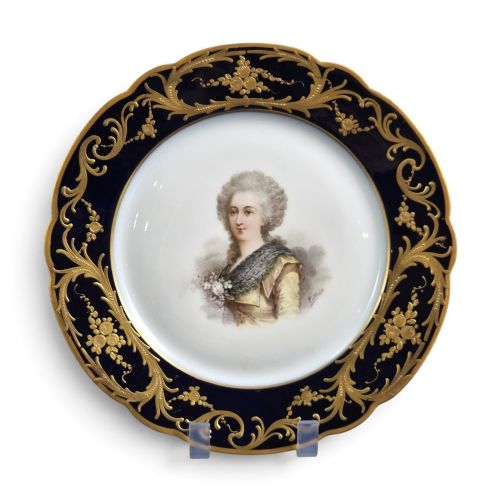
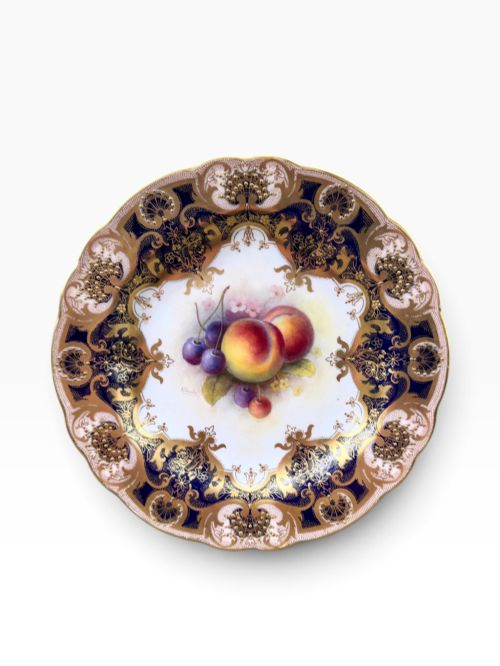
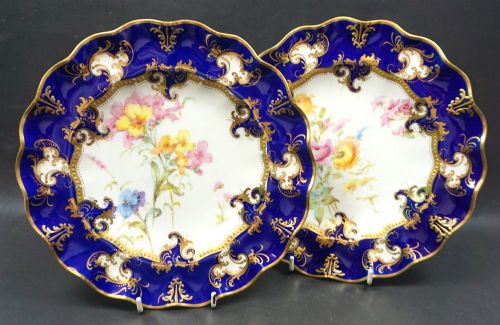
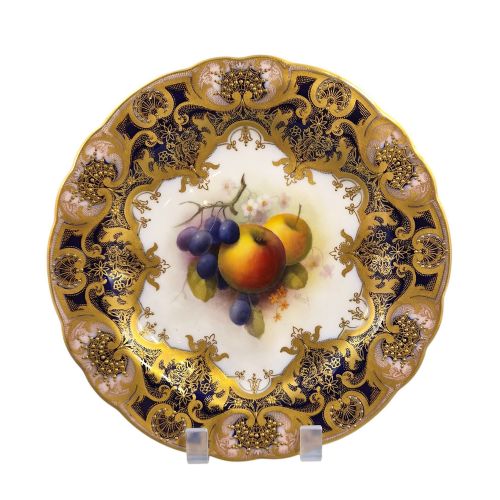
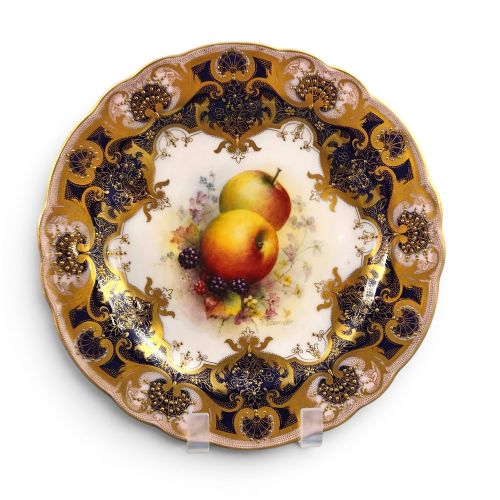
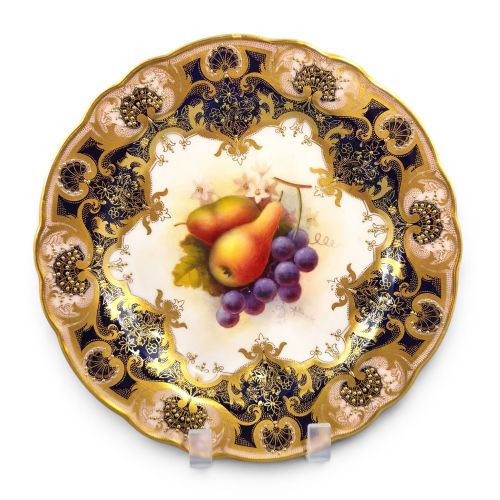
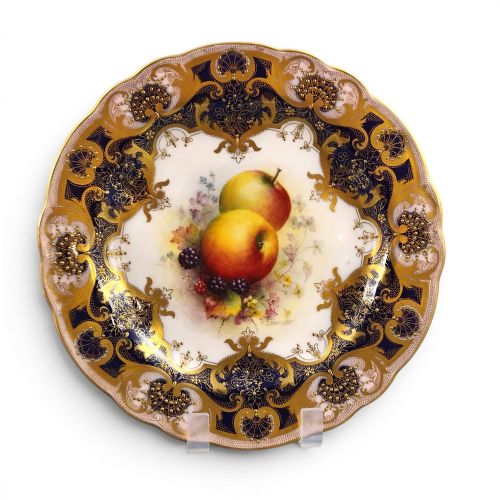
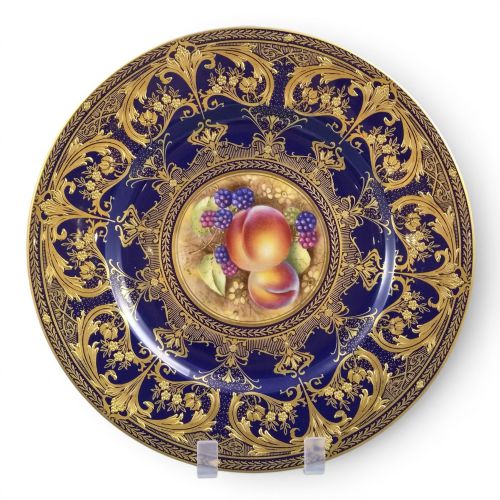
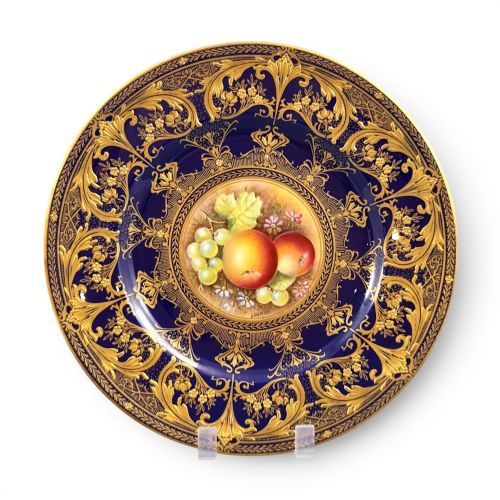
Many examples function as standalone decorative chargers, while others form parts of larger matched sets. Cabinet plates often feature hand-painted portraits, botanical studies, or fruit scenes framed by heavy gilt borders.
How they were made
Potters shaped porcelain or bone china before applying cobalt underglaze pigments to achieve the characteristic deep blue background colour. Artisans then fired the pieces at high temperatures to set the glaze and secure the vibrant blue tones.
Gilding involved the application of gold leaf, gilt, or liquid gold paint onto the fired surface, frequently followed by a secondary low-temperature kiln firing. Skilled hands brushed or tooled the gold details, including intricate scrollwork and heavy borders, to catch the light.
Listings feature porcelain and bone china enhanced with gold leaf, enamel, and cobalt glaze across the nineteenth and twentieth centuries.
What varies in quality
The refinement of the hand-painting distinguishes standard factory output from exceptional studio work. Named artists who signed their fruit or portrait plates elevate the standing of individual items.
The precision and weight of the gold application dictate the visual impact of each piece. Heavy tooling and dense gilding indicate superior craftsmanship compared to thin, flat painted gold lines.
Royal Crown Derby·Royal Worcester·Coalport·Meissen·Aynsley·Royal Vienna·Darte Brothers·Pucher Deroche
The Gilded Cobalt Display Plates Glossary
- Cabinet plate
- A decorative ceramic plate intended for display in a cabinet or on a wall rather than for practical table use. These typically feature intricate painted scenes and heavy gilding.
- Charger
- A large ornamental plate used as a base setting or displayed prominently on a wall or sideboard. They measure significantly larger than standard dining plates.
- Imari
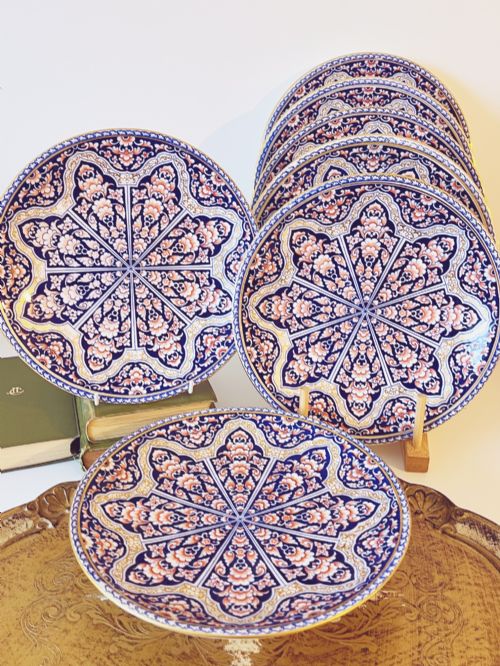
- A traditional Japanese style of porcelain decoration characterised by cobalt blue, iron red, and abundant gold detailing. Many nineteenth-century European factories emulated this distinctive aesthetic.
- Gilding
- The application of gold leaf or gold paint to ceramic surfaces for decorative effect. It provides a reflective metallic contrast against the deep blue cobalt glaze.
Gilded Cobalt Display Plates: Frequently Asked Questions
How do I hang a heavy charger safely?
Use a coated spring-tension plate hanger that distributes weight evenly across the rim without putting pressure on the centre.
Ensure the wall fixing is secured directly into a stud or uses a proper masonry plug for heavy porcelain pieces.
Were these plates used for food?
Most items classed as cabinet plates or chargers were created strictly for visual display and interior decoration.
Service pieces like dessert sets saw occasional dining use, but the delicate gold leaf on many examples requires careful handling.
How should I clean gilded cobalt porcelain?
Dust the surface gently with a dry, soft microfibre cloth to remove everyday particles without scratching the glaze.
Avoid chemical cleaners, abrasive sponges, and immersion in water, as old gold leaf and painted details can degrade.
How do I identify Japanese Imari from European copies?
Examine the paste, glaze characteristics, and base markings for clues regarding the regional origin and manufacturing period.
Japanese pieces often show characteristic spur marks and distinct iron-red hues combined with cobalt underglaze.