
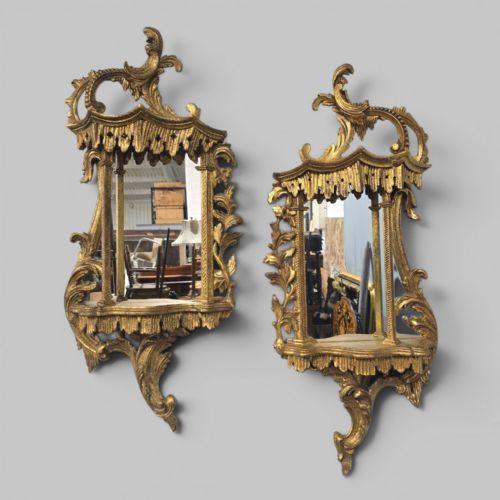
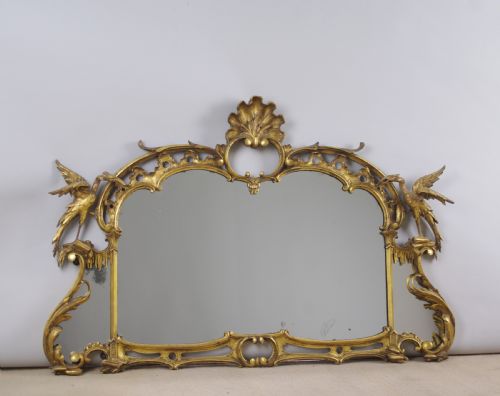


Gilded Chippendale Wall Mirror
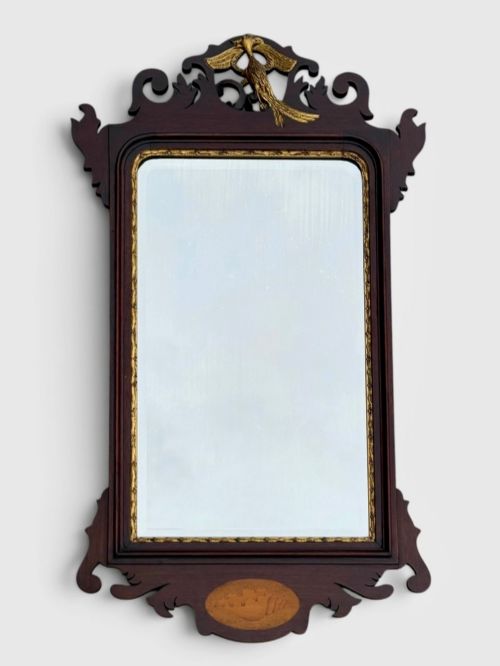
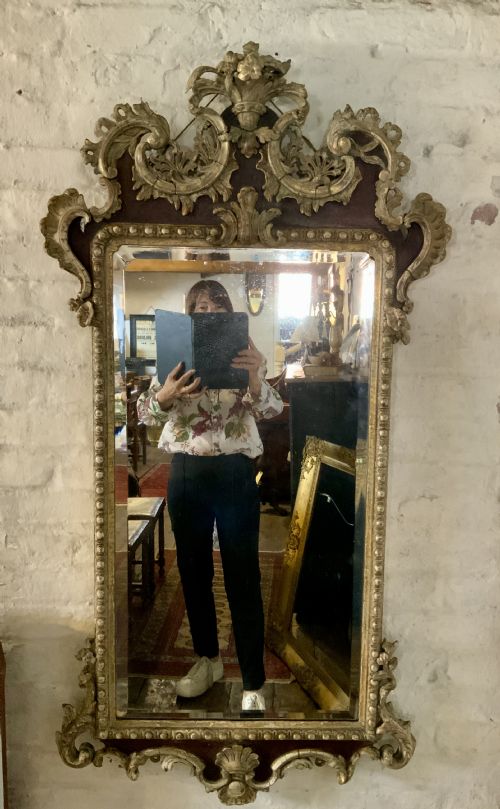
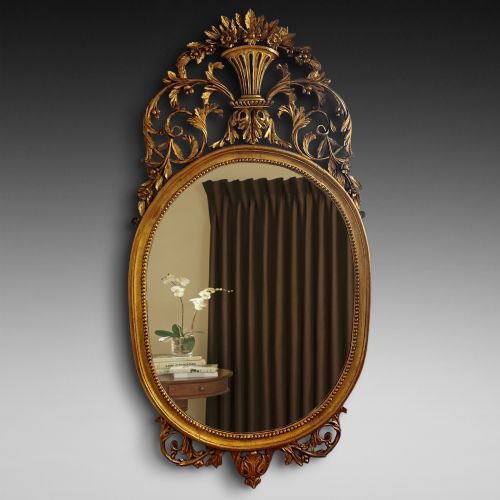
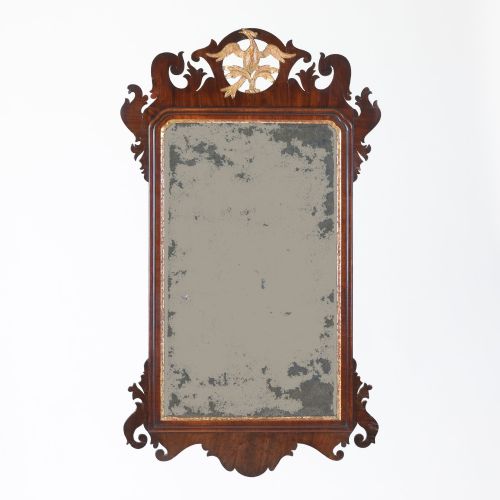
A gilded chippendale wall mirror brings dramatic rococo carving and shimmering giltwood into a room, capturing the absolute height of Georgian interior elegance.
Gilded Chippendale Wall Mirror
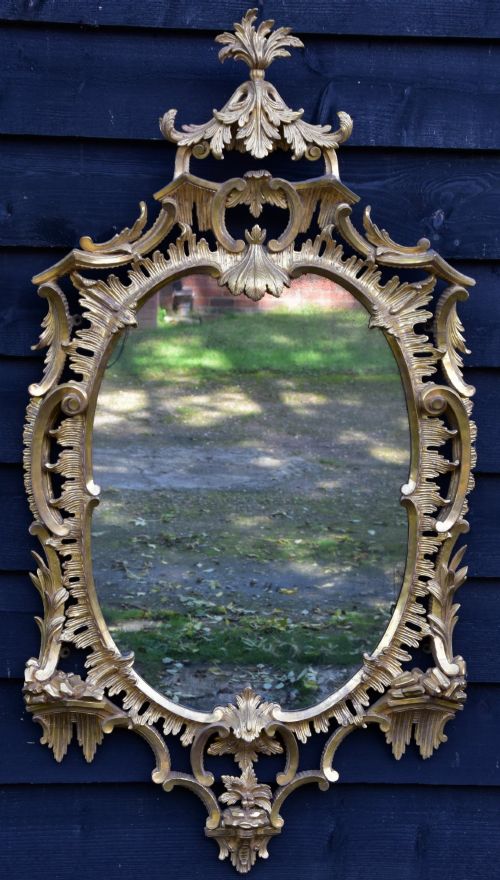
A gilded chippendale wall mirror is a decorative looking glass defined by elaborate carved wooden frames, asymmetrical scrolls, and gilded finishes. Buyers seeking this phrase encounter both original 18th century pieces and later revival iterations from the 19th and early 20th centuries.
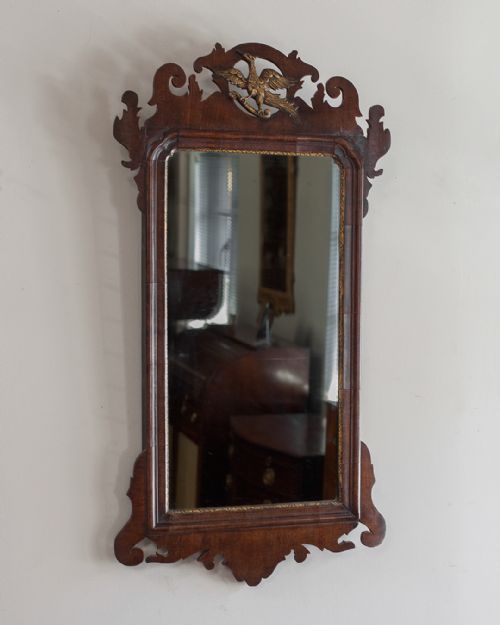
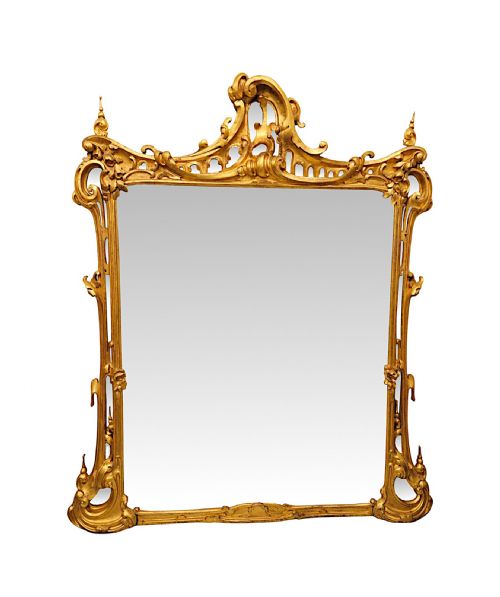
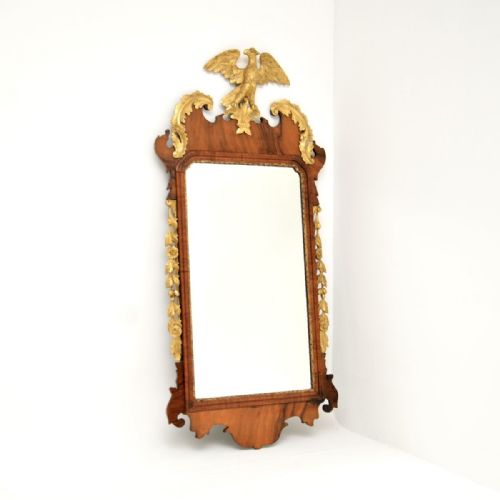
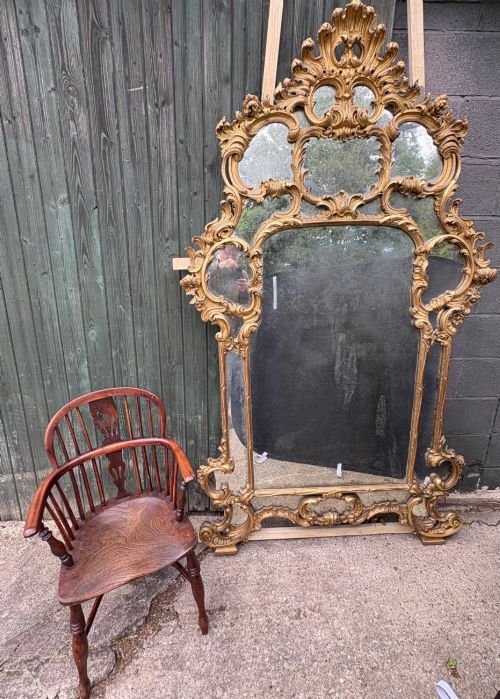
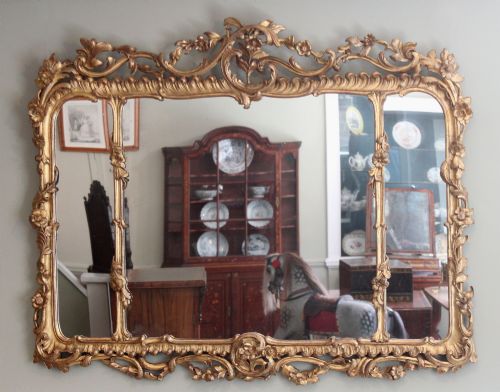
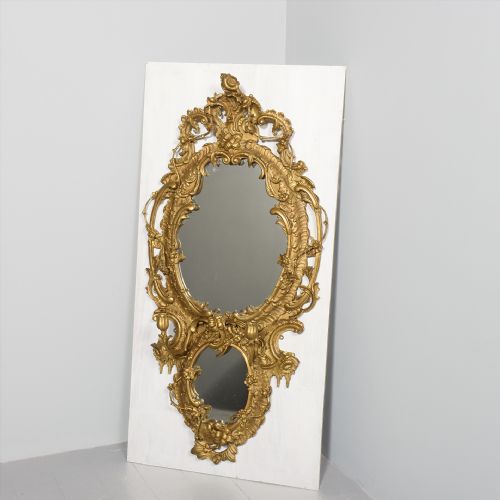
The dominant forms on this page include vertical wall mirrors, horizontal overmantel mirrors, and smaller fret-cut designs. These pieces range from restrained mahogany frames with parcel gilding to exuberant, fully gilded rococo compositions featuring asymmetrical C-scrolls.
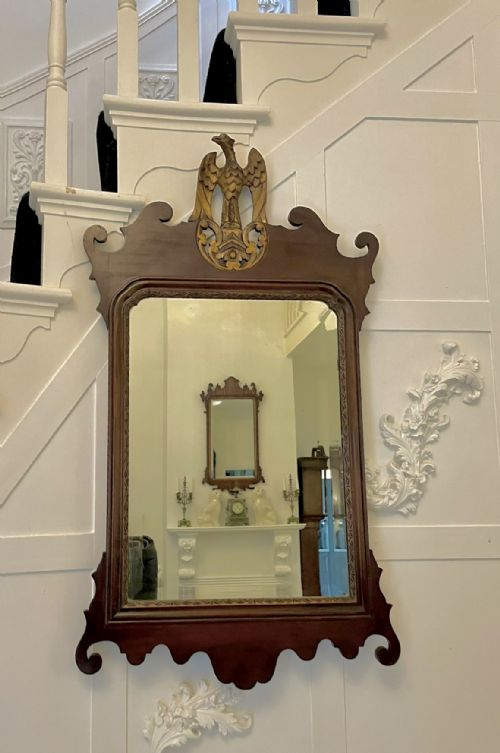
Many examples incorporate distinctive motifs associated with the style, such as the mythical Ho-Ho bird perched atop the crest or trailing foliage down the sides. Originating in the Georgian period, the aesthetic reappears across the Victorian era and into the early 20th century as revivals.
How they were made
Carvers shaped frames from timbers such as mahogany, walnut, pine, and softer woods before applying layers of gesso to prepare the surface for gilding. This plaster-like ground allowed craftsmen to crisp up intricate details and undercut foliage before laying down gold leaf.
Giltwood elements rely on thin sheets of gold applied over sizing, while parcel-gilt versions leave polished wood grains visible alongside gilded highlights. Fretwork frames utilise jigsaw techniques on thin timber boards to create intricate, pierced scroll patterns.
Listings span the 18th, 19th, and early 20th centuries, uniting Georgian originals with Victorian and Edwardian Chippendale revivals.
What varies in quality
Quality rests entirely in the crispness and depth of the hand carving, separating fluid, dynamic foliage from stiff, mechanical reproduction work. Master carvers achieved remarkable movement in asymmetrical scrolls and naturalistic bird details, whereas lesser pieces appear heavy and flat.
The integrity of the original gesso and the warmth of the underlying gold leaf determine visual presence over centuries. Superior examples retain their original mirror plates and harmonious proportions, while inferior later adaptations can suffer from clumsy joinery and heavy-handed restoration.
The Gilded Chippendale Wall Mirror Glossary
- Giltwood
- Wood that has been coated with gold leaf applied over a prepared gesso ground. This finish catches candlelight and natural illumination differently than modern metallic paints.
- Parcel Gilt
- A decorative treatment where only specific sections of a wooden frame receive gold leaf, leaving the polished mahogany or walnut exposed elsewhere. This contrast highlights the grain alongside the metallic brilliance.
- Fret-cut
- A woodworking technique using a fine saw to pierce thin boards into intricate geometric or scroll patterns. It defines the flat, silhouette-style frames popular in mid Georgian interiors.
- Ho-Ho Bird
- A stylized Chinese phoenix motif frequently perched at the crest of rococo and Chinese Chippendale mirrors. It reflects the 18th century European fascination with Asian art and exoticism.
Gilded Chippendale Wall Mirror: Frequently Asked Questions
Where should I hang an overmantel mirror?
An overmantel mirror sits traditionally above a fireplace mantelpiece, anchoring the vertical space of a chimney breast. Its generous horizontal proportions reflect light across the room and balance the heavy masonry below.
Outside the fireplace, these large plates function successfully above a low sideboard or low sofa in a formal reception room. Ensure secure wall fixings support the considerable weight of timber and glass.
How do I spot an 18th century original?
Original 18th century frames display hand-cut joinery, oxidized pine or hardwood beneath the gesso, and historic plate glass with subtle distortions or foxing. The carving exhibits an organic fluidity and confidence unique to period craftsmen.
Revival pieces from the 19th or 20th centuries often feature machine-cut elements, standardised modern mirror glass, and heavier secondary woods. Examining the backboards and framing construction reveals the true age of the piece.
What is Chinese Chippendale style?
Chinese Chippendale represents an 18th century British interpretation of Chinese motifs combined with rococo asymmetry. These designs feature pagodas, fretwork lattices, and stylized birds within the carved frame.
Mirrors in this sub-style bring an exotic, architectural element to interior spaces while retaining traditional giltwood or mahogany construction. They became particularly popular during Georgian times and again in Victorian revival periods.