



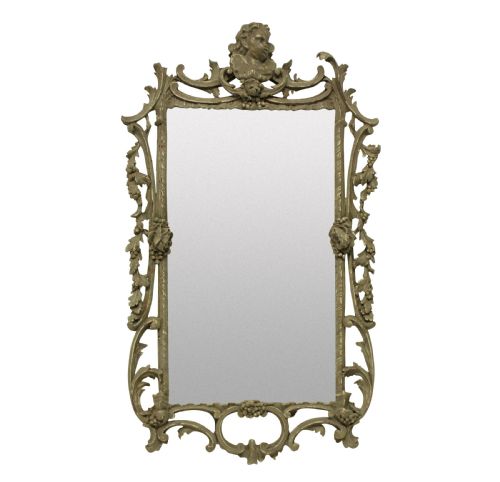

English Chippendale Mirror
An english chippendale mirror brings carved mahogany or gleaming giltwood into a room, offering the elegance of the eighteenth century.
English Chippendale Mirror
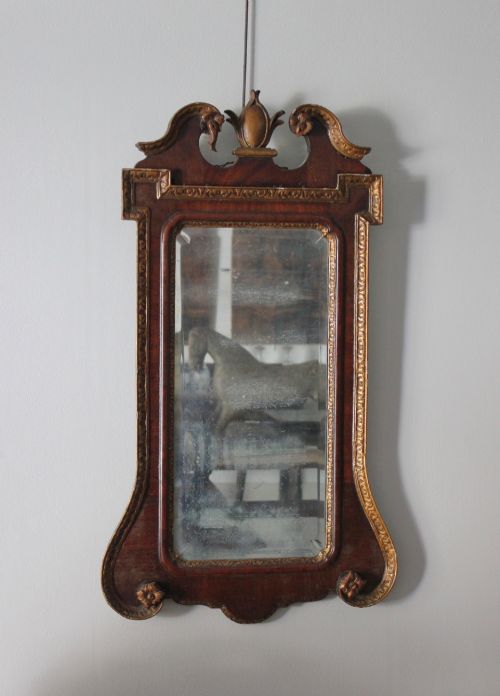
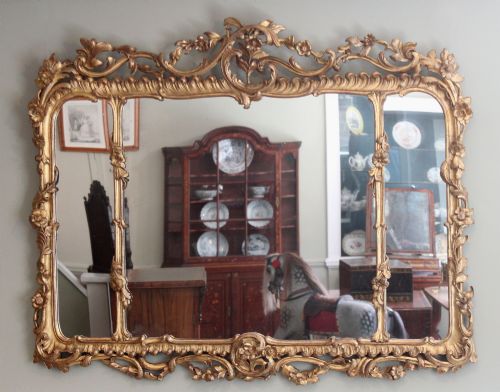
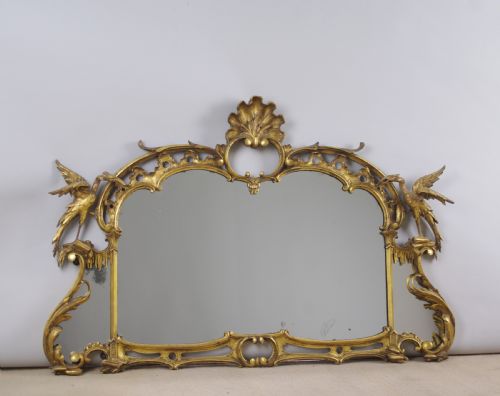
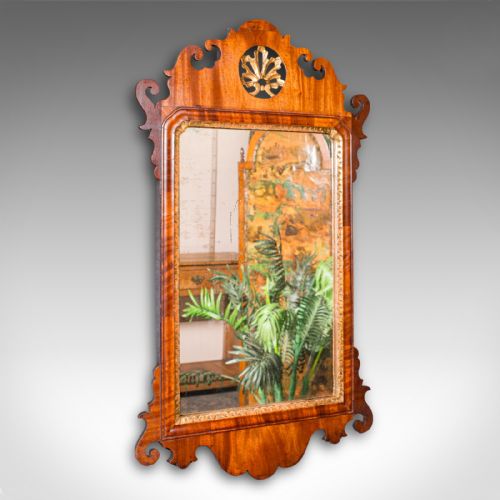
An english chippendale mirror combines the refined forms of the mid-eighteenth century with carved wood, mahogany, or giltwood frames. You will most frequently encounter wall mirrors and overmantel mirrors spanning both original Georgian periods and later revivals.
The evidence shows pieces originating from the eighteenth century, alongside nineteenth-century interpretations and later twentieth-century examples. These varied dates mean you can select either a period antique from the seventeen-hundreds or a later nineteenth-century piece reflecting the same stylistic vocabulary.
Judging Quality and Execution
Depth and sharpness in the carved decoration separate superior examples from simpler pieces, as master carvers achieved crisper leaf motifs and more fluid rococo asymmetry. The quality of the underlying wood, whether rich mahogany or burr walnut, dictates the baseline of refinement.
The application of gesso and gold leaf creates a distinct visual depth on giltwood frames, where thinner or later gilding lacks the warmth of older surfaces. Structural harmony between the mirror glass and the surrounding carved frame marks the distinction between standard production and exceptional craftsmanship.
Listings feature walnut, mahogany, and giltwood as the primary materials, spanning the Georgian period through to the twentieth century.
The English Chippendale Mirror Glossary
- Giltwood
- Wood coated with gold leaf over a prepared gesso ground. This finish provides the characteristic metallic brilliance seen on many formal eighteenth-century frames.
- Gesso
- A plaster-like mixture applied to wood frames to provide a smooth base for gilding or painting. It allows carvers to crisp up fine details before applying gold leaf.
- Overmantel mirror
- A large horizontal mirror designed to hang specifically above a fireplace mantelpiece. These substantial pieces often dominate the wall of a reception room.
- Rococo
- An ornate design style characterised by asymmetrical scrolls, C-curves, and naturalistic plant motifs. It heavily influences the carved frames of mid-eighteenth-century mirrors.
- Walnut
- A dense, dark timber frequently utilised for cabinetwork and mirror frames before mahogany gained dominance. Figured grains like burr walnut add pattern to the flat sections of the frame.
English Chippendale Mirror: Frequently Asked Questions
How do I date an english chippendale mirror?
Dating relies on examining the construction methods of the wood frame, the characteristics of the mirror glass, and the style of the carving. Eighteenth-century pieces display different timber preparation and joinery compared to nineteenth-century revivals.
Secondary indicators include the composition of the gesso and the wear patterns on the giltwood or mahogany surfaces. Comparing the specific rococo or chinese chippendale motifs against known period examples helps narrow down the decade.
Where should I hang an overmantel mirror?
An overmantel mirror traditionally sits directly above a fireplace mantelpiece, where its scale reflects light and fills the vertical wall space. These wide formats anchor the room and balance the architectural weight of the hearth.
Beyond the fireplace, you can place them in a spacious reception hall or morning room to create a focal point. Ensure the wall structure securely supports the considerable weight of a carved wood and glass frame.
What is chinese chippendale style?
Chinese chippendale incorporates Asian-inspired motifs such as pagodas, lattice work, and exotic figures into standard rococo furniture and mirror designs. This aesthetic reflects the eighteenth-century European fascination with eastern ornamentation.
Mirrors in this style often feature fretwork frames and architectural elements derived from Chinese design books of the period. They provide a distinct geometric contrast to the more fluid scrolls of traditional rococo work.
How should I care for giltwood frames?
Giltwood requires gentle maintenance to protect the delicate layer of gold leaf applied over gesso. Dust the carved surfaces regularly using a soft, dry brush without applying liquid cleaners.
Keep these mirrors away from direct sunlight and damp environments to prevent the timber from warping and the gesso from cracking. Stable indoor temperatures preserve the integrity of both the wood and the metallic finish.