
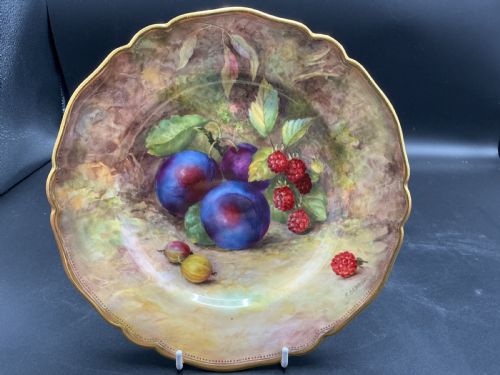
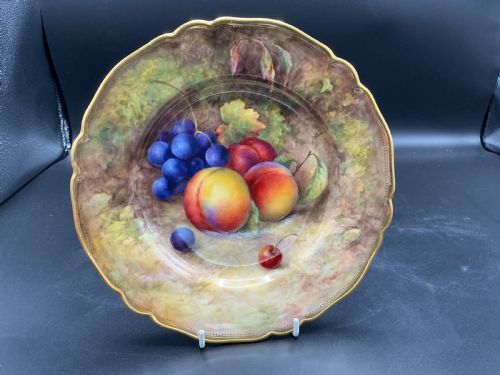
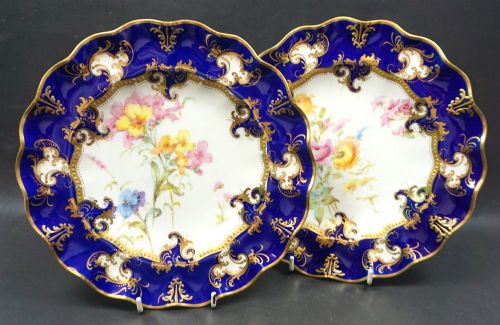
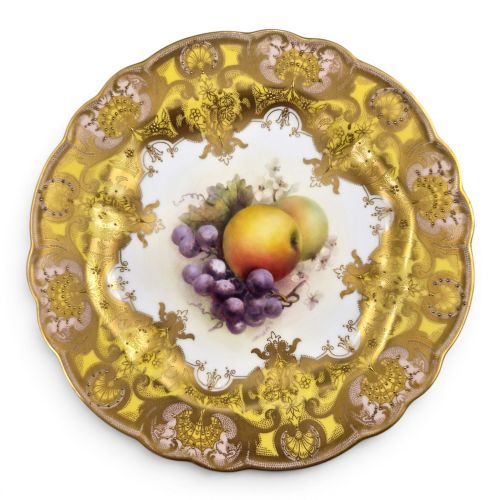
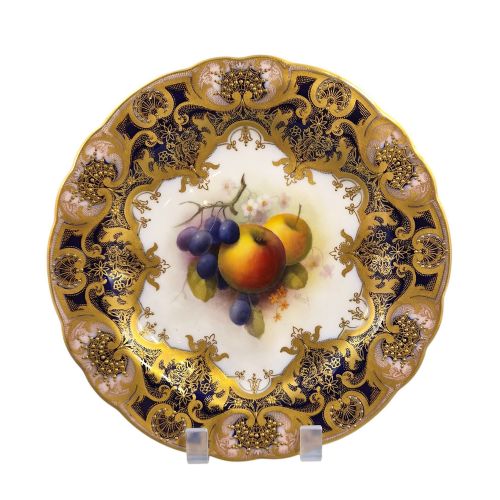
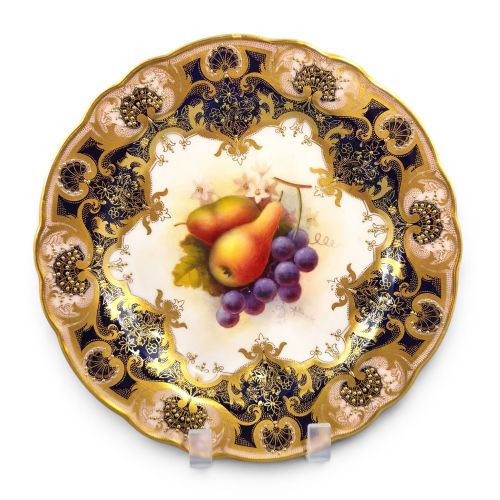
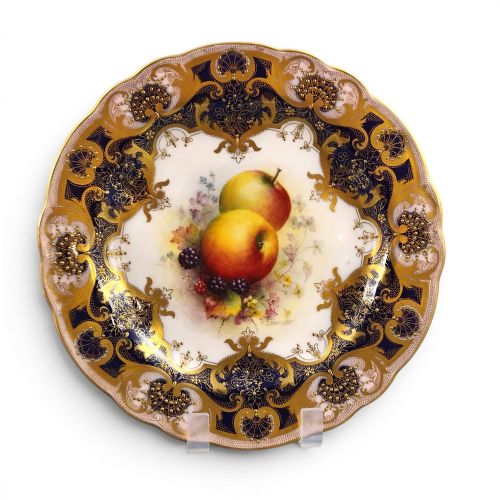
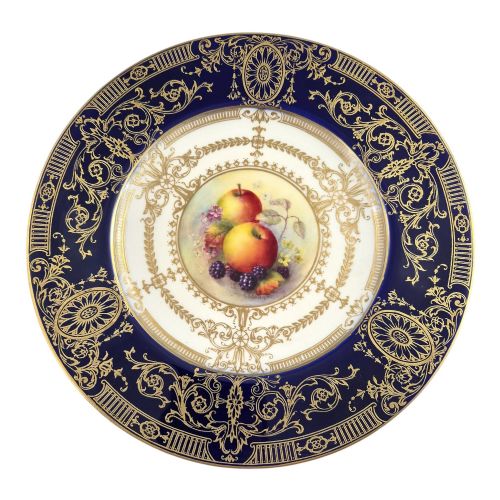
Gilded China Display Dish
When you search for a gilded china display dish, you are looking at fine porcelain plates and trays enriched with gold leaf for visual impact.
Gilded China Display Dish
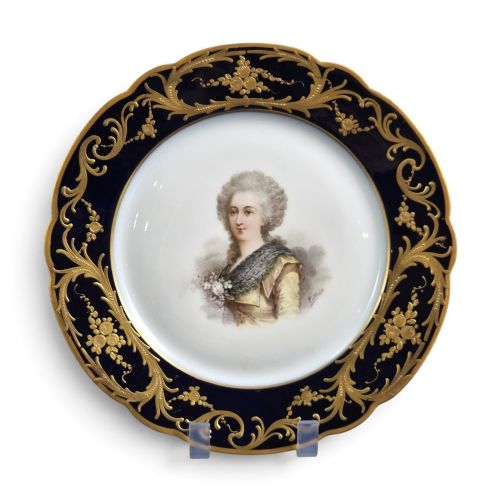
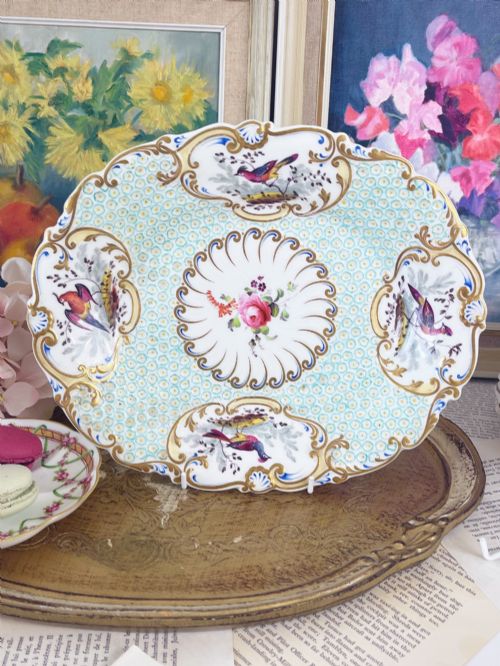
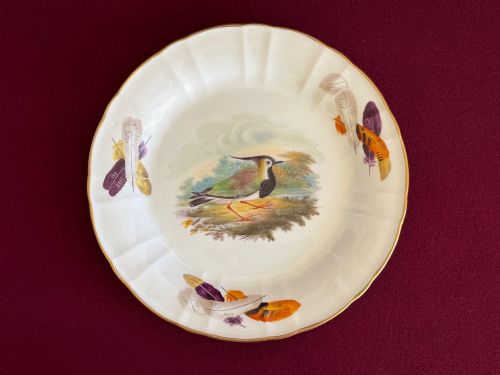
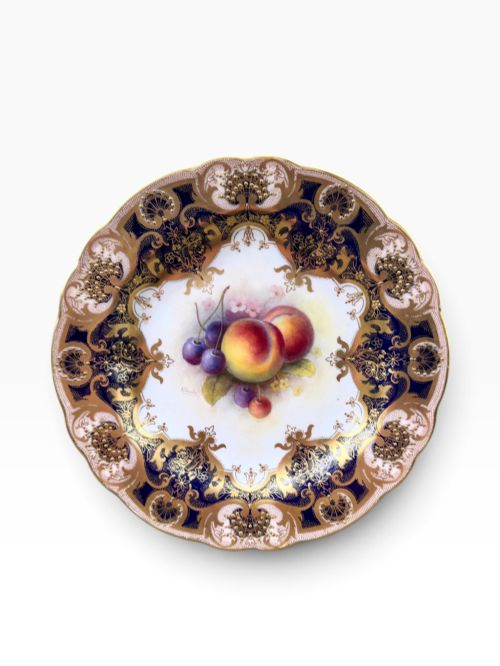
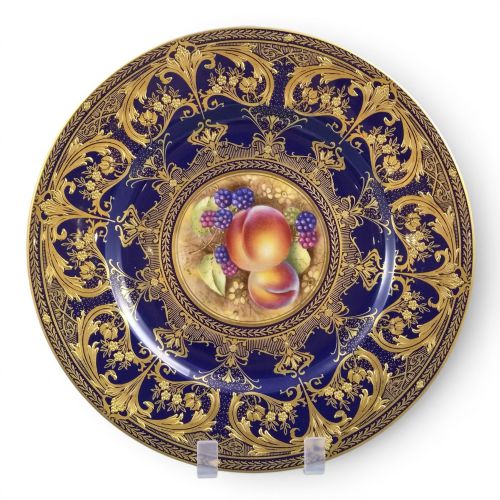
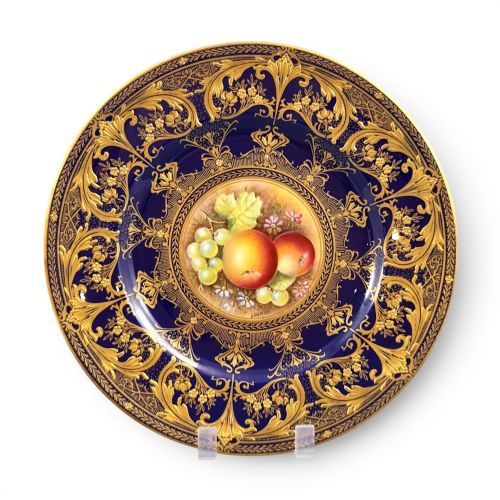
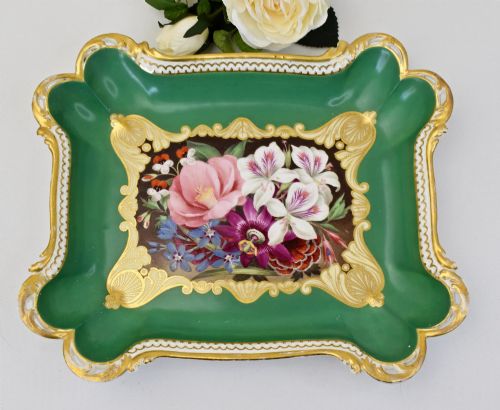
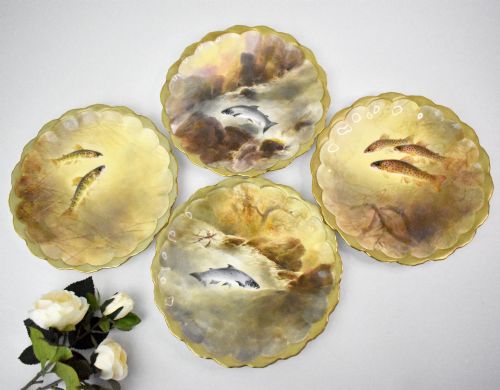
A gilded china display dish encompasses cabinet plates, decorative platters, and serving dishes created from porcelain and bone china. These items were designed primarily for ornamental display in cabinets or on sideboards rather than for everyday dining.
The selections span from the Georgian period through the 19th Century, Edwardian era, and into the mid-20th century. You will frequently encounter formal cabinet plates adorned with handpainted subjects and metallic gilding originating from English and European factories.
How they were made
Makers utilised fine porcelain and bone china as the ceramic base, shaped into plates, trays, and dishes before firing in kilns. Artisans applied handpainted details using enamel and paint to create intricate floral, landscape, and portrait subjects.
Gilding and gold leaf were applied by hand to borders, rims, and motifs, often requiring multiple firings to bond the precious metal to the glazed ceramic surface. Tooling was frequently used on the gold elements to create textured or patterned light-reflecting effects.
Listings feature porcelain forms spanning the 18th Century through the 1960s, incorporating Bone China, Enamel, and Gold Leaf.
What varies in quality
The artistry of the handpainted decoration dictates the primary tier of distinction, with signed works by known ceramic painters commanding greater attention than generic factory output. The precision and delicacy of the brushwork reveal the hand of a skilled artist.
The application and tooling of the gilding set pieces apart, where heavy, burnished gold leaf demonstrates superior craftsmanship compared to flat, printed metallic finishes. The baseline purity of the porcelain body and the crispness of the moulding also define the upper tier.
Royal Worcester·Coalport·Royal Crown Derby·Flight, Barr & Barr·Kornilov Brothers
The Gilded China Display Dish Glossary
- Cabinet plate
- A decorative plate intended for display in a glass-fronted cabinet rather than for serving food. These pieces typically feature elaborate handpainted scenes and rich gilding.
- Bone china
- A type of soft-paste porcelain composed of bone ash, feldspathic material, and kaolin. It offers high mechanical strength and a brilliant white translucency.
- Gilding
- The application of gold leaf or powder to a ceramic surface. It provides a decorative metallic border or accent.
- Enamel
- A decorative glass-like substance fused to the ceramic body through firing. It supplies vibrant, permanent colour to painted motifs.
- Armorial
- A design incorporating a family crest or coat of arms. These bespoke elements indicate commissioned porcelain made for specific aristocratic or wealthy patrons.
Gilded China Display Dish: Frequently Asked Questions
What is a gilded china display dish used for?
These decorative items were intended for visual display in reception rooms, drawing rooms, or specialised display cabinets. They showcased the wealth, taste, and social standing of the owner through fine art and precious materials.
Rather than serving food at the dining table, owners placed them on stands or hung them on walls to highlight the handpainted artistry and gold embellishments. They functioned as conversation pieces in elite Victorian and Edwardian interiors.
How can I tell different periods apart?
Georgian and Regency pieces often feature classic botanical motifs, armorials, or neoclassical designs with refined, restrained gilding. The paste weight and hand-mixed palette help distinguish these early items from later productions.
Victorian and Edwardian examples lean towards richer, heavier gilding, elaborate cobalt borders, and elaborate naturalistic fruit or portrait paintings by named artists. Mid-century items often show simpler rope-edge moulding while retaining traditional handpainted subjects.
Were these dishes meant for dining?
Cabinet plates and display dishes were strictly ornamental, created to demonstrate high-status craftsmanship and artistic skill. Their delicate painted surfaces and raised gold work were vulnerable to cutlery scratching.
While some historical dessert plates saw actual use at formal banquets, those heavily adorned with intricate gilding and fine portraiture remained securely in display cabinets.