


Gilded Ceramic Wall Plaques
Gilded ceramic wall plaques bring painted porcelain and rich metallic leaf together for interior display, offering classical scenes and fine portraits.
Gilded Ceramic Wall Plaques
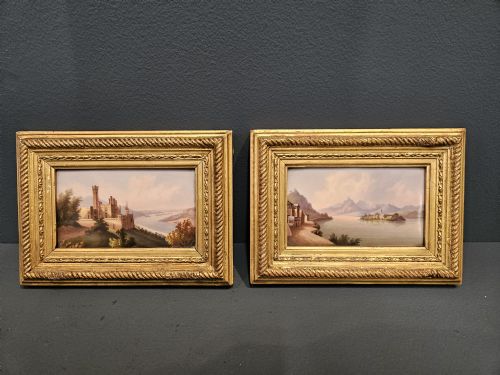
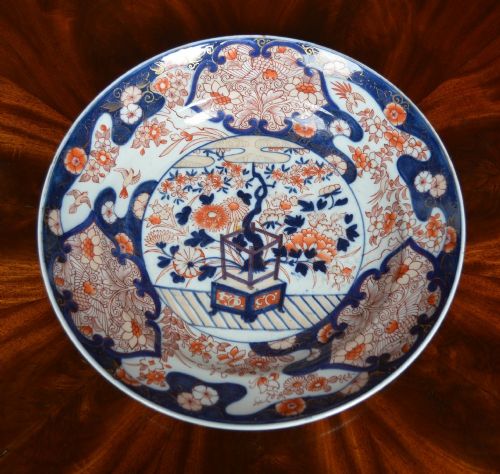
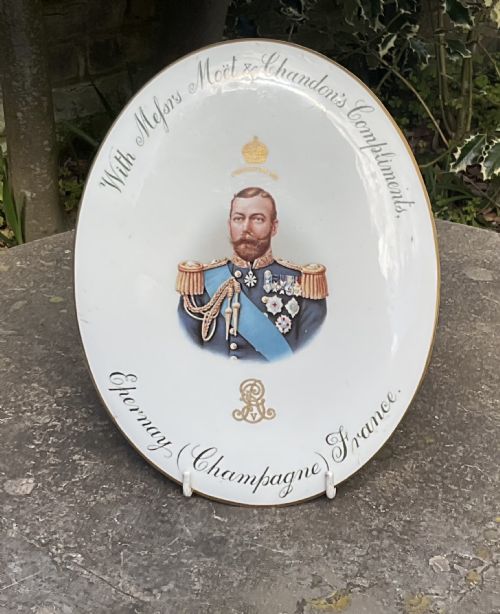
These items comprise painted porcelain surfaces, chargers, and cabinet plates adapted for display, often mounted in frames or fitted with hanging mounts. Gilded ceramic wall plaques appear frequently from the nineteenth century, including Victorian, Edwardian, and Meiji period examples.
Makers and factories represented include Vienna, Royal Vienna, KPM, Sevres, Mintons, and Royal Worcester. Buyers encounter both single decorative plates and paired plaques designed for domestic wall hanging.
Evaluating quality and execution
The standard of painted detail in figural subjects and portraits dictates the overall quality of the piece. Fine brushwork depicting mythological or historical narratives requires high skill from the porcelain painter.
The application and preservation of the gold leaf or gilding affect visual impact. Mounting quality, such as carved wood frames or ormolu surrounds, adds distinction to the ceramic plaque.
Salesmen carried miniature sample jug plaques in the nineteenth century, letting buyers inspect factory patterns from a pocket.
Royal Vienna·KPM·Sevres·Mintons·Royal Worcester
The Gilded Ceramic Wall Plaques Glossary
- Charger
- A large decorative plate intended for display rather than table service. These form a major portion of the wall-hanging ceramic selection.
- Pate-sur-pate
- A ceramic decoration technique where layers of liquid clay slip are built up on a contrasting body to create a low relief design. This method produces delicate cameo-like imagery.
- Cabinet plate
- A decorative ceramic plate produced for display in a cabinet or on a wall. They frequently feature detailed hand-painted scenes.
- Ormolu
- Gilded bronze mounts used to frame or support ceramic plaques. This metalwork enhances the decorative presentation of the porcelain.
Gilded Ceramic Wall Plaques: Frequently Asked Questions
How do I hang a heavy ceramic charger safely?
Heavy chargers require specialised spring-loaded brass wall hangers that distribute the weight evenly around the rim without putting pressure on the centre.
Ensure the wall fixing uses a proper screw and plug into solid masonry or a stud rather than plasterboard alone.
What is the difference between a cabinet plate and a wall plaque?
Cabinet plates retain a traditional flat or shallow dish form with a defined rim, originally meant for display on furniture or shelves.
Wall plaques are often specifically shaped for hanging flat against a surface, sometimes mounted directly inside a dedicated frame or ormolu mount.
How should I clean gilded porcelain plaques?
Dust the surface gently with a dry, soft feather duster or a clean artist's brush to remove loose particles.
Avoid liquid cleaners, chemical solvents, or abrasive cloths, as these can damage delicate hand-painted enamel and wear away the gold leaf.
How do I identify nineteenth century Vienna porcelain?
Nineteenth-century Vienna pieces often feature blue shield or beehive marks on the reverse alongside painted titles of classical or mythological subjects.
They are characterised by rich gilding and finely executed figural painting depicting historical or literary scenes.