


Gold Framed Porcelain Plaques
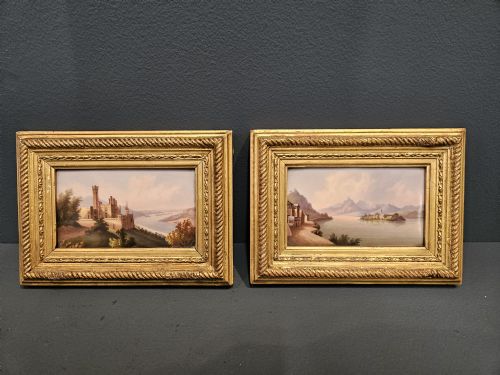
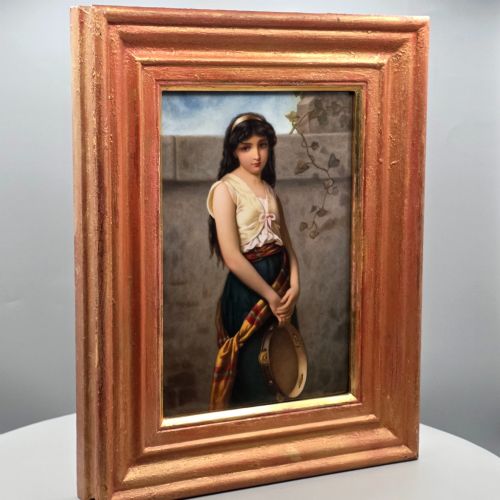
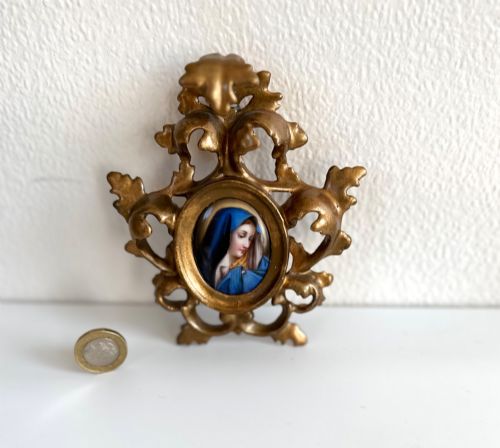
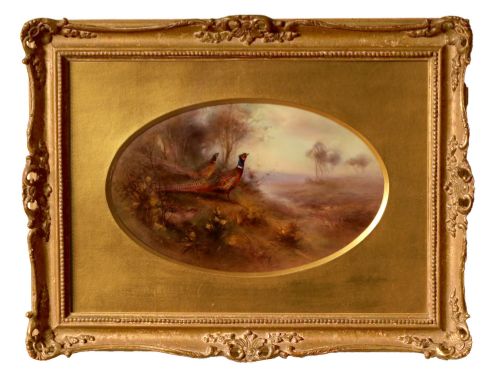
Gold framed porcelain plaques are hand-painted ceramic panels set within giltwood, gilt metal or wood surrounds, offering rich decorative depth to a wall.
Gold Framed Porcelain Plaques
Gold framed porcelain plaques are decorative panels of fired ceramic painted with portraits, mythological scenes, and figurative subjects, enclosed within ornate gilt surrounds. When exploring gold framed porcelain plaques, buyers encounter works ranging from small Victorian miniatures to large nineteenth-century factory panels.
The objects combine painterly artistry with ceramic manufacture, utilising porcelain as a durable canvas for detailed enamel work. Most pieces originate from the nineteenth century, reflecting Victorian, Edwardian, and revivalist interior tastes for European craftsmanship.
Makers utilised porcelain bodies from renowned factories such as Berlin KPM, Royal Worcester, and Sevres, mounting the finished panels into protective glazed frames of wood, giltwood, and ormolu. These works function primarily as wall art or tabletop display pieces.
How they were made
The creation of gold framed porcelain plaques began with the moulding and high-temperature firing of fine white ceramic blanks, which provided a smooth, non-porous ground for the artist. Painters applied mineral pigments and enamel colours by hand, firing the panel multiple times to fuse the pigments permanently into the glaze.
Listings feature nineteenth-century porcelain plaques mounted in giltwood, wood, and ormolu frames.
What varies in quality
The artistic mastery of the hand-painted scene dictates the standing of each piece, distinguishing factory-standard output from superior studio execution. Works signed by known artists or originating from principal manufactories command greater recognition for their fine brushwork and detailed expression.
The physical housing contributes significantly to the overall merit, with deeply carved giltwood or cast ormolu frames enhancing the ceramic centrepiece. Preservation of both the delicate enamel pigments and the original framing materials determines the integrity of the finished object.
James Stinton·William Rayworth·H. Desprez
The Gold Framed Porcelain Plaques Glossary
- KPM
- Konigliche Porzellan-Manufaktur Berlin, a prominent Prussian porcelain factory renowned for large, finely painted plaques. Their output often depicted classical subjects, historical portraits, and literary scenes.
- Pate sur pate
- A ceramic technique where slip is built up in successive layers on a contrasting body to create a low-relief cameo effect. Minton utilised this method to produce detailed white reliefs against coloured backgrounds.
- Ormolu
- Gilded bronze or brass used for decorative mounts and furniture trimmings. In these pieces, ormolu frequently forms the ornate borders and stands supporting the porcelain panels.
- Giltwood
- Wood that has been coated with gold leaf or gesso and then gilded. Frames made in this manner provide a rich, reflective border suited to nineteenth-century display tastes.
- Enamel
- Vitreous material fused to the surface of porcelain during firing to create durable, coloured designs. Artists relied on enamel paints to achieve vibrant tones that resisted fading over time.
Gold Framed Porcelain Plaques: Frequently Asked Questions
How do I hang a porcelain plaque safely?
Ensure the wall fixing is secure and matched to the weight of the timber and gilt frame.
Check that the hanging wire or integrated brackets on the back of the frame remain structurally sound before mounting.
What periods do these plaques come from?
The pieces span the nineteenth and early twentieth centuries, encompassing Victorian, Edwardian, and revivalist periods.
Nineteenth-century examples from European factories like Berlin KPM appear frequently alongside later British works.
Are all porcelain plaques signed by artists?
Many fine pieces feature signatures or factory marks, though numerous examples remain unsigned.
Known painters such as James Stinton and William Rayworth marked their ceramic panels, while factory ciphers often identify Berlin KPM or Sevres-style pieces.
How should I clean the frame and porcelain?
Dust the giltwood or ormolu frame gently with a dry, soft brush to avoid disturbing the gilded surface.
Clean the glass protecting the plaque with a minimal amount of glass cleaner applied to a cloth rather than sprayed directly.