



Gilded Ceramic Serving Bowl
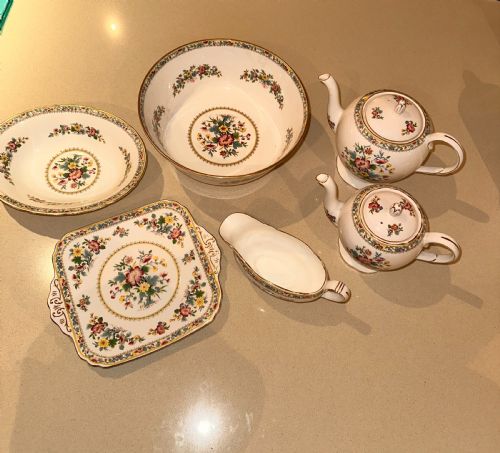
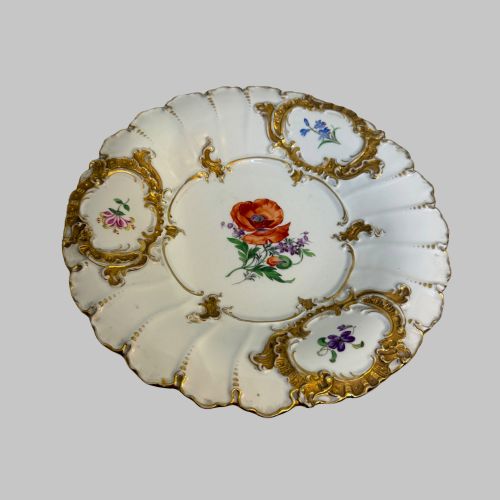
These gilded ceramic serving bowl examples combine utilitarian porcelain and earthenware forms with rich surface gilding across several centuries.
Gilded Ceramic Serving Bowl
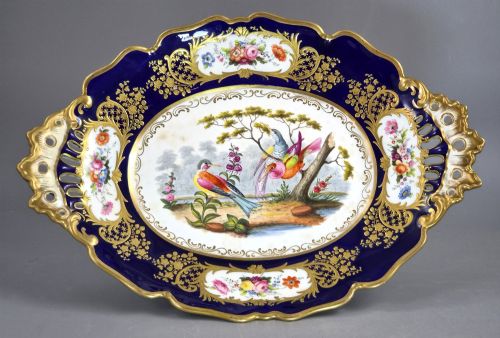
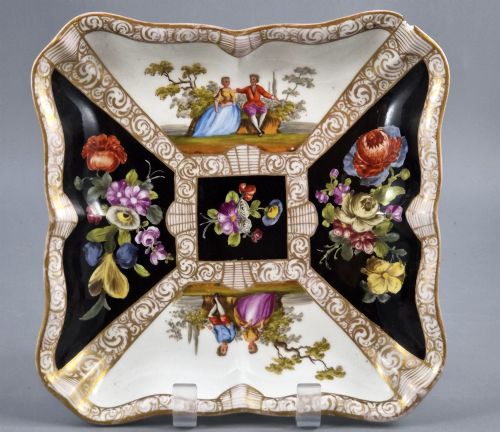
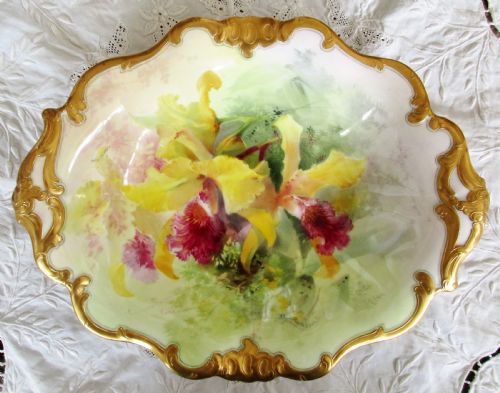
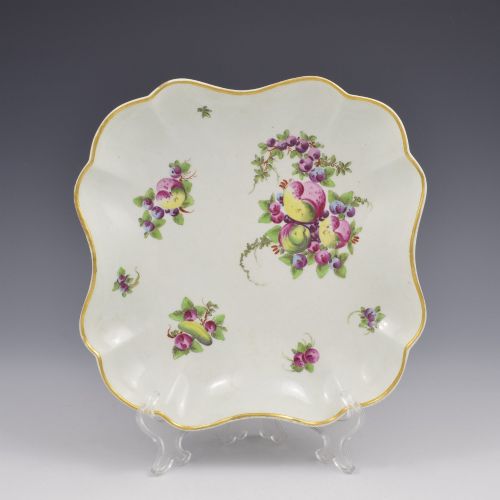
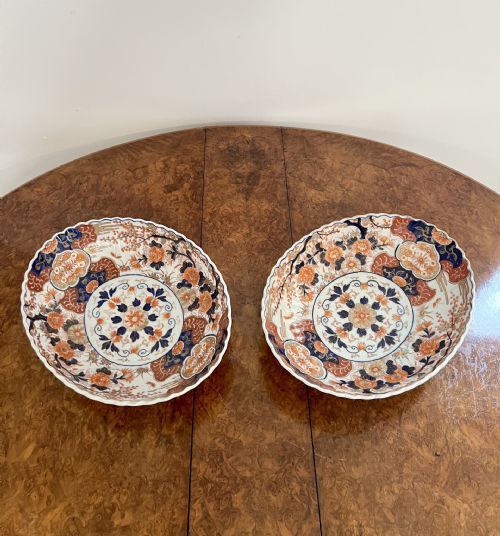
The aesthetic traditions represented in these listings cross international boundaries, including traditional English patterns, Rococo Revival styling, Victorian taste, and Japanese Meiji period Imari porcelain. Makers and decorators working in Germany, France, and Britain produced these items for formal dining and cabinet display. The variety extends from botanical serving dishes and bird motifs to hand-painted floral bouquets and armorial designs.
Materials and construction
Makers utilised fine ceramic bodies, including dense ironstone and translucent porcelain, shaped into tureens, oval dishes, and deep bowls. These ceramic forms frequently received hand-painted underglaze and overglaze decoration depicting birds, flowers, and scenic views.
Gold leaf, gilding, and gilt accents were meticulously applied to rims, handles, and borders to highlight the moulded contours and sculptural details of the porcelain and ironstone bodies.
Listings feature hard-paste porcelain, ironstone, and enamel materials across eighteenth-century and nineteenth-century forms.
Assessing quality in ceramic vessels
Quality reveals itself in the precision of the hand-painted details, such as botanical accuracy in floral studies or the crispness of Watteau scenes and bird motifs. Superior pieces demonstrate exceptional control in both the ceramic forming and the application of gold leaf.
The weight, resonance, and translucency of the porcelain body, alongside the durability of the gilt highlights, distinguish standard production wares from pieces originating in premier European and Asian workshops.
Coalport·Meissen·Royal Doulton·Paul Müller Selb·Doulton Burslem·Royal Worcester·Mason’s·Edm'e Samson·Coalbrookdale
The Gilded Ceramic Serving Bowl Glossary
- Ironstone
- A heavy, durable type of earthenware patented in the nineteenth century. It provided a robust alternative to porcelain for heavy-use serving dishes and tureens.
- Hard-paste porcelain
- A true ceramic composition fired at very high temperatures. This material yields a dense, vitreous body that resists scratching and absorbs no moisture.
- Gilding
- The application of gold leaf or gold powder to the surface of ceramics. This technique accentuates rims, handles, and painted scenes.
- Tureen
- A deep covered bowl designed for serving soups, stews, or made dishes at the dining table. They frequently include matching stands.
- Imari
- A style of Japanese porcelain featuring a distinctive palette of underglaze blue, iron red, and gold. These wares were widely exported and later emulated in the West.
Gilded Ceramic Serving Bowl: Frequently Asked Questions
Can I use these bowls for serving food?
Most antique serving bowls and tureens remain structurally sound for occasional dining use. Hand-washing after use preserves the historical glazes and overglaze enamel work.
Consider the presence of older metallic leaf or age-related crazing before serving moist foods. Many collectors prefer to exhibit these pieces safely in cabinets.
What is the difference between porcelain and ironstone?
Porcelain is a vitrified ceramic material that is typically thin and translucent when held to the light. It offers a refined surface suited for detailed hand-painted cabinet dishes.
Ironstone is an opaque, heavy earthenware developed for utilitarian strength. It provides a thicker, more durable body for large tureens and heavy serving dishes.
How do I identify the period of a bowl?
Examine the base of the vessel for maker marks, impressed ciphers, and painted factory numbers. These symbols often correspond to specific operational dates for factories like Coalport or Meissen.
Stylistic clues such as Rococo Revival moulding or Aesthetic Movement palettes also point toward specific decades. Compare the hand-painting style against documented examples from known periods.