





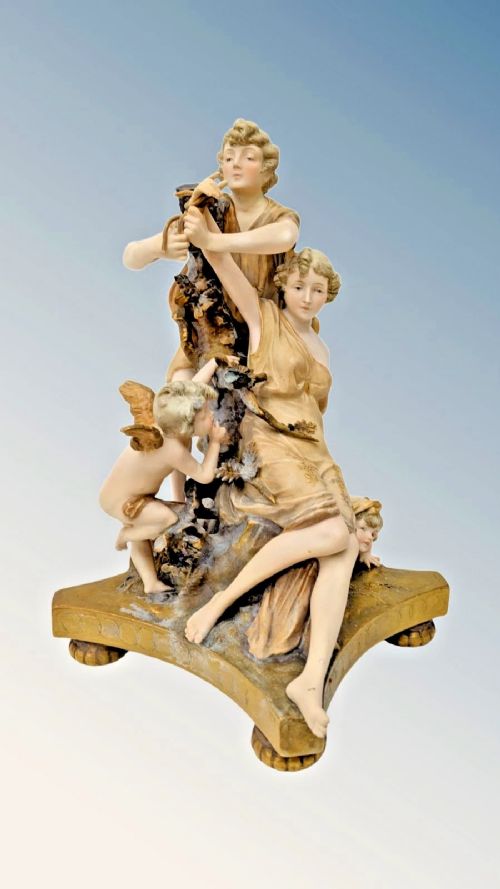
Gilded Ceramic Sculpture
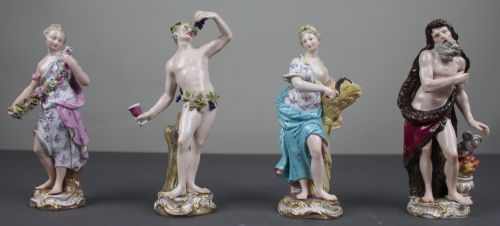
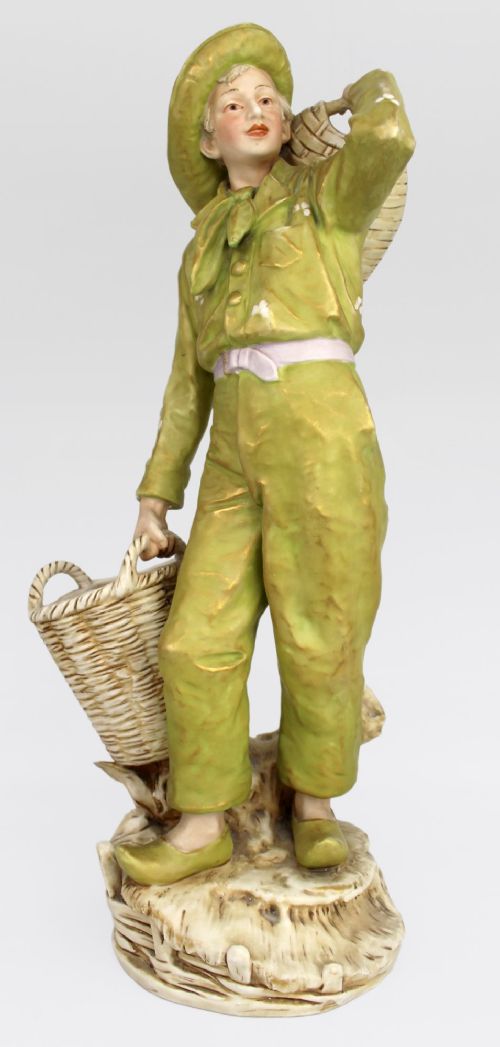
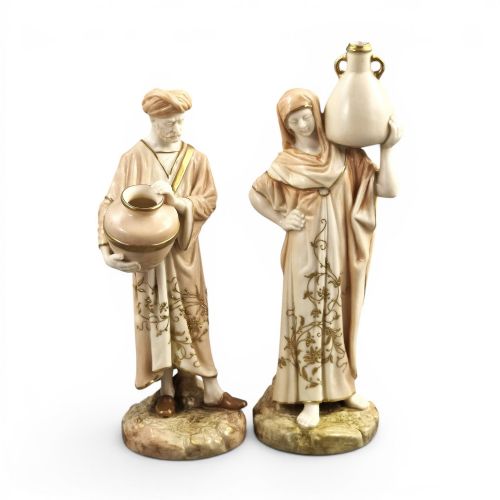
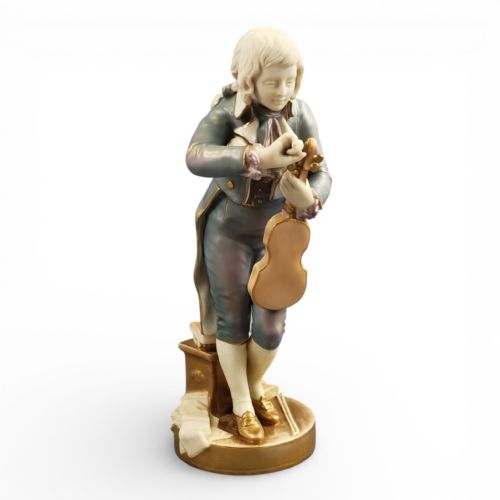
These gilded ceramic sculpture examples bring together elaborate porcelain figures and glazed earthenware decorated with gold leaf from the eighteenth century onwards.
Gilded Ceramic Sculpture
A gilded ceramic sculpture combines fired clay, earthenware or hard-paste porcelain with applied gold leaf, gilt or glaze highlights. When you search for gilded ceramic sculpture, you encounter figures, groups and small vessels originating from European manufactories and Japanese kilns.
The pieces on this page span the eighteenth, nineteenth and early twentieth centuries, covering periods from the Georgian era through to Art Deco. Common forms include allegorical figures, mythological groups, animal models and human subjects executed in styles ranging from Rococo and Neoclassical to Art Nouveau and Meiji period Japanese design.
European examples frequently display painted enamel details alongside gilded surfaces, while Japanese pieces often utilise moriage decoration or intricate painted robes. The selection encompasses both domestic mantelpiece ornaments and large sculptural models produced by established potteries.
How they were made
Makers shaped these works from hard-paste porcelain, earthenware or bisque ceramic, often casting figures in moulds before hand-finishing details such as lace, hair and facial expressions. Glaze was applied to seal the ceramic body, creating a smooth or lustrous base for subsequent painting and metallic decoration.
Gilding was added using gold leaf or liquid gilt applied over the fired glaze or enamel, then fixed by a secondary low-temperature firing or left as a burnished surface. Enamel colours were painted onto the porcelain body in layers, requiring multiple kiln firings to set the pigments permanently alongside the metallic highlights.
Listings feature works from the eighteenth-century Meissen and Derby factories alongside Victorian Royal Worcester earthenware and late Meiji Japanese Kutani porcelains.
What varies in quality
The application of gold leaf or gilt determines the finish, where even burnishing and complete adhesion distinguish the work of major factories from simpler production pieces. The complexity of the original design, such as intricate lace work or elaborate sculptural drapery, also separates standard items from exceptional studio pieces.
Meissen·Royal Worcester·Makuzu Kozan II·Ernst Bohne Sohne·Achille Mollica
The Gilded Ceramic Sculpture Glossary
- Hard-paste porcelain
- A dense, vitrified ceramic composed of kaolin and petuntse that fires at very high temperatures. It provides a durable, bright white body commonly utilised for European figurines.
- Gilding
- The application of gold leaf or powdered gold to the surface of a ceramic object. This technique accentuates specific details such as garments, frames and bases.
- Moriage
- A Japanese ceramic decorating technique where slip is piped onto the surface to create raised patterns. These raised areas are frequently painted and gilded.
- Bisque
- Unglazed ceramic fired once to a porous state. It offers a matte, marble-like texture favoured for nineteenth-century portrait busts and figures.
- Enamel
- Vitreous coloured glass fused to the ceramic surface during firing. It provides vibrant, permanent colour decoration beneath or over the glaze.
Gilded Ceramic Sculpture: Frequently Asked Questions
How do I clean a gilded ceramic sculpture?
Dust the surface gently with a soft, dry brush to prevent accumulation in crevices and delicate painted areas. Avoid liquid cleaners and abrasive cloths, as moisture and friction can damage fragile enamel pigments and wear away the fine gold leaf highlights.
Keep pieces away from direct sunlight and areas subject to sudden temperature changes. Stable indoor conditions protect the ceramic body and prevent any stress on old glaze layers and historical repairs.
Where were most nineteenth-century figures made?
European production centred on established regional kilns in Germany, France and Britain, alongside specialised workshops in Japan. Factories such as Meissen and Royal Worcester dominated European output with elaborate porcelain figures and decorated earthenware.
Japanese pieces from the same era originated primarily in Kutani and Satsuma kilns. These regional centres produced distinct decorative styles featuring intricate hand-painted enamels and raised gold work.
How can I tell an eighteenth-century piece apart from a later copy?
Early pieces exhibit the distinct weight, paste consistency and hand-mixed enamel palettes characteristic of eighteenth-century firing techniques. Examination of the unglazed base, known as the foot rim, often reveals the texture of the raw paste and early kiln marks.
Later revival pieces and copies frequently display more uniform body compositions and machine-mixed colours. Comparing the sharpness of the modelling and the style of the base marks against documented factory standards helps confirm the period.
Were these sculptures meant to be functional?
Most figurines and sculptural groups served entirely as decorative ornaments for mantelpieces, drawing rooms and display cabinets. They functioned as conversation pieces reflecting classical mythology, allegorical themes or contemporary literary subjects.
Certain forms combined sculpture with utility, such as jardinières designed to hold plants or decorative bowls integrated into figural groups. Even these functional objects placed primary emphasis on sculptural form and painted detail rather than everyday use.