



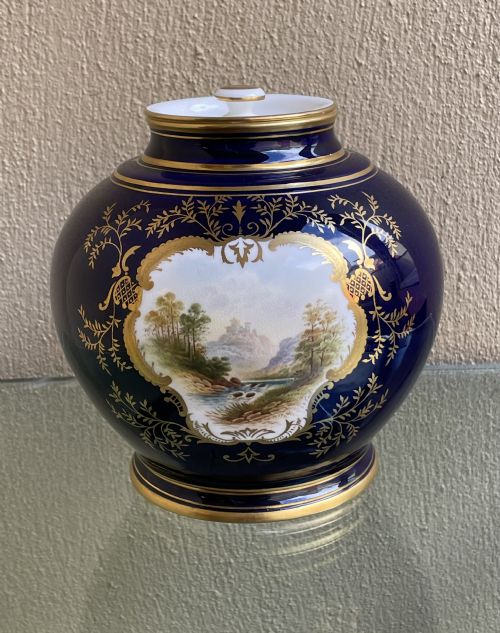


Gilded Ceramic Ginger Jars
These gilded ceramic ginger jars bring rich colour and metallic warmth to a room, offering both decorative presence and historic utility.
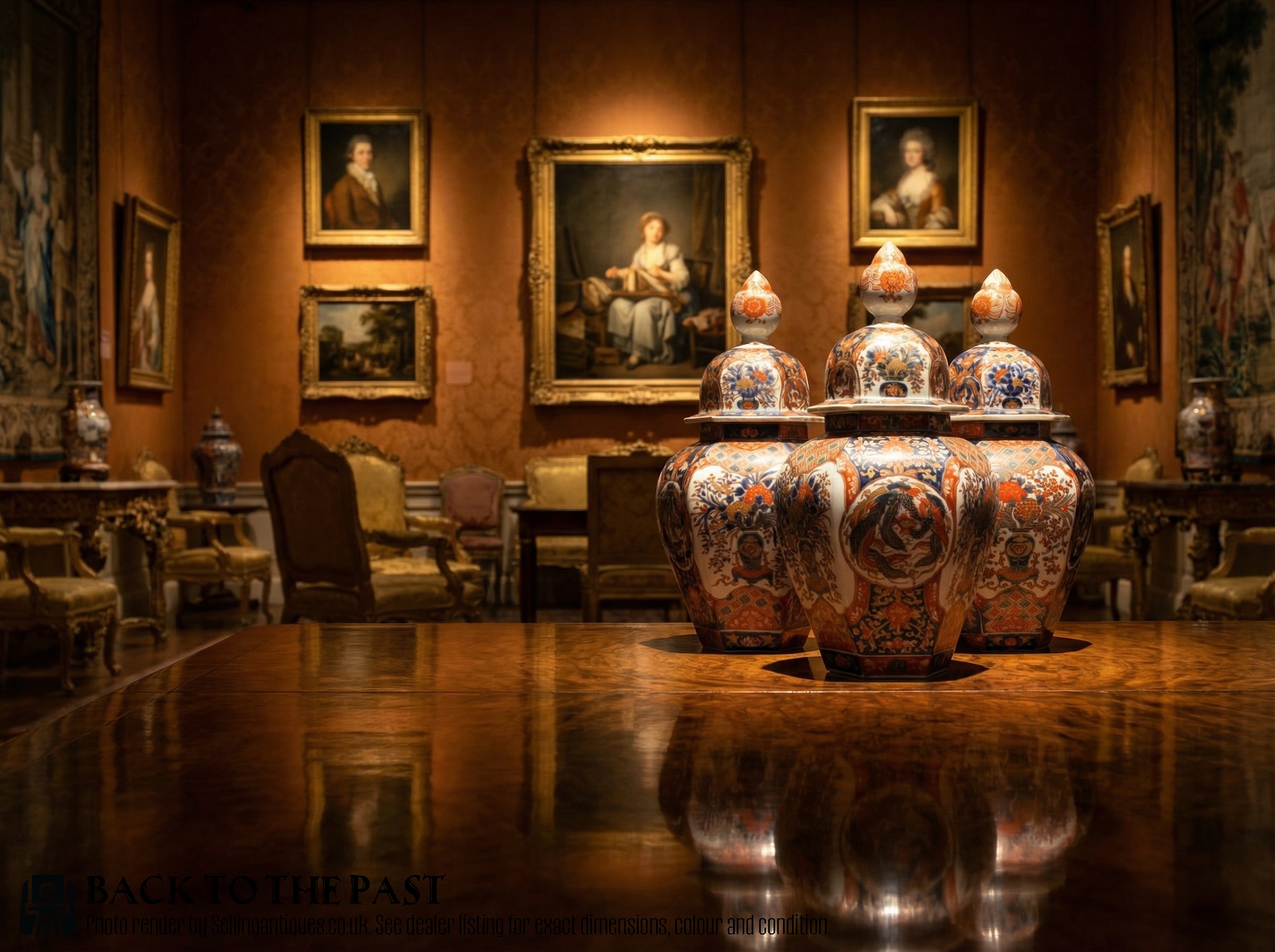
Gilded Ceramic Ginger Jars
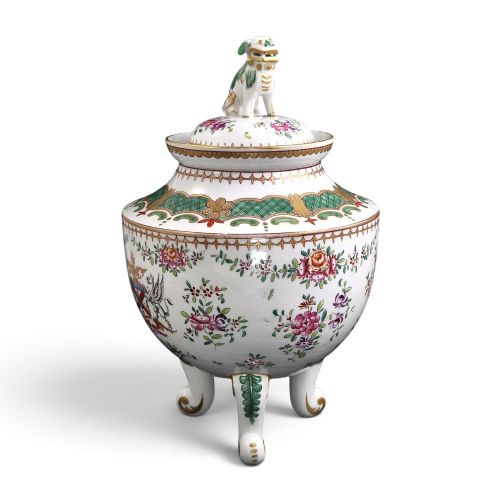
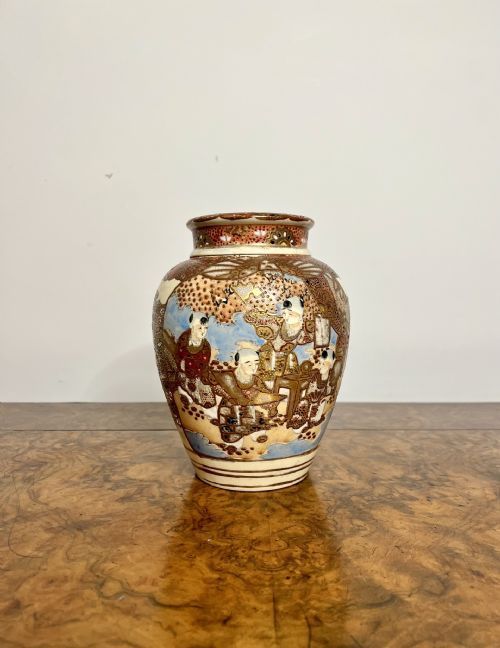
Gilded ceramic ginger jars are covered vessels originating from Asian and European traditions, designed originally to store spices before evolving into pure display items. When you search for gilded ceramic ginger jars, you encounter pieces ranging from nineteenth-century Japanese Satsuma and Imari wares to European manufactories adopting Asian decorative styles.
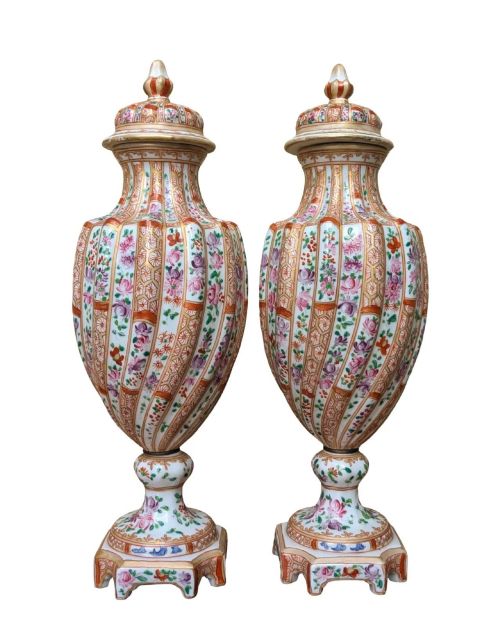
The selections span distinct periods, including Victorian, Edwardian, and mid-twentieth-century examples. Forms include traditional lidded jars, tea caddies, and vases adapted into lamps, often retaining their original covers.
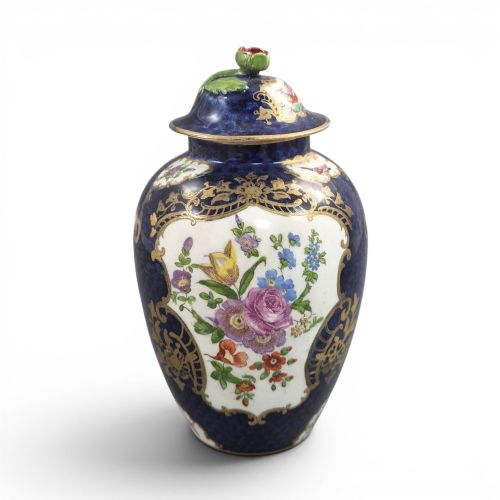
Japanese Satsuma and Imari pieces dominate the aesthetic alongside English earthenware and porcelain from makers like Coalport, Royal Worcester, and Booths. Buyers meet both grand pairs intended for mantelpieces and smaller cabinet pieces decorated with enamel and gold leaf.
Materials and construction
Potters shaped these vessels using porcelain, earthenware, and ironstone bodies before applying detailed enamel paints and gold leaf or liquid gilding. Kiln firing fixed the base glazes and underglaze blues, after which artisans added overglaze enamels and metallic highlights in subsequent low-temperature firings.
Japanese workshops utilised fine earthenware with intricate crackle glazes, while European factories employed hard-paste porcelain and bone china. Wood and fabric elements appear in later adaptations, particularly when jars are converted into table lamps with fitted mounts.
Gilded Ceramic Ginger Jars Retail Price Guide 2026
Typical asking prices for gilded ceramic ginger jars among the pieces listed under this phrase on Sellingantiques today, from the lower quarter to the upper quarter. They describe what is for sale here now, not the wider market.
Japanese Imari and Satsuma styles appear alongside English earthenware from Victorian and Edwardian manufactories.
Evaluating the pieces
Quality rests in the crispness of the hand-painted details and the precision of the gilding applied to the ceramic surface. Superior examples display dense, deliberate brushwork in the enamel scenes, where gold leaf outlines figures, foliage, and geometric borders without bleeding into the background glaze.
The survival of the matching cover heavily influences the standing of a piece, as many lids suffered breakage over the decades. Weight, potting thickness, and the clarity of factory marks or artist signatures further distinguish standard production items from master-level works.
Samson Paris·Booths Silicon China·Coalport·Royal Vienna·Wolfsohn Dresden·Royal Winton·Royal Worcester·Carlton Ware
The Gilded Ceramic Ginger Jars Glossary
- Satsuma
- A type of Japanese earthenware featuring a pale, ivory-coloured crackle glaze decorated with enamel and gold. It originated in Satsuma Province and became popular for export during the Meiji period.
- Imari
- A style of Japanese porcelain named after the port from which it was shipped, traditionally characterised by a palette of underglaze blue, iron red, and abundant gilding.
- Ironstone
- A type of durable earthenware patented in the nineteenth century by English potteries as a resilient alternative to porcelain. It takes enamel colours and gilding well.
- Chinoiserie
- European artistic style reflecting Chinese motifs and decorative techniques, often applied by factories imitating Asian export wares during the nineteenth century.
- Enamel
- Vitrified glass paste applied over the fired ceramic glaze to introduce vibrant colours to the design. It sits slightly raised on the surface.
- Caddy
- A small jar or container originally used for storing tea leaves. Many examples feature fitted lids and flat or rounded shoulders.
Gilded Ceramic Ginger Jars: Frequently Asked Questions
What were ginger jars used for originally?
These vessels served to store and transport spices, salt, and ginger along trade routes from Asia to Europe. Merchants packed perishable goods inside them for long sea voyages.
Over time, Western households adopted the empty containers purely for display, valuing their decorative lids and colourful painted surfaces as interior ornaments.
How do I care for antique gilded ceramics?
Dust the surface gently with a soft, dry brush to prevent accumulating dirt in the textured enamel and gold leaf areas. Avoid using liquid cleaners or chemical solvents, which can damage delicate overglaze gilding.
Keep the pieces out of direct sunlight to protect the enamel colours from fading over years of display on mantelpieces or tables.
How can I tell Japanese Satsuma from Imari?
Satsuma pieces feature a distinctive ivory-coloured earthenware body covered in a fine network of crackle glaze, painted with densely packed figures and heavy gold. The palette tends towards earthy tones and rich gilding.
Imari wares use a hard porcelain body decorated primarily in underglaze blue and iron red, supplemented by bright gold highlights in geometric and floral patterns.
Are these jars waterproof?
Most antique ceramic and porcelain jars feature glazed interiors intended for dry storage rather than holding fresh water for cut flowers. Using them as vases risks moisture seeping into older earthenware bodies or damaging historic crackle glazes.
If you use a lidded jar as a lamp base or decorative container, keep the interior dry and clean to preserve the structural integrity of the ceramic.