



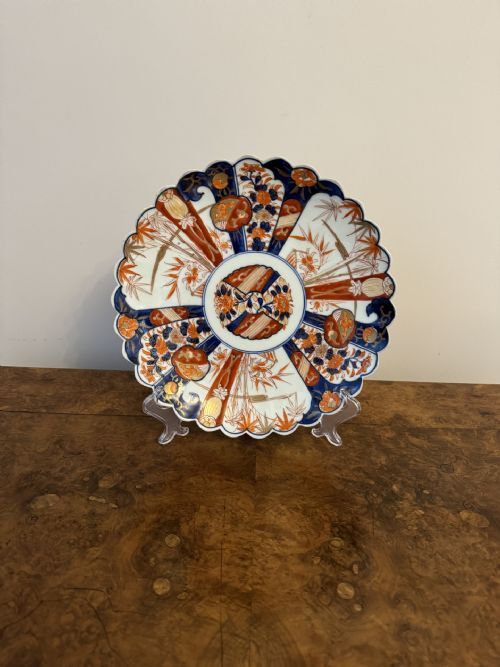
Gilded Ceramic Display Plates
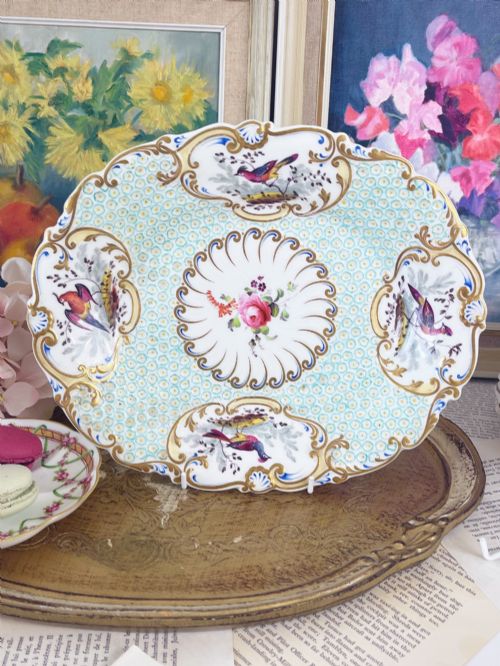
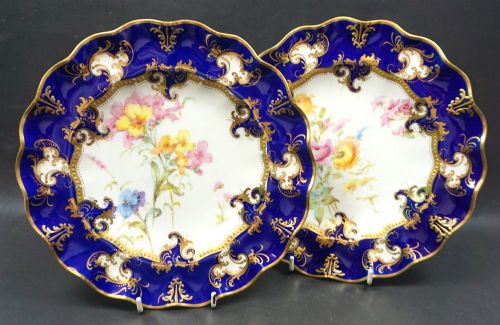
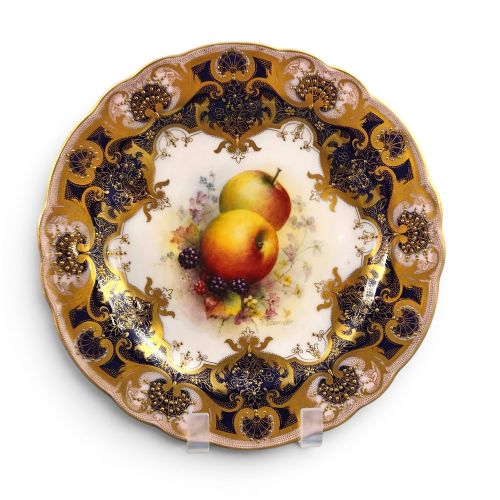
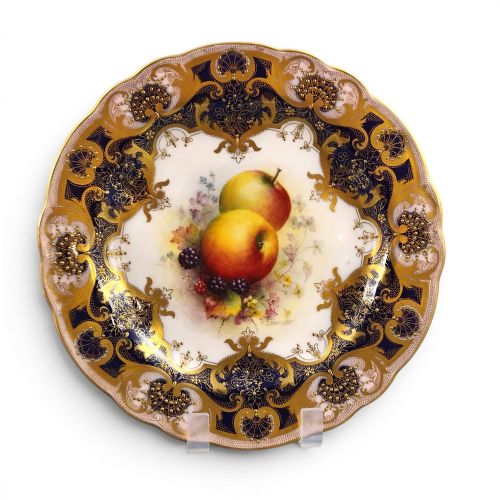
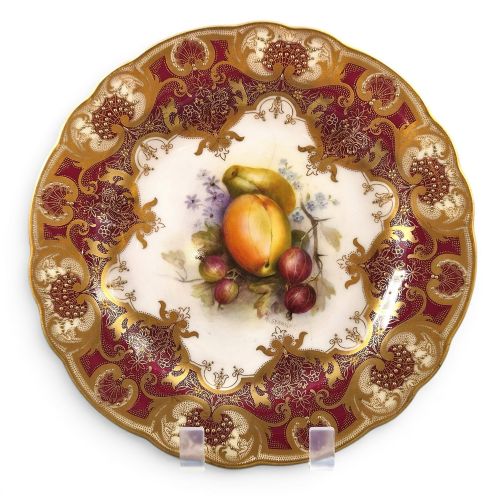
These gilded ceramic display plates bring together centuries of painted porcelain, earthenware and bone china accented with gold leaf.
Gilded Ceramic Display Plates
When searching for gilded ceramic display plates, collectors encounter diverse forms spanning decorative chargers, cabinet plates and dessert services. These pieces originate from European factories and Japanese kilns, shifting from Georgian elegance to Victorian ornamentation.
English works from makers like Royal Worcester and Minton sit alongside Japanese Imari chargers and continental porcelain. Cabinet plates and large platters dominate the selection, designed primarily for visual appreciation on walls or stands rather than dining use.
How they were made
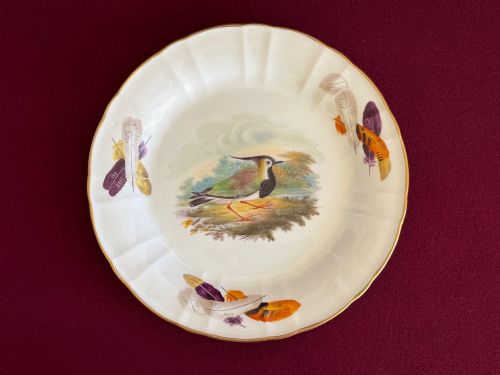
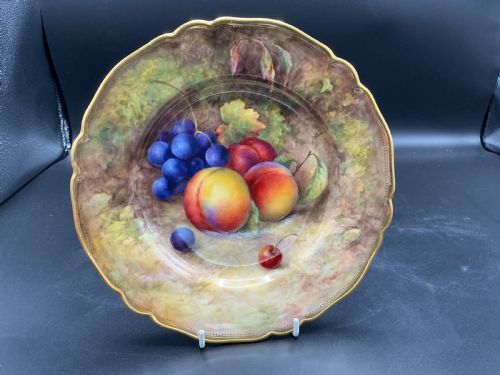
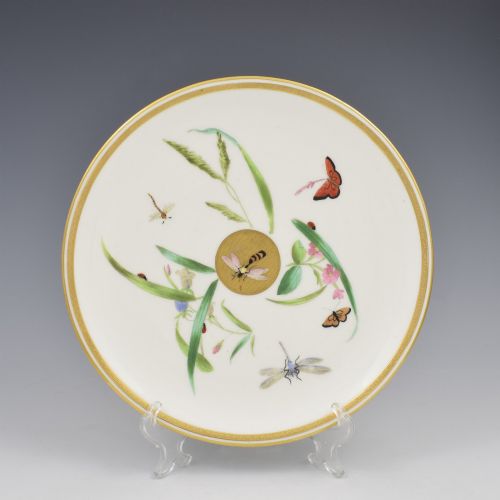
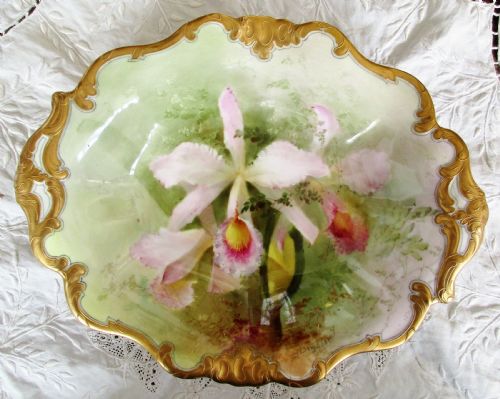
Ceramic bodies such as bone china, earthenware and hard-paste porcelain form the foundation of these items. Artisans applied hand-painted enamels depicting birds, fruit, and botanical scenes directly onto the glazed surface.
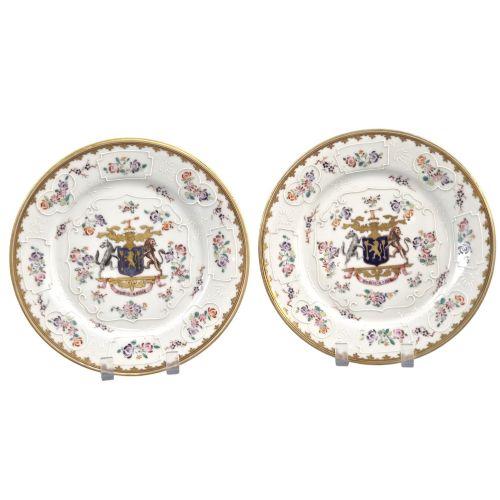
Gold leaf, gilt and traditional gilding techniques highlight rims, borders and central motifs. Kiln-firing fixed both the underglaze colours and the final metallic details onto the ceramic base.
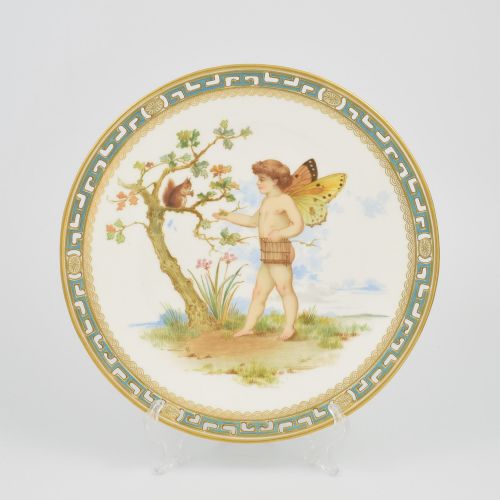
Fairies, squirrels and exotic birds frequently peer out from the gilded borders of these antique plates.
What varies in quality
The precision of hand-painted details separates standard factory output from masterworks signed by notable artists. Brushwork on botanical studies, figures and birds dictates the artistic merit of each plate.
The application and preservation of the gilding indicate the original grade of manufacture. Intricate pierced borders and unusual moulded shapes also distinguish superior pieces within any given period.
Royal Worcester·Royal Crown Derby·Royal Doulton·Meissen·Minton·Coalport
The Gilded Ceramic Display Plates Glossary
- Cabinet plate
- A decorative ceramic plate intended for display in a cabinet or on a wall rather than for everyday table service. These pieces frequently feature elaborate hand-painted scenes and gilded borders.
- Charger
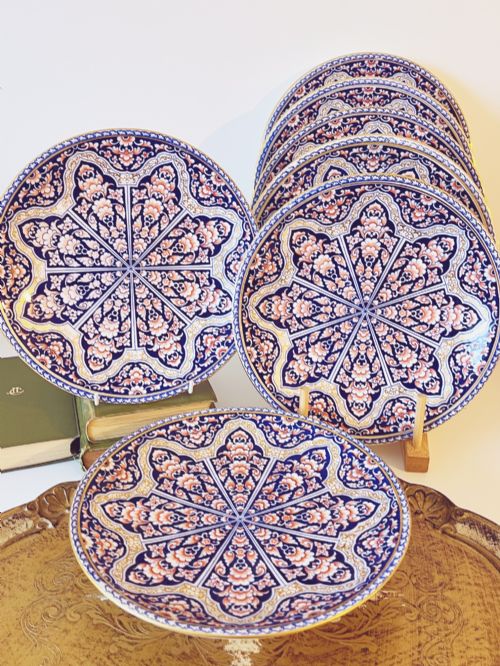
- A large ornamental plate utilised as a base setting or displayed centrally on a surface. Japanese Imari examples often take this impressive form.
- Bone china
- A type of porcelain incorporating bone ash, developed in England to create a strong, luminous white body. It readily accepts detailed enamel painting and rich gilding.
- Imari
- A traditional Japanese style of porcelain characterised by underglaze blue, iron red, and abundant gold highlights. Exported widely during the Meiji period and earlier.
- Reticulated
- Describes ceramics featuring openwork patterns cut into the clay body before firing. Pierced rims and borders demonstrate advanced skill by the potter.
Gilded Ceramic Display Plates: Frequently Asked Questions
How were display plates used?
Historically, cabinet plates and chargers served as decorative centerpieces in wealthy households, displayed on sideboards or mounted within specialised wall brackets.
Unlike utility tableware, these items were created to showcase artistic skill and wealth rather than to hold food during meals.
How do I hang a cabinet plate?
Modern collectors typically utilise coated wire spring hangers that grip the rim without damaging the ceramic body or the delicate gilding.
Ensure the wall fastening is secure, as heavier chargers and porcelain platters require robust support to prevent accidents.
How do I date antique porcelain?
Dating relies heavily upon factory backstamps, impressed marks, and painted registration numbers recorded by potteries throughout the nineteenth and early twentieth centuries.
Stylistic shifts, such as the transition from Neoclassical restraint to Aesthetic Movement asymmetry, also help narrow the decade of production.
Are these plates safe for food?
Antique display plates feature surface enamel colours and metallic gilding that may contain lead or other substances unsuited for modern culinary use.
Cleaning should remain strictly limited to gentle dusting or careful hand washing with lukewarm water, avoiding harsh detergents.