



Gilded Bronze Ornament
These gilded bronze ornament examples bring substantial weight and metallic lustre to any room, offering classic sculptural forms from centuries past.
Gilded Bronze Ornament
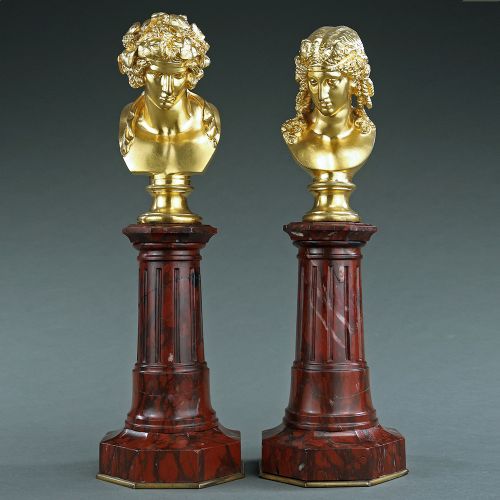
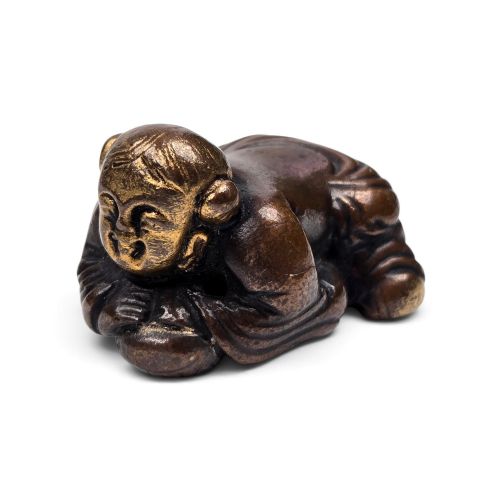
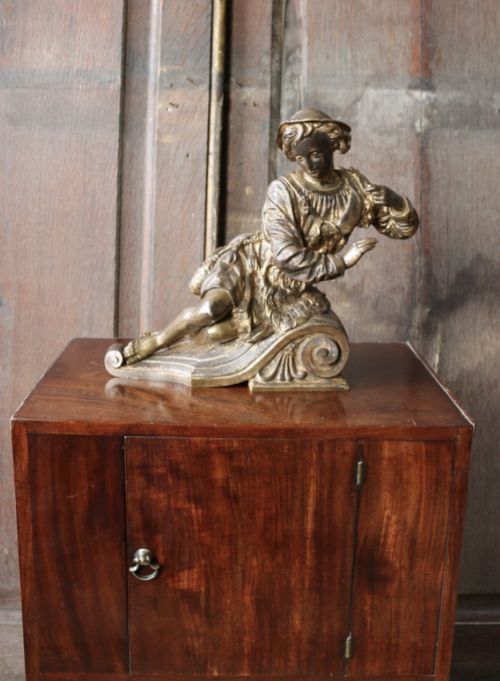
A gilded bronze ornament encompasses various sculptural objects, figures, and functional desk pieces finished with a golden surface. Buyers searching for a gilded bronze ornament will encounter diverse creations ranging from grand tour busts to animalier studies and art deco figures.
The selections span several centuries and styles, showing distinct French rococo, neoclassical, and art deco influences. Many pieces incorporate supportive bases in marble or onyx to anchor the heavy metal forms securely.
Practical items such as letter openers, inkwells, and fire dogs appear alongside pure statues and paperweights. These items reflect both decorative ambitions and everyday utility from the nineteenth and early twentieth centuries.
Materials and Techniques
The primary metal components rely on bronze, cast brass, and spelter shaped through traditional foundry methods. Artisans applied fire gilding or gold plating over the base metal to achieve a bright, enduring metallic finish.
Many sculptures incorporate contrasting natural elements such as marble, red marble, and onyx for plinths and bases. Selected pieces also feature inset glass eyes or patinated surfaces alongside the gilt highlights to create visual depth.
Gilded Bronze Ornament Retail Price Guide 2026
Typical asking prices for gilded bronze ornament among the pieces listed under this phrase on Sellingantiques today, from the lower quarter to the upper quarter. They describe what is for sale here now, not the wider market.
Assessing Quality and Execution
The precision of the casting determines how sharply fine details emerge in feathers, hair, and facial expressions. Superior pieces display crisp chasing and hand-finishing work across the metal surface after it leaves the foundry.
The choice and density of the mounting base contribute significantly to the overall presence of the object. High-grade items utilise solid natural stone bases that balance the weight of the metal work above.
Louis Riche·H Risch·Christophe Fratin·Bruno Zach·A L Barye·Barbedienne·P Marec
The Gilded Bronze Ornament Glossary
- Ormolu
- A gold-coloured alloy of copper and zinc applied to bronze objects using mercury gilding or modern electroplating methods. This technique imparts a rich, warm yellow lustre that resists tarnishing over decades.
- Animalier
- A nineteenth-century sculptural style focused on realistic depictions of animals, often shown in dynamic or natural poses. French founders popularised this genre through detailed studies of dogs, birds, and larger wildlife.
- Grand Tour
- Souvenirs purchased by wealthy travellers visiting cultural sites in Europe during the eighteenth and nineteenth centuries. These miniature busts and statues replicated classical antiquities for home display.
- Chenets
- Ornamental metal supports placed at the hearth to elevate firewood and prevent logs from rolling out. Also known as fire dogs, they often feature elaborate figural or architectural casting.
- Patinated
- The surface colour change achieved naturally through age or artificially through chemical treatments applied to bronze. This treatment enhances the shadows and contours of the cast metal sculpture.
Gilded Bronze Ornament: Frequently Asked Questions
What is a gilded bronze ornament?
A gilded bronze ornament is a decorative metal sculpture or functional desk item finished with a gold-coloured surface layer. These pieces include statues, paperweights, and architectural fittings produced across various European styles.
Craftsmen utilised bronze and brass casting methods, applying fire gilding to achieve a lasting metallic sheen. They frequently mounted these metal sculptures onto heavy stone bases made of marble or onyx.
How do I care for my bronze?
Maintenance requires only gentle dusting with a soft, dry cloth to prevent dirt accumulation on the metal surface. Avoid using harsh chemical cleaners or abrasive polishes that can strip away the delicate gilt layer.
Keep the items away from excessive moisture and direct sunlight to preserve the original patina and stone bases. Proper placement ensures the bronze and its supporting mount remain stable and secure.
Are these pieces solid bronze?
Many listings feature solid-cast bronze or brass construction, while others utilise alternative metals like spelter with surface finishes. The weight and casting quality generally indicate the primary metal used in the object.
Foundries often combined cast metal figures with stone plinths or glass components to complete the design. Each piece reflects the specific manufacturing standards of its period of origin.
How do I identify art deco pieces?
Art deco ornaments typically feature streamlined forms, geometric styling, and stylised depictions of figures or animals. These works frequently date from the early twentieth century, particularly the nineteen-twenties and thirties.
Such pieces often pair gilded or patinated metal figures with stepped onyx or marble bases. The aesthetic emphasises modern elegance and dynamic posture rather than classical revival themes.