







French Gilt Bronze Statuette
A French gilt bronze statuette brings refined continental metalwork to a mantelpiece, offering intricate cast detail and warm metallic lustre.
French Gilt Bronze Statuette
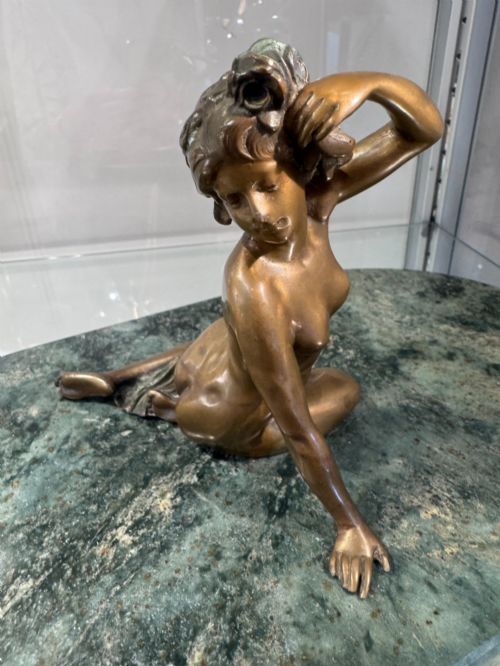
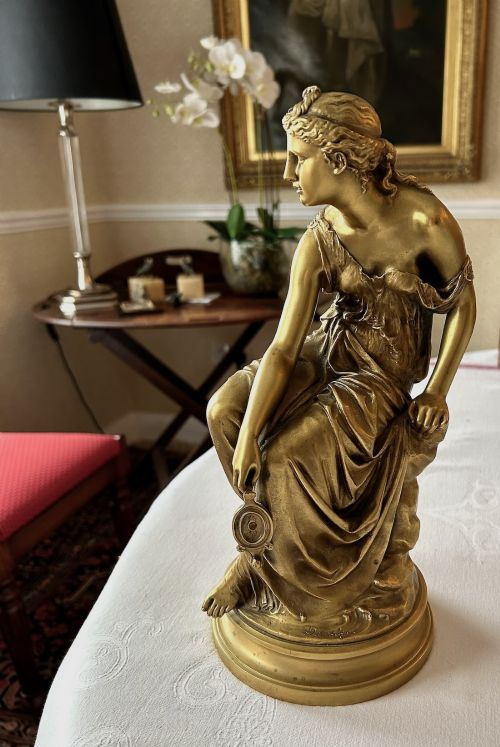
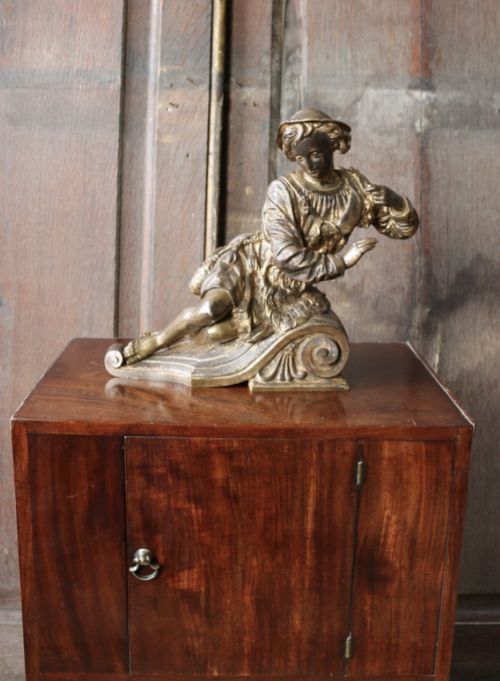
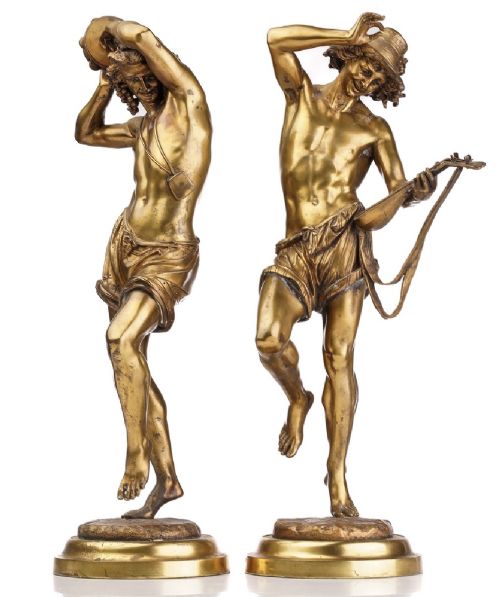
A french gilt bronze statuette encompasses small figures, busts, and animalier studies produced across the eighteenth, nineteenth, and early twentieth centuries. The selection here leans heavily towards nineteenth-century examples, spanning Neoclassical heroines, Art Nouveau dancers, and decorative putti.
Forms range widely from freestanding classical maidens and equestrian subjects to functional pieces like inkstands and table lamps converted from cherub figures. Makers and founders varied from provincial artisans to renowned Parisian ateliers.
The dominant material presence is gilt bronze, often paired with marble bases, red marble plinths, or contrasting patinated bronze elements. Buyers encounter everything from grand mythological portraits to provincial farm girl figures.
Materials and casting methods
These pieces rely primarily on bronze and ormolu, utilising metal alloys cast to capture subtle facial expressions and drapery folds. Many examples combine fire-gilt surfaces with dark patinated bronze or cast brass.
French Gilt Bronze Statuette Retail Price Guide 2026
Typical asking prices for french gilt bronze statuette among the pieces listed under this phrase on Sellingantiques today, from the lower quarter to the upper quarter. They describe what is for sale here now, not the wider market.
Materials appearing across current inventory include gilt bronze, ormolu, red marble, glass beads, and patinated bronze.
Evaluating craftsmanship and detail
Quality rests upon the crispness of the chase work, where skilled artisans hand-tooled the cast metal to define hair, feathers, and garments. Softer details indicate hurried production or worn moulds, whereas sharp chiselling reveals superior workshop standards.
The application of the gilt finish dictates the visual depth of the object, distinguishing evenly bonded ormolu from flat modern coatings. Heavier bronze weight and integrated marble bases similarly separate ambitious studio pieces from lighter commercial castings.
Etienne-Henri Dumaige·Emile-Coriolan Guillemin·Christophe Fratin·Charlotte Monginot·ALBERT ERNEST CARRIER BELLEUSE
The French Gilt Bronze Statuette Glossary
- Gilt bronze
- Metal cast from a copper and tin alloy and coated with a layer of gold. This finish provides a warm, reflective surface characteristic of high-end decorative objects.
- Ormolu
- Synonym for gilded bronze, particularly applied to eighteenth and nineteenth-century French decorative mounts and statuettes. The technique often involved mercury gilding to achieve a brilliant lustre.
- Neoclassical
- A revival style drawing inspiration from classical antiquity, featuring figures in classical drapery and heroic poses. It dominates much nineteenth-century French sculpture production.
- Putto
- A chubby male infant figure, often winged, appearing frequently in Renaissance and nineteenth-century decorative bronzes. These figures often double as cherubs in lamp conversions.
French Gilt Bronze Statuette: Frequently Asked Questions
How are these statuettes cleaned?
Maintenance requires only a gentle dusting with a soft, dry brush to prevent dirt accumulation in recessed crevices. Aggressive cleaning agents or polishes will strip away historical gilding and delicate patination.
Water and moisture should remain entirely away from the metal surfaces and any attached marble or fabric elements. Preserving the original surface skin maintains the historical integrity of the piece.
Were these figures mounted on marble originally?
Many nineteenth-century bronzes were cast with integrated square or circular bases designed to accept fitted marble plinths. Red marble and contrasting dark stones added visual weight and stability to slender standing figures.
Some examples were later paired with marble bases during subsequent decorative updates. Checking the fit between metal and stone helps determine original assembly.
Can converted lamps be restored?
Conversion into table lamps was common practice during the twentieth century, often involving drilled holes for electrical wiring. Reversing these alterations requires careful rewiring and occasionally plugging base apertures.
Many collectors prefer to keep the functional lamp wiring if the conversion was executed cleanly. Professional conservators can advise on the safest path for reverting a functional piece back to a pure sculpture.
How do I spot a signature?
Foundry marks and artist signatures typically appear cast or engraved directly into the bronze base or along the lower edge of the drapery. Locating these inscriptions often requires examining the piece under angled lighting.
Signatures from major founders like Barbedienne indicate high workshop standards. Unsigned pieces remain common and reflect the anonymous output of smaller Parisian and provincial foundries.