




Gilded Bedside Tables
Gilded bedside tables bring a distinct touch of continental elegance to a bedroom, combining functional surface space with decorative surface finishes.
Gilded Bedside Tables
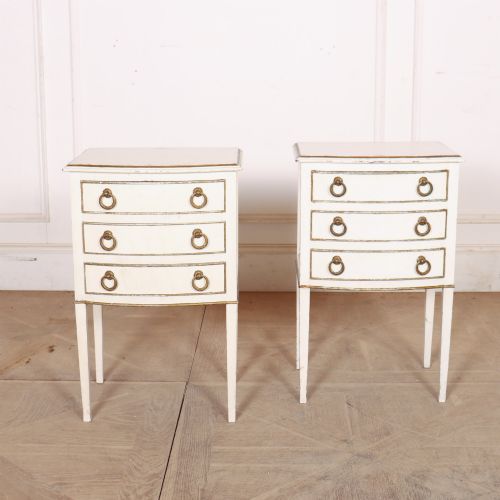
When you search for gilded bedside tables, you encounter an array of small-scale French, Italian and continental pieces designed to sit beside a bed. The selection includes dedicated bedside chests, cupboards and small side cabinets dating from the Victorian era through the early decades of the twentieth century.
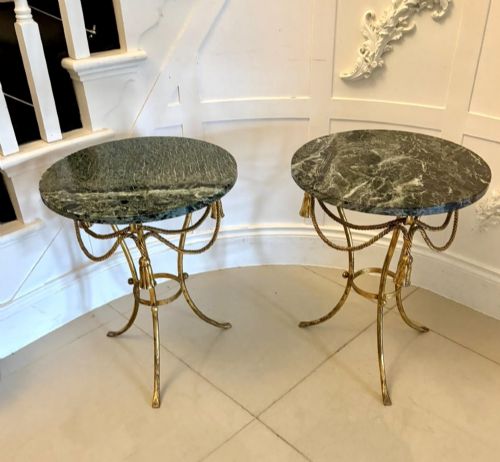
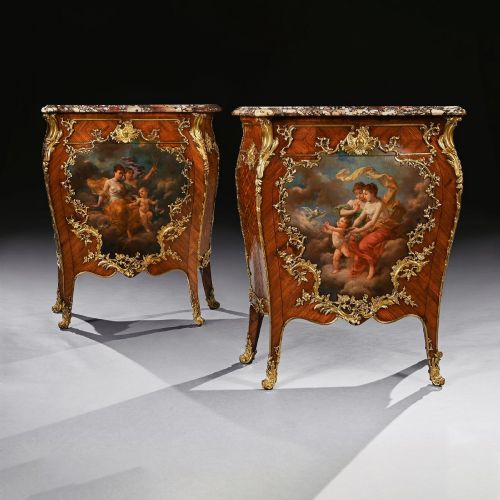
Many of these pieces draw upon Louis XVI style, Rococo Revival and Neoclassical aesthetics, often featuring painted finishes, lacquered surfaces or carved wood enhanced with metallic highlights. Alongside conventional cabinets, the selection encompasses smaller side tables and marble-topped supports fulfilling a similar domestic role.
Originating predominantly from continental workshops, these items reflect varied European tastes in bedroom furniture from the late nineteenth century and the interwar period.
Materials and Construction
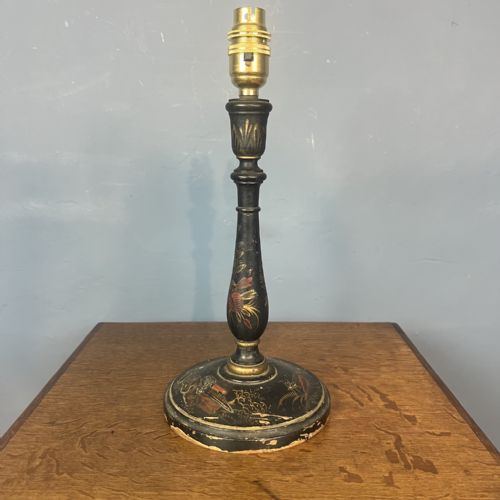
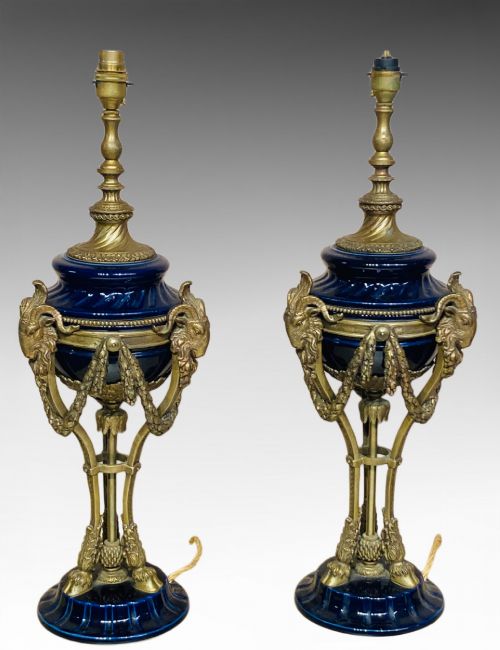
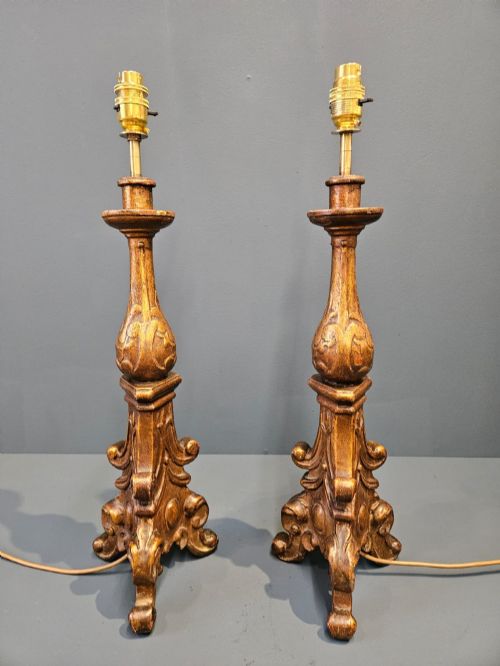
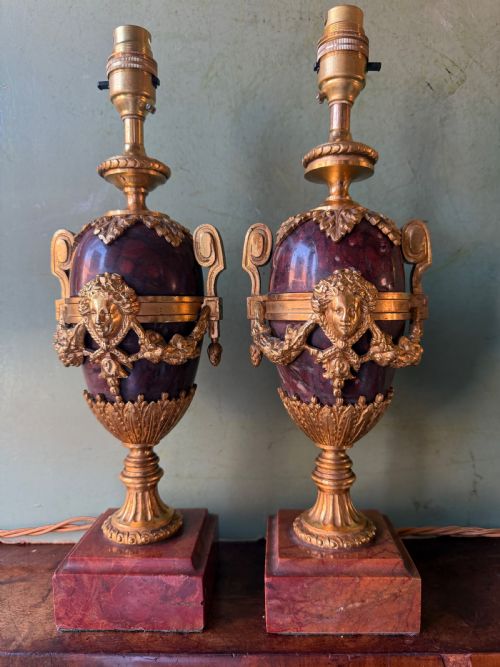
Cabinet makers utilised a combination of timber foundations, including kingwood and painted woods, paired with decorative mounts in ormolu, gilt bronze and brass. Surface enrichment frequently involved hand-applied gilding on carved giltwood or gesso, alongside lacquered finishes and Chinoiserie motifs.
The integration of heavy natural materials is characteristic, with rouge and verde marble tops frequently set into the wooden or metal frames of side tables and small chests. Bronze and ormolu mounts were cast and chased before being applied to corners, handles and feet to accentuate the architectural lines of the furniture.
The selection includes pieces from the Victorian era, the Edwardian period, and the 1920s, constructed from marble, ormolu, and giltwood.
Quality and Craftsmanship
The refinement of the carving and the crispness of the bronze or ormolu chasing distinguish standard production from superior examples. Hand-carved giltwood and finely modelled mounts demonstrate a higher degree of artisan skill than mass-produced cast metal elements.
The integrity of the underlying structure, the depth and application of the original gilding, and the harmony between marble tops and wooden frames govern the overall standard of each piece.
The Gilded Bedside Tables Glossary
- Ormolu
- Gilded bronze, typically produced by applying a mercury-gilding amalgam to cast bronze. This technique was widely utilised on French furniture and decorative objects from the eighteenth century onwards.
- Louis XVI Style
- A neoclassical design movement reviving straight lines, symmetry and classical motifs. It appears frequently in nineteenth-century continental furniture and lighting.
- Giltwood
- Timber that has been coated with a thin layer of gold leaf or powder. It is common on carved frames and decorative accents.
- Petit Commode
- A small chest of drawers or bedside cabinet. These pieces typically feature delicate proportions and decorative mounts.
- Chinoiserie
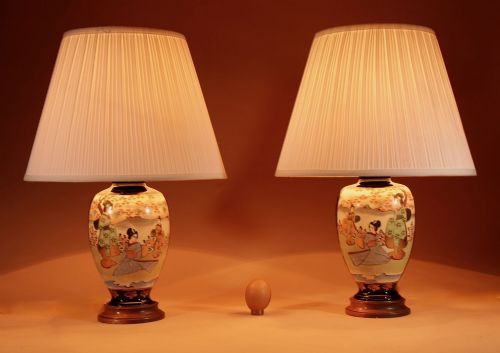
- European interpretations of Chinese and East Asian artistic traditions. It involves lacquered surfaces and painted motifs applied to cabinets and tables.
Gilded Bedside Tables: Frequently Asked Questions
How do I clean gilded surfaces safely?
Dust surfaces gently using a soft, dry feather duster or a clean microfibre cloth. Avoid all moisture, abrasive cleaners and chemical polishes, as these can strip or discolour fragile gold leaf and delicate lacquered finishes.
For intricate carved areas or applied ormolu mounts, use a soft artist's brush to dislodge particles trapped in crevices. Regular light maintenance prevents the accumulation of grime without risking the integrity of the antique finish.
Are these tables sturdy enough for daily use?
Most pieces are built from solid timber frames and stone tops, offering adequate stability for bedside tasks such as holding a lamp or a glass of water. However, the delicate nature of applied gesso, leaf gilding and decorative mounts requires a gentle touch to avoid physical impact.
Treating the surfaces with care ensures the structural and decorative elements remain undamaged over years of regular domestic use.
How do I identify Louis XVI style features?
Look for straight tapered legs, fluted columns and symmetrical geometric layouts rather than the sweeping curves associated with earlier Rococo designs. Classical motifs like wreaths, ribbons and acanthus leaves frequently decorate the corners and drawer fronts.
These characteristics reflect the revival of classical antiquity that influenced French and continental furniture makers during the nineteenth and early twentieth centuries.
Can I mix these tables with modern decor?
Placing a gilded bedside table within a contemporary room creates a striking contrast between ornate historical craftsmanship and minimalist modern design. The reflective metallic finishes and rich marble tops introduce texture and warmth to neutral bedroom interiors.
Allowing the antique piece to stand as a singular focal point prevents the room from feeling overly ornate while highlighting its individual character.