



French Country End Table
A french country end table brings provincial warmth and utility to a room, rooted in centuries of rural craftsmanship.
French Country End Table
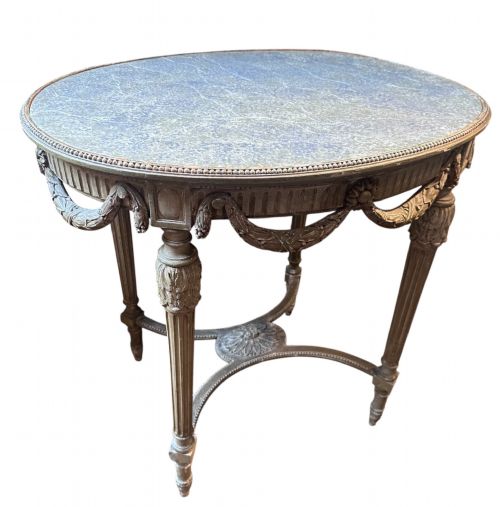
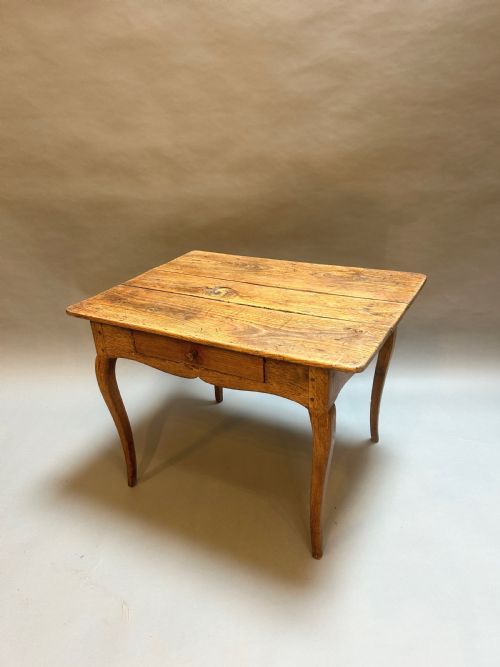
A french country end table encompasses a variety of smaller timber tables designed for domestic utility in rural settings, appearing across the eighteenth, nineteenth, and early twentieth centuries. These tables draw on provincial, rustic farmhouse, Gustavian, and Louis styles to provide compact surfaces for lamps or bedside use.
The versions most commonly met on this page are side tables, lamp tables, and occasional tables configured in native hardwoods and painted finishes. Makers across these periods utilised local materials like oak, fruitwood, elm, and cherry to construct sturdy furniture suited to farmhouse and chateau interiors.
Alongside dedicated small tables, the selection includes related forms such as chopping blocks, stools, and nests of tables derived from the same regional traditions. These pieces reflect the practical needs of country houses, balancing unpretentious construction with regional decorative details.
Materials and construction methods
Timbers such as oak, fruitwood, elm, ash, and cherry form the structural core of these pieces, selected for their durability and availability in French and European provinces. Carpenters joined these woods using traditional joinery to withstand daily domestic work.
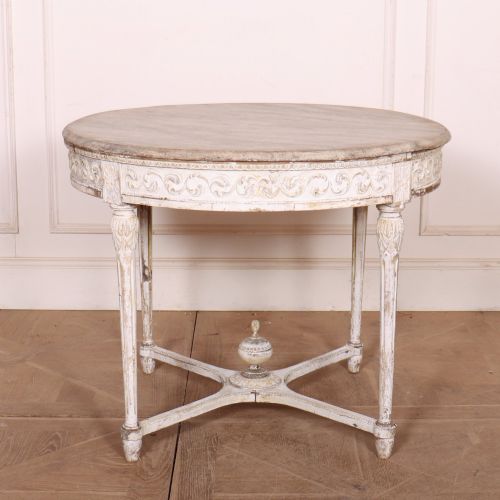
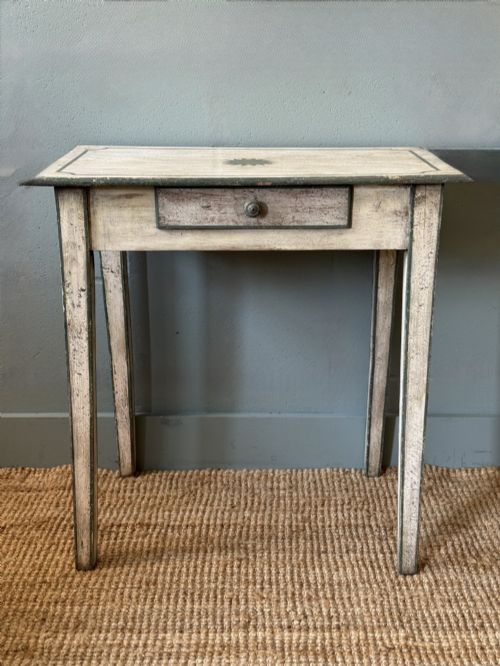
Surface treatments range from plain waxed hardwoods to painted wood finishes, sometimes incorporating brass hardware, marble inserts, or floral parquetry inlay. Bleaching and original paint layers frequently survive on eighteenth and nineteenth-century examples, showing the decorative choices of the period.
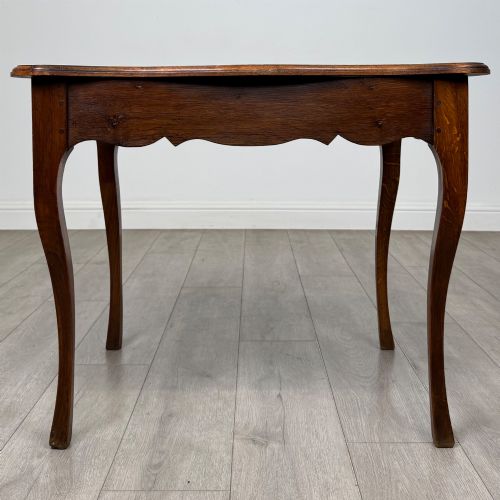
One eighteenth-century side table arrived with solid provenance from the estate of a professor of moral philosophy, proving even philosophers need a surface for their tea.
Evaluating quality and character
Quality rests in the selection of timber and the integrity of the original construction, where dense fruitwoods or early oak framing outlast softer secondary woods. The handling of mouldings, stretcher joints, and carved details separates standard utility items from finer provincial workshop output.
The survival of original surfaces, whether unpainted patinated cherry or authentic early paintwork, dictates the character and desirability of a piece. Later alterations or stripped finishes alter the visual balance established by the original maker.
The French Country End Table Glossary
- Fruitwood
- Timber milled from fruit-bearing trees such as cherry, pear, or apple, prized in regional furniture for its fine grain and warm tone. It was widely used by provincial makers across France.
- Gustavian
- The Swedish interpretation of French neoclassical styles, characterised by lighter proportions, pale painted finishes, and restrained carving. Pieces from this tradition often share the restrained elegance of French provincial design.
- Parquetry
- Geometric wood inlay work arranged in patterns such as squares or chequers across a table top. This technique demonstrates advanced cabinet-making skill.
- Refectory
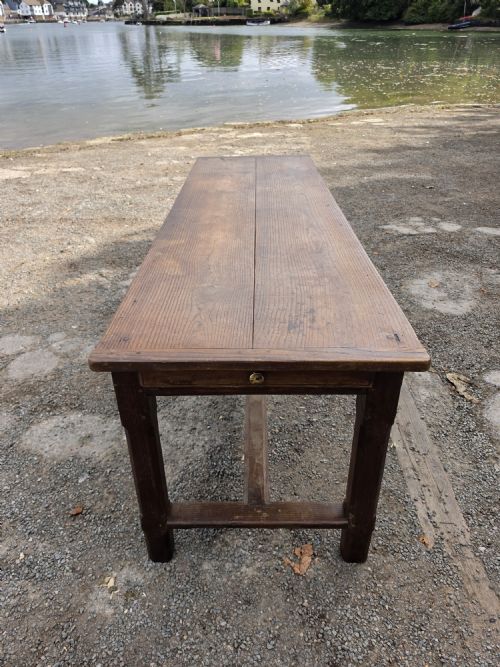
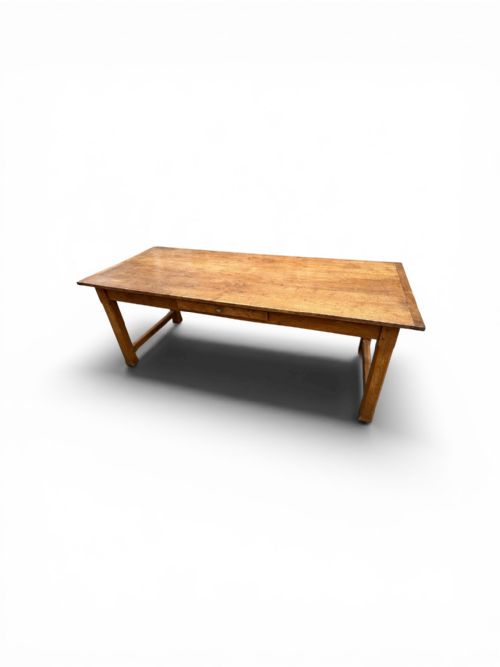
- A long dining table form adapted in country workshops for communal household use. These sturdy tables feature strong stretcher bases to support heavy daily wear.
- Stretcher
- A horizontal timber connecting the legs of a table to provide structural rigidity. In farmhouse furniture, stretchers frequently double as footrests.
French Country End Table: Frequently Asked Questions
What defines a french country end table?
A french country end table is a compact provincial surface built from timbers like oak, fruitwood, or elm during the eighteenth to early twentieth centuries. These tables reflect rural European traditions, prioritising practical utility alongside regional decorative styles.
They appear in forms such as lamp tables, side tables, and occasional tables, often featuring turned legs, stretchers, or painted finishes that suit modern domestic spaces.
How were these tables used originally?
In historic rural homes, small tables served versatile functions near beds, firesides, or seating areas to hold lighting, utensils, or personal items. Their modest scale allowed them to be moved easily around farmhouse kitchens and chambers.
Today, they adapt readily as bedside stands or living room side tables, offering functional surface space combined with historic character.
How can I tell the period of a table?
Dating relies on observing construction marks, timber choice, and stylistic cues from periods like the eighteenth century, nineteenth century, or Edwardian era. Hand-cut joinery, pegged joints, and natural wear patterns indicate older workshop production.
Later nineteenth and early twentieth-century examples often incorporate machine-sawn elements or different fastening methods while maintaining traditional provincial forms.
Are painted finishes original?
Many tables retain layers of early or original paint applied to protect or decorate the softer pine and hardwood surfaces. Evaluating the crackle, wear, and pigment helps distinguish period paint from later decorative applications.
Unpainted pieces showcase the natural grain of oak, fruitwood, or cherry, which developed deep patination through decades of polishing and handling.