

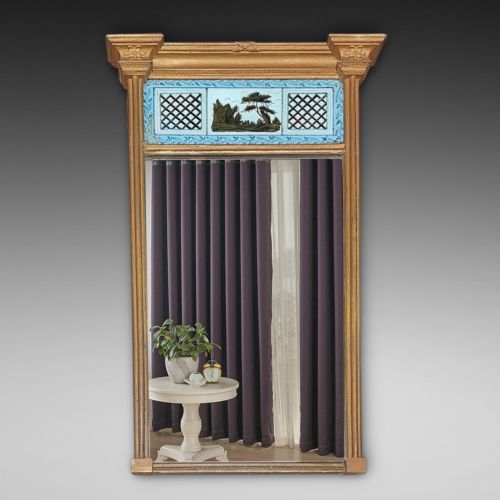
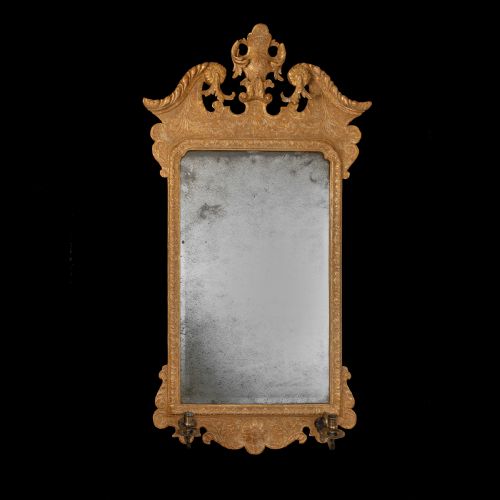
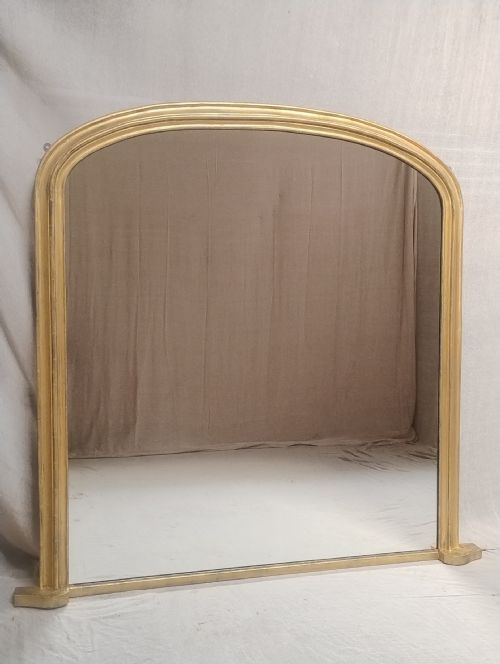


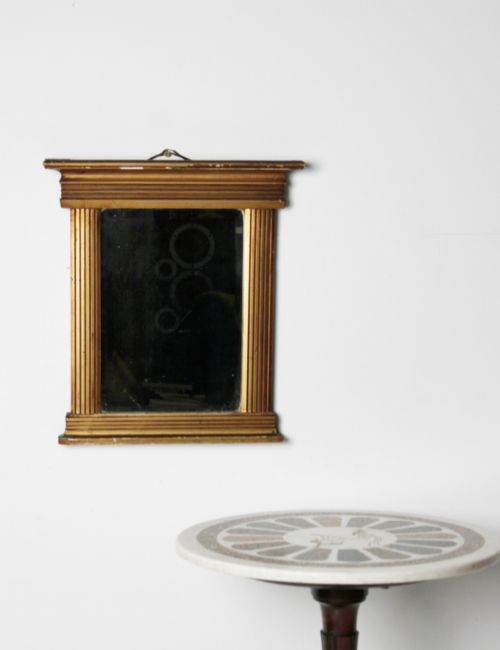


Gilded Architectural Mirror
These gilded architectural mirror examples bring scale and classical presence to a room, offering the light-amplifying utility collectors seek.
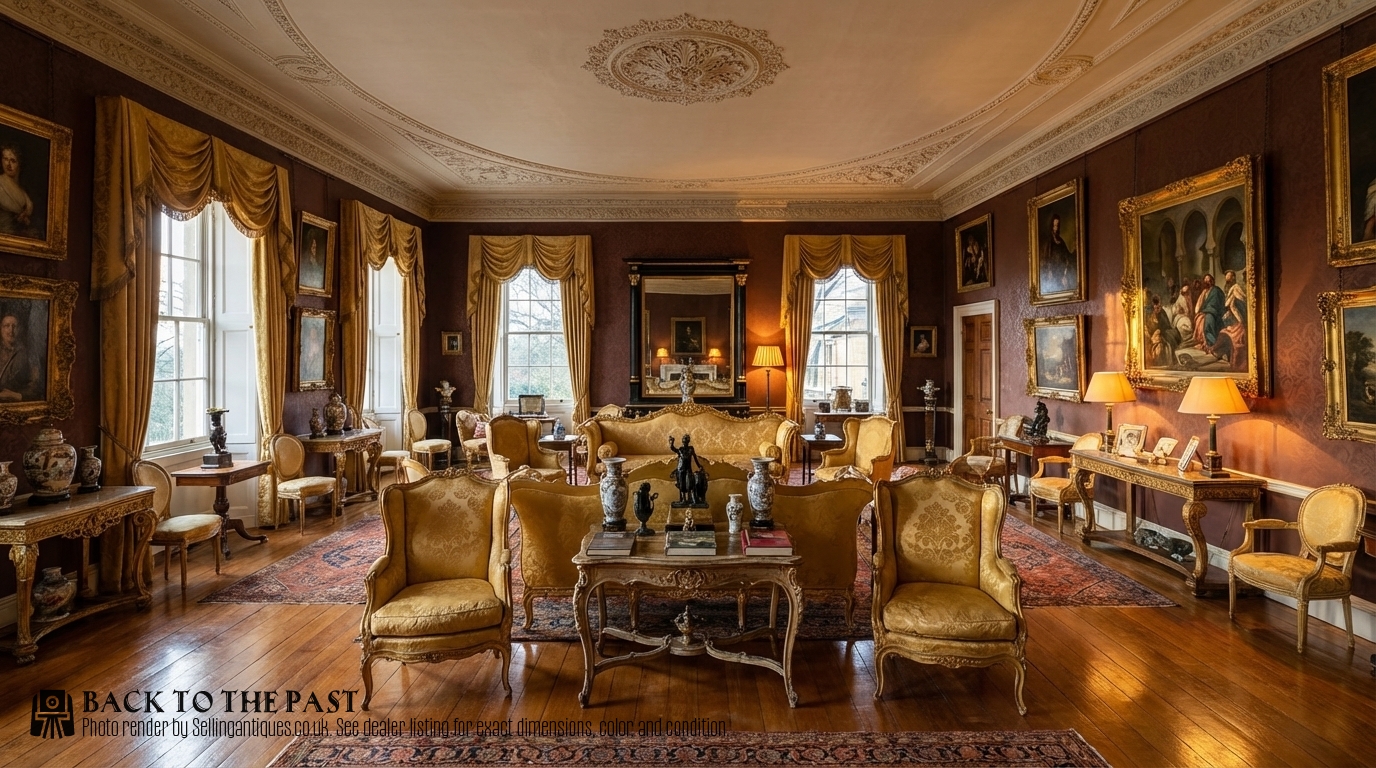
What They Are
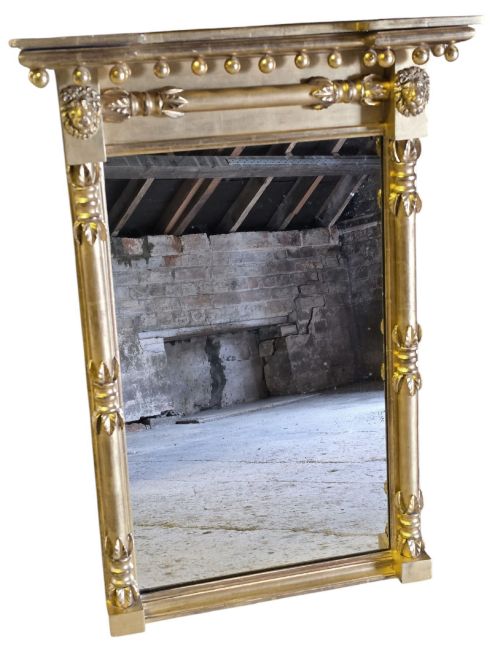
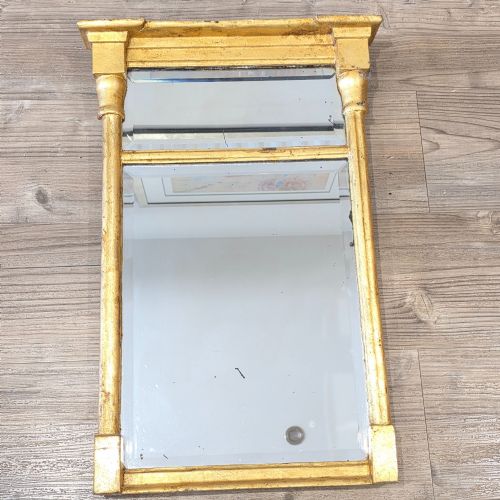
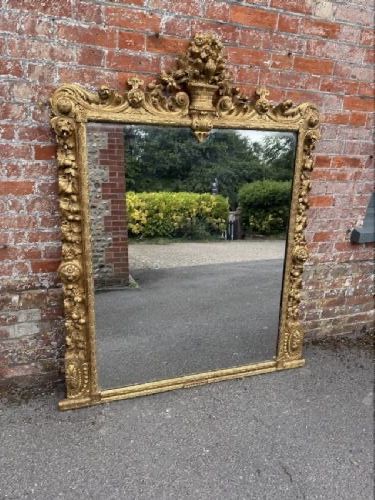
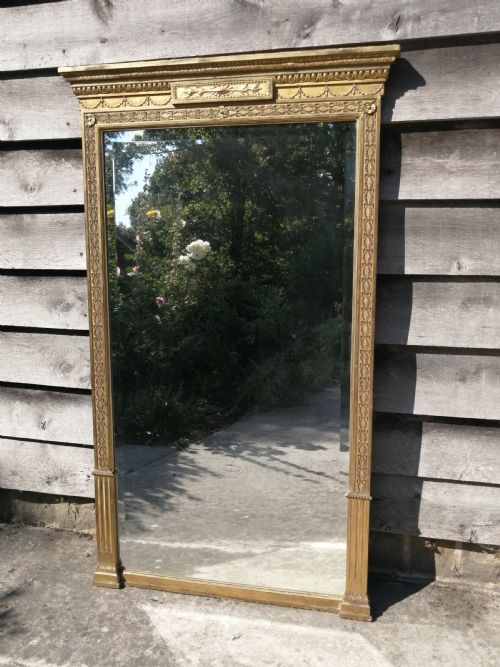
A gilded architectural mirror represents grand interior furnishings designed to dominate a wall or sit above a mantelpiece with considerable visual weight. When you search for gilded architectural mirror pieces, you encounter substantial overmantel and pier forms originating from the nineteenth century alongside revival interpretations.
Most examples you meet here date from the mid to late nineteenth century, utilising expansive glass plates held within carved and gilded surrounds. These items function simultaneously as practical reflective surfaces and architectural statements.
How They Were Made
Artisans constructed the robust primary frames from timber, frequently employing carved wood and gesso to build up high-relief ornamentation and shaped tops. Over this plaster and wooden substrate, craftsmen applied thin sheets of gold leaf to achieve the characteristic metallic brilliance.
Certain variations incorporate ebonised wood alongside traditional gilding to create sharp colour contrasts within the moulding profiles. Mirror glass plates were set securely into the heavy rabbets, backed by protective wooden boards that have endured across the decades.
Retail Price Guide 2026
Typical UK retail prices for gilded architectural mirror, calculated from the Sellingantiques database of over a million retail prices indexed since 2003. This retail price guide relies exclusively on Sellingantiques data; no external sources or auction records are used, so the figures do not describe the wider market.
Some nineteenth-century mirrors hide small wooden pegs behind their heavy frames that have faithfully held the original backing boards for generations.
What Varies in Quality
The distinction between standard items and superior examples lies in the depth and sharpness of the hand-carved wooden ornament beneath the gesso layer. Finer pieces demonstrate crisp detail in scrolls and architectural moulding rather than the softer, rounded profiles typical of mass-produced moulded composition.
Proportion and scale dictate the visual success of the piece, with better examples maintaining harmonious balance across large expanses of glass. The integrity of the original gold leaf surface, rather than later repainting, determines the historical authenticity and visual depth of the finish.
The Gilded Architectural Mirror Glossary
- Gesso
- A traditional chalk or plaster mixture applied to wood frames as a smooth preparation ground for gilding. This compound allowed carvers to crisp up delicate ornamental details before applying gold leaf.
- Giltwood
- Timber that has been decorated with a thin layer of gold leaf or powder. This material provides the luminous warm glow characteristic of formal nineteenth-century frames.
- Overmantel mirror
- A large horizontal looking glass specifically designed to hang above a fireplace mantel. These expansive plates were positioned to reflect light and fill the chimney breast.
- Ebonised wood
- Timber treated with a chemical stain or black finish to imitate expensive ebony. This dark treatment was often paired with gold leaf to create dramatic visual contrast.
Frequently Asked Questions
Where should I hang an overmantel mirror?
These large mirrors are traditionally mounted directly above a fireplace mantelpiece to anchor the central wall of a room.
Ensure the fixings are secured into solid wall studs or masonry to support the substantial combined weight of the timber, gesso, and glass.
How do I identify a Regency period mirror?
Regency pieces typically feature restrained classical motifs such as reeded columns, ball ornamentation, and architectural pediments dating from the early nineteenth century.
Proportions tend to be rigorous and balanced, drawing inspiration from ancient Greek and Roman design.
What is the difference between a pier mirror and an overmantel?
Pier mirrors are vertically proportioned to fit the narrow wall space between windows, whereas overmantels are wide and horizontal to span fireplaces.
Both types utilise extensive gilding but serve entirely different architectural locations within a period interior.
How do I care for antique giltwood frames?
Dust the carved surfaces gently with a soft, dry brush or feather duster without applying moisture or modern cleaning chemicals.
Keep the frame away from direct sunlight and strong heat sources to prevent the gesso ground from drying and cracking.