
Gesso Gilt Wood Mirror
A gesso gilt wood mirror brings historic depth and reflective light to an interior, drawing the eye with ornate carved frames.
Gesso Gilt Wood Mirror
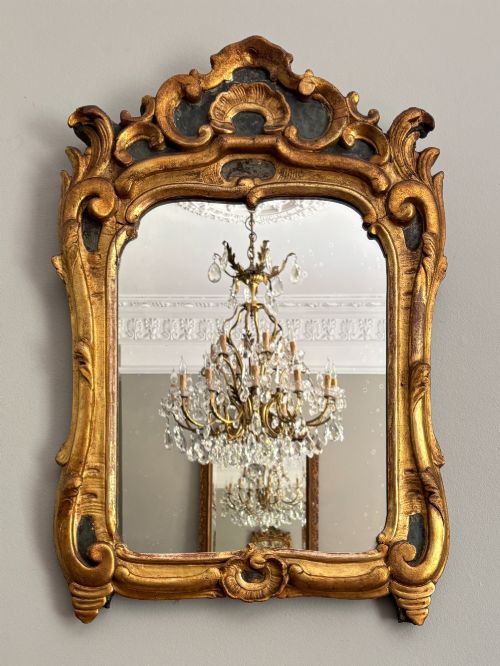
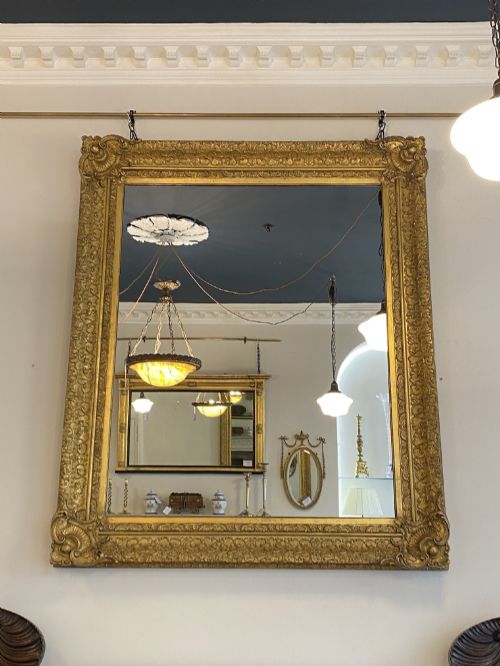
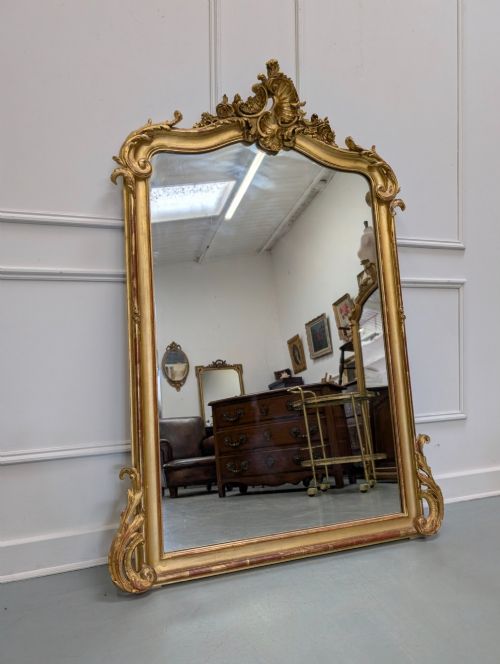
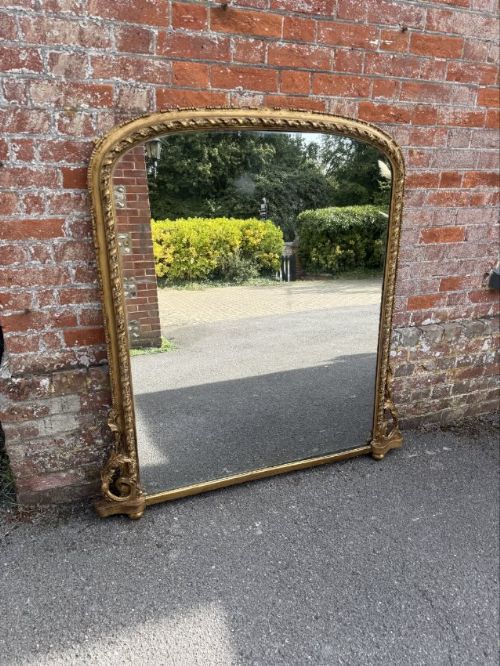
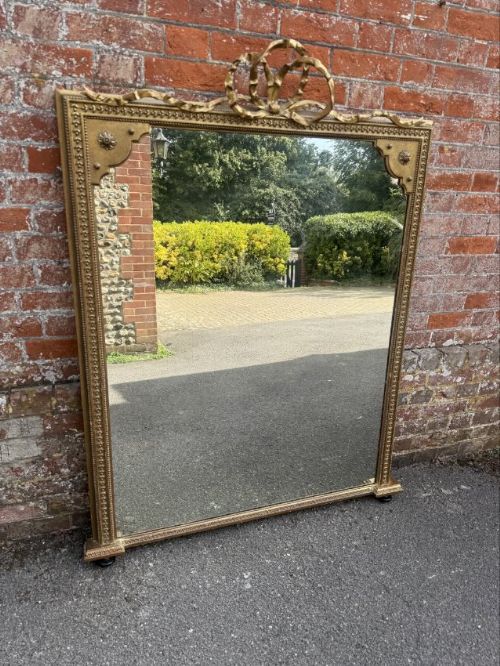
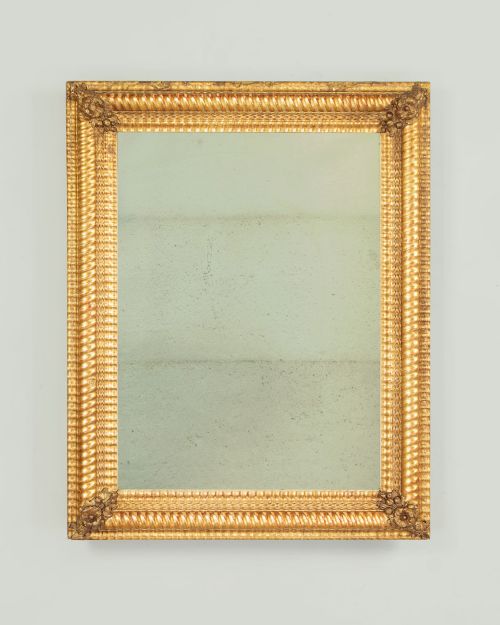
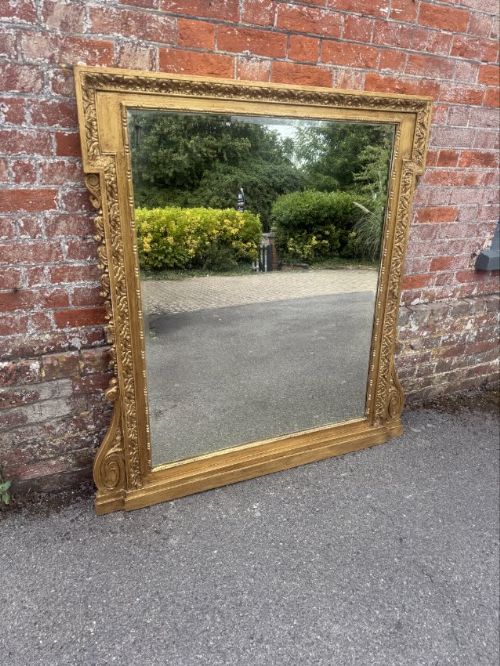
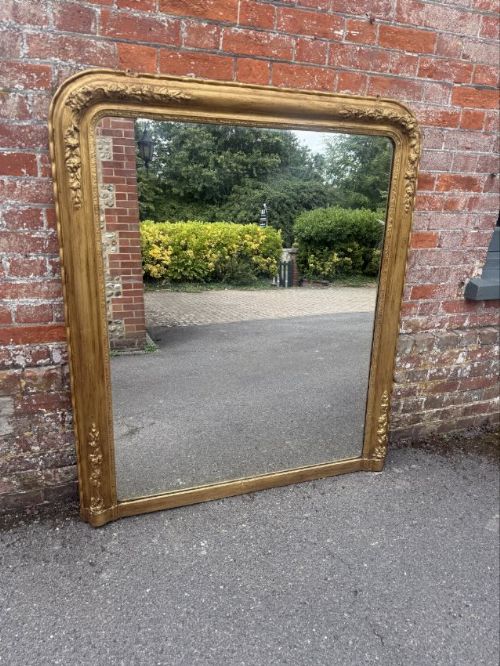
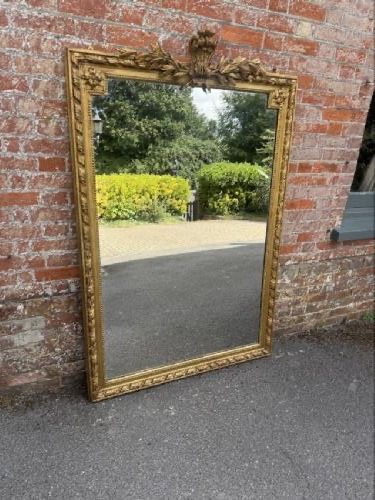
A gesso gilt wood mirror combines a carved wooden frame with a prepared plaster ground covered in gold leaf or metallic paint. These decorative objects span wall mirrors, table mirrors, and large overmantels designed to hang above fireplace surrounds.
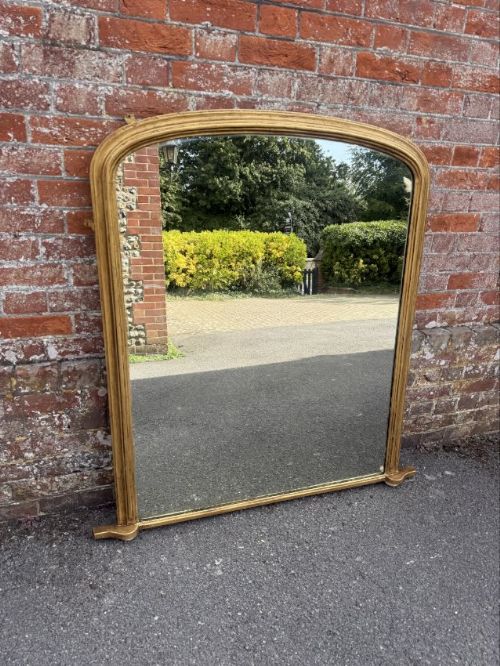
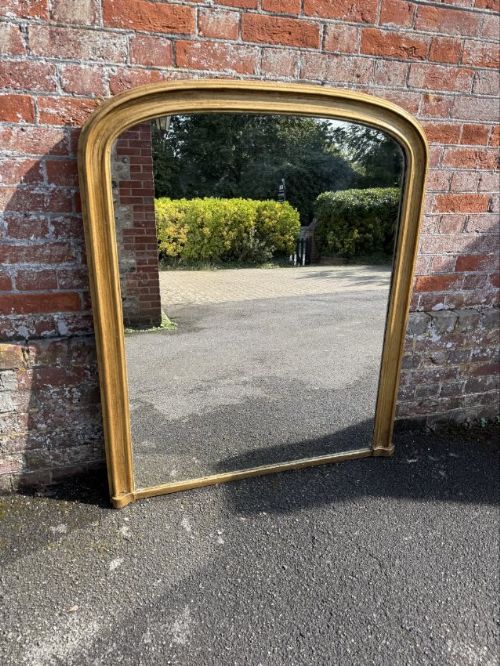
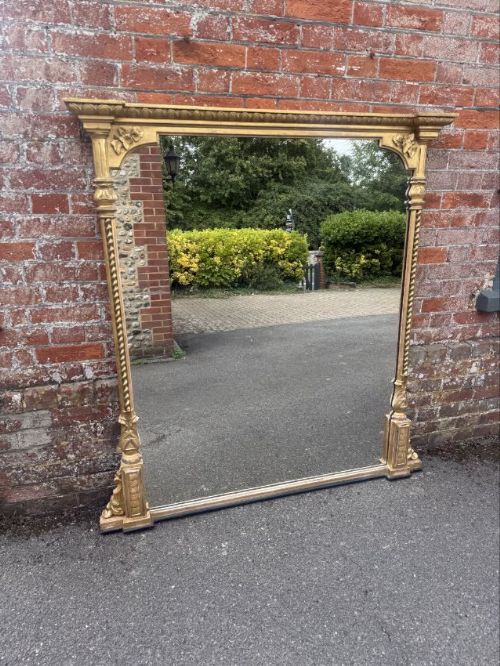
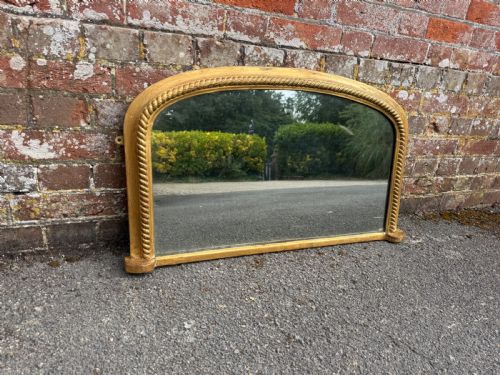
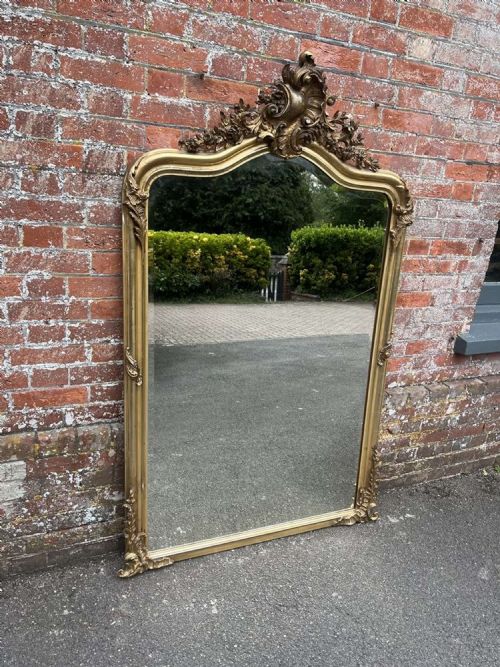
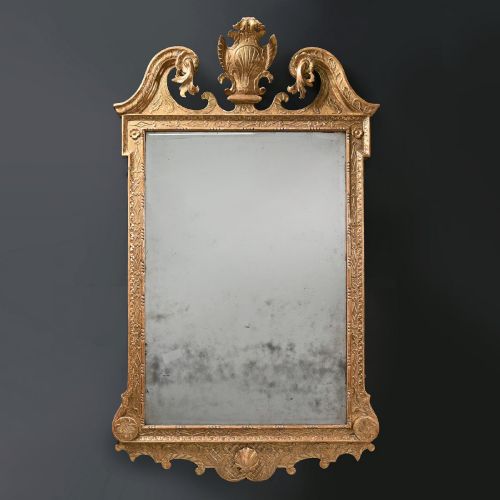
The selections available here lean heavily toward nineteenth-century English and French examples, alongside eighteenth-century George II and Louis XV pieces. Buyers frequently encounter nineteenth-century overmantel mirrors featuring arched tops and rope twist or ribbed frames.
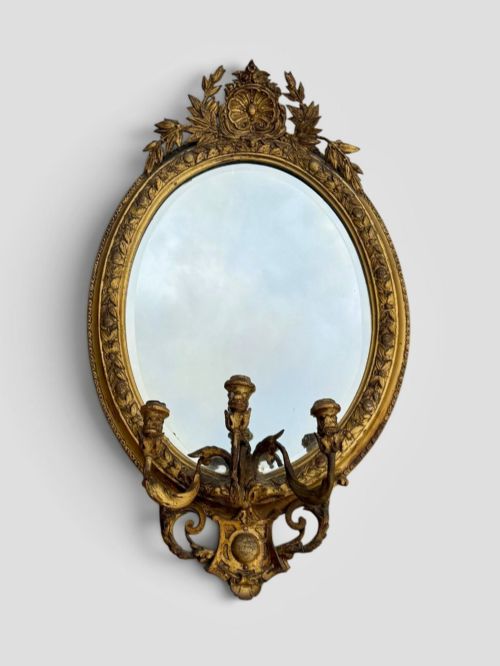
Beyond grand overmantels, the inventory includes pier glasses, girandole mirrors with candle sconces, and oval wall mirrors. Origins stretch across English, French, and Italian workshops from the 1700s through the Victorian era and into the early twentieth century.
How they were made
Craftsmen shaped the core structure from solid timber, carving intricate floral, rope twist, or architectural patterns directly into the wood. They then applied multiple layers of gesso, a fine plaster mixture built up over the wooden base to create a smooth, responsive surface for fine detail work.
Giltwood elements received thin sheets of gold leaf applied over a bole sizing, while other surfaces combined gold leaf with painted details or metallic finishes. Mirror glass of the period was set into the rabbet behind the frame, often secured with wooden backing boards.
Materials recorded across the inventory include carved wood, gesso, gold leaf, mirror glass, and metal accents configured into wall, table, and overmantel formats.
What varies in quality
The crispness of the carved wooden ornament and the depth of the gesso modeling define the upper tiers of production. Master carvers achieved sharp, clean foliage and distinct rope twist or column details that hold their definition beneath layers of gilding.
Surface finish also distinguishes finer examples, where original gold leaf retains a warm, burnished luminescence compared to flat, later repaint. The integrity of the underlying wooden frame and the retention of period mirror glass contribute further to a piece's standing.
The Gesso Gilt Wood Mirror Glossary
- Gesso
- A fluid plaster mixture composed of chalk, gypsum, and glue binder applied to the wooden frame. This compound provided a smooth ground capable of holding sharp, intricate carved details before gilding.
- Giltwood
- Timber decorated with thin leaves of gold applied to its prepared surface. It formed the primary decorative finish for high-status eighteenth and nineteenth-century frames.
- Overmantel Mirror
- A large horizontal mirror specifically scaled to sit above a mantelpiece or fireplace. These frequently featured arched tops and architectural framing to anchor the chimney breast.
- Pier Glass
- A tall, narrow mirror designed to hang on the wall space between windows. They often sat above pier tables to maximise light reflection in period reception rooms.
- Girandole
- A wall mirror equipped with attached candle sconces or branch holders. The reflective surface amplified the candlelight flicker in darkened historic interiors.
Gesso Gilt Wood Mirror: Frequently Asked Questions
How do I hang a heavy overmantel mirror safely?
Large overmantel mirrors carry substantial weight from their timber frames and thick glass plates. They require professional wall anchors secured directly into structural studs or masonry to support the load safely.
Weight distribution hardware and heavy-duty D-rings mounted to the original wooden frame backing ensure the piece hangs level and secure against the wall.
How should I clean a antique giltwood frame?
Gilded surfaces require a gentle approach to preserve the fragile gold leaf and underlying gesso layers. Dusting with a soft, dry ostrich feather brush prevents particle buildup without disturbing the finish.
Water and chemical cleaning agents must be avoided entirely, as moisture softens the historic gesso ground and causes the metallic leaf to flake away from the wood.
Were these mirrors originally used above fireplaces?
Overmantel mirrors were specifically constructed to occupy the prominent wall space above fireplace surrounds in period drawing rooms. Their wide proportions reflected light from windows and filled the visual expanse of the chimney breast.
Pier mirrors served a different architectural purpose, hung between windows on narrow wall piers to illuminate darker corners of formal rooms.
How can I tell an 18th-century mirror from a Victorian copy?
Eighteenth-century pieces, such as George II or Louis XV designs, display hand-carving techniques with distinct tool marks and aged pine or hardwood foundations beneath the gesso. The mirror glass often shows subtle beveling, foxing, or waviness unique to early manufacturing methods.
Victorian interpretations from the mid to late nineteenth century frequently utilise heavier machine-cast plaster composition ornament alongside standardised framing proportions and later backboards.