



German Table
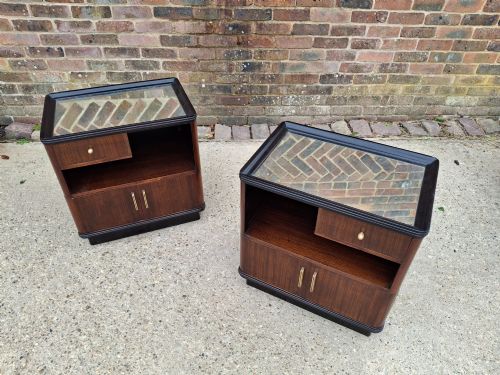
When buyers search for a german antique table, they encounter diverse forms ranging from carved oak lamp tables to painted centre tables and cow horn pieces.
German Table
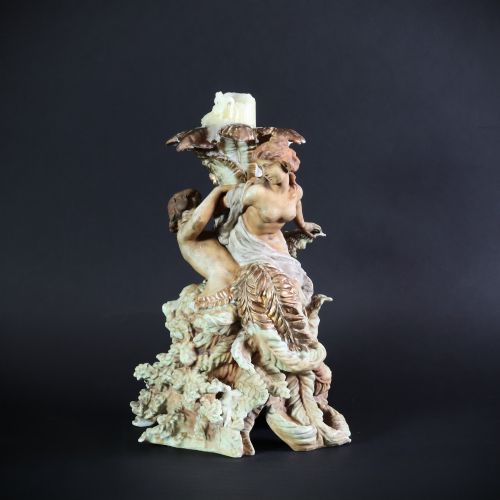
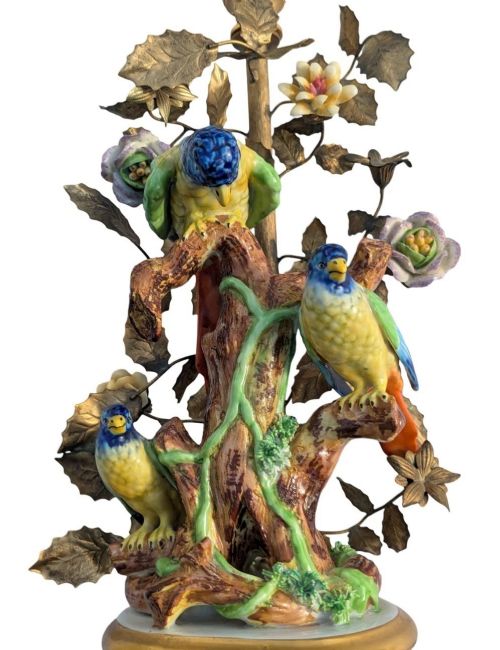
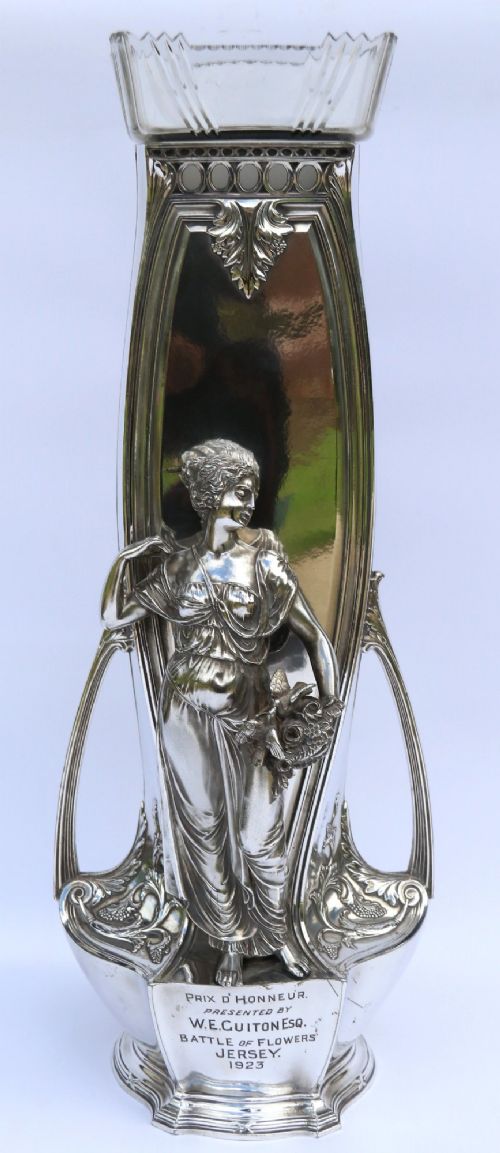
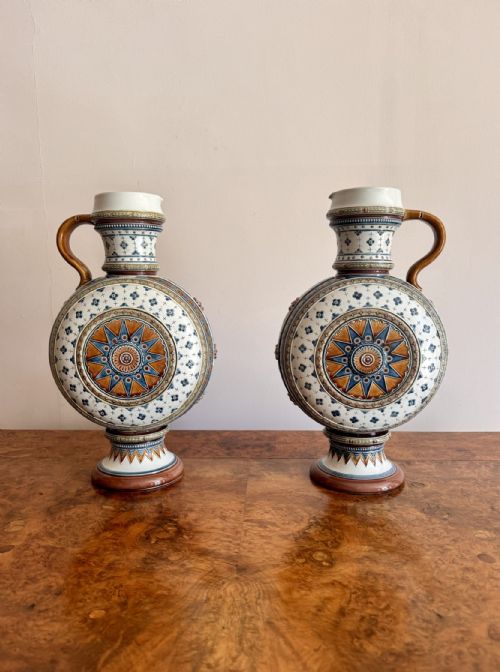
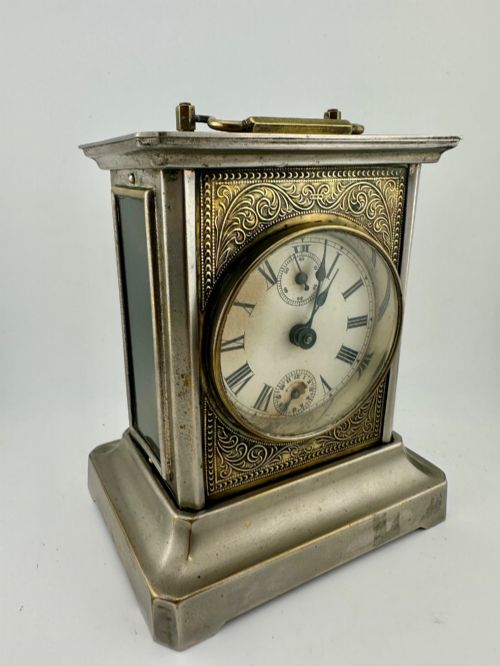
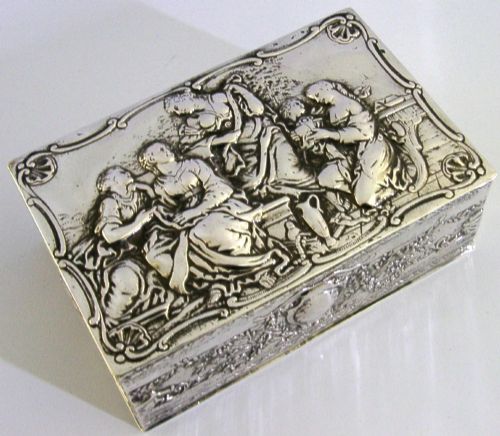
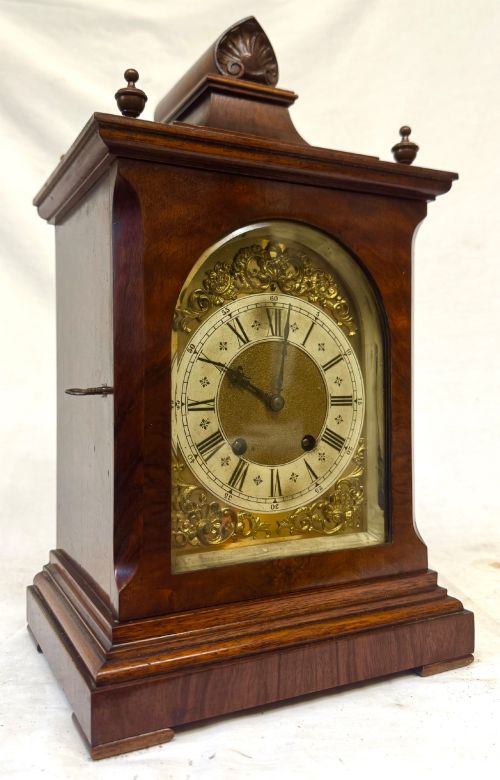
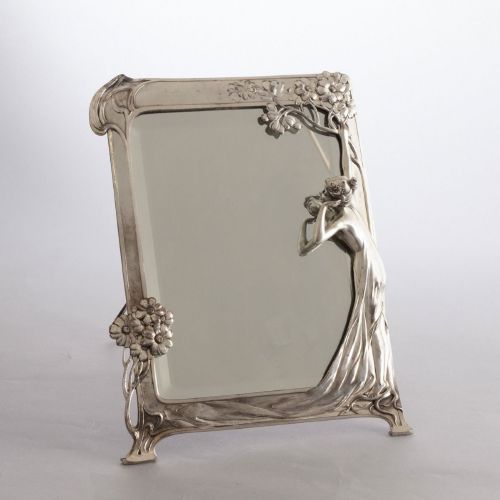
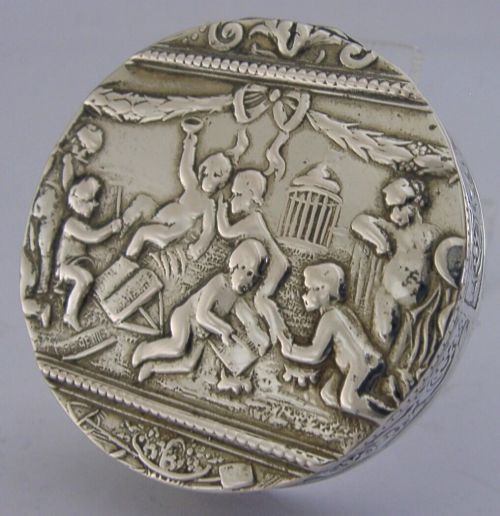
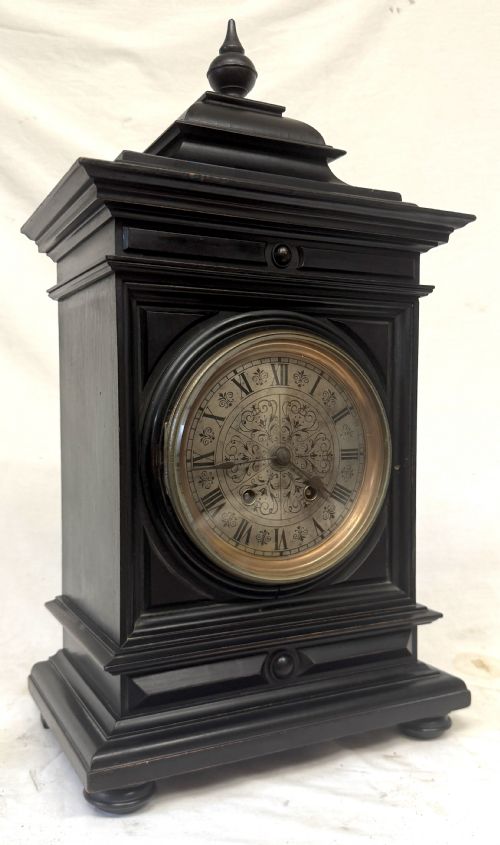
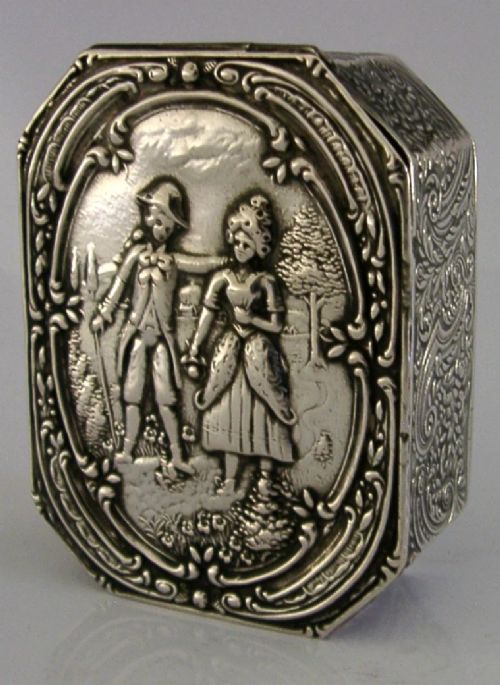
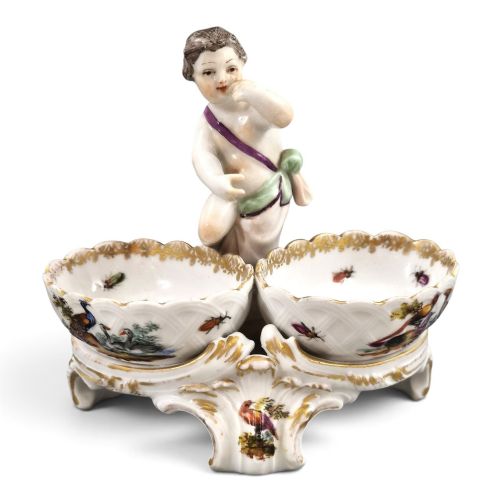
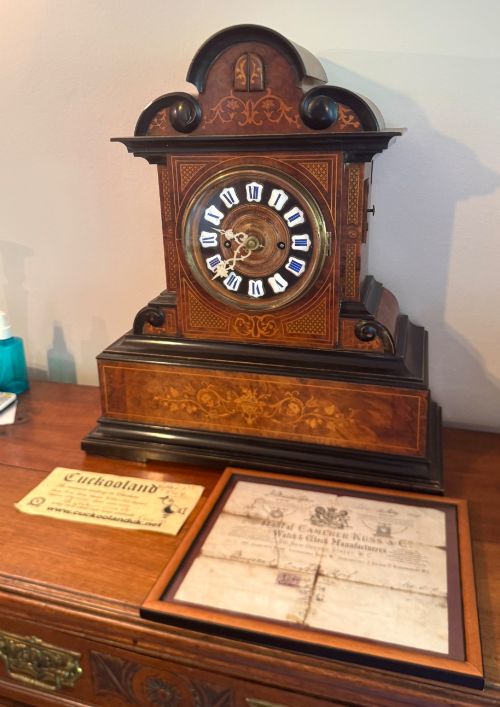
Alongside furniture, the listings include related decorative items designed for table use, such as silver table boxes, porcelain centrepieces, and mantel clocks. These pieces reflect regional craftsmanship from workshops across Germany, capturing styles from Rococo Revival and Neoclassical Revival to Jugendstil.
Materials and construction methods
The furniture pieces utilise solid timbers such as walnut and oak, frequently shaped with traditional carving and marquetry techniques. Metalwork and horological items combine brass, bronze, silver, and plated pewter.
Porcelain items demonstrate intricate hand-painting and modelled figures, utilising kilns from renowned factories. Silver table boxes and ornaments display detailed repoussé work and casting.
German Table Retail Price Guide 2026
Typical asking prices for german table among the pieces listed under this phrase on Sellingantiques today, from the lower quarter to the upper quarter. They describe what is for sale here now, not the wider market.
A cow horn table stands ready to confuse anyone expecting standard timber.
Factors separating the finest examples
Quality rests upon the crispness of the carving in wood and the definition achieved in silver repoussé work or porcelain modelling. Superior examples maintain their original surface patination, gilding, and uncompromised structural integrity.
Horological pieces distinguish themselves through the complexity of their movements and the refinement of their dials and cases. In porcelain items, hand-painted detail and the preservation of delicate applied elements determine the tier of the piece.
Villeroy and Boch·H.A.C.·Lenzkirch·WMF·KPM Berlin·Sitzendorf·Mauthe·Haller·Friedrich Adler·Osiris·Orivit·Winterhalder and Hofmeier·Schneckenburger·Wild and Wessel·Karl Ens·Anton Buschelberger·Volkstedt·Schierholz
The German Table Glossary
- Jugendstil
- The German manifestation of Art Nouveau, characterised by flowing organic lines and natural motifs.
- Repoussé
- A metalworking technique where the metal is hammered from the reverse side to form a raised design on the front.
- Marquetry
- The art of applying pieces of veneer to a structure to form decorative patterns and pictures.
- Spelter
- A zinc alloy frequently utilised as a substitute for bronze in decorative figures and clock cases.
- Ebonisation
- A finishing process applied to timber to imitate genuine ebony by darkening the grain.
German Table: Frequently Asked Questions
How do I identify a German antique table?
Examine the timber species, construction methods, and any maker stamps or retailer marks present on the underside or hardware. Regional design characteristics often align with stylistic periods such as Jugendstil or the Victorian era.
Compare the proportions and decorative motifs against documented examples from known German workshops and factories of the nineteenth and early twentieth centuries.
Were these tables used for dining?
The tables listed are primarily smaller occasional forms, such as lamp tables, side tables, and painted centre tables, rather than large dining furniture.
They served functional roles in period drawing rooms and parlours for holding lamps, clocks, or decorative objects.
How should I care for walnut and oak tables?
Maintain stable environmental conditions away from direct heat sources and strong sunlight to prevent the timber from drying out or splitting. Dust regularly with a soft, dry cloth and apply occasional appropriate wax polish as needed.
Avoid using modern liquid cleaners or silicone-based polishes, which can damage original antique finishes.