
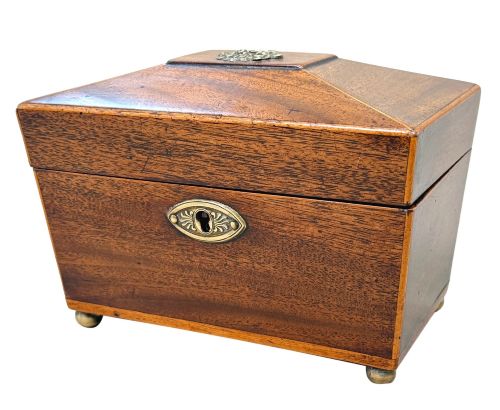
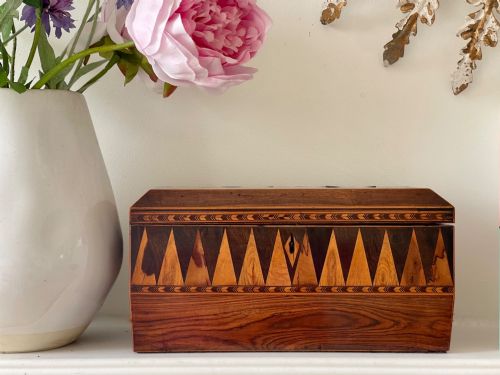

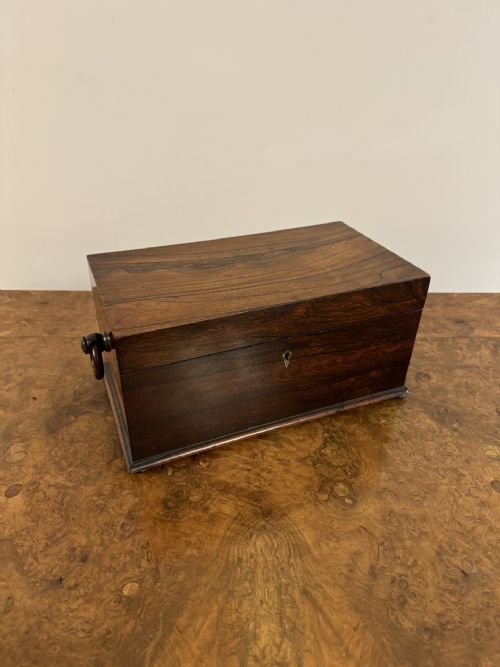
Georgian Wooden Tea Caddy
A georgian wooden tea caddy is a compact box designed to store precious tea leaves, offering a glimpse into domestic life from the eighteenth and nineteenth centuries.
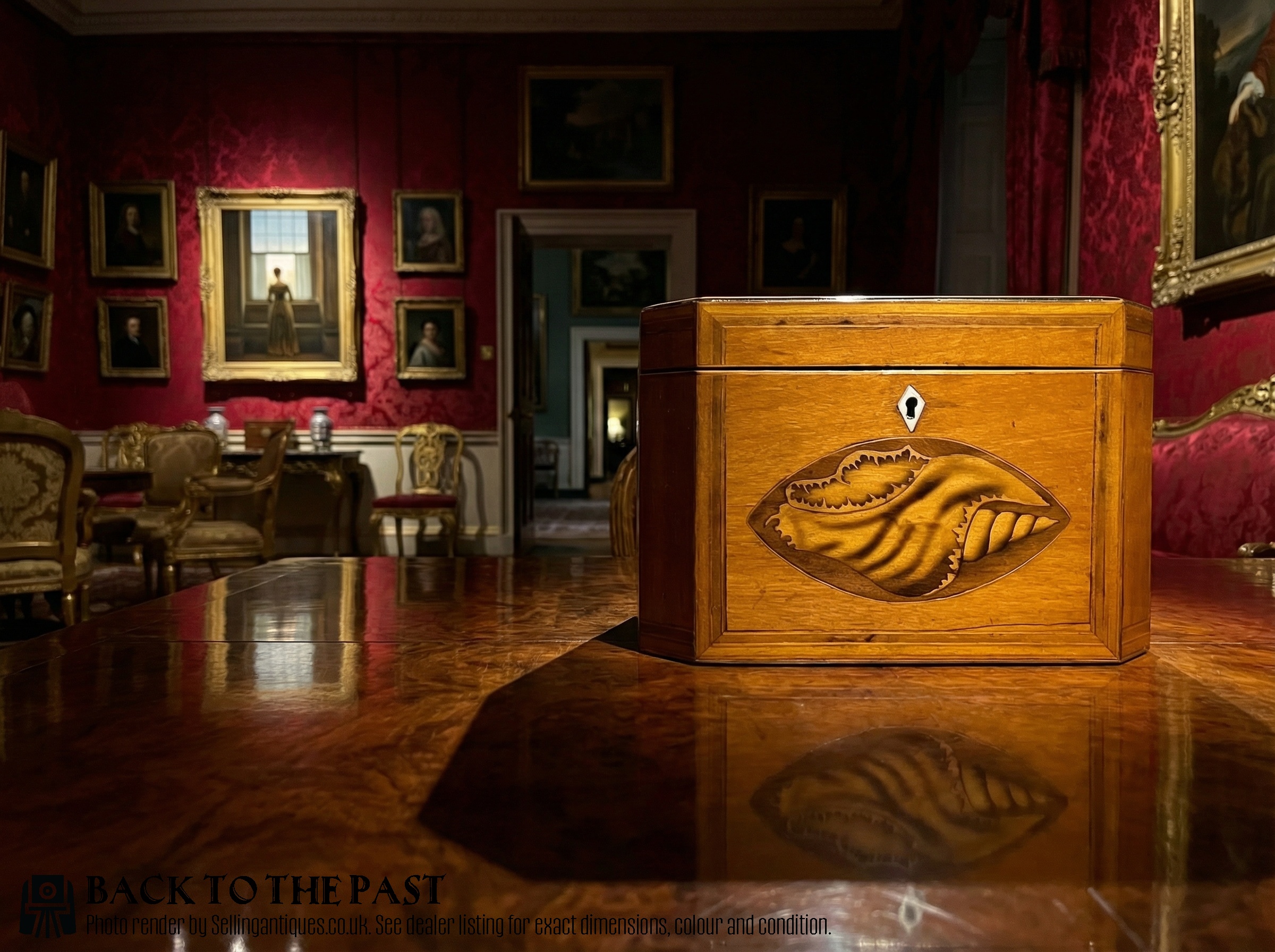
Georgian Wooden Tea Caddy
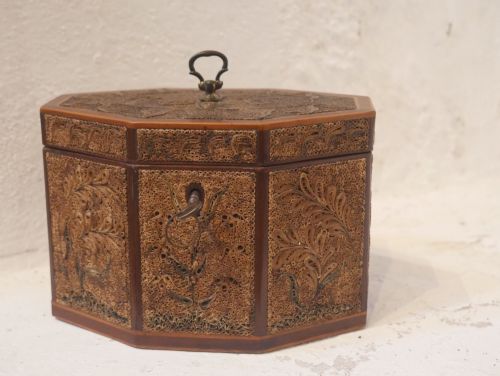
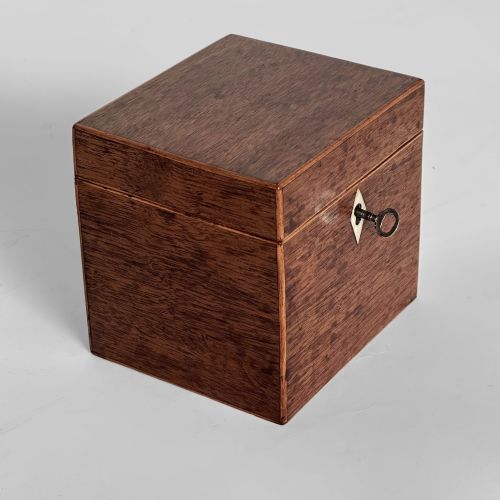
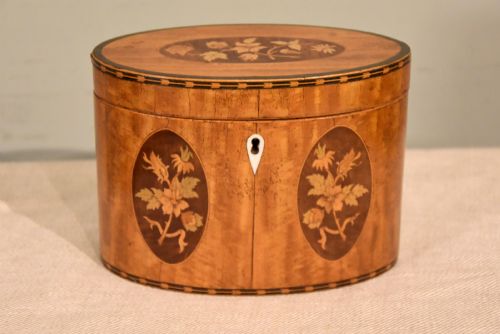
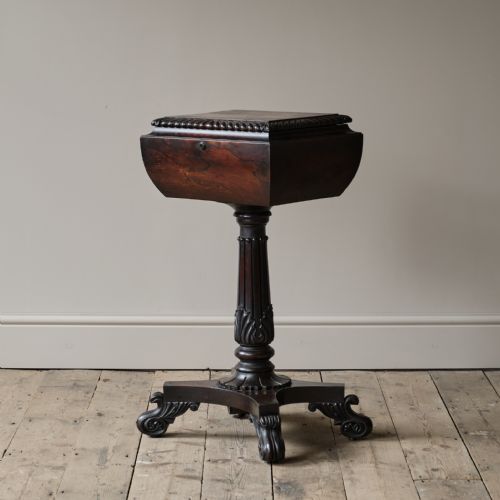
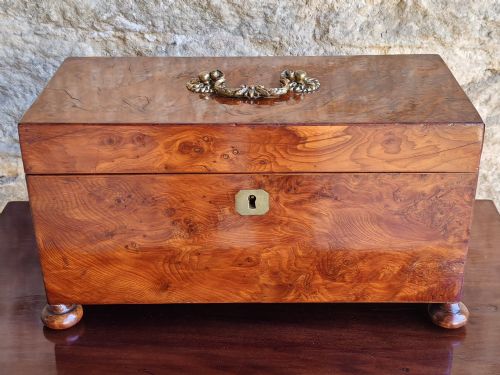
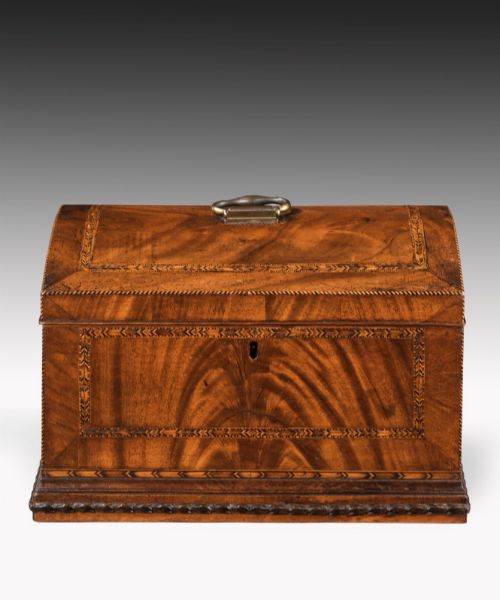
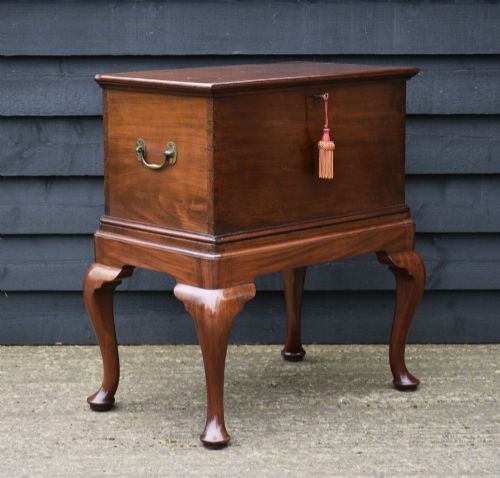
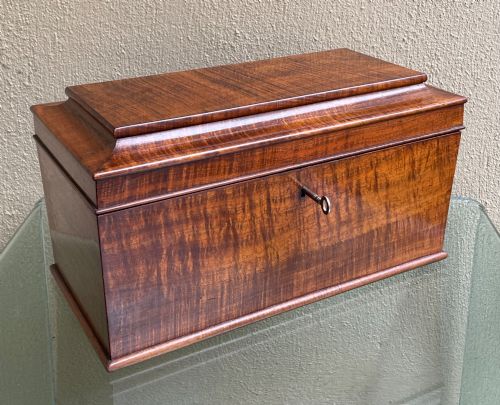
A georgian wooden tea caddy appears in forms ranging from simple rectangular mahogany boxes to elaborate sarcophagus shapes, teapoys on stands, and hexagonal or oval designs. These pieces date across the eighteenth and nineteenth centuries, including Regency and Victorian periods.
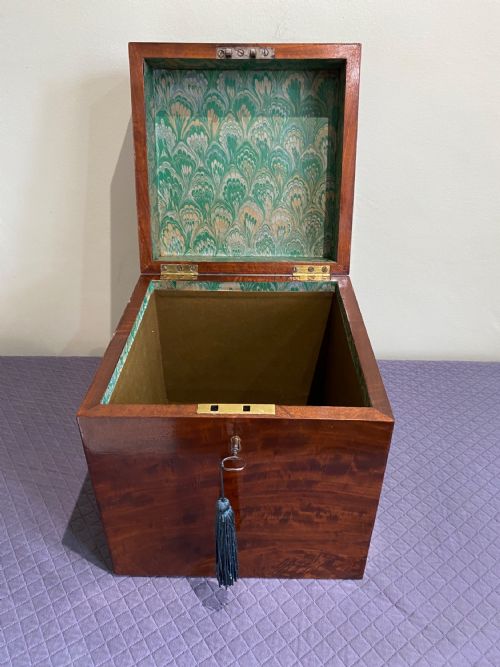
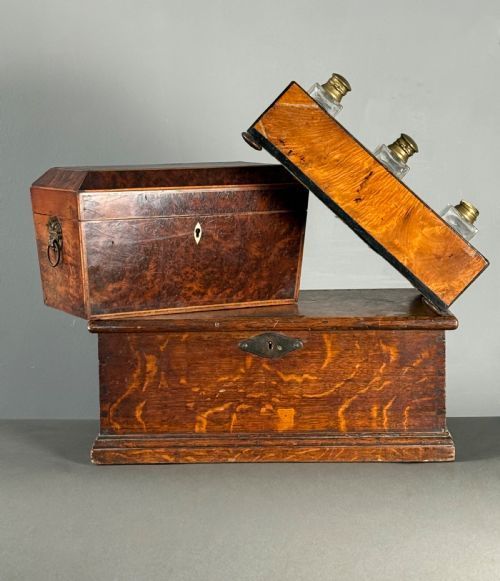
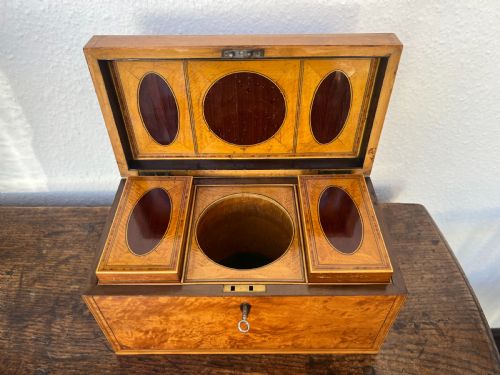
The versions most commonly met on this page include mahogany, rosewood, and satinwood examples, often featuring fitted interiors for canister storage and sometimes retaining glass mixing bowls or secret drawers.
How they were made
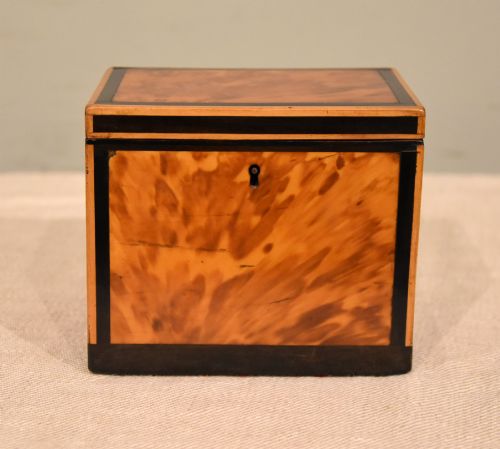
Cabinet makers utilised dense timbers such as mahogany, rosewood, walnut, padouk, and satinwood, frequently embellishing surfaces with intricate boxwood, ebony, bone, mother-of-pearl, and brass inlay or parquetry.
Specialised techniques like paper filigree, paper scroll work, and Tunbridge Ware surface decoration appear on select boxes alongside structural elements such as domed lids, lion mask handles, and lockable mechanisms.
Georgian Wooden Tea Caddy Retail Price Guide 2026
Typical asking prices for georgian wooden tea caddy among the pieces listed under this phrase on Sellingantiques today, from the lower quarter to the upper quarter. They describe what is for sale here now, not the wider market.
Object forms span standard rectangular boxes, domed lids, hexagonal shapes, navette outlines, and larger teapoys on stands.
What varies in quality
The degree of refinement in cabinet work separates standard utility boxes from superior examples, visible in the precision of wood veneers, star and butterfly inlay, and parquetry patterns.
Survival of original internal components, such as glass mixing bowls, mixing sticks, key hardware, and fitted compartments, elevates the standing of a piece.
The Georgian Wooden Tea Caddy Glossary
- Teapoy
- A larger tea container mounted on a central pillar or stand, rather than a small box for table use. These pieces often feature sarcophagus shaped bodies.
- Sarcophagus
- A box shape characterised by a steep, sloping lid and a wider top tapering down toward a pedestal or feet, frequently seen on Regency examples.
- Tunbridge Ware
- Woodworking characterised by mosaic designs created from tiny pieces of naturally coloured local woods to form geometric or pictorial surface patterns.
- Parquetry
- A geometric mosaic of wood pieces used for decorative veneer on box exteriors, utilising contrasting timbers like satinwood and ebony.
- Navette
- A pointed, boat-shaped outline seen in the form of specific oval or curved caddies dating from the Georgian period.
Georgian Wooden Tea Caddy: Frequently Asked Questions
What was a tea caddy used for?
These boxes stored precious black and green tea leaves when tea was an expensive commodity locked away from household staff.
Containers often featured internal compartments with separate lids to keep different tea varieties dry and aromatic.
How do I date a wooden tea caddy?
Dating relies on timber selection, hardware, and prevailing architectural styles such as George III neoclassical details or Regency sarcophagus forms.
18th century examples often display simpler mahogany or satinwood construction, whereas later nineteenth century pieces incorporate heavier rosewood veneers and brass inlay.
Did all tea caddies have glass bowls?
Many caddies included a central glass bowl used for blending different teas or diluting leaves with sugar before pouring.
Surviving original bowls and mixing sticks remain uncommon additions that add to the completeness of an antique box.
Where were tea caddies kept?
Owners kept these locked containers in formal reception rooms such as the parlour or dining room where the host prepared the drink.
Because tea carried high social status, the box remained securely locked until the host served guests.