
Georgian Wooden Storage
Georgian wooden storage encompasses practical timber chests, bookcases and cupboards designed to keep domestic belongings ordered and secure.
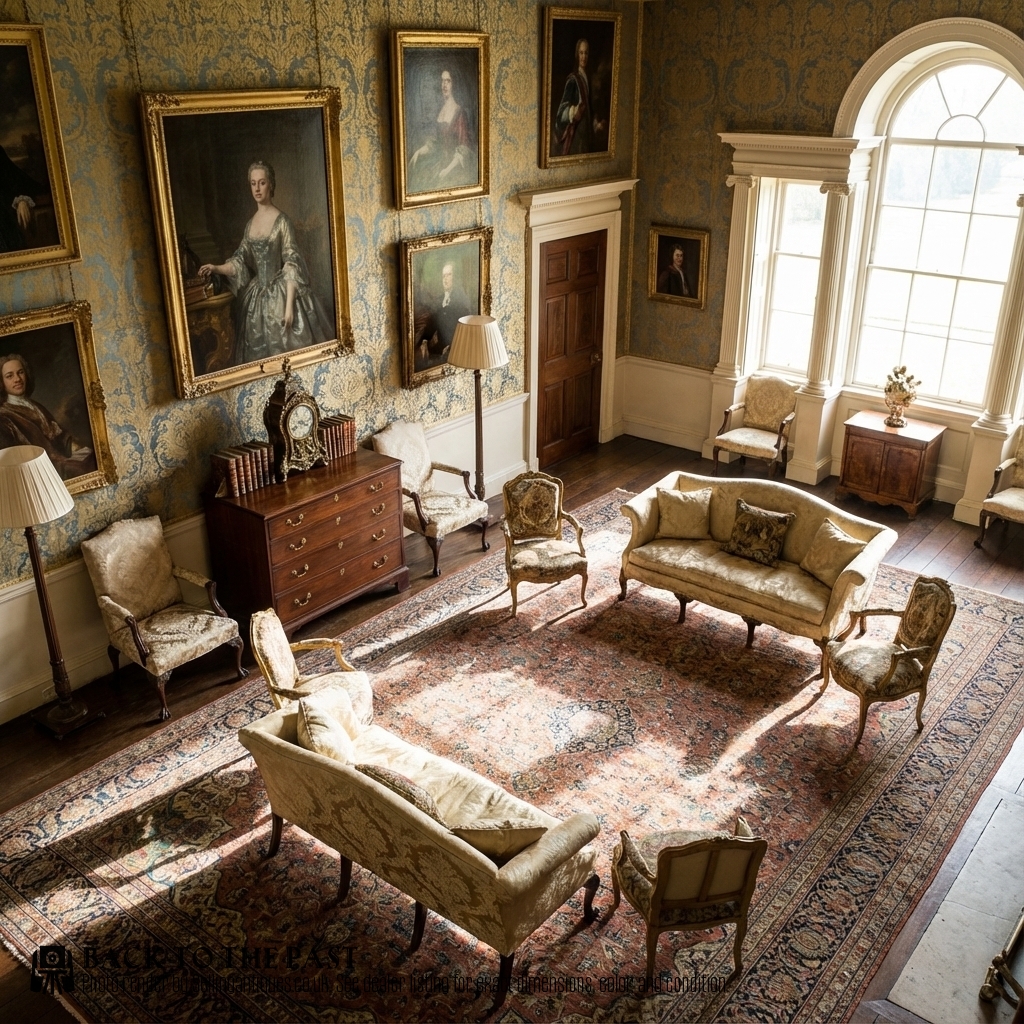
Georgian Wooden Storage
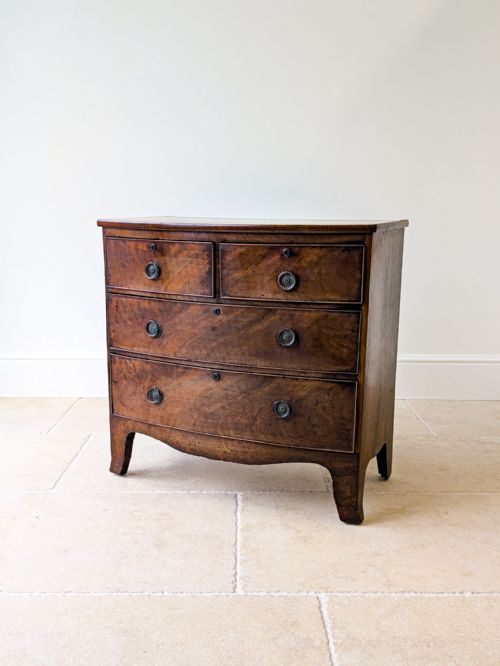
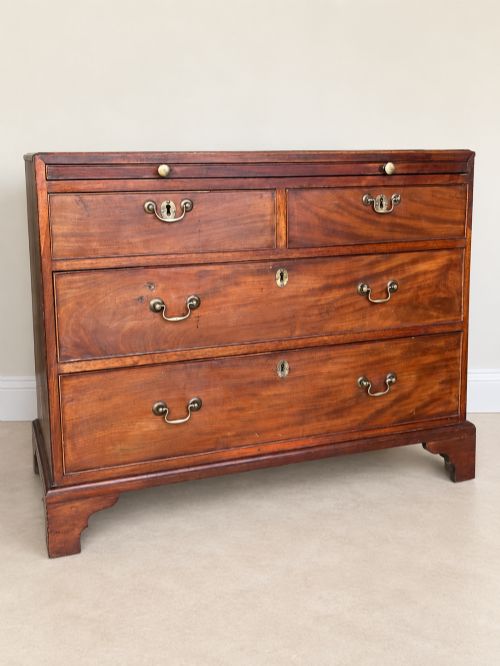
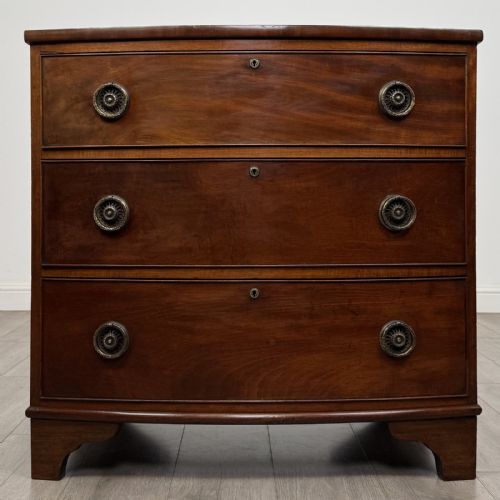
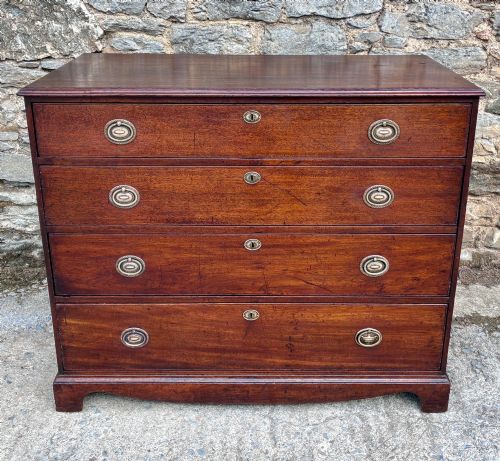
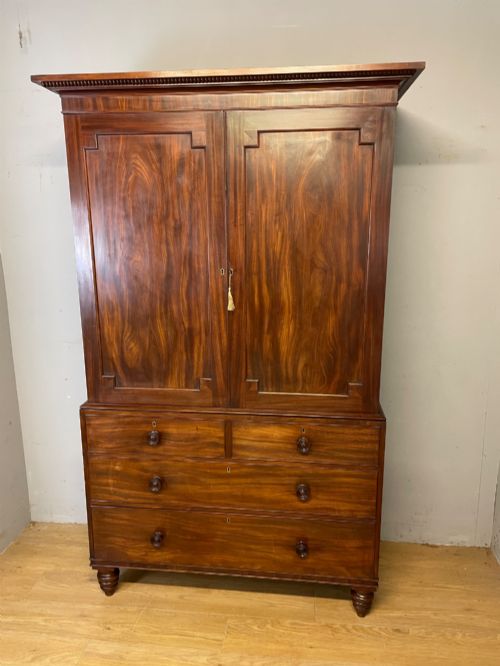
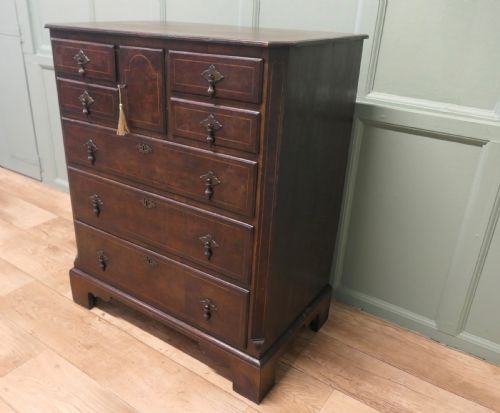
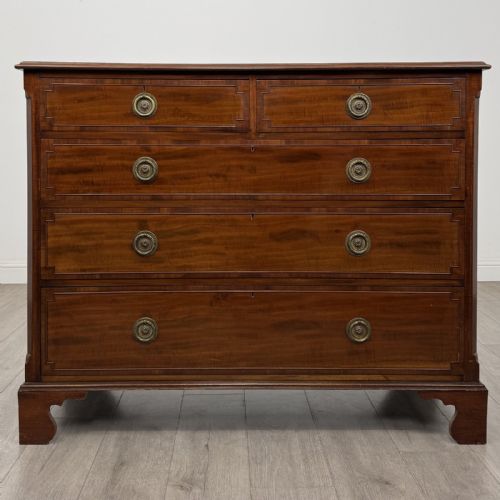
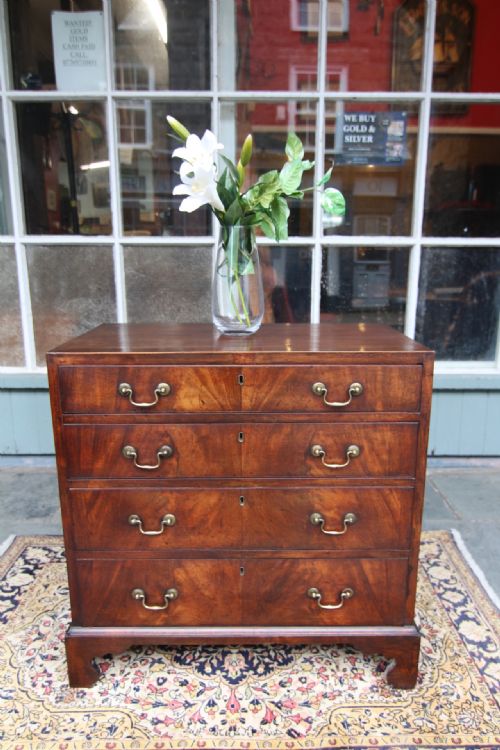
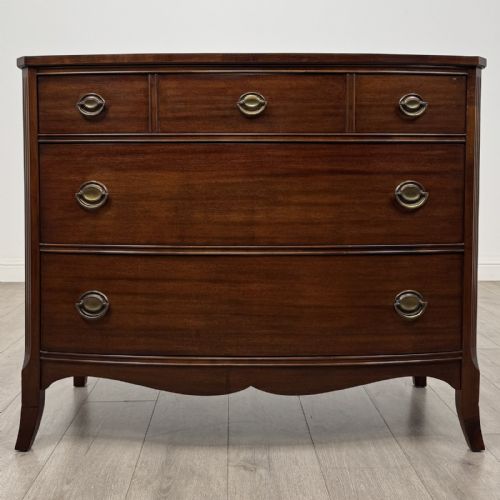
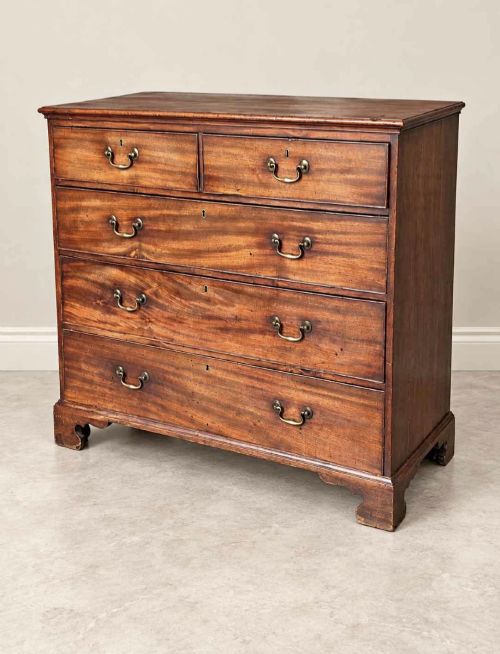
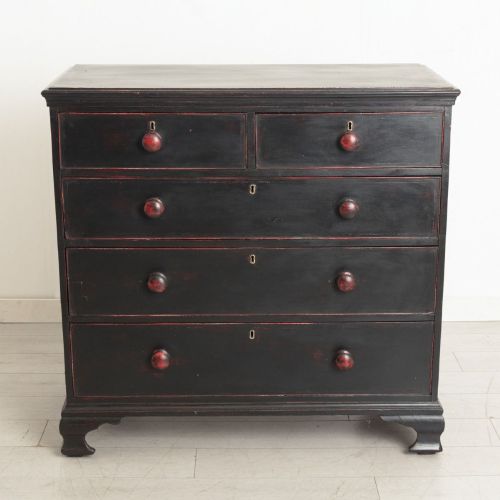
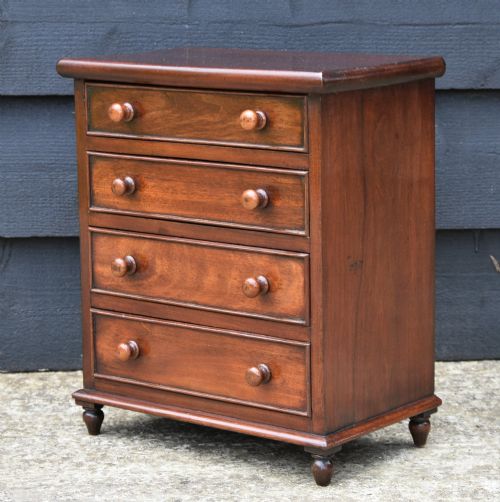
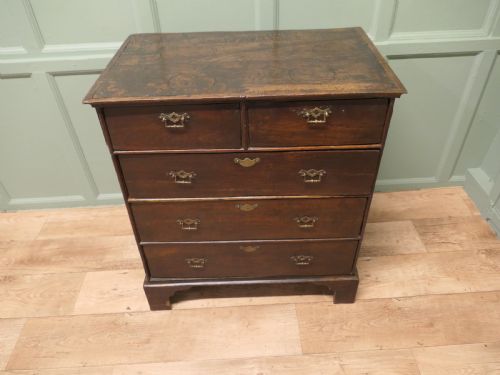
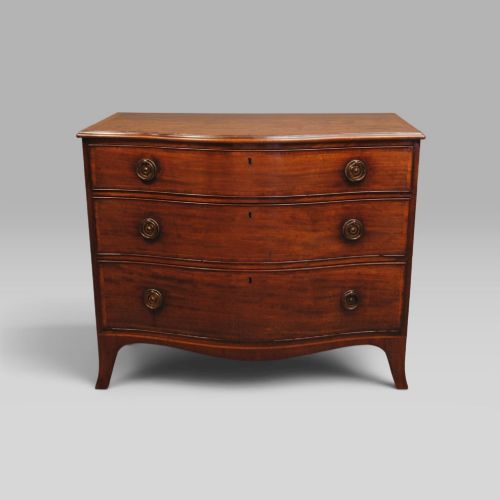
The most common form on this page is the mahogany or oak chest of drawers, often configured with bow fronts or serpentine outlines. Pieces range from small document boxes to tall chests on chest, reflecting the diverse storage demands of period households.
How they were made
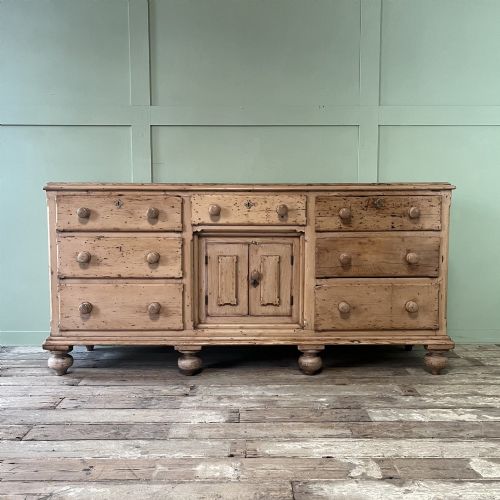
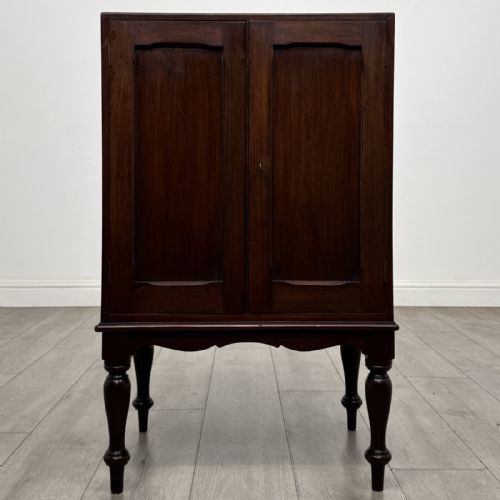
Cabinetmakers constructed these pieces primarily using solid timbers such as oak, elm and mahogany, frequently applying figured walnut or flame mahogany veneer to primary surfaces. Brass handles, escutcheons and iron hardware provided functional closure and structural reinforcement.
Joinery methods relied on traditional techniques like dovetailing for drawer construction and mortise and tenon joints for heavy coffers. Timber selection balanced durability for utilitarian boxes with decorative grain figures for formal reception room furniture.
Listings feature eighteenth and nineteenth century periods alongside later revival styles executed in mahogany, oak, walnut and elm.
What varies in quality
Quality differences depend largely on the selection of timber veneers, such as crossbanded burr walnut or matched flame mahogany, which elevate plain utility furniture into decorative art. Superior execution shows in crisp carving, harmonious proportions and meticulous attention to secondary woods inside drawers.
The integration of brass hardware and the precision of the dovetail joinery distinguish workshops of high repute from provincial vernacular pieces. Finer examples maintain structural integrity and original surfaces without intrusive modern alterations.
Whytock And Reid·J Moorcroft
The Georgian Wooden Storage Glossary
- Bow front
- A convex curved cabinet front popular during the Georgian and Regency periods. This shape softens room corners while increasing internal drawer volume.
- Serpentine
- A gently undulating front profile featuring a convex centre flanked by concave curves. This complex shaping requires advanced woodworking skill.
- Coffer
- A heavy wooden chest traditionally used for storing valuables or linens. Early examples feature pegged frame and panel construction in solid oak or elm.
- Crossbanding
- A border veneer applied around the perimeter of a panel with the wood grain running perpendicular to the centre. It creates a neat framing effect on drawer fronts.
- Escutcheon
- A protective brass plate surrounding a keyhole. It prevents timber wear around the lock mechanism.
Georgian Wooden Storage: Frequently Asked Questions
How do I identify a coffer?
A coffer is a heavy storage chest, typically built from solid oak or elm with boarded or panelled walls. They represent some of the earliest domestic furniture forms.
Use the heavy framing and pegged joints to recognise early pieces. They stood in halls or bedrooms to hold heavy textiles and blankets.
What is a chest on chest?
A chest on chest, or tallboy, consists of a larger chest of drawers stacked beneath a slightly smaller upper chest. This configuration maximises vertical capacity.
Introduced to provide extensive clothing storage without occupying excessive floor space, they often display fine mahogany or walnut veneers. The division between sections allows for easier movement.
Where were blanket chests used?
Blanket chests resided primarily in bedrooms to keep woollen bedding clean and protected from moths. Elm and oak variants were common in vernacular homes.
Their simple internal space accommodated bulky textiles before fitted wardrobes became standard. Lids lifted upward to provide immediate access to bedding.