
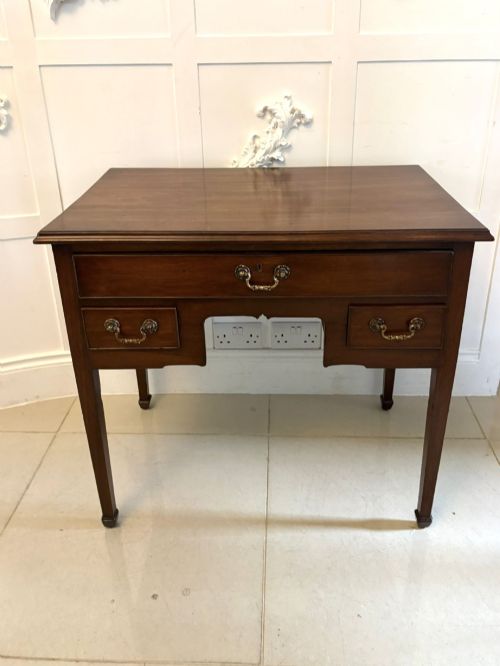
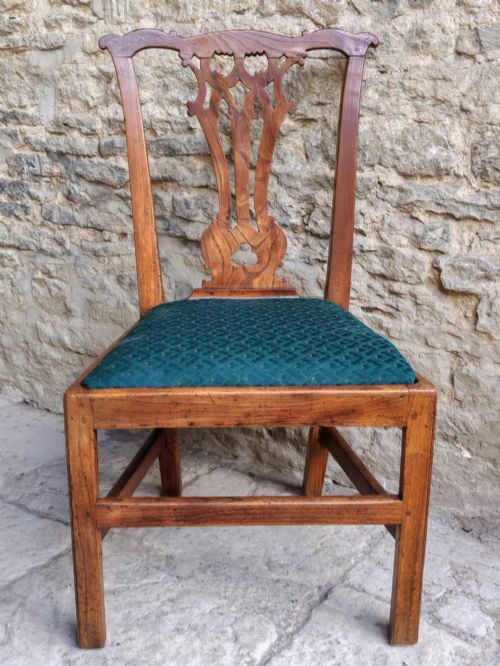
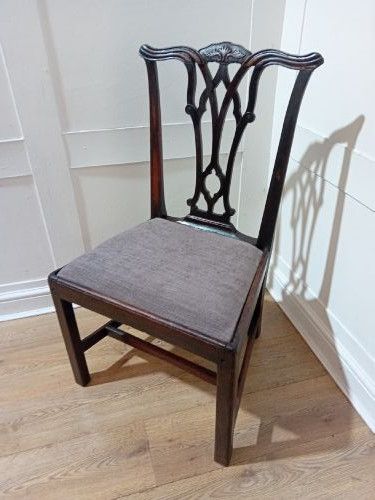
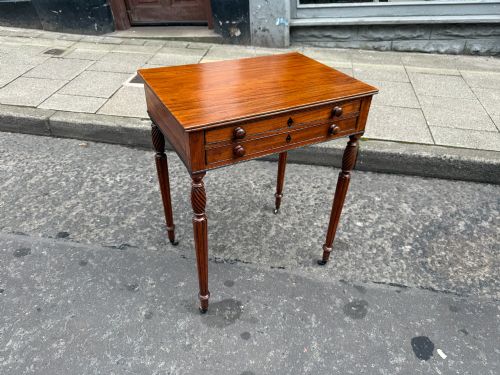
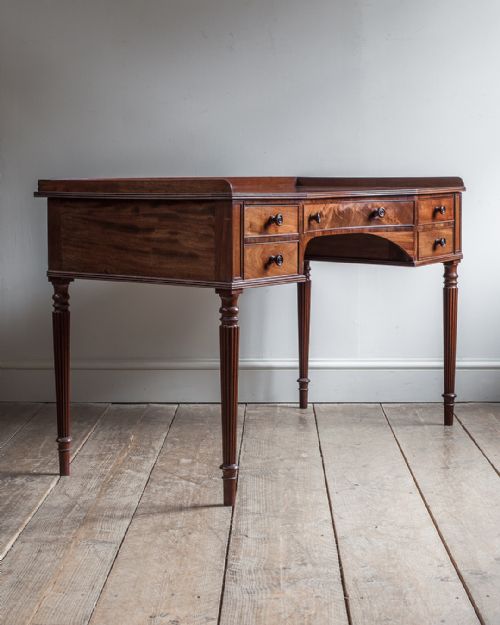
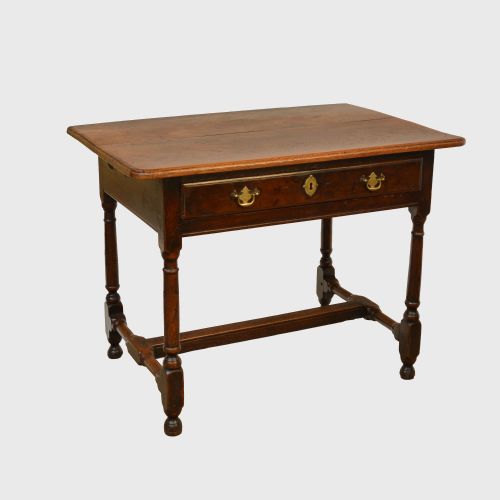
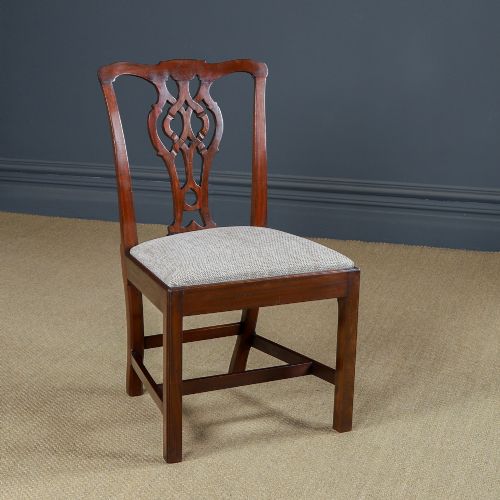
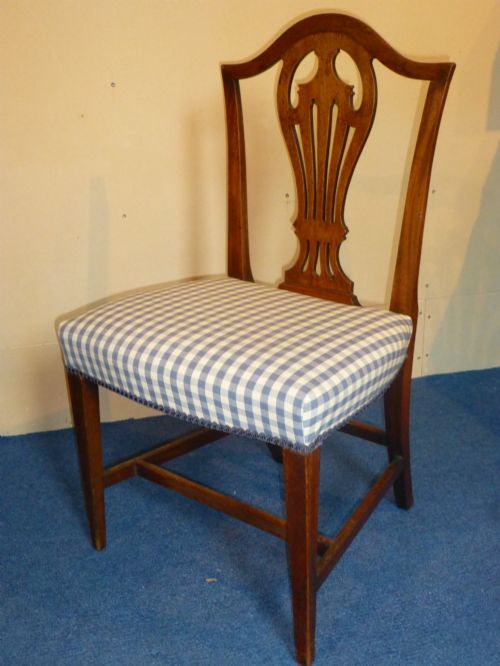
Georgian Wooden Side Desk
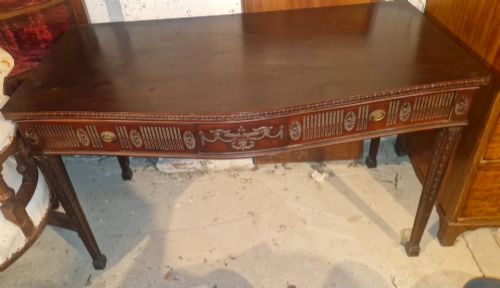
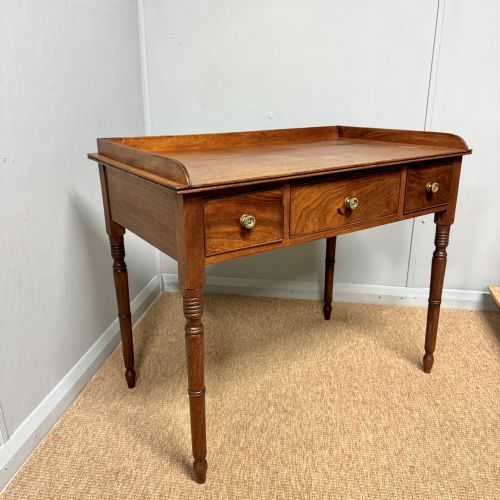
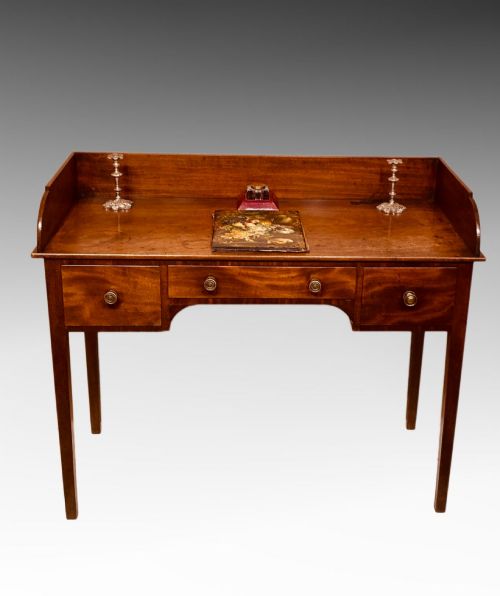
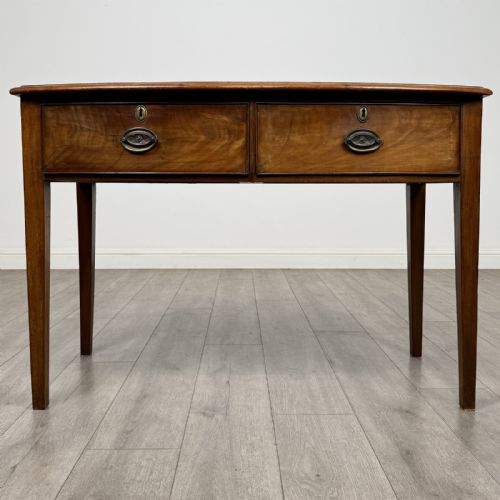
A georgian wooden side desk provides a compact surface for letters and paperwork, combining period cabinetwork with everyday utility.
Georgian Wooden Side Desk
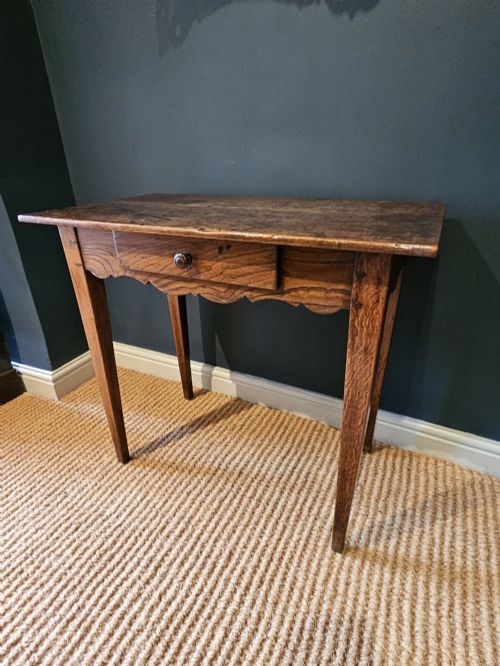
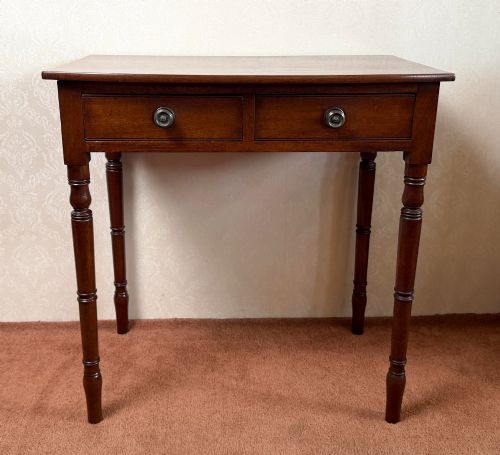
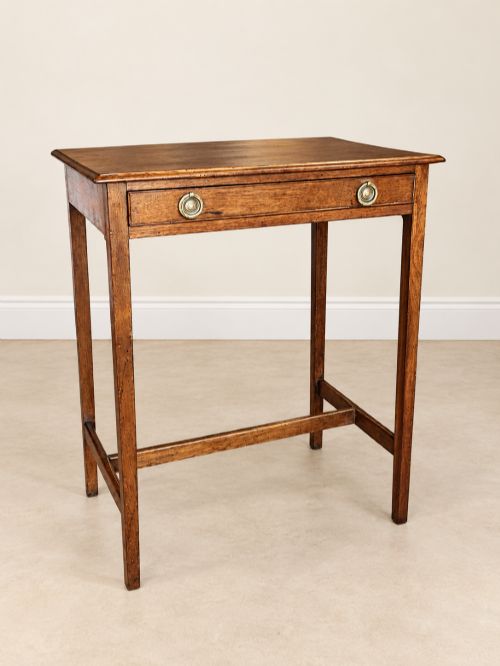
Buyers seeking a georgian wooden side desk encounter versatile writing tables, lowboys, and occasional tables spanning the eighteenth century through the regency period. These items range from simple oak plank top tables to walnut and mahogany side tables equipped with drawers.
The selection includes lowboys in burr elm or walnut, alongside pembroke tables and library tables with drop flaps. Many pieces bridge the function of a writing surface and a dressing table, reflecting flexible domestic arrangements of the period.
Materials and construction
Cabinetmakers relied heavily on mahogany, oak, walnut, and elm, often pairing denser hardwoods with fruitwood or satinwood for secondary elements and decorative accents. Brass hardware, cane seats, and upholstered inserts appear where functional hardware and comfort required them.
Construction techniques involve pegged joints, dovetailed drawer construction, and occasional marquetry inlay to enhance plain timber surfaces. Timber selection governed both the structural integrity and the visual depth of the finished desk or table.
Sphinx lamp conversions occasionally appear alongside conventional tables, bringing an unexpected neoclassical creature into the library.
Distinctions in quality
Quality rests upon the selection of timber figures, such as flame mahogany or burr elm, and the precision of the joinery in drawer construction. Pieces displaying restrained proportions and balanced framing demonstrate superior design intent compared to heavier, utilitarian equivalents.
The degree of original surface patination and the retention of period brass fittings significantly separate standard examples from finer works of the cabinetmaker's art.
The Georgian Wooden Side Desk Glossary
- Lowboy
- A small table with one or more drawers, commonly used as a dressing or writing table during the eighteenth century.
- Pembroke table
- A small, rectangular table with hinged drop flaps on either side, introduced in the mid-eighteenth century.
- Marquetry
- Decorative veneer work arranged in geometric or pictorial patterns across the surface of a panel.
- Flame mahogany
- Timber cut to reveal a characteristic flamed grain pattern, prized for high-end cabinetwork.
Georgian Wooden Side Desk: Frequently Asked Questions
How do I identify a Pembroke table?
A Pembroke table is distinguished by its rectangular top and hinged drop flaps on opposing sides. These flaps allow the table to expand when needed.
They appear frequently in mahogany and satinwood, functioning easily as small writing desks or occasional tables.
Which woods were used?
Cabinetmakers utilised native and imported timbers including mahogany, oak, walnut, elm, and yew. Secondary woods often included fruitwood.
Finer pieces selected veneers like flame mahogany or burr elm to provide decorative contrast on drawer fronts and tops.
Where should I place one?
These pieces suit reception rooms, studies, and bedrooms as functional writing surfaces or lamp tables. Their compact footprints allow placement in narrow hallways.
Protection from direct heat sources and sunlight preserves the polished timber surface and natural patination over time.