
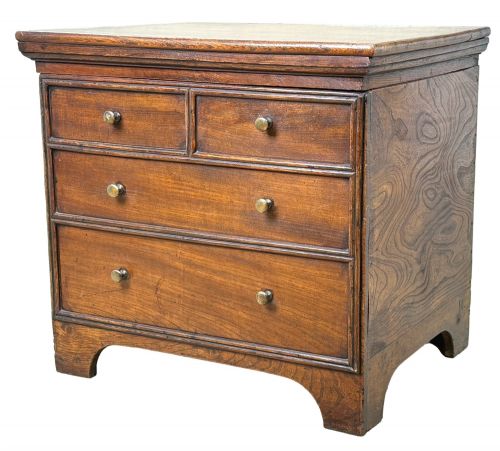
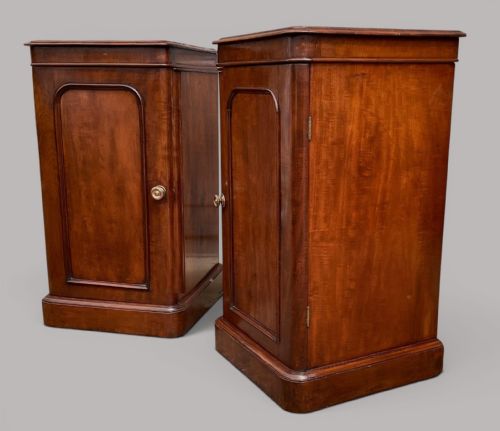
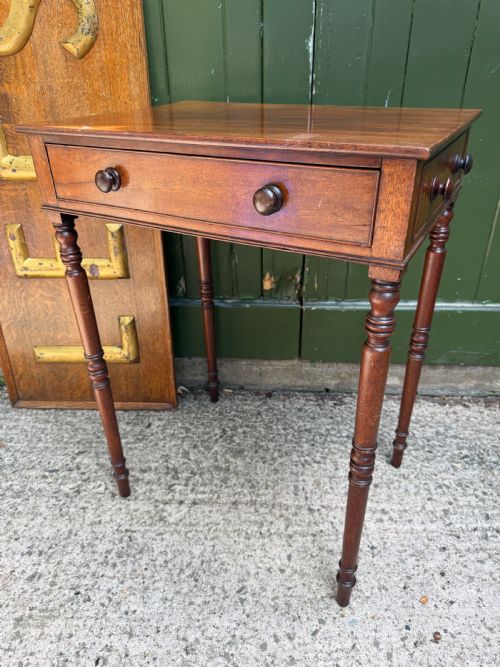
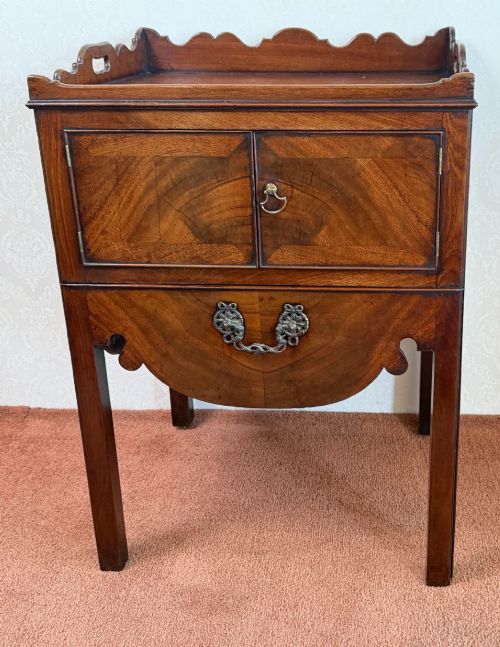
Georgian Wooden Nightstand
A georgian wooden nightstand brings genuine period character and compact utility to a bedroom, offering thoughtful storage close at hand.
Georgian Wooden Nightstand
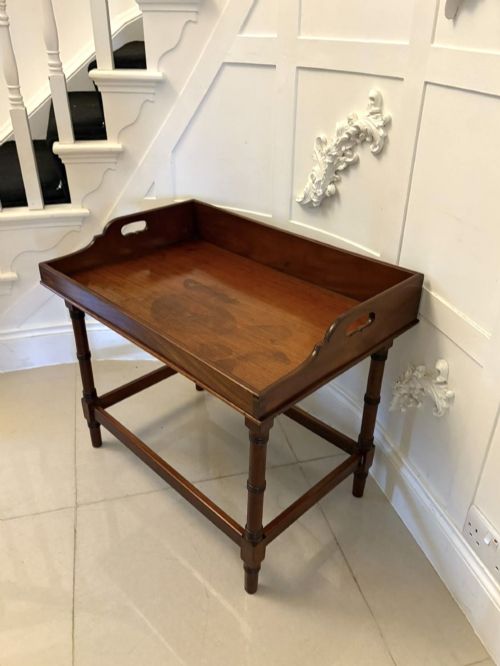
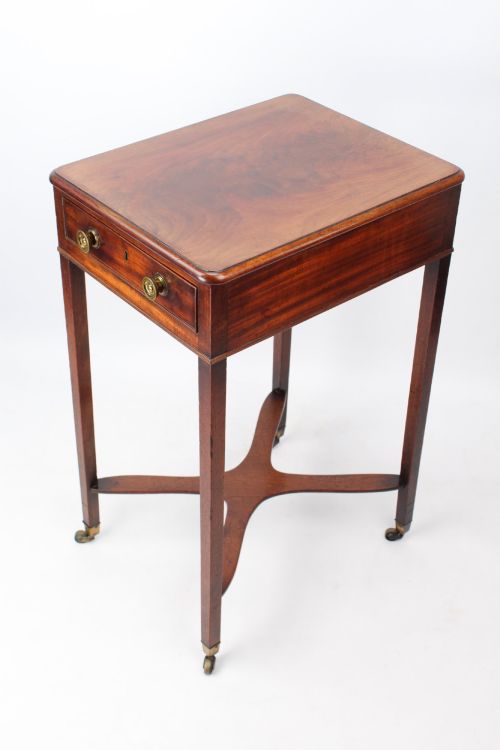
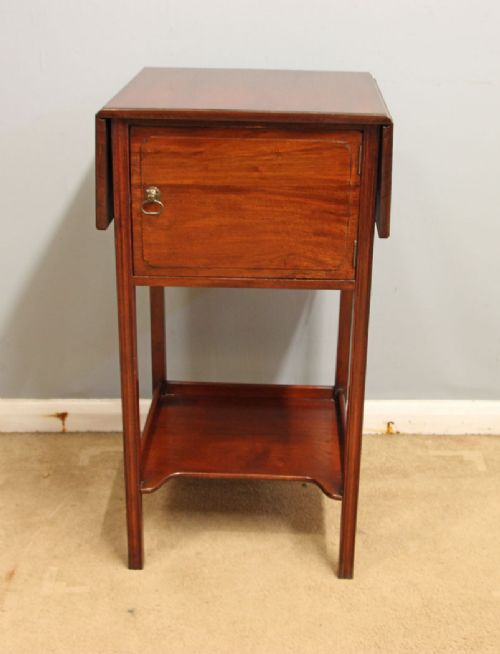
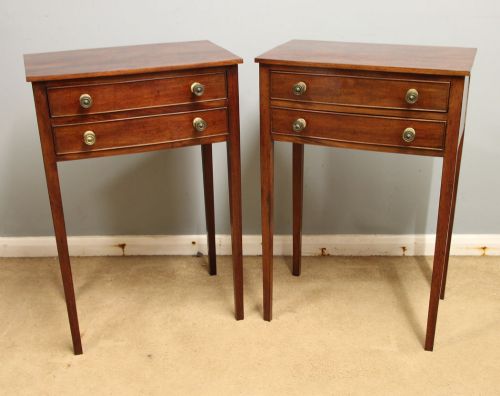
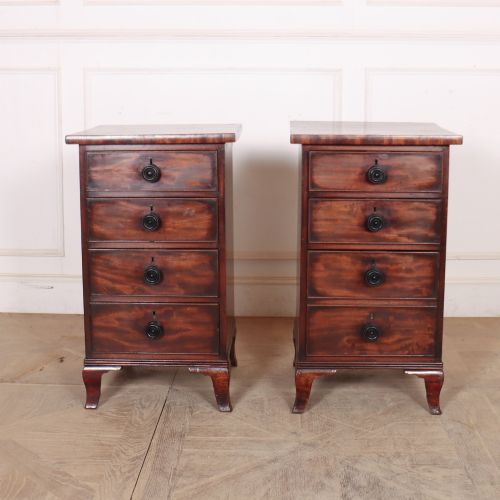
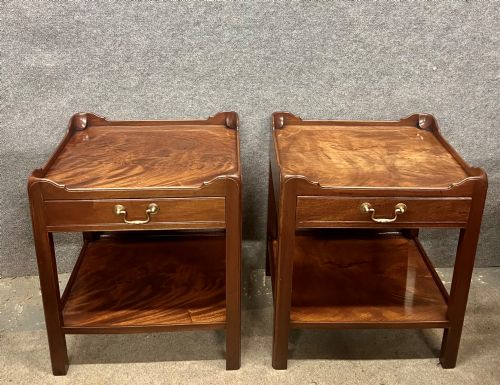
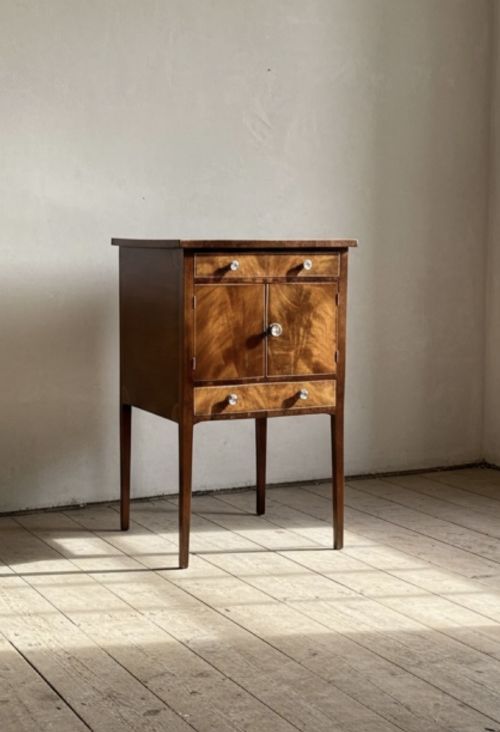
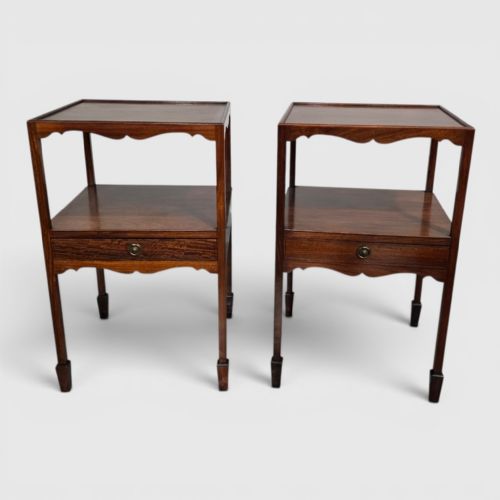
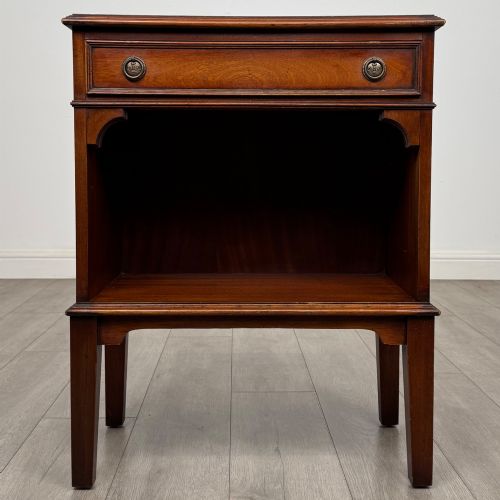
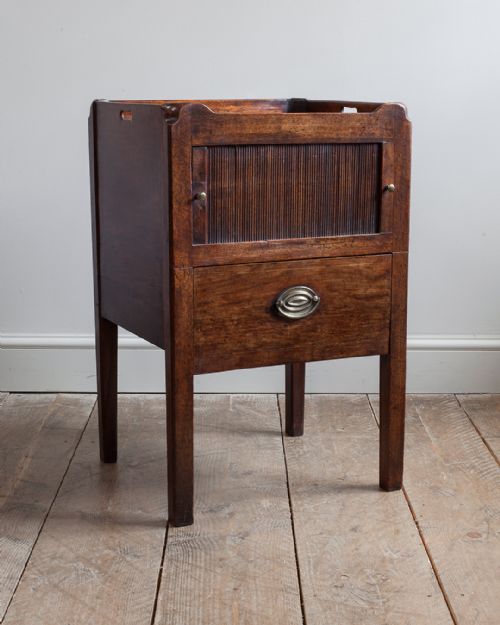
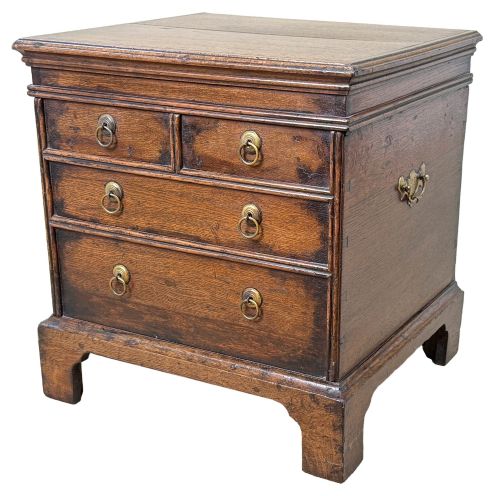
When searching for a georgian wooden nightstand, buyers encounter a variety of practical forms designed for the bedroom, including bedside tables, cabinets, and close stools. The selection ranges from authentic 18th-century pieces to later interpretations created during the Victorian, Edwardian, and revival periods.
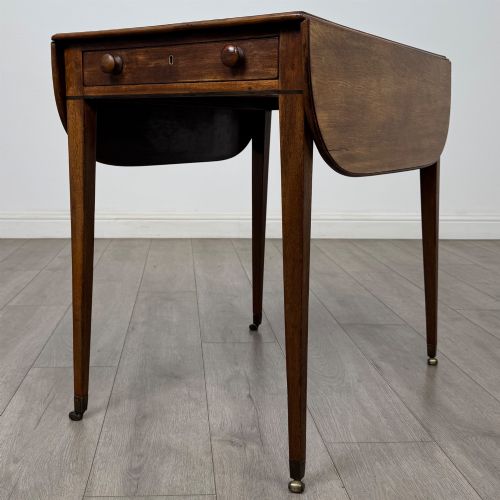
The pieces appearing on this page span several decades and styles, reflecting the diverse ways cabinet makers adapted small furniture for personal chambers. Alongside standard bedside cabinets, listings feature drop-leaf pembroke tables, compact side tables with drawers, and occasional lamp tables suited for bedside placement.
Materials and construction
Cabinet makers relied primarily on mahogany, oak, and walnut to build these functional items, frequently utilising flame mahogany veneer and satinwood inlay for decorative surface contrast. Brass hardware, such as handles and hinges, provided both structural reinforcement and visual detail.
Joinery techniques matched the demands of daily bedroom use, incorporating stable frames, fitted drawers, and occasionally reeded legs or tray tops to contain items securely. Secondary timbers like elm and fruitwood also appear in regional pieces and close stools.
Distinctions in quality
Quality rests upon the selection of timber figures, such as dense flame mahogany or finely grained walnut, paired with crisp execution of inlay and edge mouldings. Superior examples display balanced proportions and thoughtful integration of hardware like fitted silver drawers.
Construction integrity distinguishes workshop output, seen in tight dovetail joints, uniform timber movement control, and robust leg structures. Maker attribution, when present, further separates standard regional joinery from pieces produced by distinguished cabinet-makers.
Holland and Sons·Gillows
The Georgian Wooden Nightstand Glossary
- Tray top
- A raised rim surrounding the upper surface of a table or cabinet to prevent items from rolling off. This practical feature often appears on mid 18th-century bedside tables.
- Close stool
- A piece of furniture designed to enclose a chamber pot, frequently disguised as a small bedside chest or cabinet. These items utilise hinged lids and doors to maintain discretion.
- Pembroke table
- A drop-leaf table featuring two hinged flaps on opposite sides that can be raised or lowered. They often include a single drawer and were used for multiple domestic purposes.
- Flame mahogany veneer
- A highly figured wood veneer sliced from mahogany timber where the grain pattern resembles flickering flames. It was chosen for its decorative impact on drawer fronts and cabinet doors.
- Reeded legs
- Vertical rounded parallel mouldings carved into furniture legs, popular during the Regency and later periods. They add linear texture to the support structure.
Georgian Wooden Nightstand: Frequently Asked Questions
What is a georgian wooden nightstand used for?
These pieces served personal quarters as bedside storage for chamber pots, books, and nighttime necessities. Today they function as compact bedside tables or lamp tables.
Their small scale allows them to fit easily beside modern beds while offering concealed storage inside cabinets or drawers.
How do I identify a georgian period piece?
Look for traditional timber choices like solid mahogany or oak combined with period joinery methods such as hand-cut dovetails. Proportions tend to be compact and functional.
Cross-referencing stylistic details with the cabinet maker's output from the 18th century helps confirm the era of origin.
Are all these items from the 18th century?
The listings include pieces from the Georgian era alongside later 19th-century and 20th-century revival interpretations. Edwardian and Victorian makers frequently recreated these classic forms.
Checking the listed period details on each specific piece clarifies whether it is an original 1700s example or a later adaptation.
How do I care for antique wooden furniture?
Keep wooden surfaces away from direct sunlight and strong heat sources to prevent the timber and veneers from drying out. Regular dusting with a soft, dry cloth preserves the finish.
A gentle application of appropriate wax occasionally helps maintain the lustre of the mahogany, oak, or walnut.