
Georgian Wooden Chest
A georgian wooden chest brings tactile warmth and enduring utility to a room through centuries of timber craftsmanship.
Georgian Wooden Chest
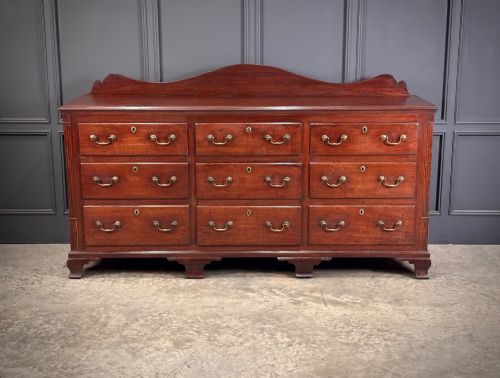
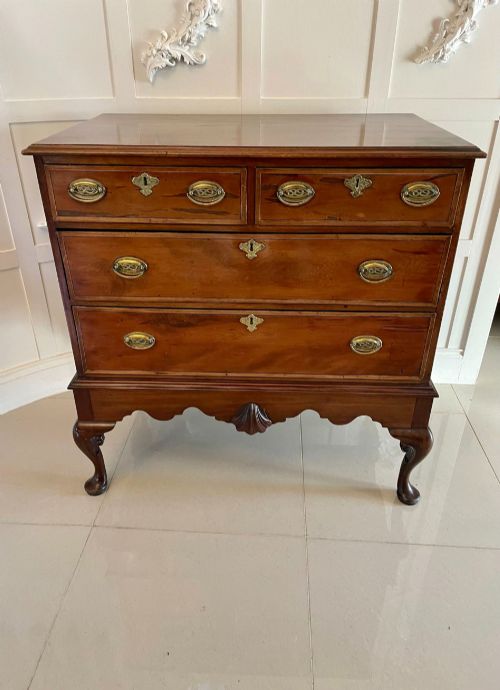
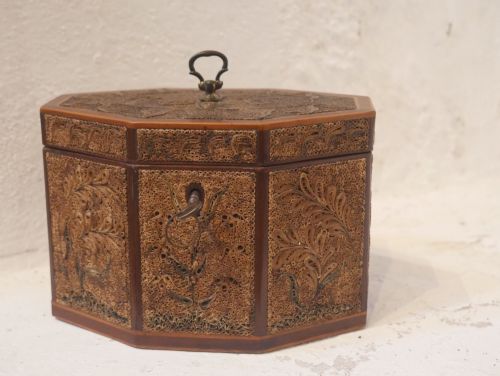
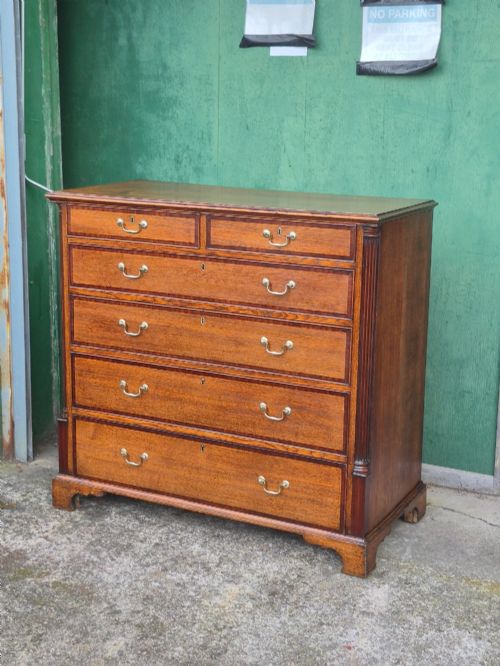
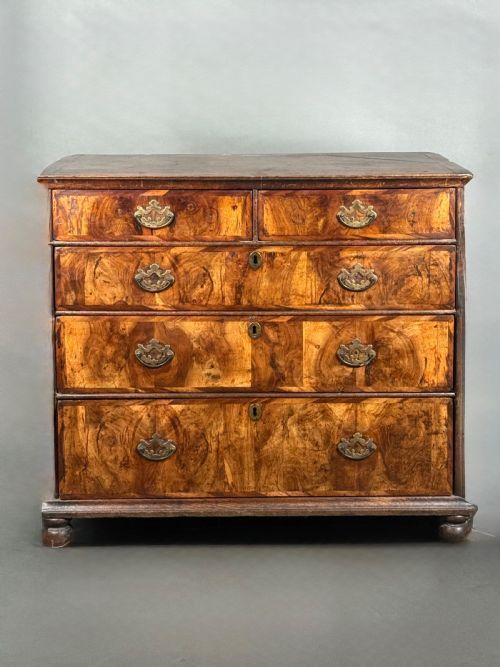
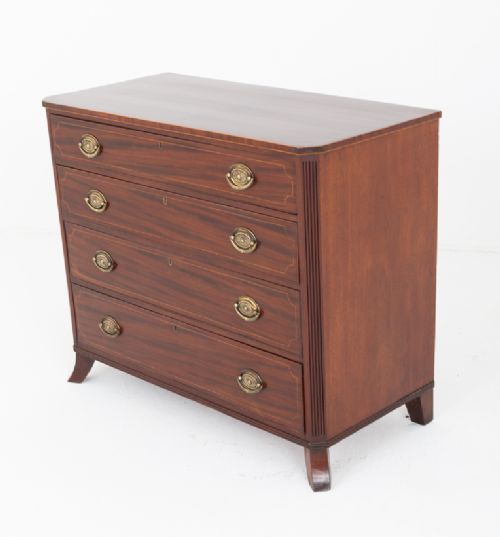
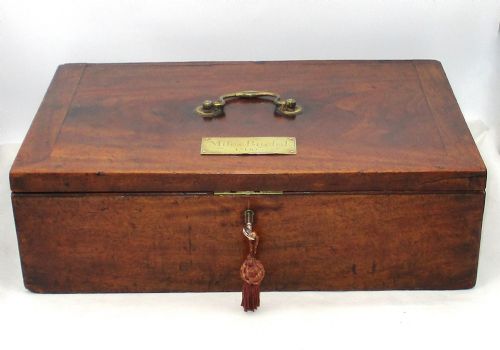
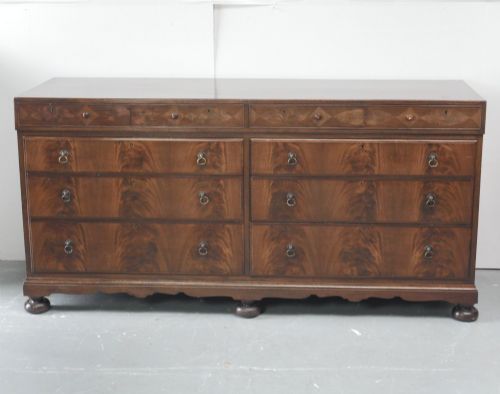
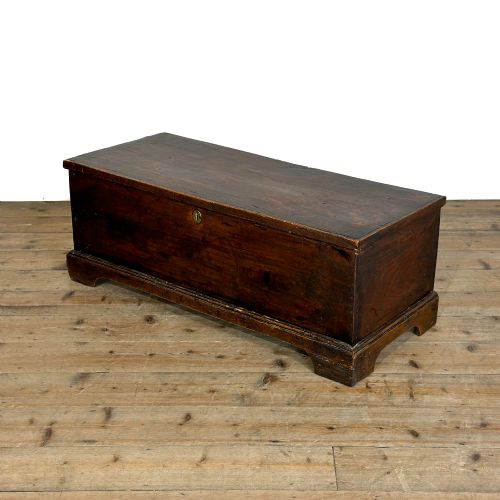
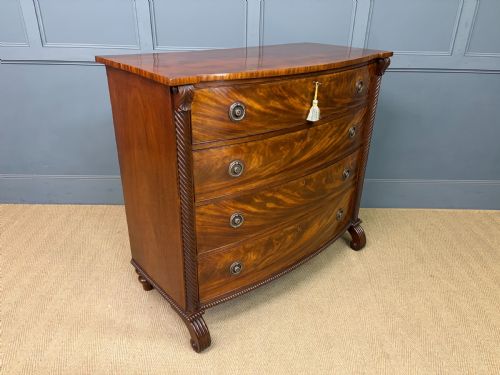
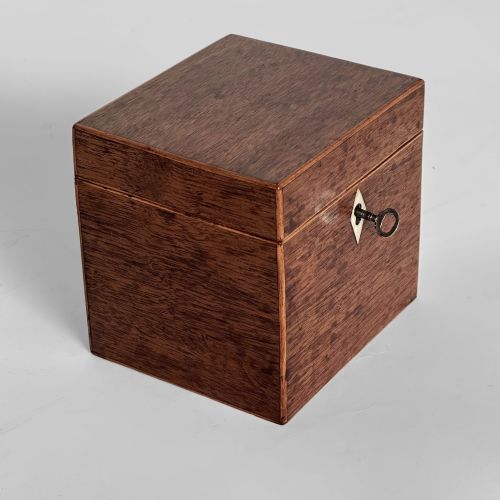
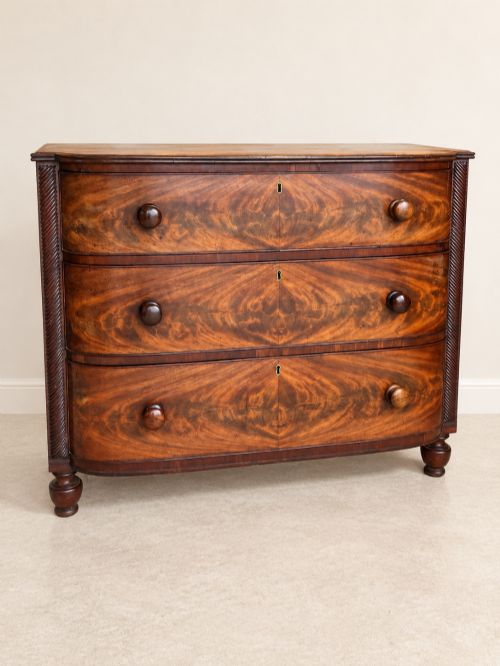
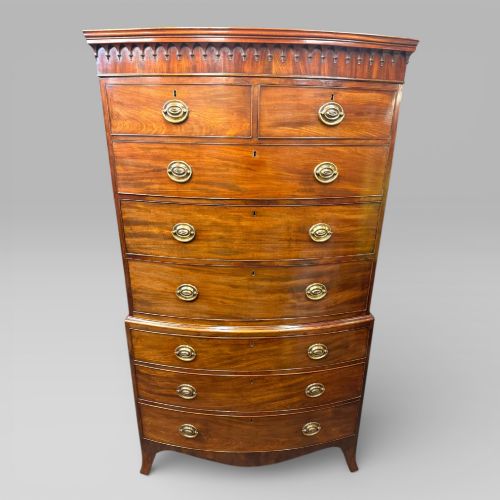
When you search for a georgian wooden chest, you encounter a variety of forms including large chests of drawers, blanket chests, coffers, document boxes, and tea caddies. These pieces span the eighteenth century, the Regency period, and later revival eras, reflecting the evolving domestic needs of their original owners.
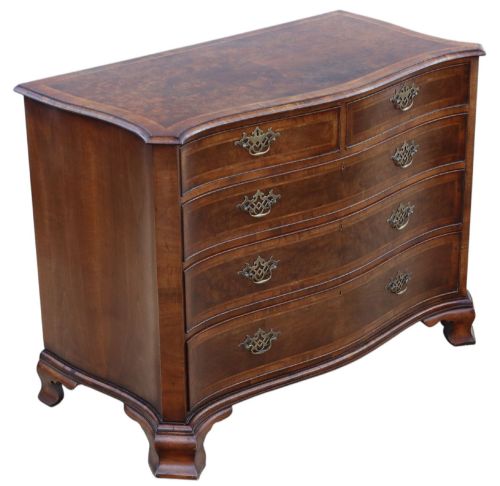
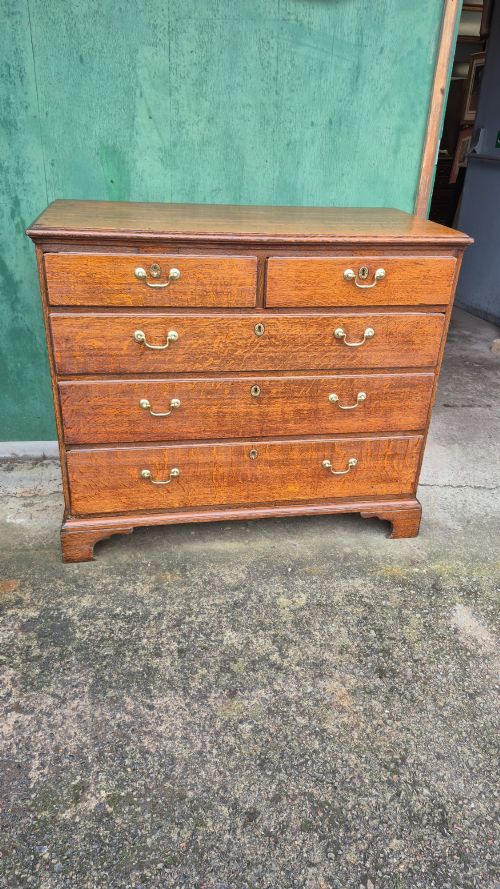
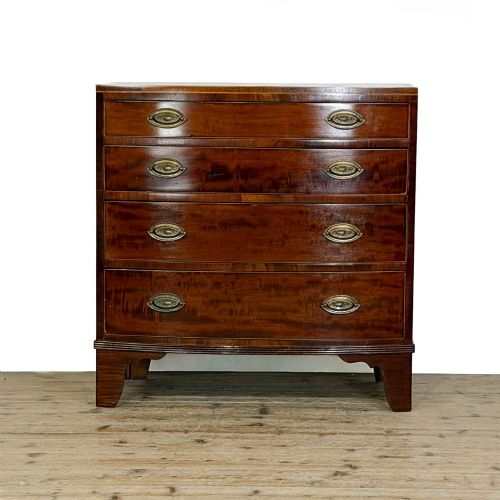
The most common examples on this page are chest of drawers configurations in mahogany, oak, and walnut, often featuring graduated drawers and period brass hardware. Alongside these stand smaller storage items like tea caddies and decorative boxes finished in satinwood or burr walnut.
Origins range widely across British workshops, with occasional regional variations such as Scottish or Dutch pieces appearing among the standard Georgian and Regency items. Makers like J Moorcroft and Whytock & Reid also surface, grounding the broader historical styles in specific cabinet-making traditions.
Materials and construction
Cabinet-makers relied heavily on native and imported timbers, utilising mahogany, oak, and walnut for primary structures, supplemented by satinwood, burr walnut, and elm for decorative surfaces. These woods were chosen for their grain patterns and structural stability, often enhanced through crossbanding and figure matching.
Metal fittings such as brass handles, escutcheons, and occasional bone details provided functional contrast to the dark woods. Joinery techniques varied from robust dovetailed drawer construction in larger chests of drawers to delicate paper filigree or box-making methods in smaller tea caddies and document boxes.
Georgian Wooden Chest Retail Price Guide 2026
Typical asking prices for georgian wooden chest among the pieces listed under this phrase on Sellingantiques today, from the lower quarter to the upper quarter. They describe what is for sale here now, not the wider market.
Listings span several centuries, encompassing eighteenth-century craftsmanship, Regency styling, and later nineteenth- and twentieth-century revivals.
Judging construction and finish
Quality in these pieces rests upon timber selection and the precision of the cabinet-maker's joinery. Examples featuring figured walnut, flame mahogany, or serpentine fronts demonstrate superior material choice and advanced shaping skills compared to simpler rectilinear oak or mahogany carcases.
The integrity of original brass hardware, uncompromised timber patination, and careful proportions elevate a piece. Later revival iterations, such as those from nineteen hundred or nineteen twenty, maintain varied standards depending on whether they closely emulate eighteenth-century proportions or adopt broader decorative interpretations.
Whytock & Reid·J Moorcroft
The Georgian Wooden Chest Glossary
- Serpentine
- A front design curving outward in the centre and inward at the sides. This fluid shape demands advanced woodworking skill to execute cleanly.
- Bow Front
- A convex curved cabinet front that projects outward in a smooth arc. It gained immense popularity during the Regency period.
- Crossbanding
- A narrow strip of veneer laid around the border of a panel with the grain running perpendicular to the centre. It creates a neat, contrasting frame.
- Brushing Slide
- A pull-out shelf integrated into a chest of drawers below the top surface. It served as a convenient writing or sorting ledge.
- Chest on Chest
- A tall storage unit formed of one chest stacked directly upon a larger one. This form maximised vertical capacity in smaller bedrooms.
Georgian Wooden Chest: Frequently Asked Questions
What is a brushing slide?
A brushing slide is a pull-out shelf positioned just beneath the top surface of a chest of drawers. It provided a temporary resting place for clothes or documents.
Cabinet-makers integrated these smoothly into the timber framework so they remained hidden when not in use.
Are these chests made of solid wood?
These chests combine solid structural timbers like oak and mahogany with finely figured veneers applied to drawer fronts and top panels. Veneering allowed cabinet-makers to display striking grain patterns without compromising the stability of the carcase.
Secondary woods like pine or oak were frequently used for internal drawer linings and secondary panels.
How do I care for antique timber?
Antique timber benefits from stable indoor humidity and protection from direct sunlight to prevent the wood from drying or fading. Regular dusting with a soft, dry cloth preserves the finish.
Applying a traditional beeswax polish occasionally helps nourish the grain and maintain the natural lustre of the surface.