


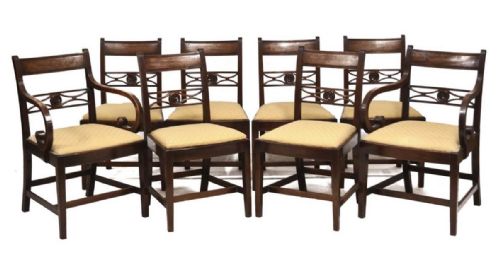

Georgian Wooden Carver
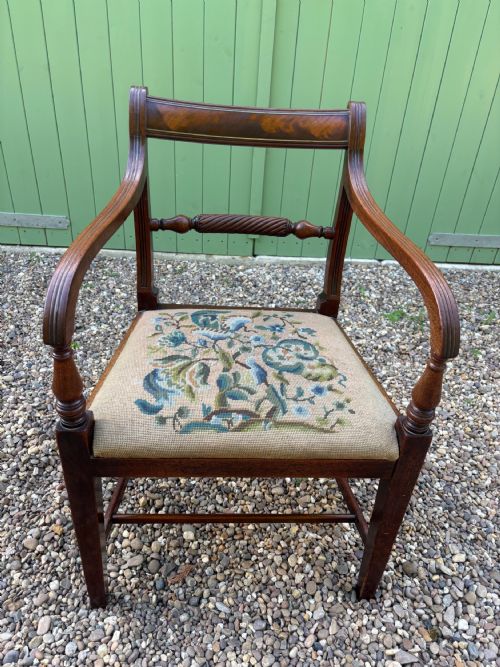
A georgian wooden carver is a sturdy seat with armrests designed for the head of a dining table or a writing desk.
Georgian Wooden Carver
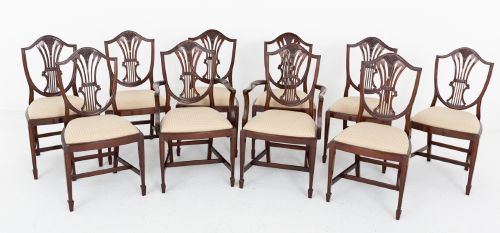
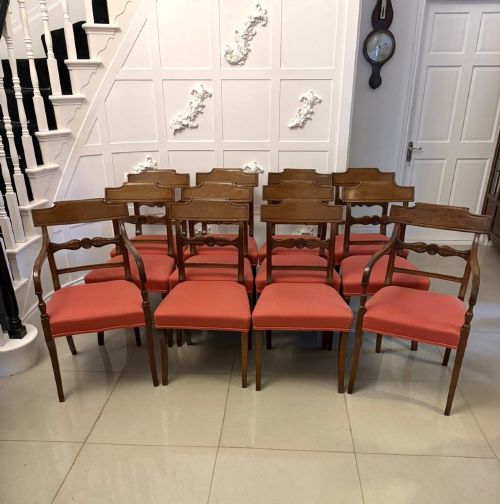
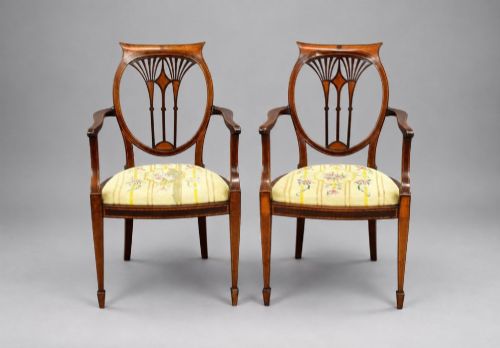
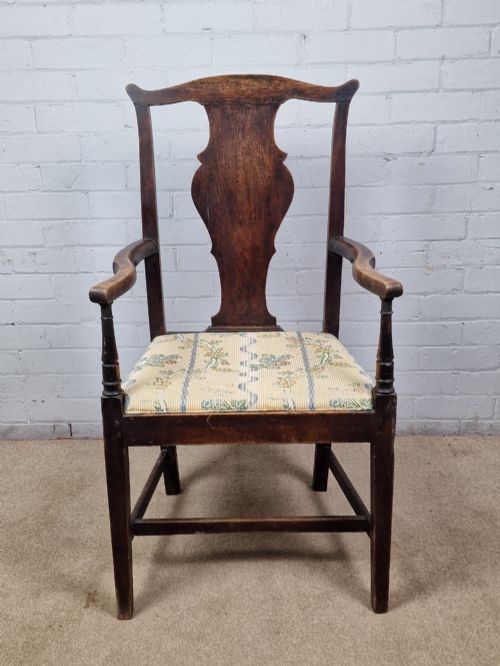
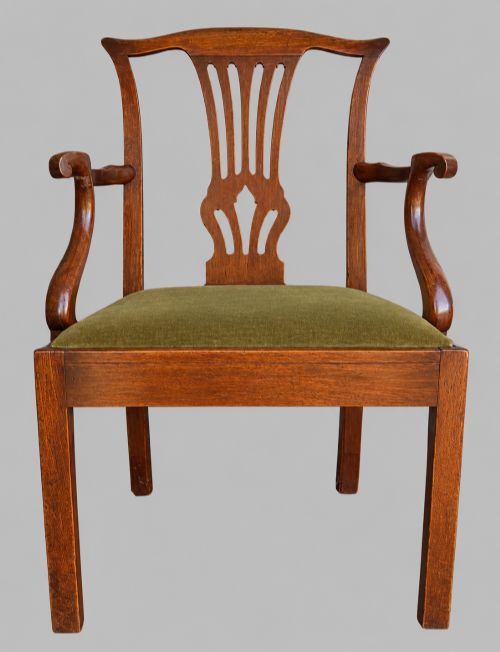
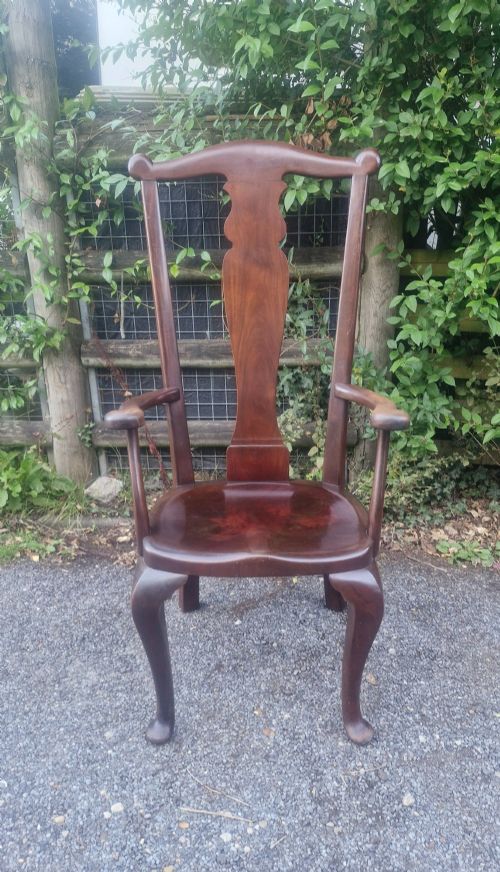
When you search for a georgian wooden carver, you encounter single armchairs meant to stand at the ends of dining tables alongside matching side chairs. They appear in formal urban designs as well as regional country vernacular forms.
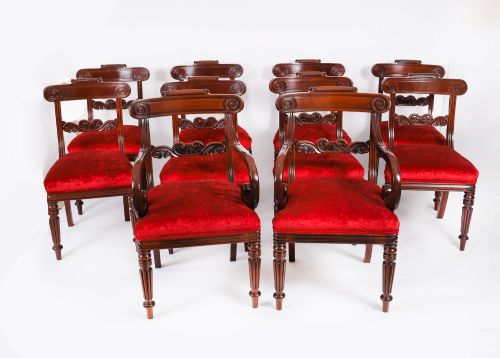
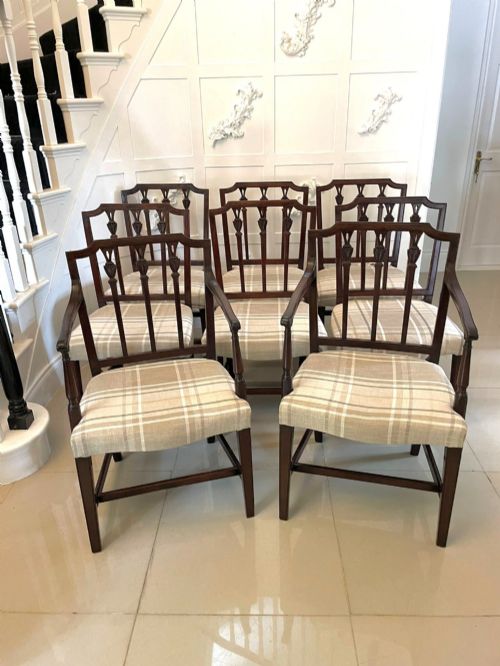
The selections span the eighteenth century and the regency period, extending into later nineteenth century interpretations and twentieth century reproductions. Formal dining sets often include a pair of these elbow chairs paired with six or eight standard chairs.
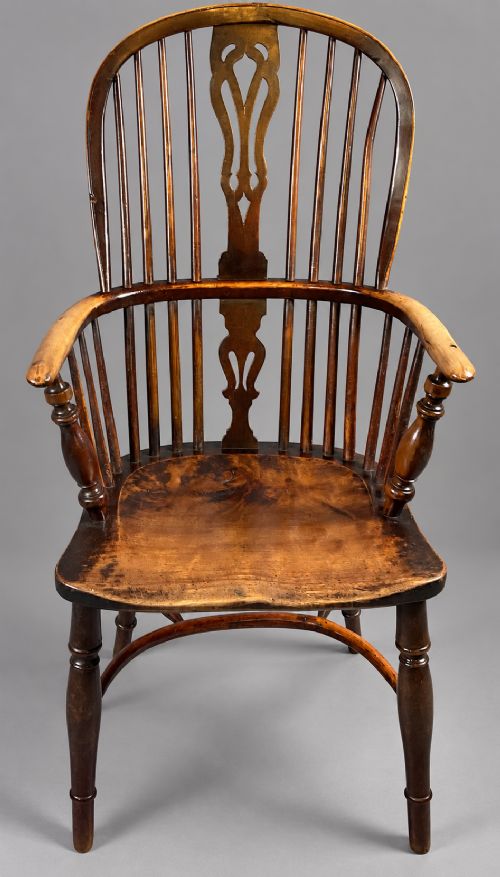
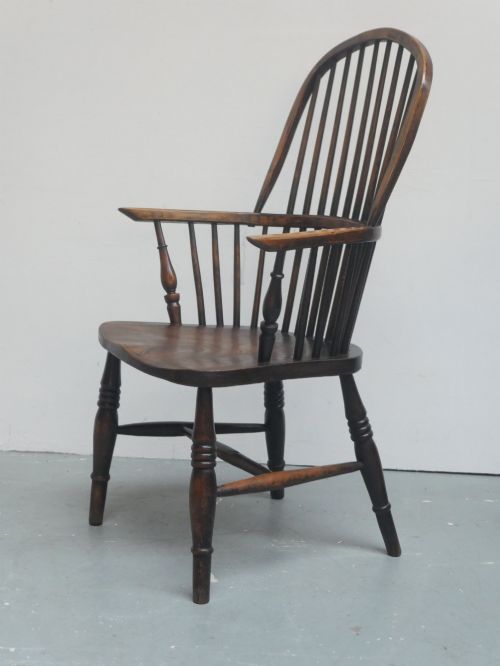
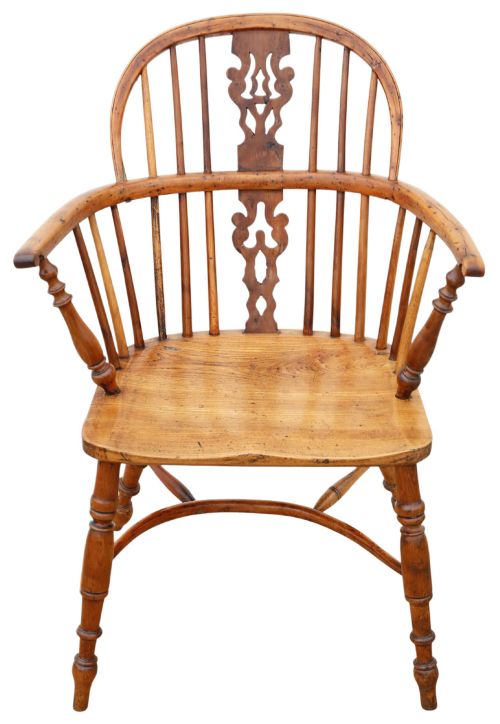
Country versions include Windsor armchairs built with comb backs or wheel backs, utilising local timbers. Formal urban variants display stylistic traits associated with cabinet makers of the georgian era.
How they were made
Cabinet makers and bodgers relied principally on mahogany for formal town seating, whilst utilising native woods like elm, ash, yew and fruitwood for country vernacular chairs. Solid timber construction dominated, with turned spindles, curved arm supports and joined frames.
Seat platforms accommodated drop-in pads, tapestry covers, fabric upholstery or solid carved wooden saddles. Joinery methods included mortise and tenon joints, steam bending for Windsor bows, and pegged construction for country seating.
Some country bodgers built seats so deep and heavy that moving them required genuine physical effort.
What varies in quality
The grade of timber selection dictates much of the distinction, from heavily figured mahogany to humble ash and elm chosen for sheer toughness. Crispness of hand carving on splats, arms and legs separates workshop standards from routine output.
Original structural integrity and surface patination matter significantly, as does the retention of matching components within larger dining sets. Subtle proportions and balanced arm scrolls indicate superior design competence during manufacture.
Gillows
The Georgian Wooden Carver Glossary
- Carver
- An armchair designed to match a set of dining chairs, traditionally placed at the table ends. These seats feature supportive elbow rests.
- Windsor
- A traditional chair construction method involving turned legs and spindles wedged directly into a solid sculpted wooden seat. This vernacular style often includes a bentwood bow back.
- Chippendale
- A furniture style named after Thomas Chippendale, characterised by interlaced carved splats and cabriole legs. These designs flourished during the eighteenth century.
- Elbow chair
- An alternative term for an armchair, particularly those used at a desk or dining table. The phrase highlights the presence of supporting rests for the arms.
- Vernacular
- Everyday regional furniture built by local craftsmen using readily available native timbers. These pieces bypass metropolitan fashion in favour of practical utility.
Georgian Wooden Carver: Frequently Asked Questions
Where did these armchairs sit?
These seats traditionally occupied the head and foot of a formal dining table, serving the host and hostess. They also appeared beside writing desks in libraries and parlours.
The sturdy armrests provided additional comfort for reading, writing, or presiding over long meals before standard desk chairs evolved.
Are these chairs suitable for daily dining?
Many examples remain robust enough for daily use around a modern dining table, provided the timber joints stay firm. Regular checks of the undercarriage help maintain stability.
Upholstered seats benefit from breathable fabrics that suit historic frames without placing undue stress on fragile antique rails.
What defines a George III design?
The George III period spans the mid to late eighteenth century, encompassing restrained classical proportions and refined carving. Mahogany became the primary medium for high-status urban furniture.
Details such as pierced splats, straight fluted legs or subtle bracket feet help identify pieces originating from this era of British cabinet making.