
Georgian Wingback Chair
A georgian wingback chair provides deep-seated fireside comfort, wrapping you in traditional upholstery and draught-excluding wings.
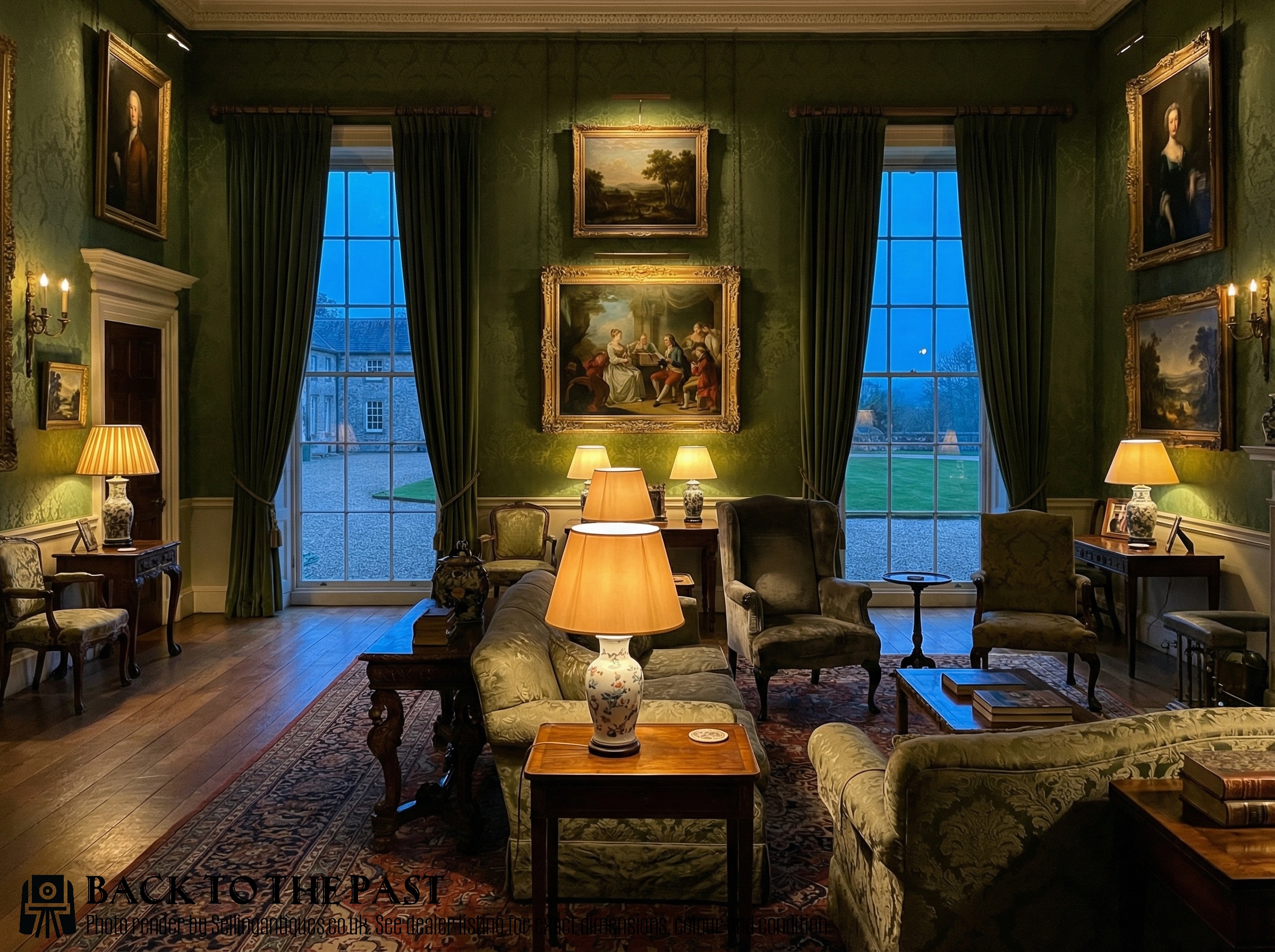
Georgian Wingback Chair
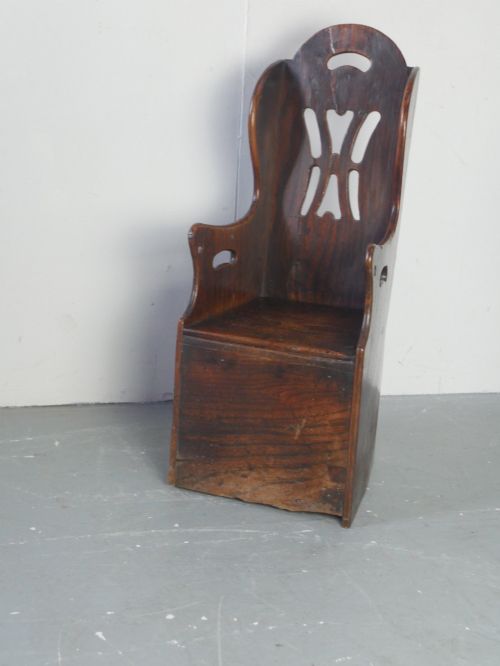
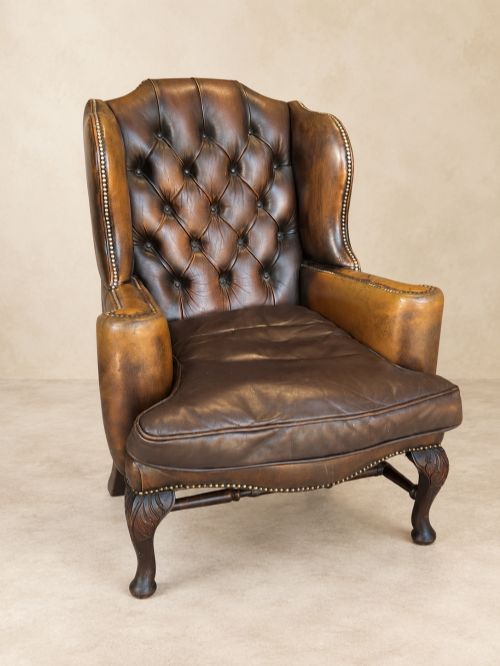
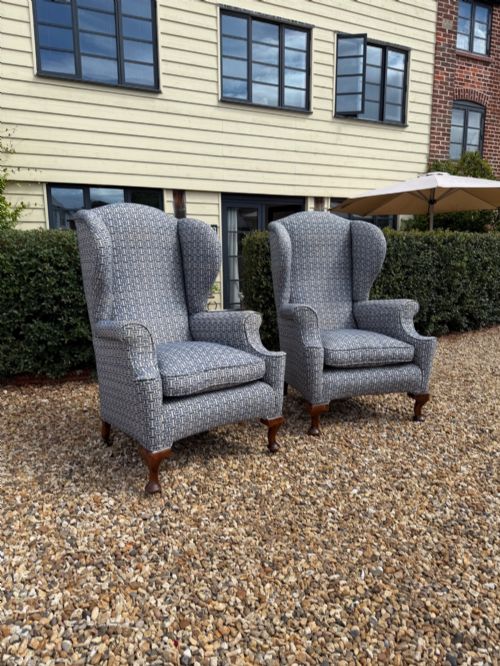
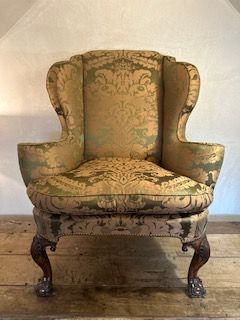
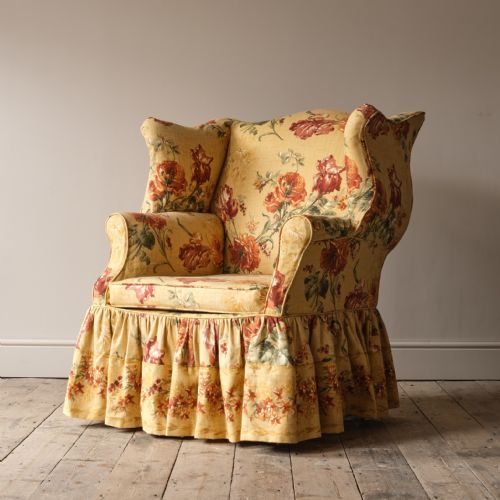
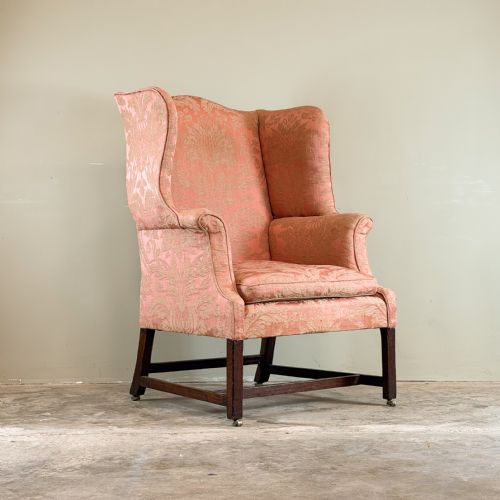
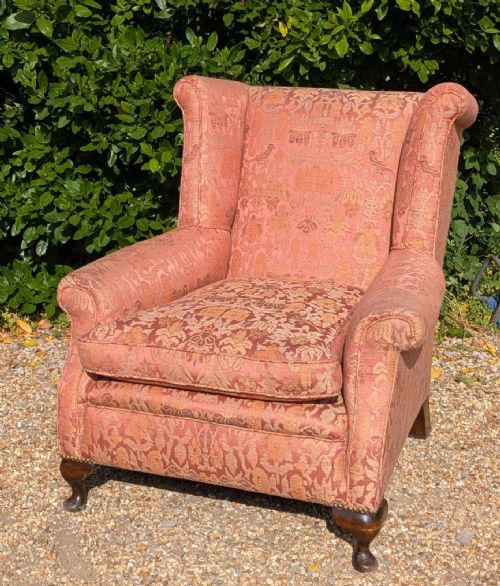
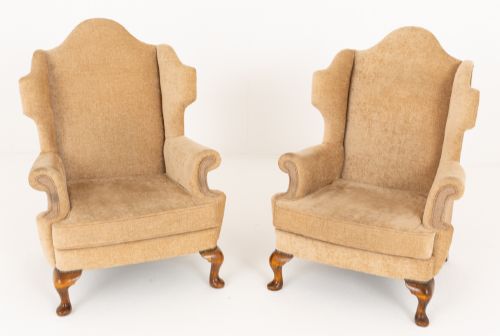
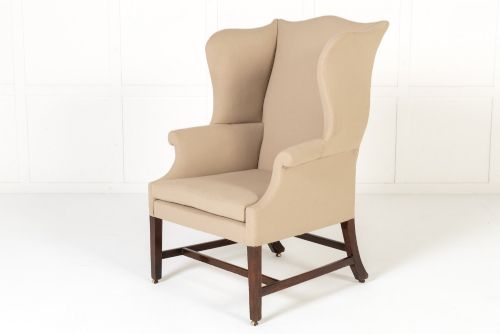
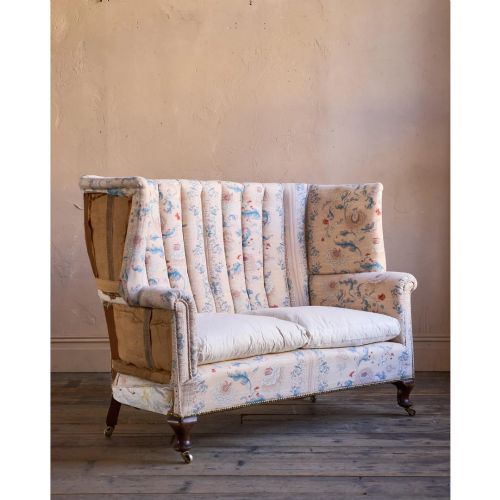
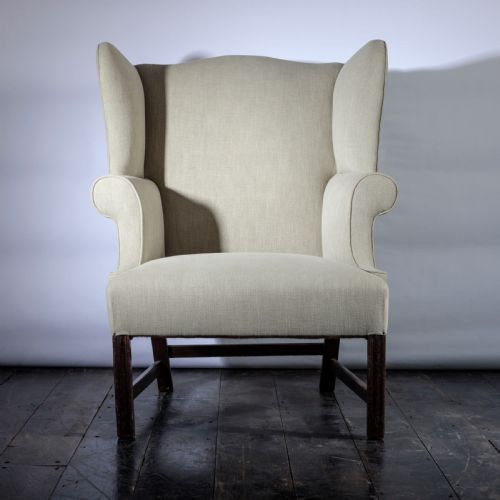
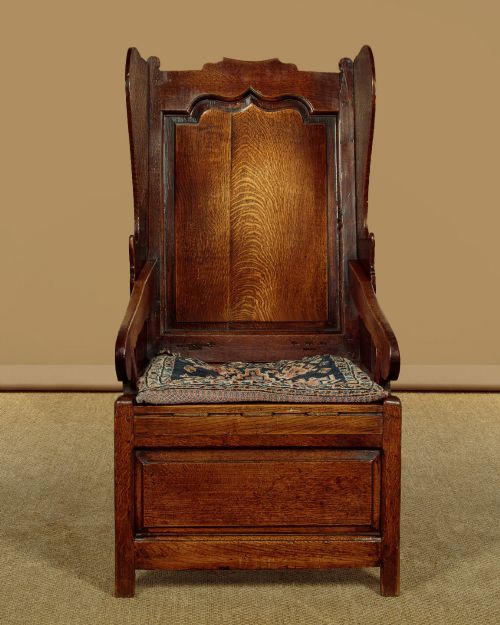
When you search for a georgian wingback chair, you are looking at substantial upholstered seating designed to keep out draughts around a hearth. These pieces feature high backs, prominent side wings, and scrolling arms supported on timber frames.
You are most likely to meet examples spanning the eighteenth century alongside later nineteenth-century revivals and early twentieth-century interpretations. The selection includes standard armchairs, barrel-backed variants, and occasional library seating.
Proportions range from neat child-sized editions to large-scale library armchairs designed for generous proportions. Many appear in period timbers like mahogany and walnut, while others show later fabric or leather coverings.
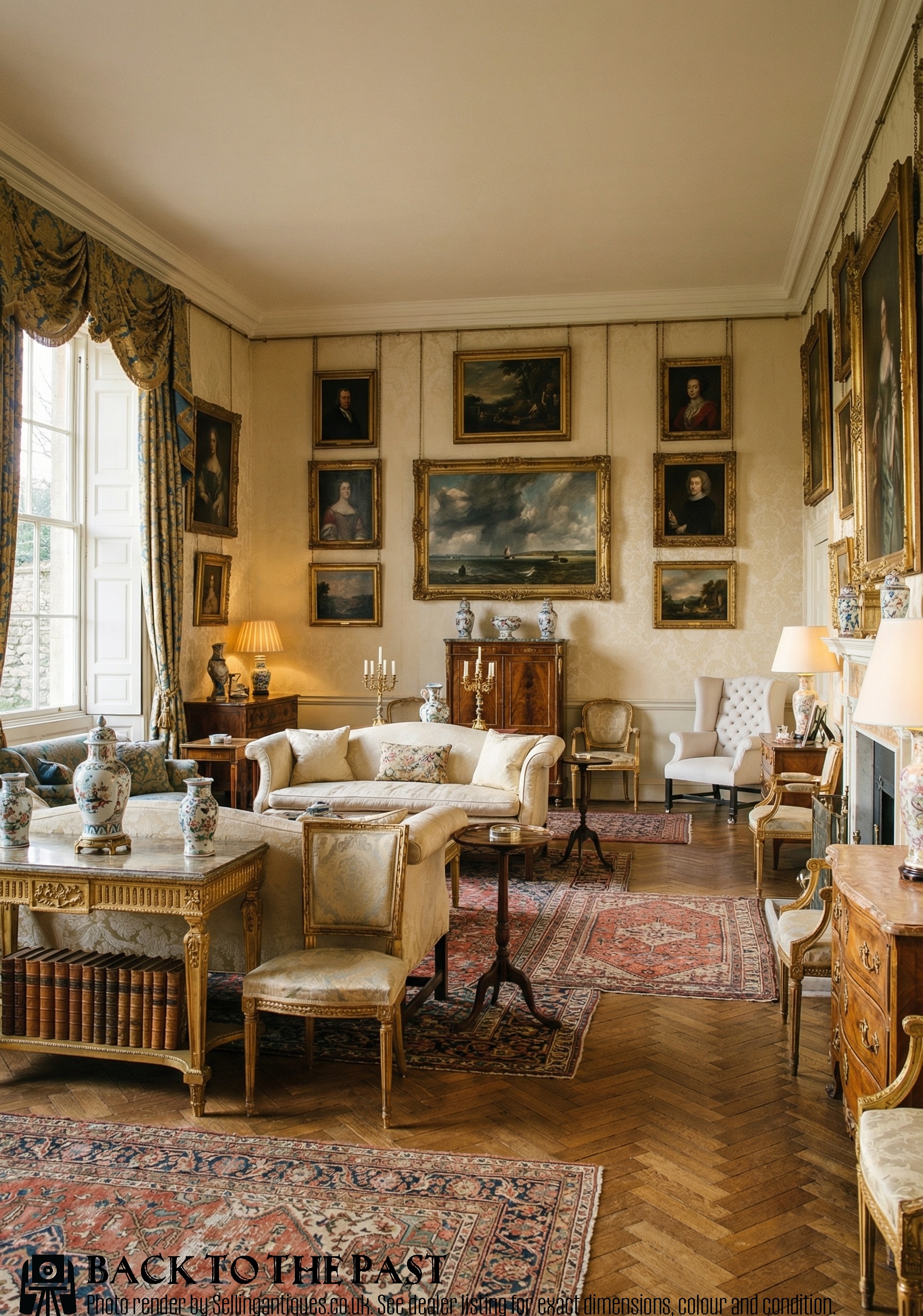
How They Were Made
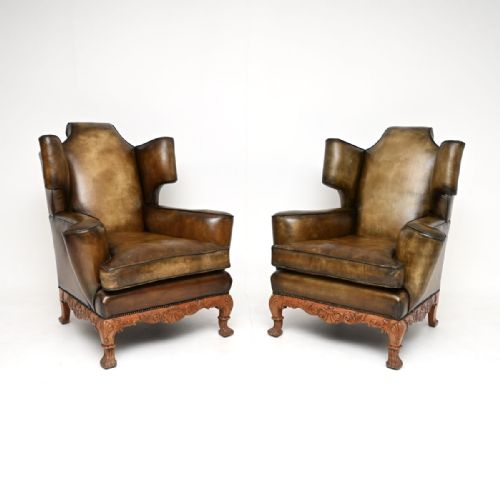
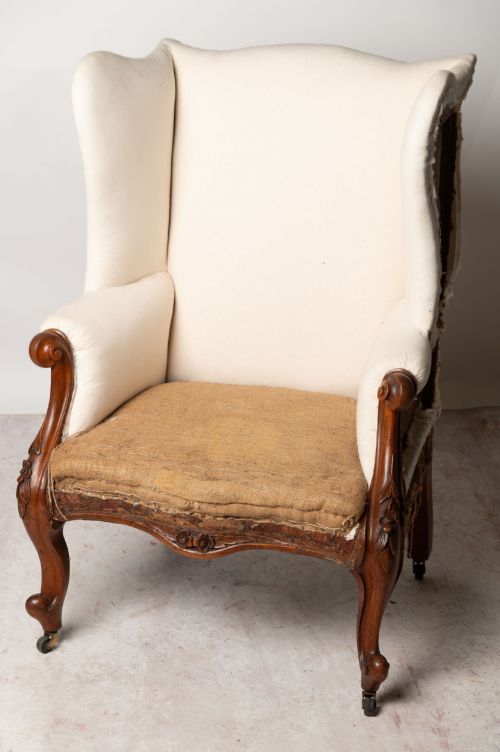
Makers constructed the structural frames using native and imported hardwoods such as mahogany, walnut, and oak. Legs often took the form of cabriole supports, straight square timbers, or carved wooden mounts.
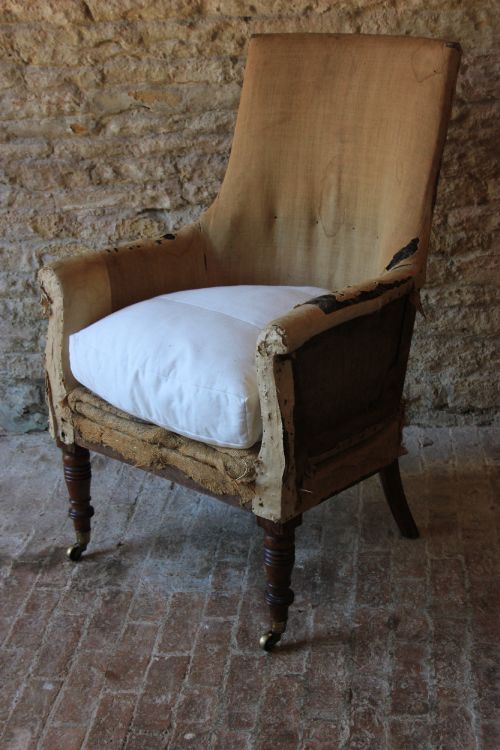
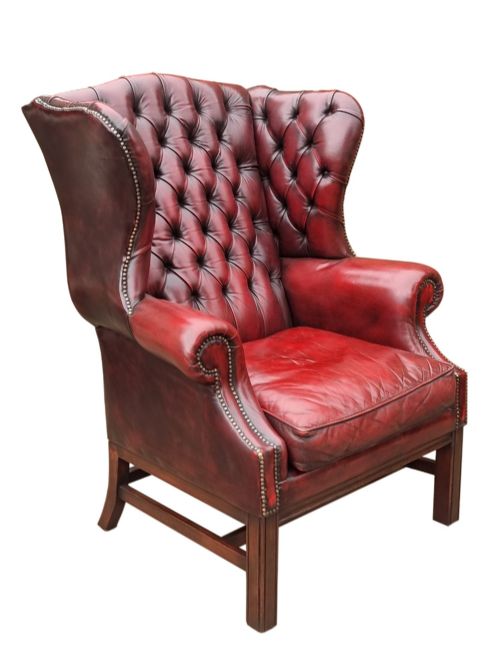
Traditional stuffing relied on natural materials like horsehair and hessian secured over webbing, finished with top layers of leather, velvet, ticking, or contemporary woven fabrics. Brass tacks frequently edge the upholstery seams on leather examples.
Georgian Wingback Chair Retail Price Guide 2026
Typical asking prices for georgian wingback chair among the pieces listed under this phrase on Sellingantiques today, from the lower quarter to the upper quarter. They describe what is for sale here now, not the wider market.
The listings combine genuine eighteenth-century frames with nineteenth-century revivals and early twentieth-century interpretations in mahogany, walnut, and leather.
What Varies in Quality
The distinction between ordinary and exceptional pieces rests in the sharpness of the timber carving and the architectural balance of the wings. Frames with well-proportioned curves and hand-carved details command greater attention than plain, rigid interpretations.
Upholstery materials also dictate the character of the piece, where traditional hand-tooled leather or period-appropriate textiles elevate the finish above standard modern replacement covers.
Howard And Sons
The Georgian Wingback Chair Glossary
- Cabriole leg
- A furniture leg that curves out in a convex shape at the knee and tapers inward in a concave shape to the foot. This form appeared frequently on eighteenth-century seating frames.
- Wingback
- An armchair featuring protective side panels attached to the armrests, designed originally to deflect cold draughts. These wings frame the user's head and shoulders.
- Barrel back
- A seating form where the back and arms form a continuous semicircular curve. This enclosed shape offers additional shelter.
- Hessian
- A coarse woven fabric, typically made from jute fibres, utilised beneath outer upholstery layers as a foundation scrim. It supports the internal stuffing of traditional chairs.
- Bergère
- An enclosed armchair with stuffed upholstery on a cane or webbed frame, often associated with eighteenth-century French designs that influenced English makers.
Georgian Wingback Chair: Frequently Asked Questions
What is a wingback chair?
A wingback chair is a heavily upholstered seat featuring protective side panels designed to trap heat around the head and shoulders.
These pieces typically sit beside a fireplace or in a draughty library, offering substantial shelter and upright support.
How do I date a wing chair?
Dating relies on examining the timber of the exposed legs, the curve of the arms, and the construction methods hidden beneath the upholstery.
Earlier eighteenth-century editions display hand-carved mahogany or walnut frames, whereas later revivals often exhibit standardised machine-cut timber components.
Were these chairs used for reading?
These seats served primarily as fireside furniture, though their enclosed wings made them popular for quiet reading and letter writing.
The high back created a private nook away from room disturbances.
How do I care for leather upholstery?
Leather surfaces require regular dusting and occasional treatment with appropriate conditioning balms to prevent drying and cracking.
Keep these chairs away from direct sunlight and strong heat sources to preserve the hide.