


Georgian Wine Bucket
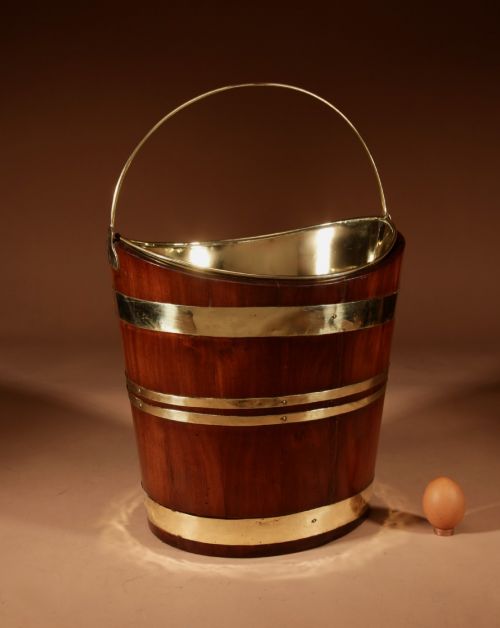
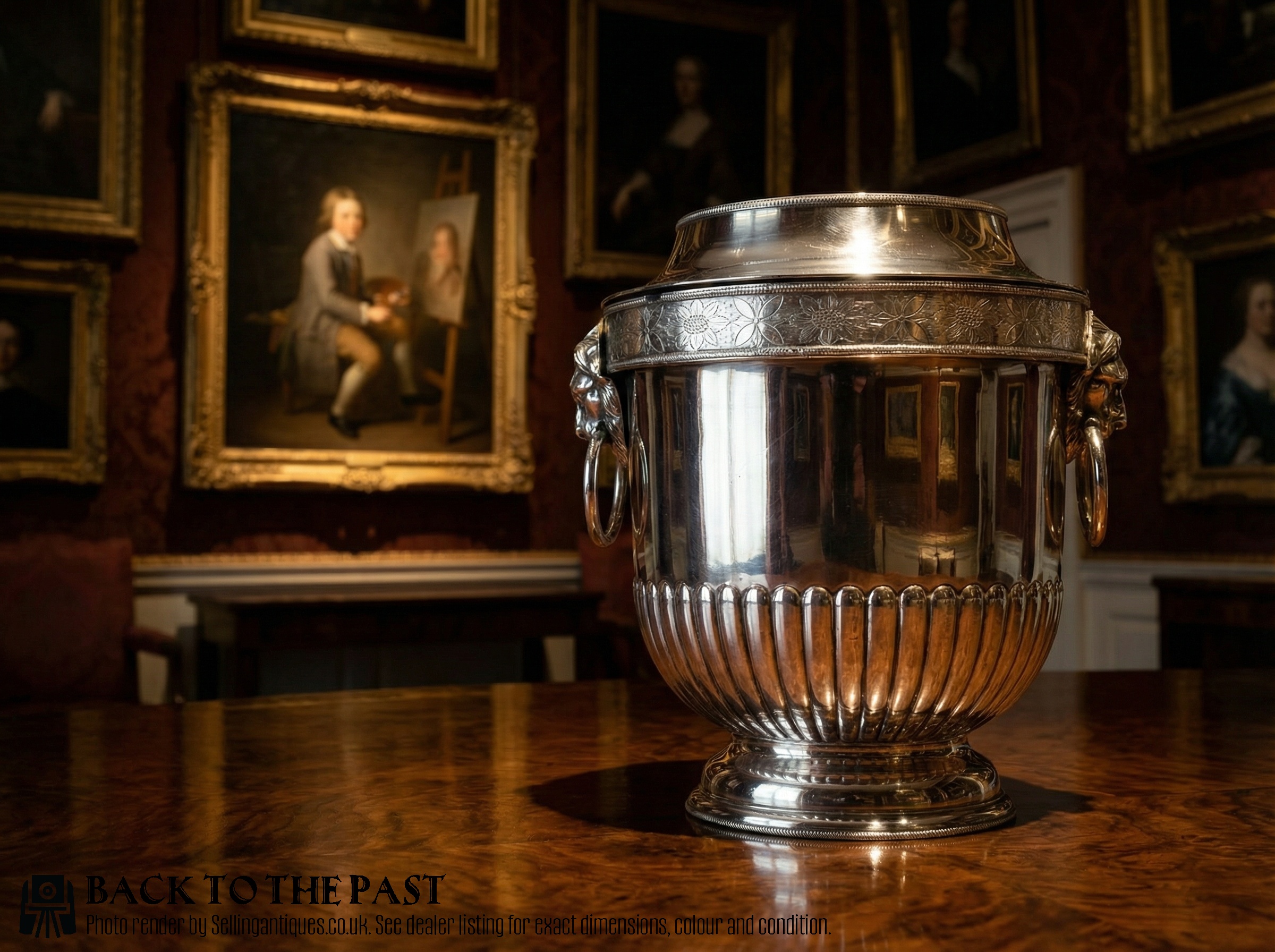
A georgian wine bucket is a functional piece of period dining equipment designed to chill bottles, combining fine cabinetmaking with practical metalwork.
Identifying georgian wine buckets
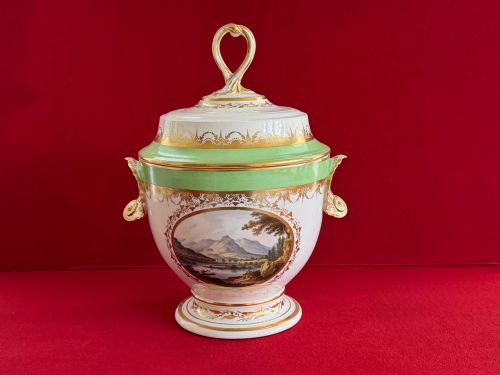
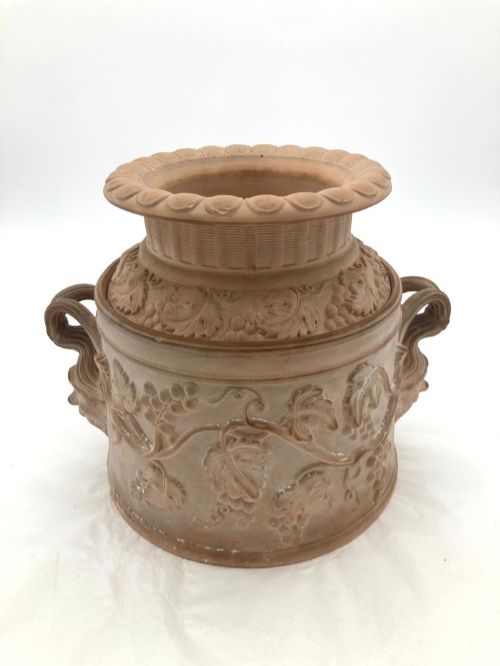
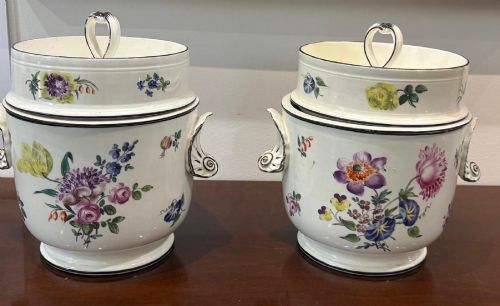
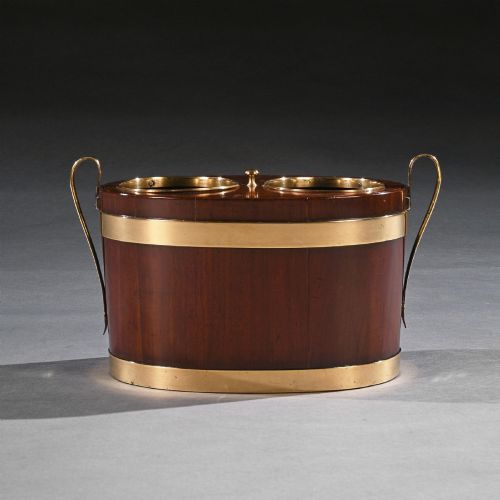
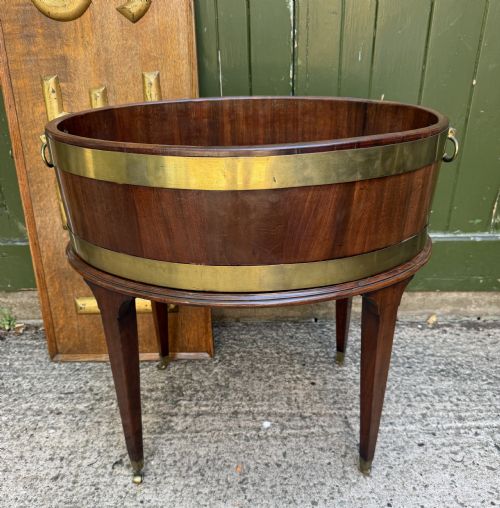
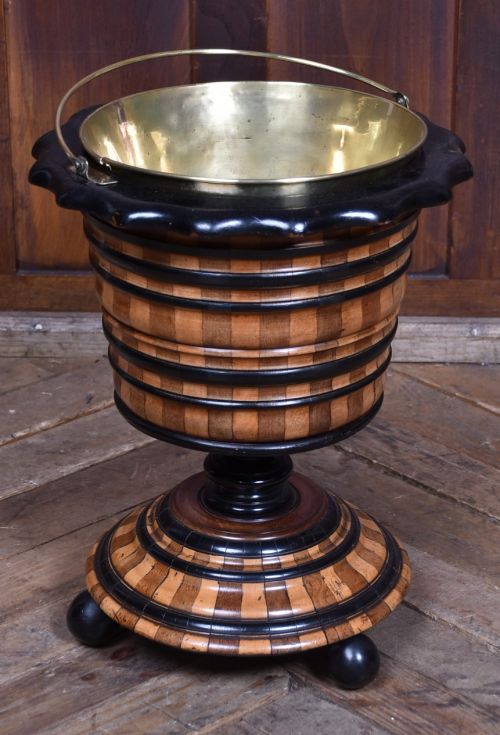
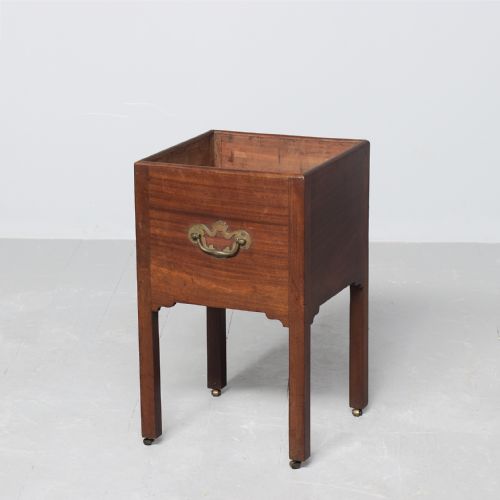
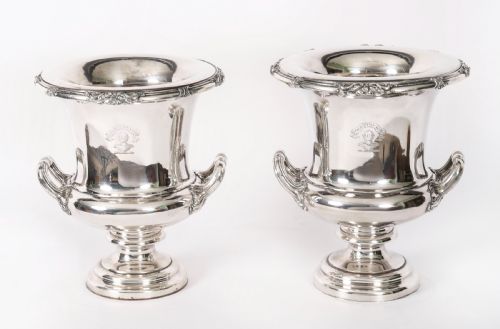
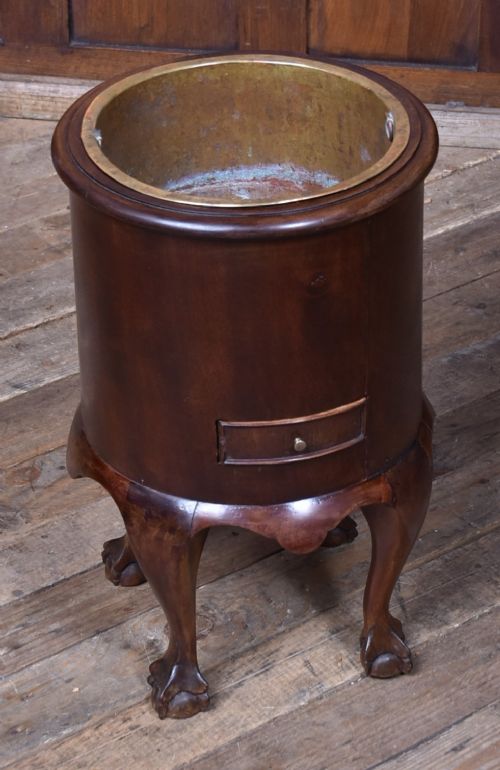
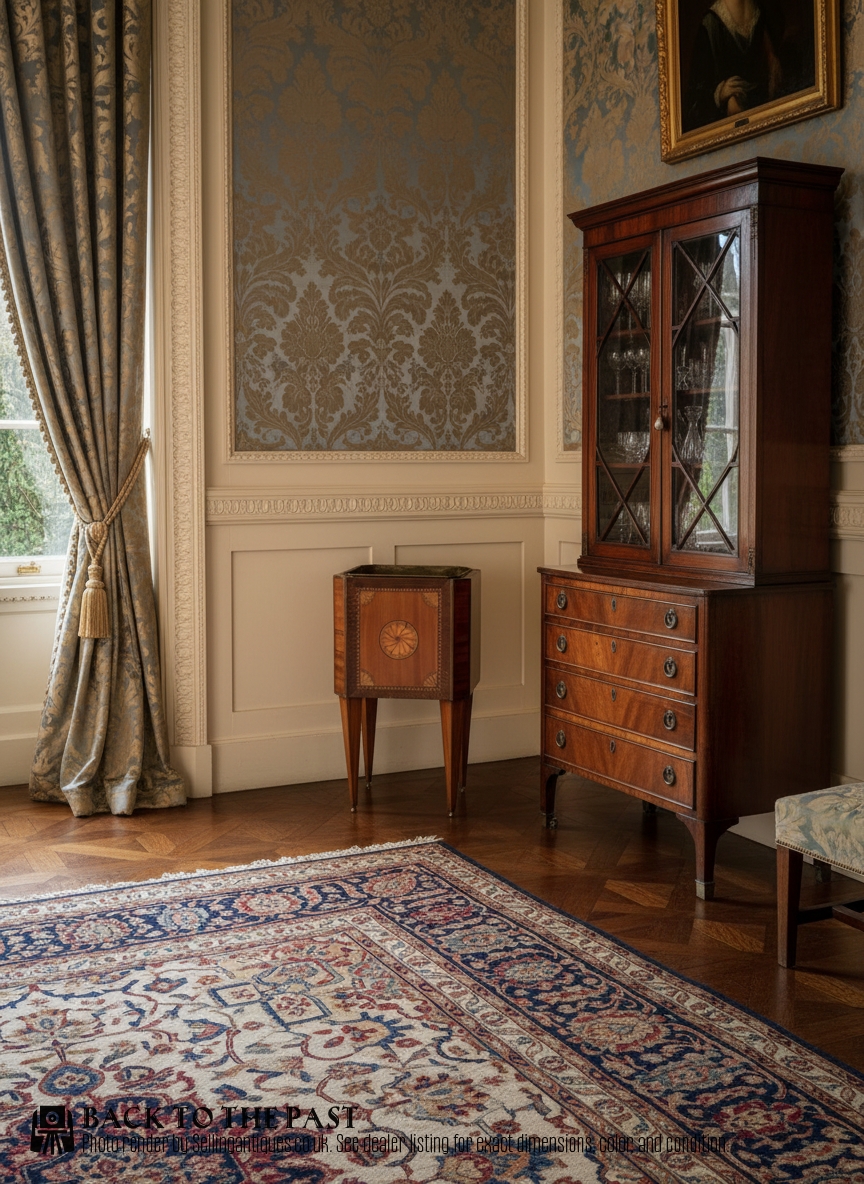
When you search for a georgian wine bucket, you encounter a selection of historic vessels spanning the eighteenth and nineteenth centuries, including George II, George III, and later periods. These forms range from freestanding coolers on stands to open wine coolers, cellarettes, and table vessels designed to hold ice and bottles during dining.
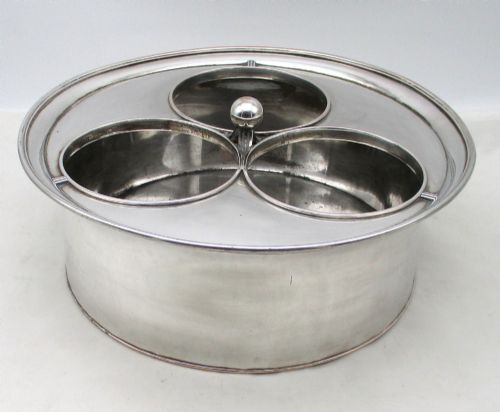
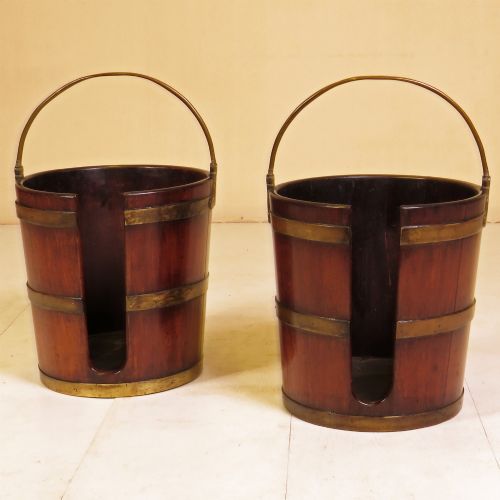
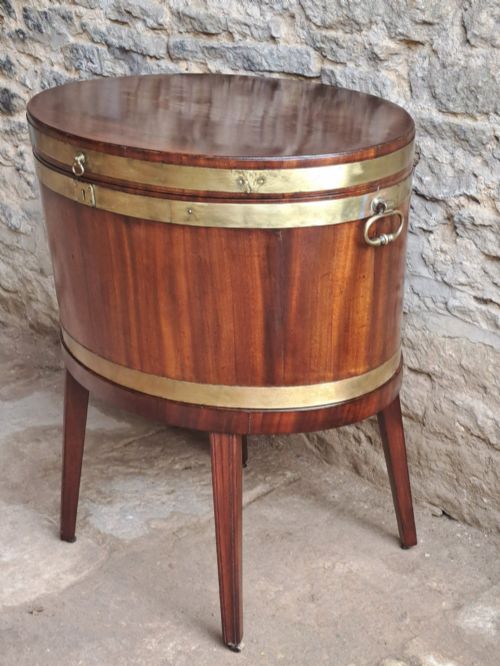
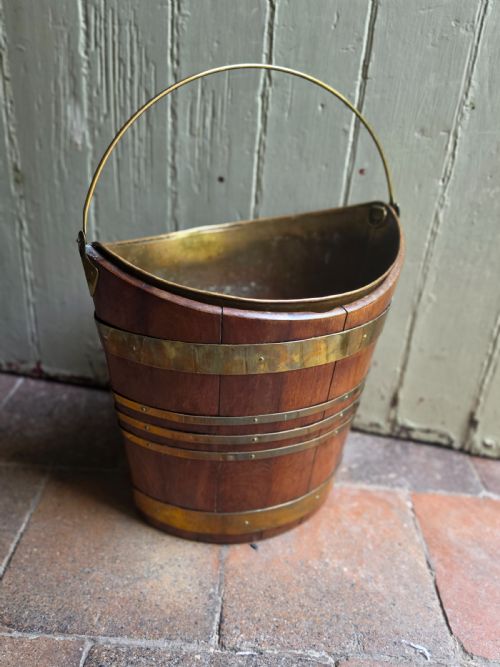
The objects listed on this page appear in various materials such as mahogany, satinwood, brass, and silver plate, sometimes retaining zinc liners or interior metal elements. Forms include oval brass-bound pieces, oyster buckets, and inlaid champagne coolers, reflecting the diverse domestic requirements of wealthy households across the Georgian era.
Archive records show that the phrase also encompasses drinking vessels with bucket bowls, such as opaque twist, plain stem, and coloured wine glasses from the mid-eighteenth to early nineteenth centuries. Buyers thus encounter both the large freestanding vessels used at the dining table and the smaller glassware associated with serving wine.
Construction and materials
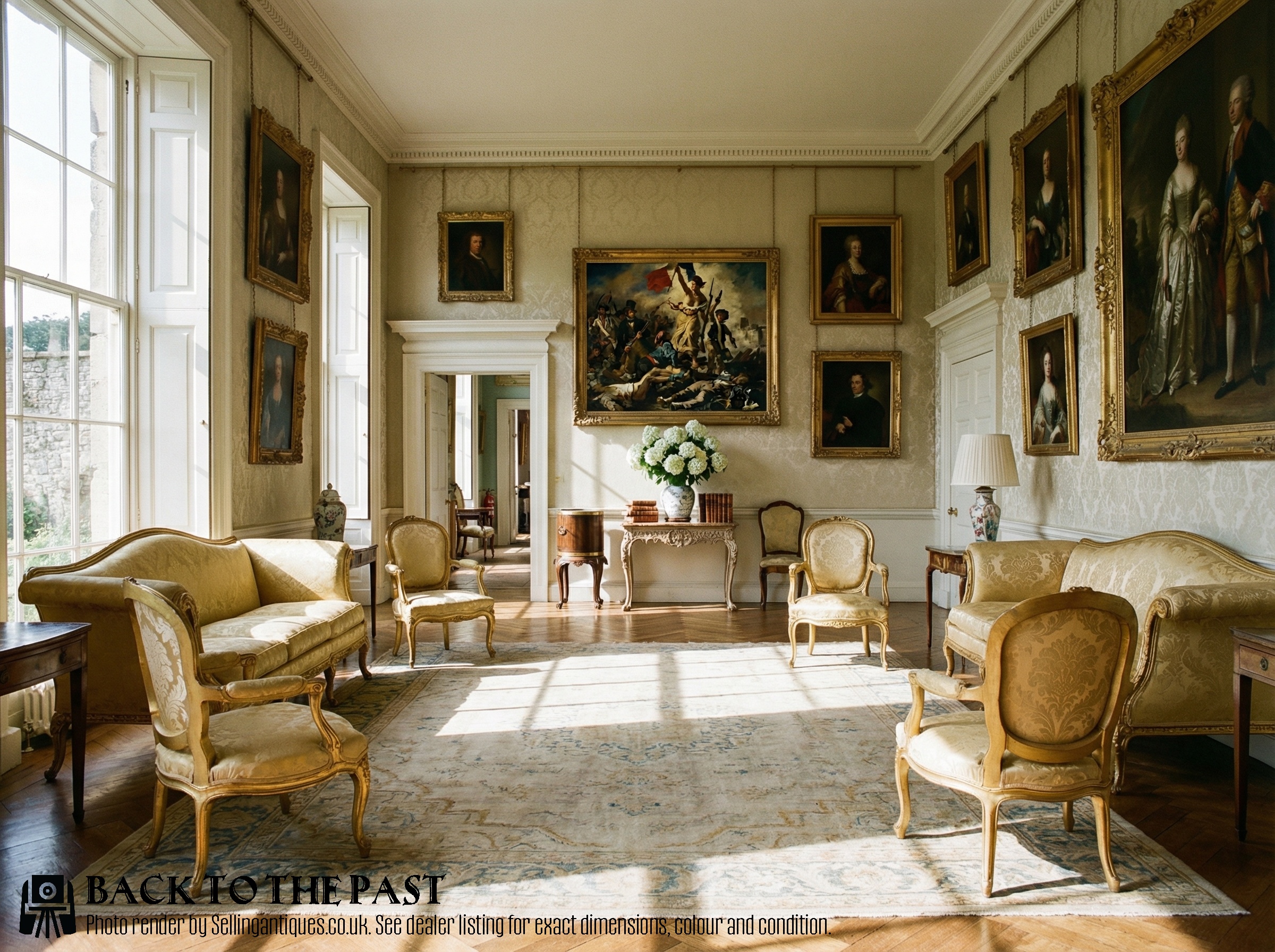
Cabinetmakers utilised dense timbers like mahogany and figured satinwood for the bodies of these vessels, frequently employing marquetry, stringing, and veneer work to ornament the exterior surfaces. Stave construction mirrors the methods of cooperage, binding the wooden staves tightly together with heavy brass bands or metal hoops to withstand the weight of ice and liquid.
Metal components include heavy cast brass mountings, drop handles, and silver plate applied over base metals for decorative champagne and wine coolers. Interior linings frequently incorporate zinc or other metals to protect the timber from moisture and melting ice during use.
Retail Price Guide 2026
Typical UK retail prices for georgian wine bucket, calculated from the Sellingantiques database of over a million retail prices indexed since 2003. This retail price guide relies exclusively on Sellingantiques data; no external sources or auction records are used, so the figures do not describe the wider market.
Some nineteenth-century hosts kept their oysters just as cold as their claret in specially coopered wooden buckets.
Assessing quality
The distinction between standard examples and superior pieces rests on the choice of timber figurations, the crispness of brass or marquetry inlay, and the integrity of the original cooperative construction. Finer vessels display select cuts of satinwood or deeply patinated mahogany with precise joinery that maintains its structural tension.
Provenance and originality of internal components, such as metal linings or matching stands, elevate the standing of a piece within this category. Pieces retaining their original mounts and uncompromised structural timbers demonstrate the highest standards of period craftsmanship.
The Georgian Wine Bucket Glossary
- Cellarette
- A lockable container used for storing wine bottles securely within the dining room. These timber boxes often feature fitted interior divisions for individual bottles.
- Jardinière
- An ornamental stand or container intended to hold plants or floral arrangements. Certain examples share forms and cooperative wooden construction with wine cooling vessels.
- Opaque Twist
- A type of glass stem enclosing white or coloured enamel threads within the transparent metal. This decorative technique appears frequently on eighteenth-century drinking vessels.
- Silver Plate
- A thin layer of silver fused to a base metal, typically copper or an alloy, used to provide a lustrous metallic finish without solid silver costs.
Frequently Asked Questions
How were these coolers used?
These vessels were filled with ice and water to chill wine and champagne bottles before or during meals. Servants placed them beside the dining table for easy access.
Larger freestanding models stood directly on the floor, while smaller bucket forms sat upon sideboards or dining tables. Their metal linings prevented melting ice from damaging the surrounding woodwork.
What materials are common?
Mahogany and satinwood form the primary wooden structures of these pieces, often enhanced by decorative inlay or stringing. Coopered staves are bound together by heavy brass bands or metal hoops.
Interior elements incorporate zinc or silver plate to handle moisture and ice. Glassware examples from the period feature lead crystal with specific bowl shapes and stem formations.
How do I distinguish periods?
Stylistic indicators such as George II, George III, and later nineteenth-century design details help determine the age of a piece. Cabinetmaking techniques, timber choices, and mounting styles shift across these decades.
Comparing construction methods and decorative motifs against dated examples clarifies the timeline of manufacture. Original brass work and patination provide further chronological evidence.