

Georgian Welsh Dresser
A georgian welsh dresser combines practical storage and display, offering deep regional character for traditional and contemporary kitchens alike.
Georgian Welsh Dresser
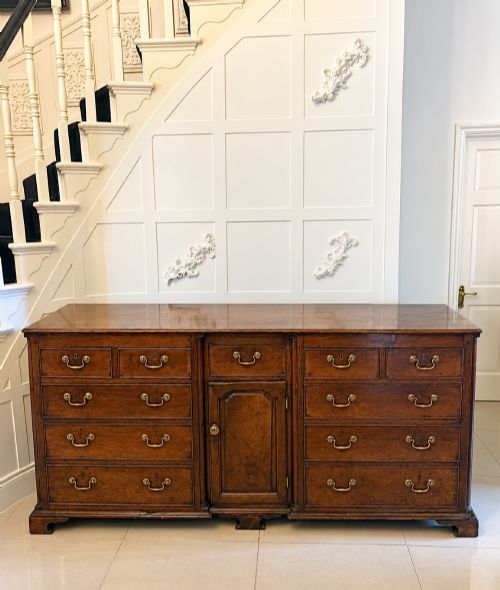
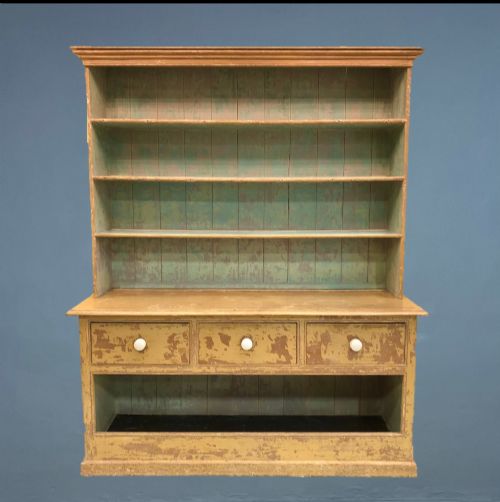
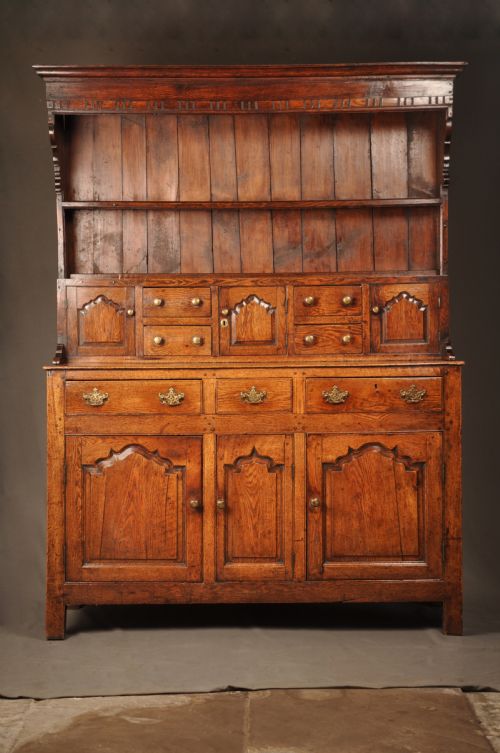
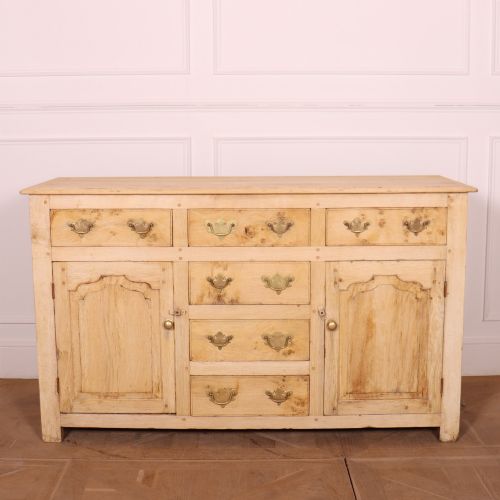
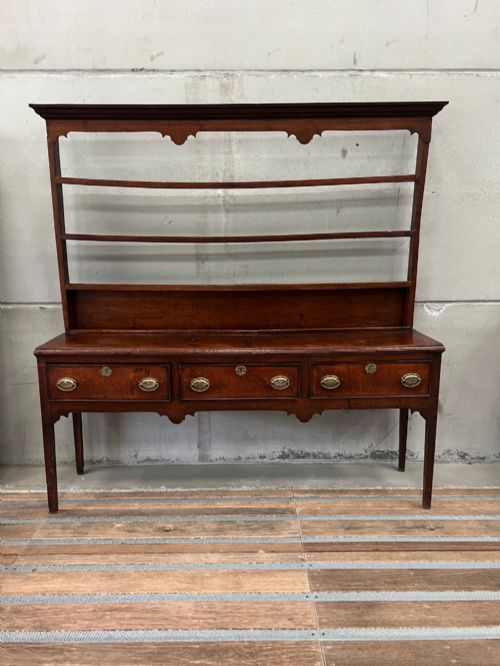
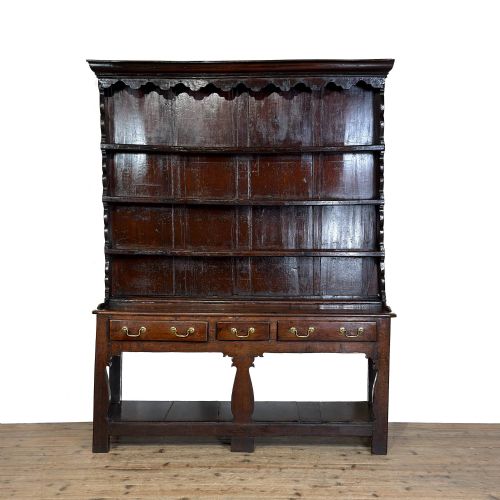
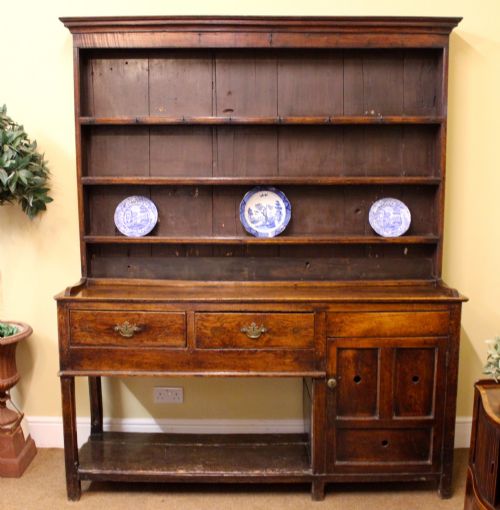
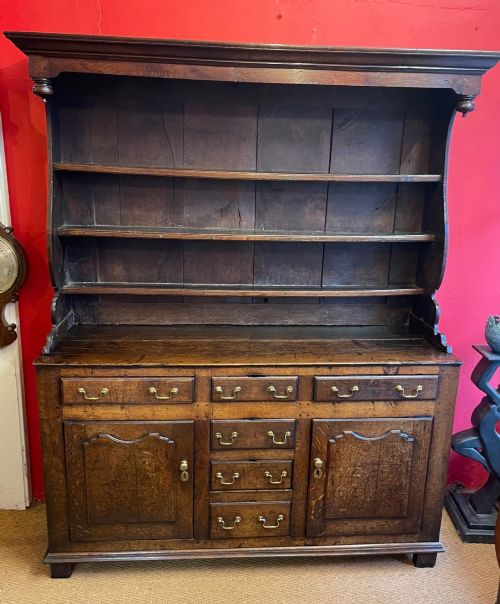
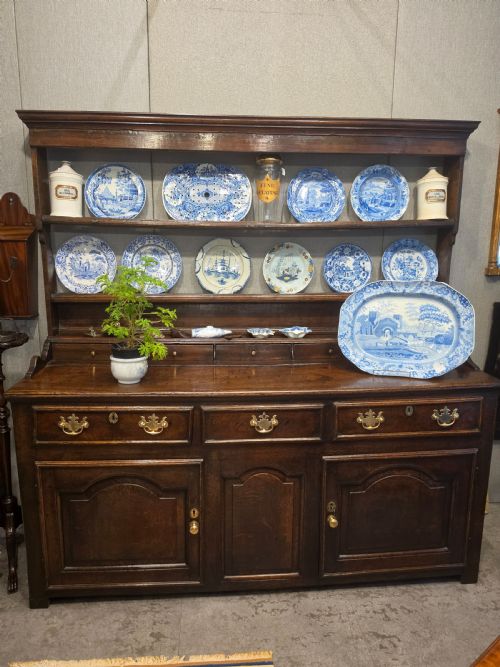
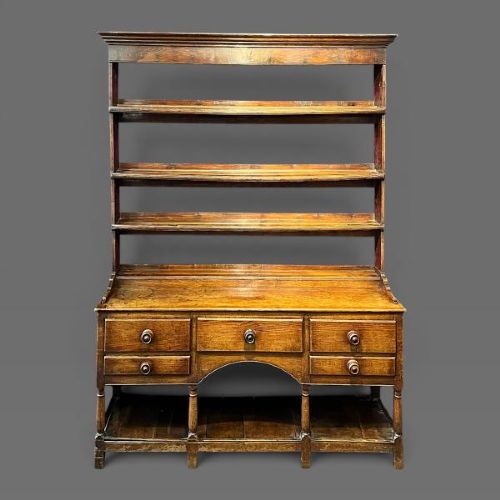
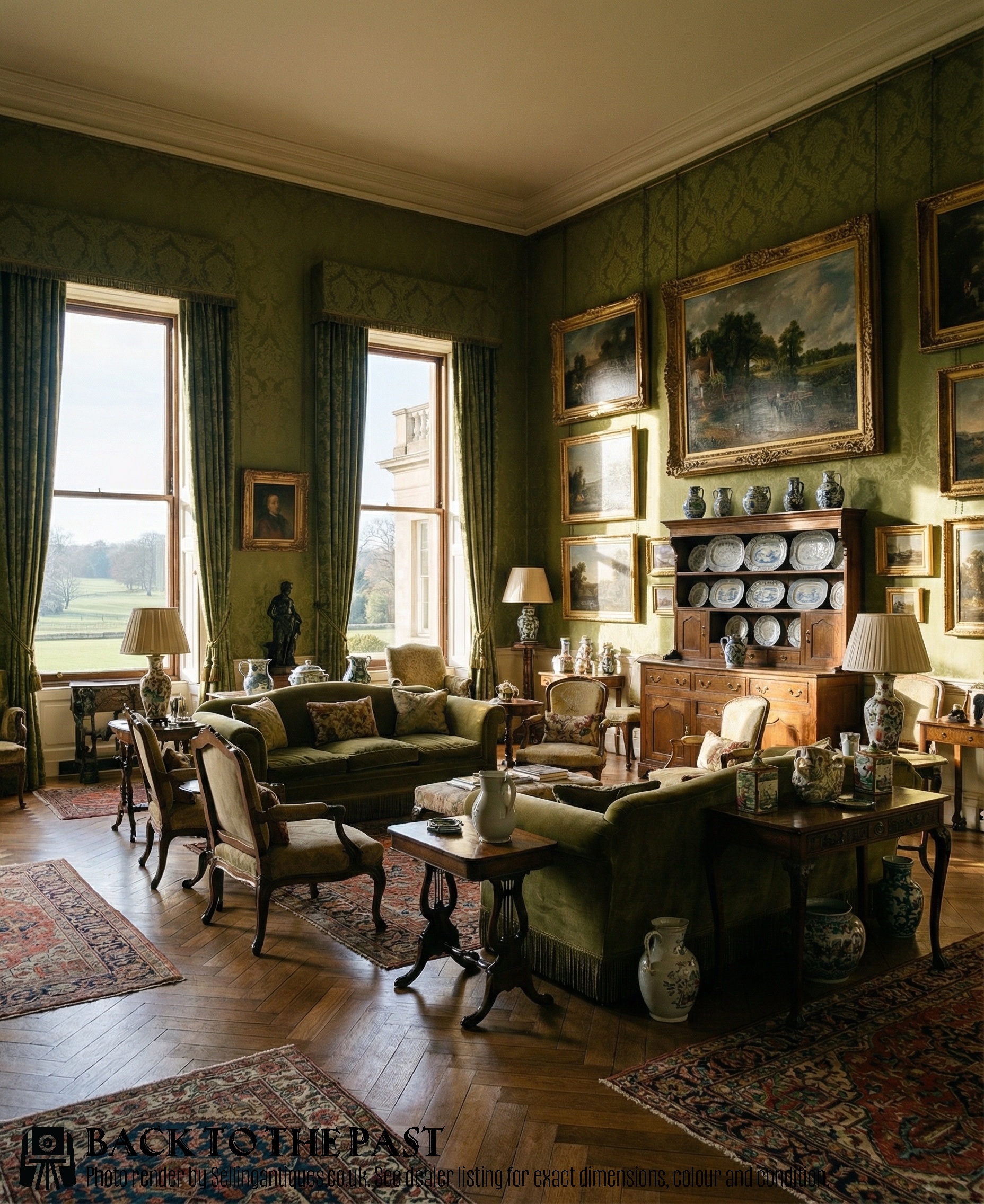
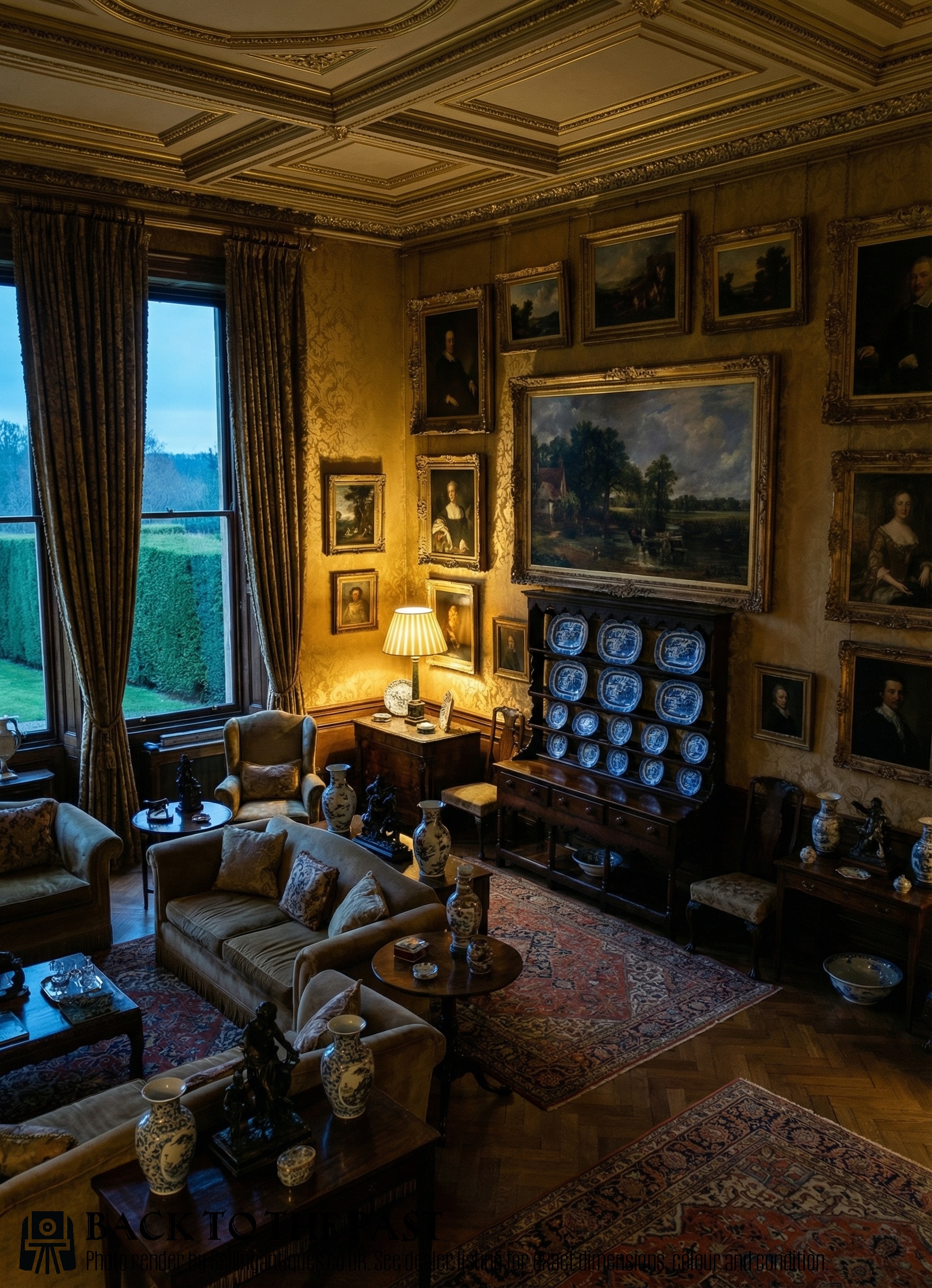
A georgian welsh dresser typically pairs a lower sideboard base with an upper plate rack for displaying pottery and kitchenware. These pieces originate primarily from the 18th century and early 19th century, reflecting vernacular rural craftsmanship across various regions.
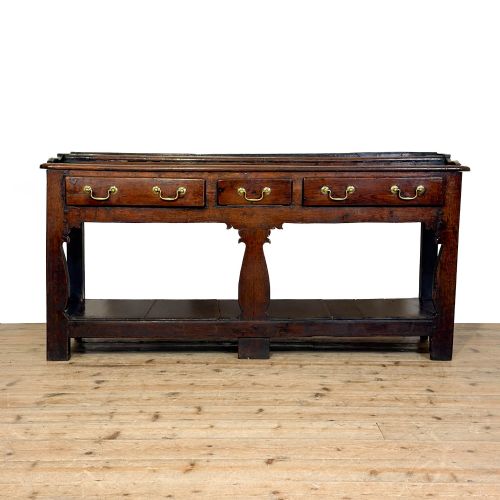
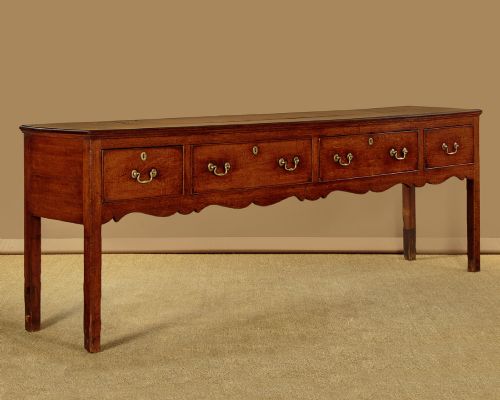
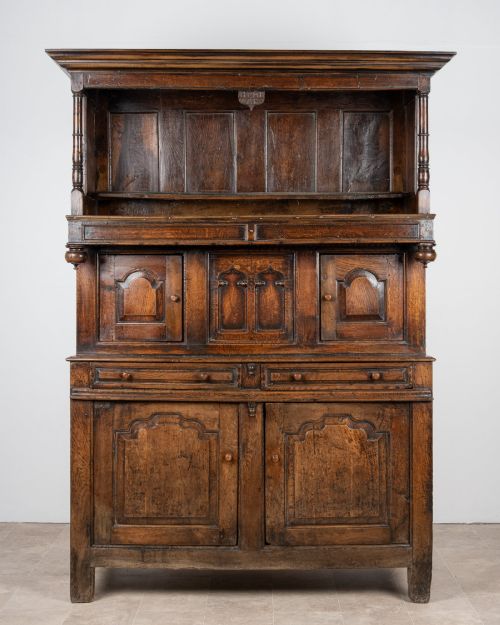
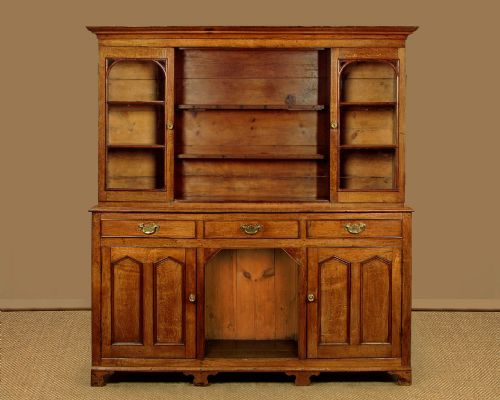
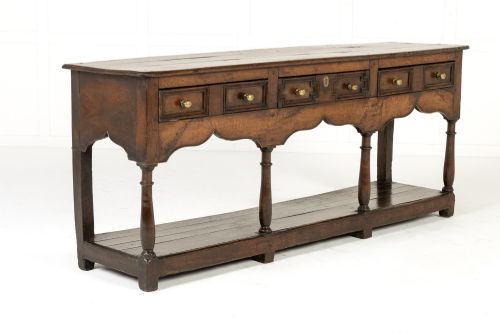
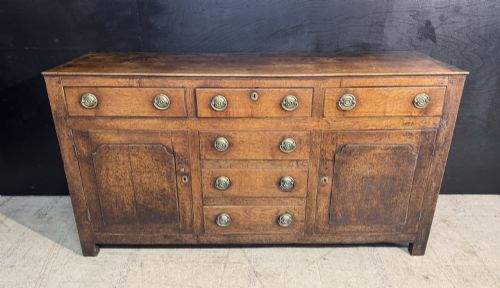
Buyers encounter both open potboard bases and enclosed cupboard formats, often constructed in regional styles associated with Snowdonia, North Wales, and Carmarthenshire. Many survive as two-part configurations, while others exist as lower dresser bases without the upper plate racks.
The form accommodates domestic utility through drawer arrangements and lower shelf space known as potboards. Such furniture mirrors the domestic requirements of country cottages and farmhouses during the Georgian and Victorian periods.
Materials and Construction
Makers relied heavily on solid oak, pine, and occasional mahogany or fruitwood accents, utilising local timber available to regional workshops. Carpenters joined structural members using traditional methods such as pegged mortise and tenon joints.
Hardware typically consists of brass handles, iron hinges, and occasionally wrought iron fixings fitted to drawers and cupboard doors. Surfaces often display accumulated layers of historic wax or original paint finishes that survive from past centuries.
Georgian Welsh Dresser Retail Price Guide 2026
Typical asking prices for georgian welsh dresser among the pieces listed under this phrase on Sellingantiques today, from the lower quarter to the upper quarter. They describe what is for sale here now, not the wider market.
Bread and cheese cupboards included strategic ventilation holes to keep farmhouse provisions fresh.
Assessing Craftsmanship and Survival
Quality depends upon the integrity of the timber, the depth of the original patina, and how unaltered the structure remains through centuries of domestic use. Regional details, such as carved mouldings or inlaid woodwork, separate standard utility pieces from more ambitious country workshops.
Proportion and scale also dictate desirability, with smaller cottage examples and breakfront configurations commanding particular attention alongside larger potboard designs. The retention of matching upper plate racks significantly influences the completeness of a piece.

The Georgian Welsh Dresser Glossary
- Potboard
- An open lower shelf fitted between the legs of a dresser base, traditionally used for storing pots and pans. This platform sits near the floor and is a defining feature of many country designs.
- Cwpwrdd tridarn
- A traditional Welsh three-section press cupboard incorporating enclosed storage tiers. It represents a more complex form than the standard open-rack dresser.
- Plate rack
- The upper shelving superstructure attached to a dresser base, designed to display ceramic plates upright. It usually incorporates narrow grooves to hold dishes securely.
- Vernacular
- Furniture built by local country joiners using regional traditions rather than following metropolitan fashion. These items prioritise functional utility over academic stylistic rules.
- Patina
- The surface sheen and colour developed by wood over long periods through handling, waxing, and ageing. A desirable surface shows gentle signs of historic wear.
Georgian Welsh Dresser: Frequently Asked Questions
How do I identify a true period piece?
Examine the timber shrinkage, joinery methods, and interior drawer construction for hand-cut dovetails and pegged joints. Genuine examples display consistent wear patterns and historic surface patination appropriate to the eighteenth or nineteenth century.
Compare the regional characteristics, such as board widths in the back panels and timber species like native oak or pine, against known vernacular furniture styles from areas like North Wales.
Can I separate the top rack from the base?
Many traditional examples were constructed in two distinct sections to facilitate transport into rural cottages. The upper plate rack frequently rests upon the lower dresser base without permanent mechanical fixings.
Checking the contact points and the presence of original fixing brackets reveals whether the two components belong together historically.
How should I care for an antique oak surface?
Maintain the wood by applying natural beeswax sparingly and buffing gently with a soft cloth to nourish the historic patina. Avoid modern silicone polishes and keep the furniture away from direct heat sources and strong sunlight.
Stable indoor humidity prevents timber from splitting or warping over time.