




Georgian Walnut Vanity Mirror
A georgian walnut vanity mirror brings warmth and quiet elegance to a dressing space through rich timber and clean proportions.
Georgian Walnut Vanity Mirror
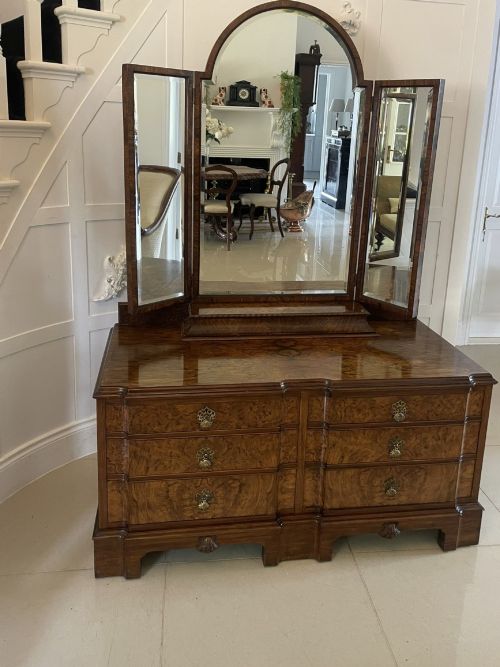
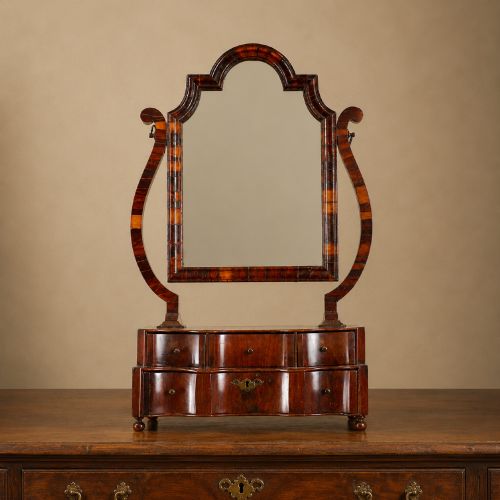
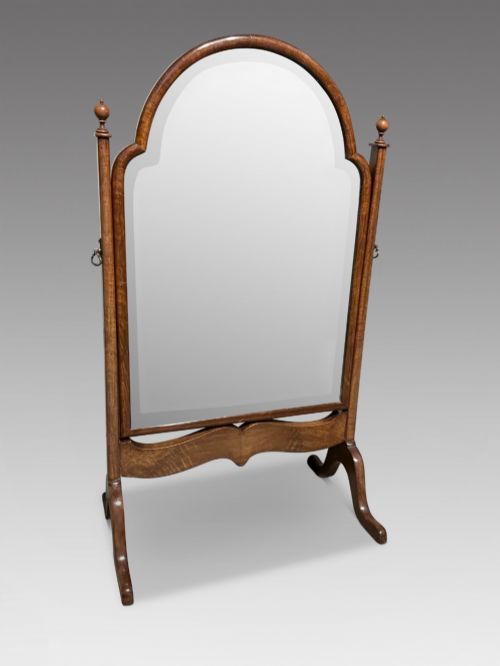
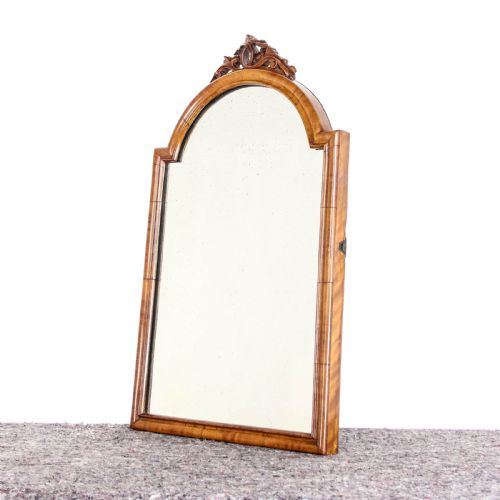
A georgian walnut vanity mirror sits upon a table or chest, designed to aid in grooming and personal dressing. These pieces appear as toilet mirrors, dressing glasses, and table mirrors with pivoting plates set into standing frames.
The selections span authentic eighteenth-century examples from the Georgian period alongside later revivals from the twentieth century. Forms range from simple box mirrors to refined designs featuring shaped crests and miniature drawers in the base.
Most items encountered on this page originate from the eighteenth century, George II, and Queen Anne eras, supplemented by later revival pieces. Buyers often find variations that include portable campaign formats and larger wall-hanging mirrors.
Materials and construction
Cabinetmakers utilised solid walnut and figured burr walnut veneers, frequently embellishing surfaces with delicate boxwood inlay and parcel gilt details. Secondary timbers and structural elements often include laburnum and brass hardware such as hinges and adjustable side screws.
The mirror glass itself is held within rebated frames that swing between upright supports, mounted upon a small plinth or box base. Traditional joinery methods secure the uprights to the base, allowing the plate to tilt smoothly to the desired angle.
Listings on this page span the Georgian, Victorian, and twentieth-century eras, featuring walnut, burr walnut, laburnum, and brass.
Distinctions in quality
Quality rests upon the choice of timber and the subtlety of its grain, particularly where highly figured burr walnut or select veneers are matched across the surface. Finer examples display crisply carved mouldings, elegant fretwork, and well-proportioned miniature drawers with neat dovetail joints.
The integrity of the plate glass and the retention of original brass fittings elevate an item above simpler versions. Proportion and harmony between the mirror frame and its supporting base define the success of the piece.
The Georgian Walnut Vanity Mirror Glossary
- Toilet mirror
- A small mirror designed for placement on a dressing table or chest of drawers. These typically incorporate a set of small drawers in the base for storage.
- Fret mirror
- A wall-hanging mirror featuring intricately sawn scrollwork around the outer edge. This style became popular during the Georgian period.
- Burr walnut
- Timber taken from a walnut tree growth, yielding a swirling, highly decorative grain pattern. Cabinetmakers used it for veneering prominent surfaces.
- Parcel gilt
- A decorative treatment where specific carved details or mouldings are partially gilded with gold leaf. It highlights particular architectural elements of the frame.
- Campaign mirror
- A portable mirror designed for travel, often fitted into a compact box or kit. These pieces were built for officers and travellers on the move.
Georgian Walnut Vanity Mirror: Frequently Asked Questions
How do I use a vanity mirror today?
These mirrors sit easily on modern dressing tables, chests, or sideboards in bedrooms and hallways. They provide a functional surface for daily grooming while adding period character to a room.
Position the mirror where natural light catches the glass and highlights the walnut grain. The pivoting mechanism allows you to adjust the tilt for practical use.
Are these mirrors eighteenth century or later?
The listings include both authentic eighteenth-century pieces and later revival versions from the twentieth century. Construction details and timber patination help distinguish the original period pieces from later interpretations.
Examining the fixings, timber shrinkage, and backboards provides clear indicators of age. Revival pieces often replicate the popular Queen Anne and George II styles closely.
How do I care for antique walnut?
Maintain the timber by keeping the mirror away from direct sunlight and sudden temperature changes. Gentle dusting with a dry or slightly damp cloth preserves the finish.
Avoid modern chemical polishes that can build up on the surface and dull the warm tones of the walnut grain over time.