

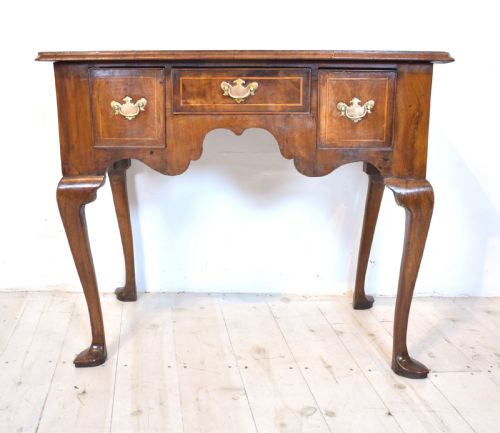


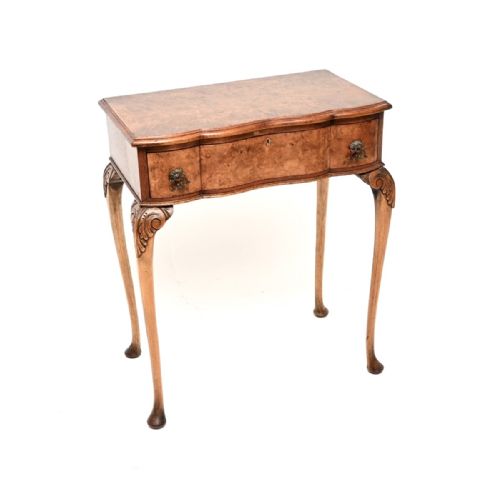


Georgian Walnut Hall Table
A georgian walnut hall table brings warmth and rich grain to an entrance, spanning compact lowboys and slender console forms.
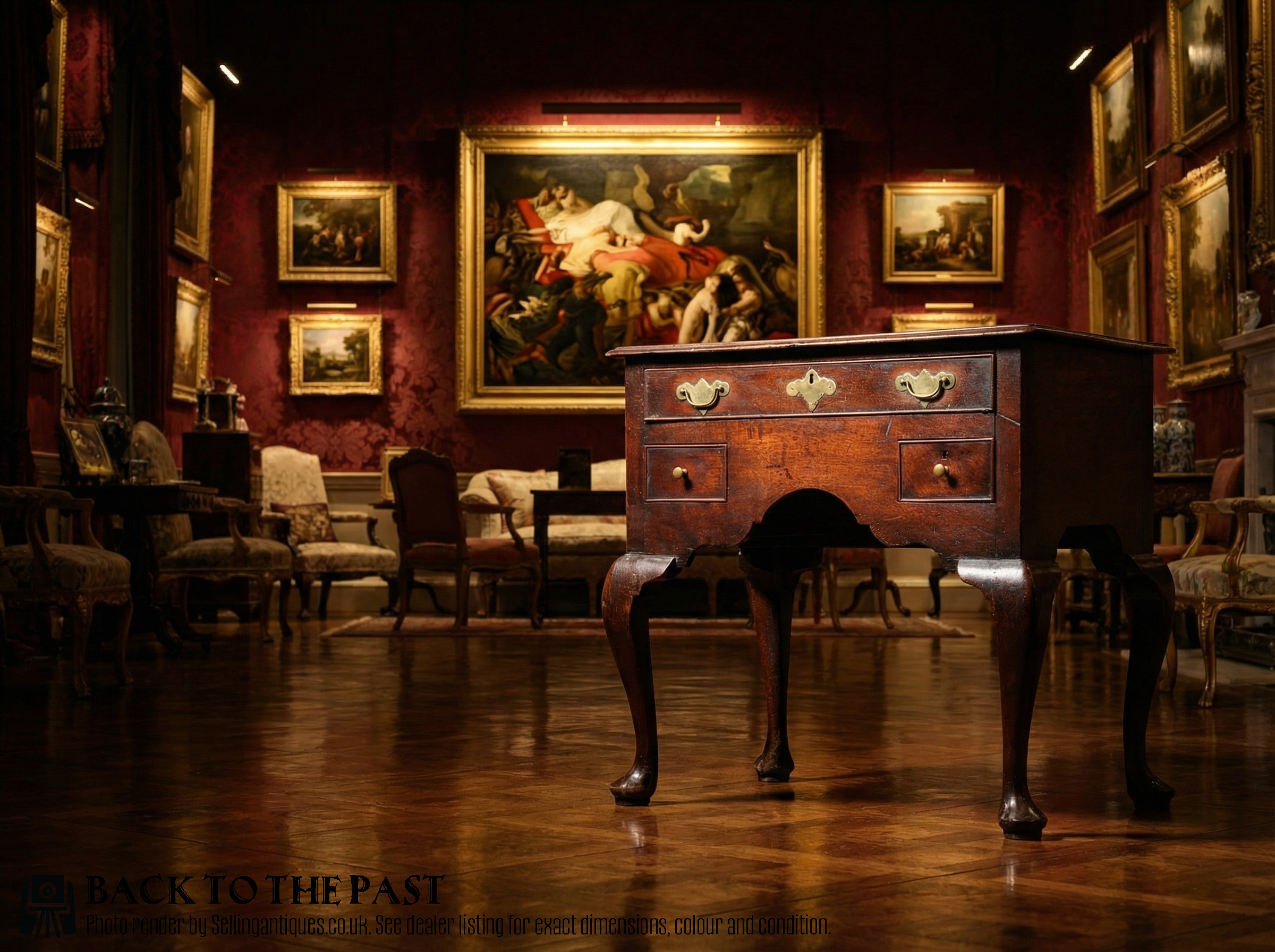
Georgian Walnut Hall Table
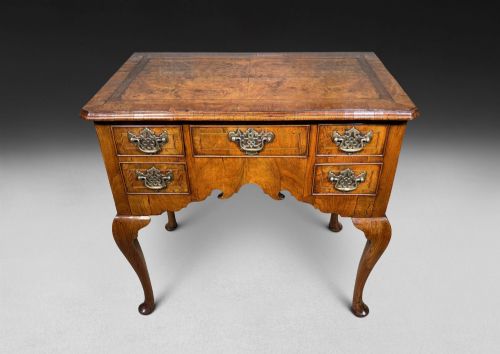
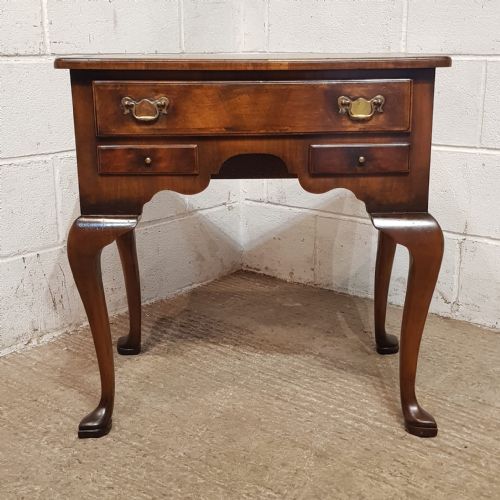
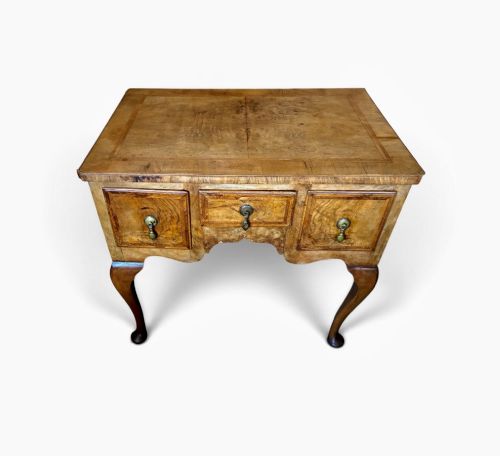
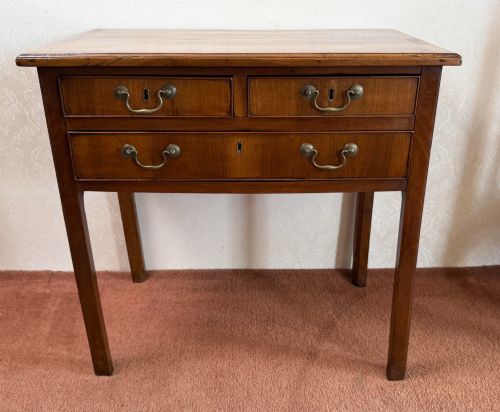
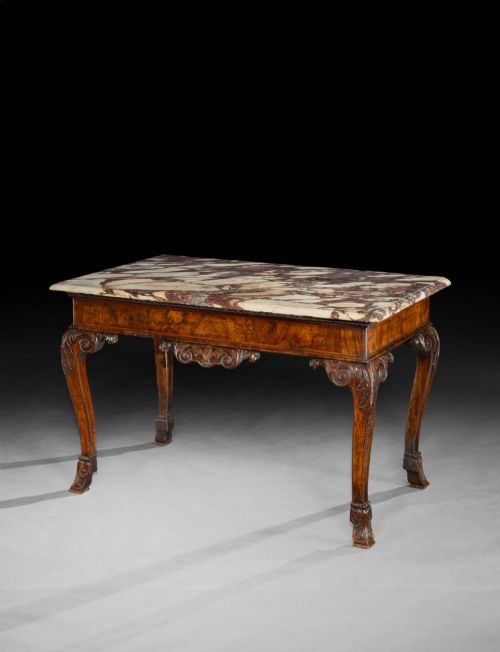
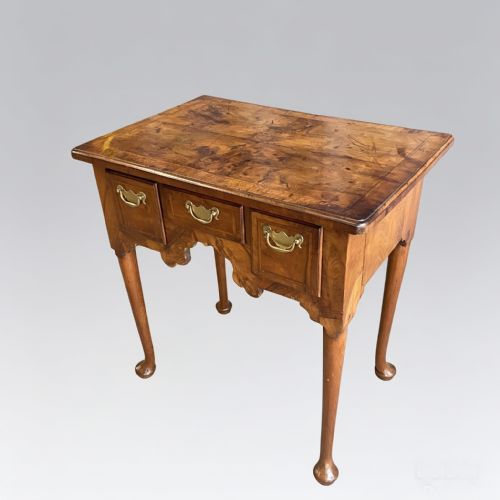
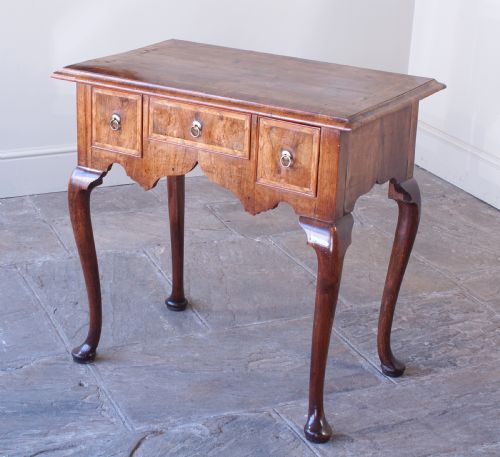
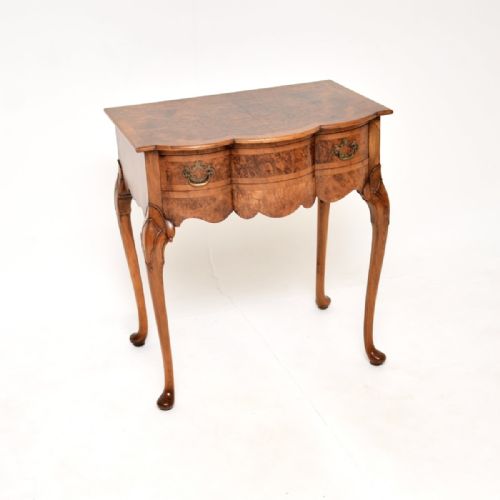
When you search for a georgian walnut hall table, you encounter a selection of side tables, lowboys, and console tables designed for compact entrance spaces. The form typically appears as a lowboy with multiple drawers, a console table for placement against a wall, or a slender side table standing on cabriole legs.
The material vocabulary ranges from solid walnut and figured timber to burr walnut veneer, often enriched by marquetry inlays or fruitwood veneers. Pieces span genuine eighteenth-century examples from the George II and Georgian periods through to later revival interpretations made around nineteen-twenty.
While eighteenth-century originals provide historic character, later revival pieces from the early twentieth century supply similar proportions with sturdy construction. A buyer finds both authentic period antiques and later iterations on this page, each fulfilling the traditional role of a hall or serving table.
Materials and construction
Cabinetmakers utilised walnut and burr walnut veneer over secondary timbers such as oak, applying figured grains to drawer fronts and tabletops to create striking visual patterns. Fruitwood veneer and marquetry inlays frequently decorate the surfaces of mid-eighteenth-century examples, adding intricate detail to the timber ground.
Structural elements commonly include solid walnut or oak framing, joined with traditional methods to support side tables and lowboys. Brass handles and escutcheons punctuate the drawer arrangements, while cabriole legs define the profile of many early pieces.
The inventory bridges eighteenth-century originals with twentieth-century revival interpretations in oak and walnut.
Judging quality and character
Quality rests primarily in the choice and arrangement of timber veneers, where intensely figured burr walnut creates a more dramatic surface than plain grain. The crispness of carved details, such as cabriole leg knees and apron shaping, distinguishes superior cabinetwork from simpler commercial production.
Proportion and structural integrity dictate the standing of a piece, with well-balanced lowboys and console tables holding greater visual appeal. The retention of original brass hardware and untouched patination further elevates an example above altered or heavily restored pieces.
Maple and Co.
The Georgian Walnut Hall Table Glossary
- Lowboy
- A small table with drawers, standing on relatively tall legs, commonly used as a dressing table or side table in eighteenth-century interiors.
- Burr walnut
- Timber taken from a walnut tree growth, producing intricate, swirling grain patterns highly prized for cabinet veneers.
- Cabriole leg
- A furniture leg that curves outward and then tapers inward, typically ending in a pad or foot, popular in eighteenth-century design.
- Marquetry
- Decorative inlay work using various coloured woods to form geometric or pictorial patterns on furniture surfaces.
- Console table
- A table designed to be fixed against a wall, frequently supported by brackets or legs at the front.
Georgian Walnut Hall Table: Frequently Asked Questions
What is a lowboy table?
A lowboy is a small table equipped with one or more rows of drawers beneath the top surface. It served various domestic functions in the eighteenth century, acting as a dressing table, a writing desk, or a small side table.
In a modern hallway, a lowboy functions effectively as a narrow surface for post and keys while offering concealed storage within its drawers.
How do I distinguish eighteenth-century pieces from later revivals?
Eighteenth-century pieces display period construction methods, timber shrinkage, and patination accumulated through decades of use. Revival items made around nineteen-twenty often show standardised joinery and cleaner, uniform finishes.
Examining the secondary timbers inside the drawer boxes and the wear patterns on the feet helps determine the true age of the timber.
Where should I place a console table?
Console tables fit securely against hallway walls, narrow passages, and entrance foyers because their shallow depth prevents obstruction. They provide an ideal landing space for decorative objects, lamps, or mirrors hung above.
Pairing a walnut console with a complementary mirror creates a traditional focal point upon entering a home.
Why is burr walnut so desirable?
Burr walnut derives from the gnarled growth of a walnut tree, yielding a dense cluster of swirling, organic patterns. Cabinetmakers sliced this timber into thin veneers to display symmetrical grain arrangements across tabletops and drawer fronts.
This decorative figuring gives each table a distinct texture and visual depth that plain timber lacks.