

Georgian Wall Hanging Cupboard
A georgian wall hanging cupboard brings compact storage and architectural presence to a room, utilising neglected angles with timber doors.
Georgian Wall Hanging Cupboard
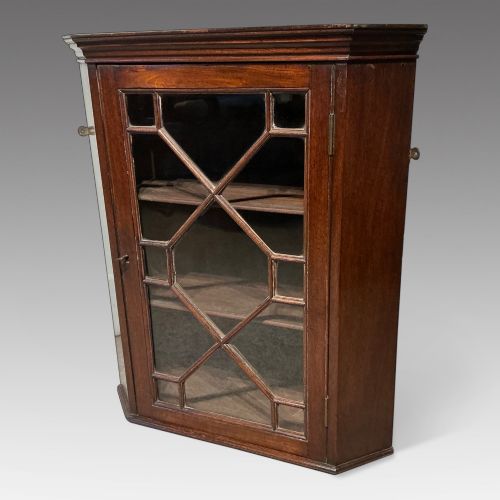
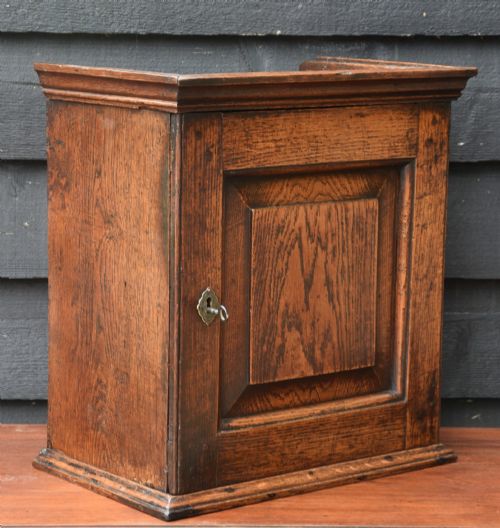
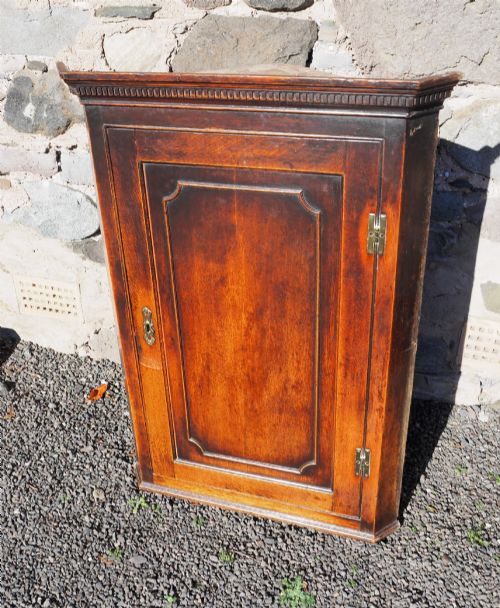
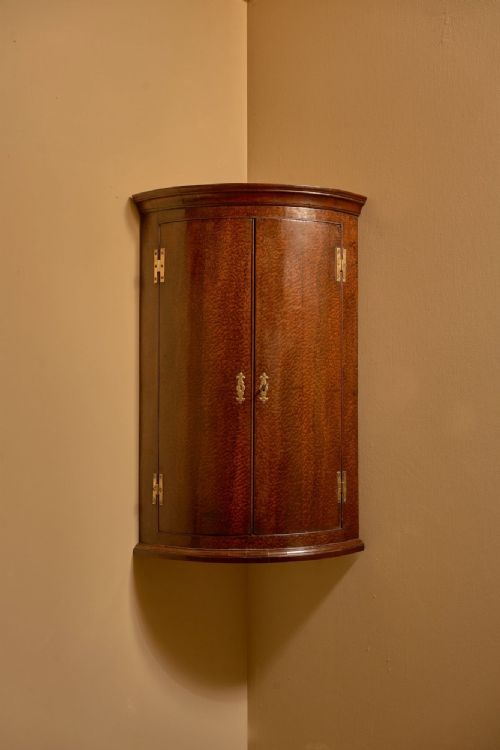
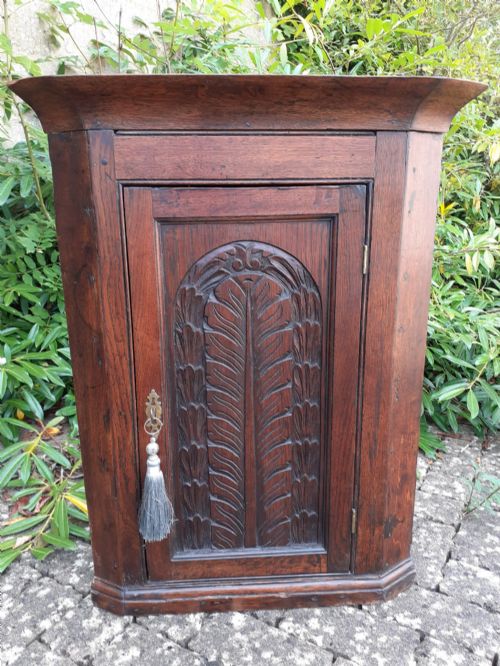
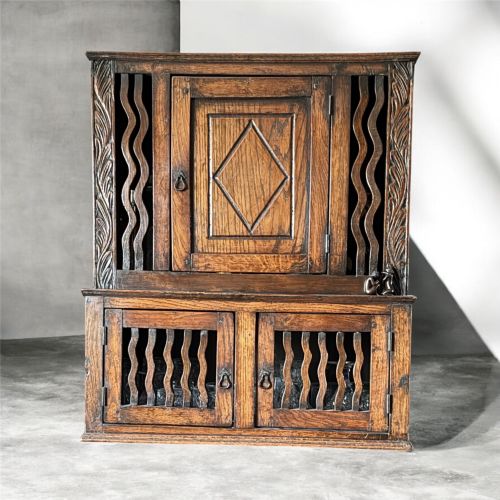
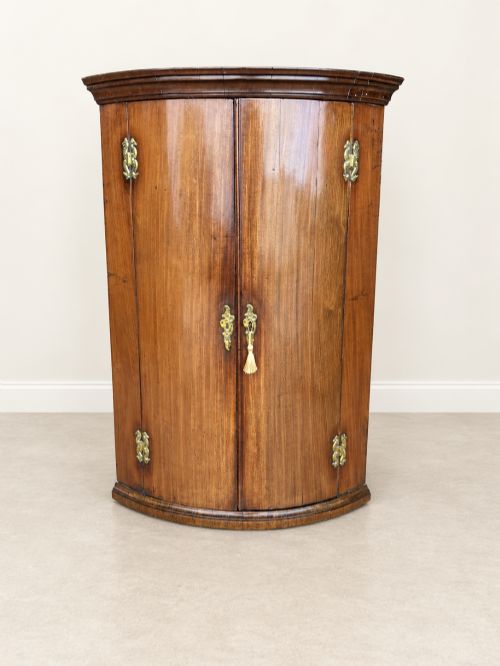
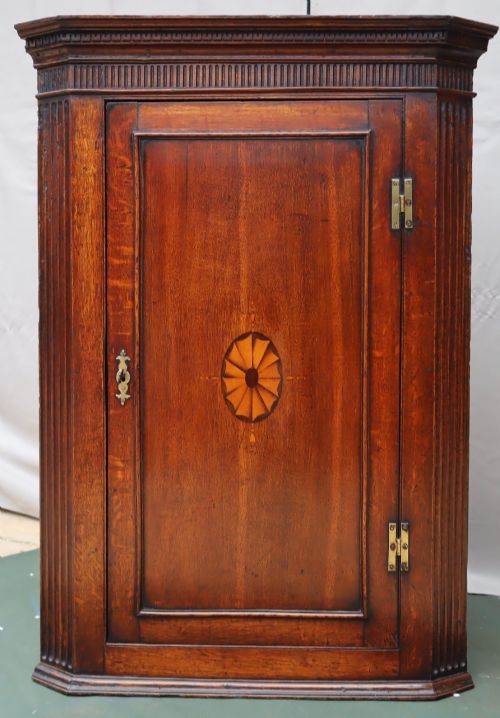
A georgian wall hanging cupboard most commonly appears as a corner cabinet designed to mount directly onto room walls, freeing up floor space while enclosing domestic goods. The selection spans the 18th century, the Regency era, and later periods, capturing vernacular farmhouse styles alongside formal town pieces.
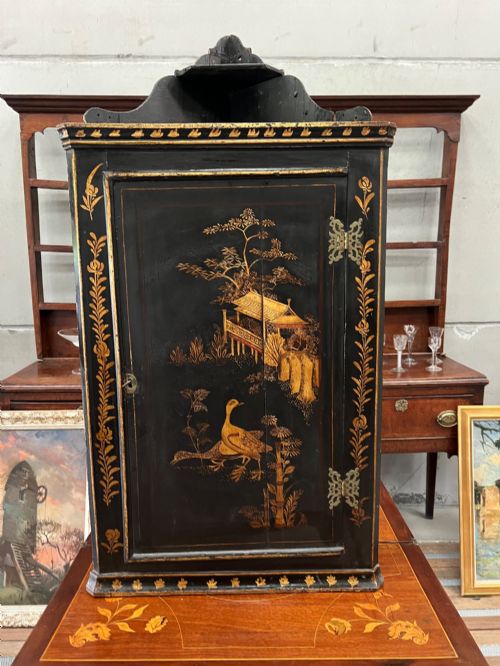
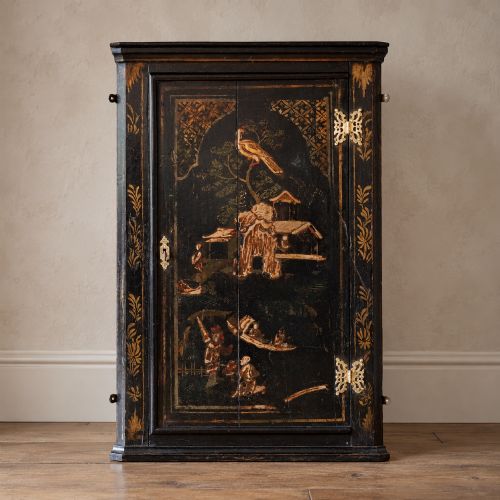
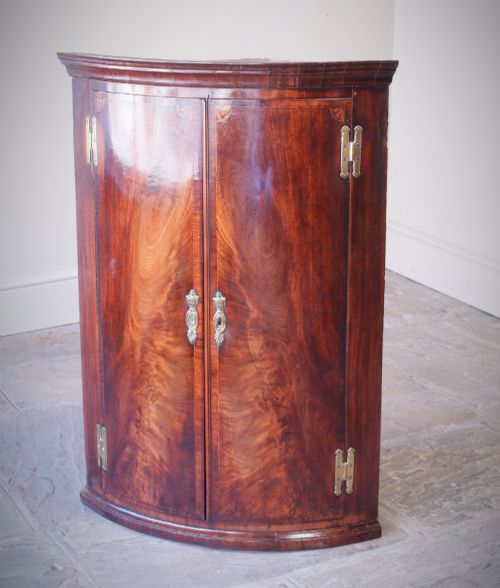
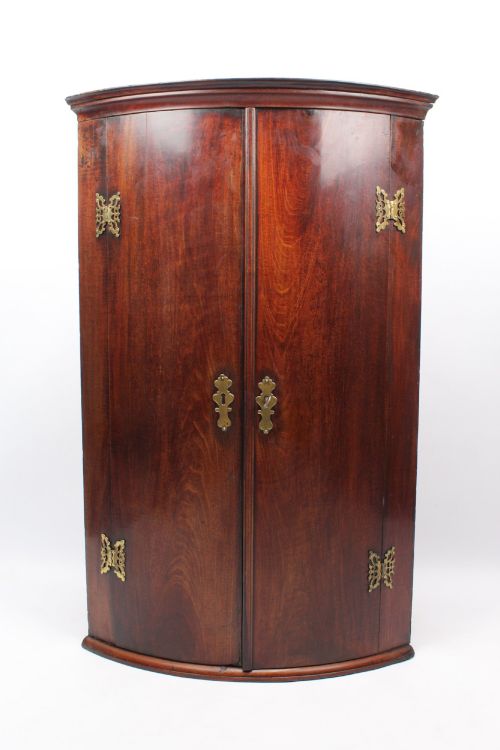
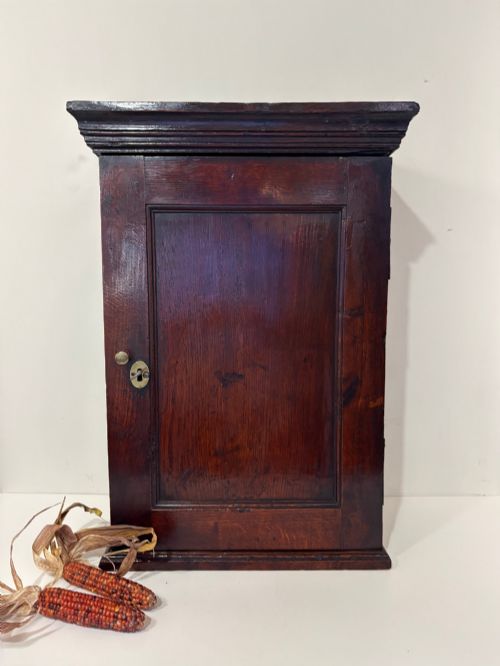
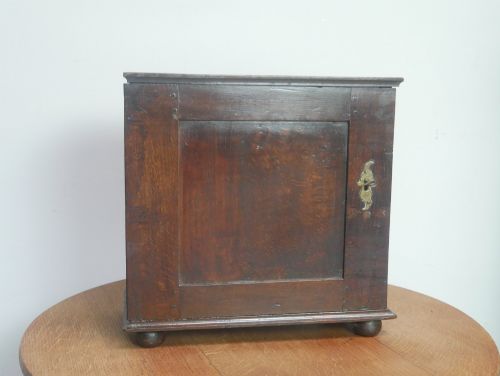
Makers produced flat fronted variants alongside bow front profiles, plus smaller tabletop or wall mounted spice cabinets fitted with internal drawers. Oak and mahogany dominate the forms, supplemented by painted or japanned surfaces echoing Chinoiserie tastes from the Georgian period.
Buyers also encounter glazed display doors and candle slides integrated into walnut or pine carcases, reflecting the domestic habits of George I, George II, and George III reigns.
Materials and Construction
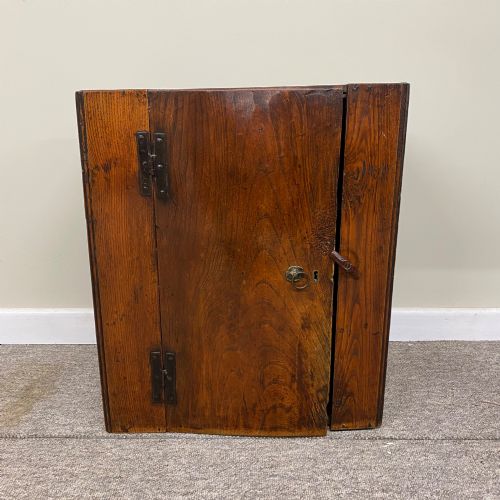
Cabinet makers joined solid oak, mahogany, elm, walnut, and pine using traditional joinery, often housing brass H hinges or strap hinges on panelled doors. Figured veneers such as plum pudding mahogany and burr oak ornamented the prominent surfaces of finer town examples.
Decorative detailing relied on inlaid banding, painted interiors, and japanned lacquer finishes featuring oriental motifs. Carcases were built to hang securely from walls, distributing weight across sturdy timber backs and internal shelving structures.
Georgian Wall Hanging Cupboard Retail Price Guide 2026
Typical asking prices for georgian wall hanging cupboard among the pieces listed under this phrase on Sellingantiques today, from the lower quarter to the upper quarter. They describe what is for sale here now, not the wider market.
Evaluating the Pieces
Quality rests in the choice of timber figure, such as highly figured flame mahogany or dense burr oak, and the crispness of inlaid stringing or crossbanding. Superior examples retain original brass hardware, working locks with keys, and untouched painted or japanned interior finishes.
Construction methods also separate utilitarian farm pieces from refined urban commissions, seen in the thickness of the door panels, the dovetailing of internal spice drawers, and the integrity of the original hanging fixings.
The Georgian Wall Hanging Cupboard Glossary
- Bow front
- A convex curved cabinet front that projects outward from the corner or wall, popular in late Georgian design. This curved profile softens the hard geometry of room angles.
- Japanned
- European wood finished with imitation oriental lacquer, often decorated with raised metallic motifs in the Chinoiserie taste. It provides a glossy dark surface popular in the 18th century.
- Spice cupboard
- A small wall mounted cabinet containing multiple internal drawers for storing dried goods and aromatics. These compact pieces date predominantly to the early 18th century in oak.
- Candle slide
- A pull out wooden ledge positioned beneath the cabinet door to hold a taper or candle while accessing stored items. This sliding board is a mark of period utility.
- Glazed door
- A door frame fitted with glass panes to display ceramics or glassware housed inside the cabinet. These are frequently found on 18th century wall cabinets.
Georgian Wall Hanging Cupboard: Frequently Asked Questions
How were these cupboards used originally?
These cabinets served to store provisions, tableware, valuables, or spices safely above floor level in domestic rooms.
Corner placements maximised utility in smaller parlours and kitchens without obstructing movement.
Where should I hang a wall cabinet?
Mount the cupboard directly onto structural wall studs using secure brackets suited to the weight of the timber carcase. Corner positions work well to anchor empty room angles and balance furniture arrangements.
Ensure the hanging height allows comfortable access to the door handle and internal shelves.
How do I date an 18th century cupboard?
Examine the timber species, secondary woods used at the back, and the style of hinges or drawer construction. Early pieces frequently use solid oak with pegged joints, while later Georgian examples often feature mahogany veneers and refined string inlay.
Surface finish and lock mechanisms also offer clues to the decade of manufacture.