


Rococo Painted Cupboard
A rococo painted cupboard brings sinuous curves and decorative brushwork into a room, offering both storage and a distinct ornamental presence.
Rococo Painted Cupboard
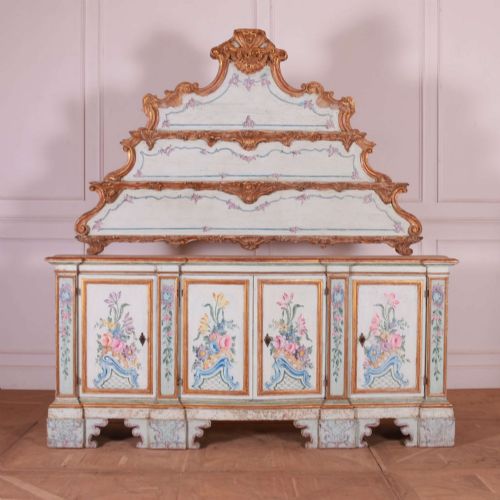
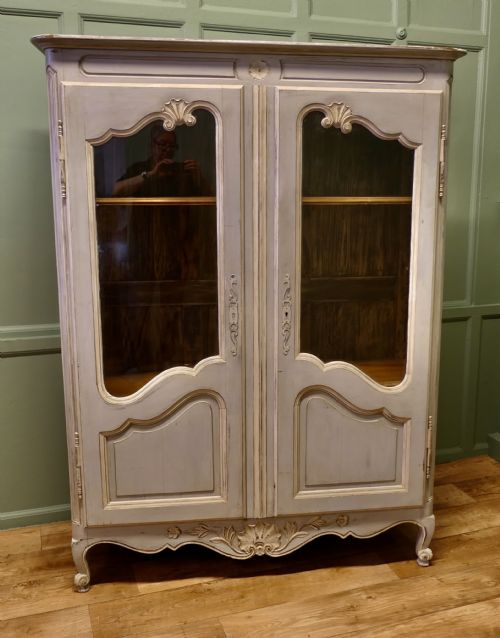
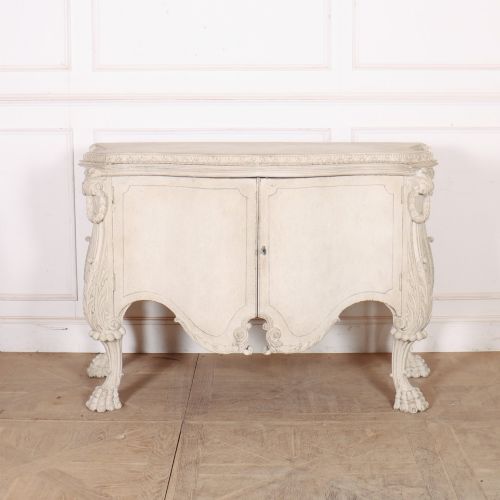
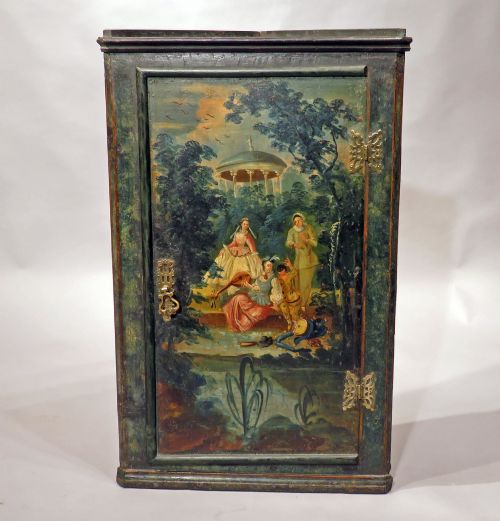
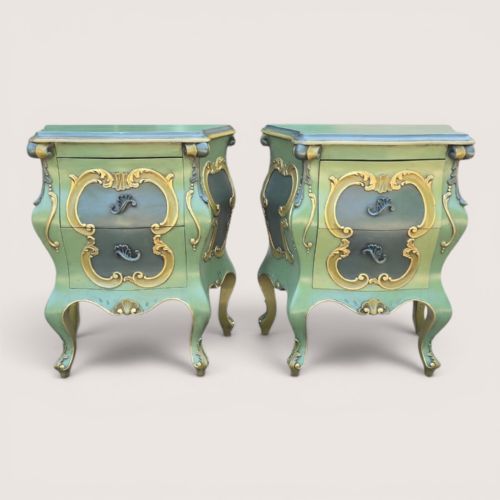
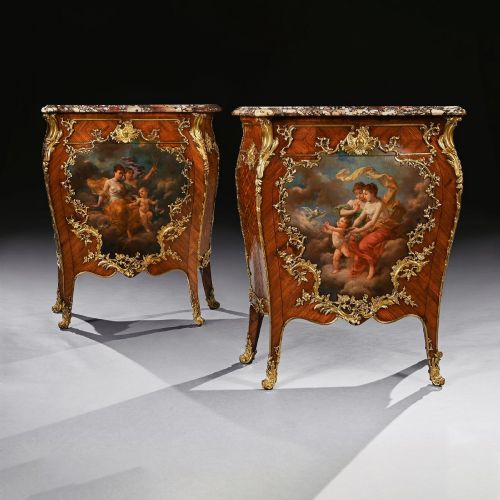
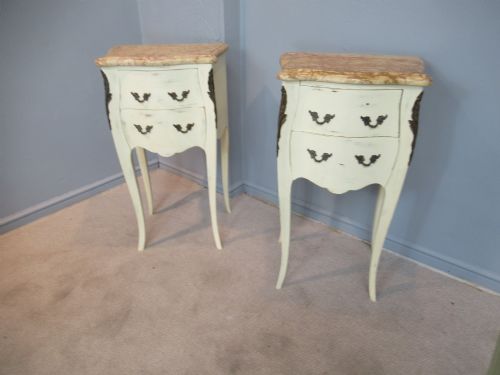
A rococo painted cupboard encompasses various forms including display cabinets, corner cupboards, side cabinets, commodes, and sideboards across several eras. These items span 18th century originals, 19th century revival pieces, and early 20th century interpretations in French, Italian, Dutch, and Georgian styles.
The version most commonly met on this page is the French or Italian revival cabinet, frequently featuring painted panels, glass vitrines, or marble tops. Buyers often encounter pieces utilising kingwood, painted wood, or brass mounts alongside characteristic serpentine and bombe silhouettes.
Materials and construction methods
Makers utilised woods such as oak, kingwood, and rosewood as structural foundations for these cabinets and commodes. Surfaces were frequently treated with paint, varnish, and gilding to achieve the decorative schemes characteristic of the style.
Mounts and hardware cast in brass, bronze, and ormolu were applied to accentuate the curved contours of the woodwork. Glass panes and marble slabs frequently completed the upper and surface sections of vitrines and commodes.
Current listings feature items spanning the eighteenth, nineteenth, and early twentieth centuries, constructed from painted wood, kingwood, brass, and marble.
Distinctions in quality and execution
The fineness of the painted decoration and the execution of the surface finish distinguish different grades of work. Hand-painted panels and layered varnish demonstrate a higher level of artisan involvement than simpler surface treatments.
The integration of cast bronze or ormolu mounts and the precision of the underlying cabinetwork separate superior examples from standard production. Heavier structural stability and carefully fitted marble tops also indicate better execution.
The Rococo Painted Cupboard Glossary
- Vitrine
- A glass-fronted cabinet designed for the display of porcelain and small objects. These pieces often incorporate glazed doors and illuminated interiors.
- Commode
- A low chest of drawers or cabinet originating in France during the eighteenth century. They frequently feature marble tops and ornate metal mounts.
- Bombe
- A swelling, outward-curving furniture profile associated with baroque and rococo designs. This bulging shape requires advanced woodworking skill to construct.
- Vernis Martin
- A simulated Japanese lacquer technique developed in eighteenth century France. It involves the application of multiple layers of clear varnish over painted decorations.
- Ormolu
- Gilded bronze used for decorative furniture mounts and ornaments. The technique involves applying a gold amalgam to a bronze base.
Rococo Painted Cupboard: Frequently Asked Questions
Where should I place a painted cabinet?
These cabinets work well in reception rooms, hallways, or bedrooms where their decorative surfaces and storage capacity can be appreciated. Their varied forms allow them to function as display spaces or bedside storage.
Positioning them away from direct sunlight helps preserve the painted panels and varnished finishes over time. Pairing them with complementary lighting enhances the metallic mounts and glass elements.
How do I identify a revival piece?
Revival pieces often date from the nineteenth or early twentieth centuries, drawing inspiration from earlier eighteenth century forms. Examination of the interior construction, wood shrinkage, and fastener types helps clarify the date of manufacture.
Makers working in later periods frequently utilised machine-cut elements alongside hand-finishing. Comparing the overall weight, hardware style, and secondary woods provides further clues to the age.
How do I care for painted wood?
Maintaining painted and varnished surfaces involves regular dusting with a soft, dry cloth to prevent abrasive particle buildup. Avoiding silicone-based polishes protects the historic varnish and paint layers from chemical damage.
Stable room humidity and temperature prevent the underlying wood from expanding or contracting excessively. Such precautions protect both the structure and the delicate surface decoration from cracking.