

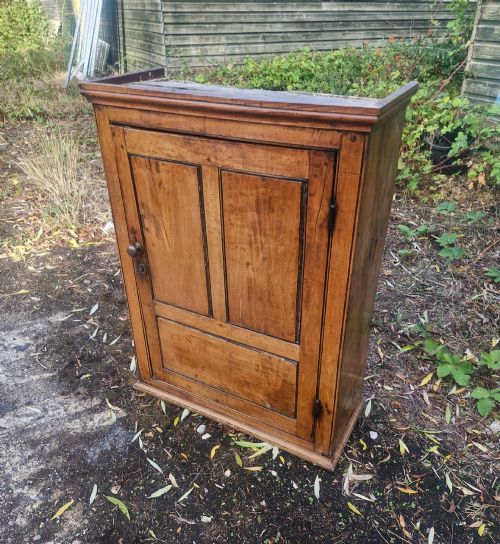
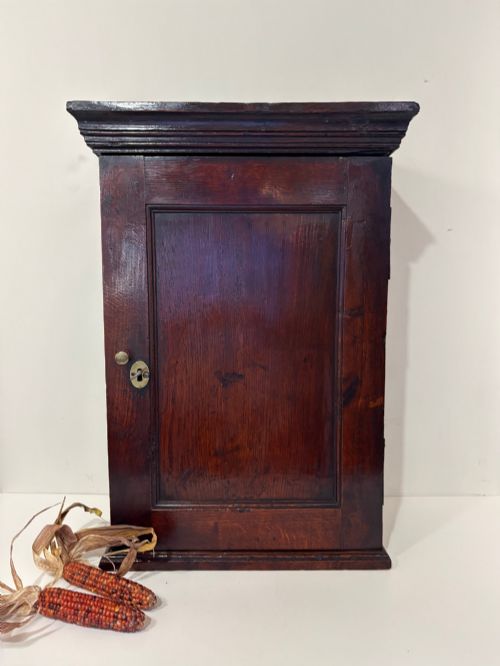
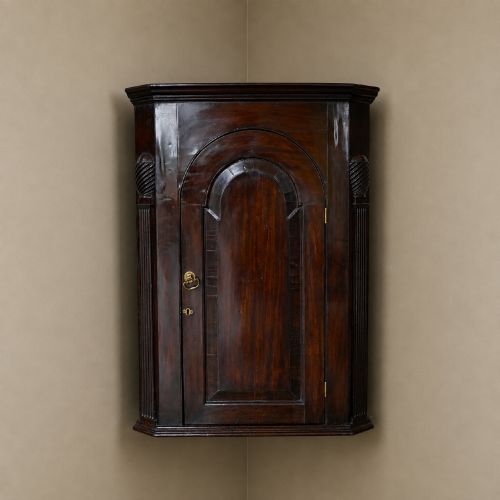
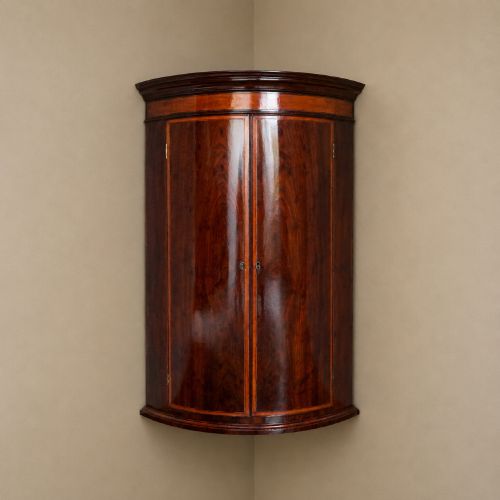
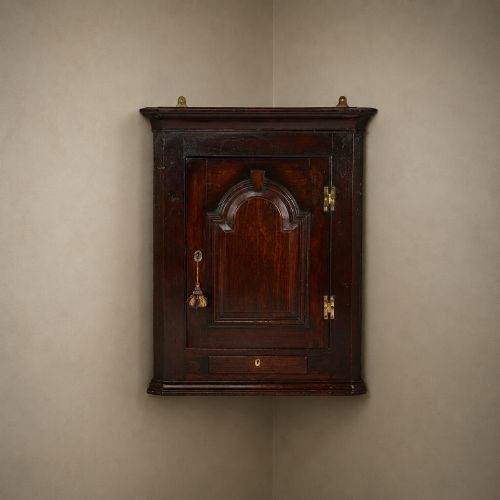
Georgian Wall Hanging Cabinet
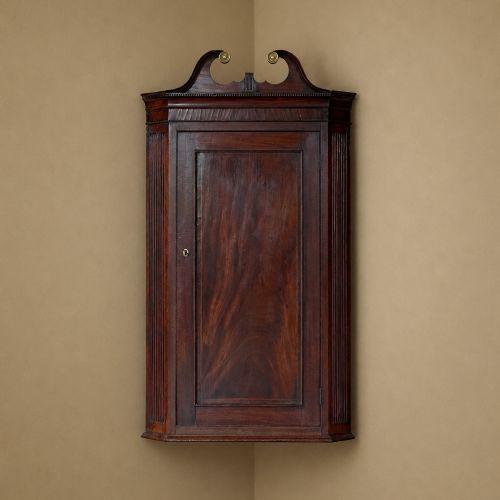
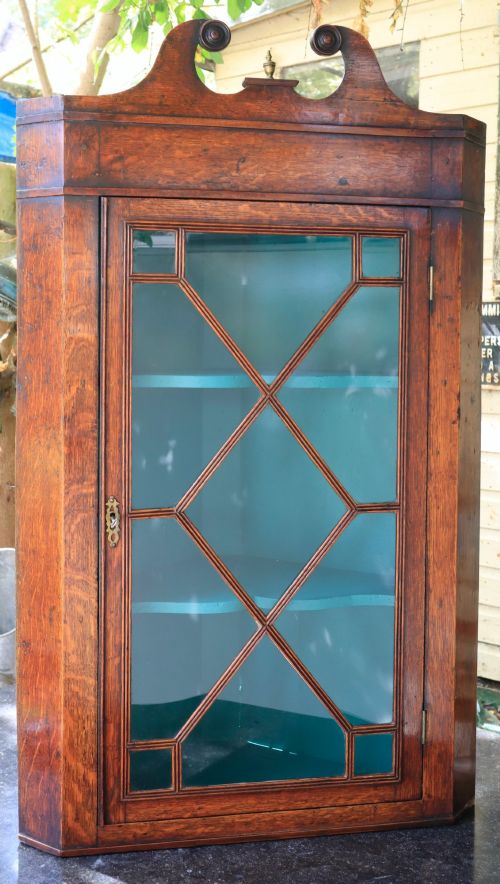
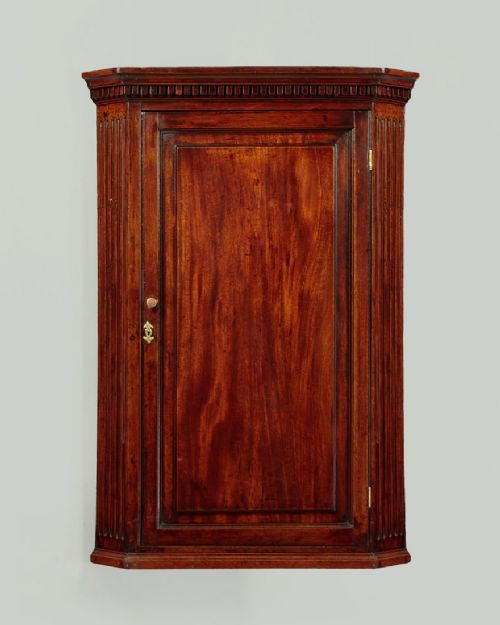
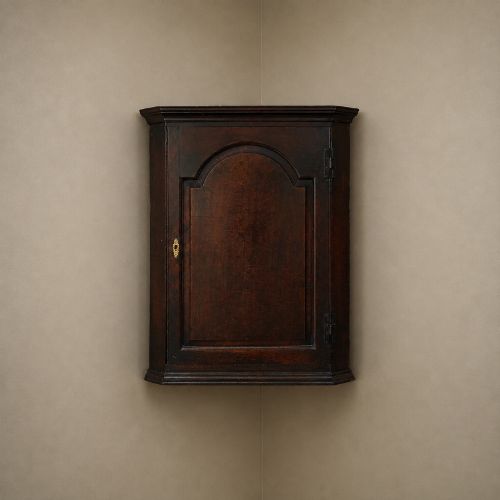
A georgian wall hanging cabinet organises small domestic spaces with architectural presence, offering concealed storage inside fitted wooden corners.
Georgian Wall Hanging Cabinet
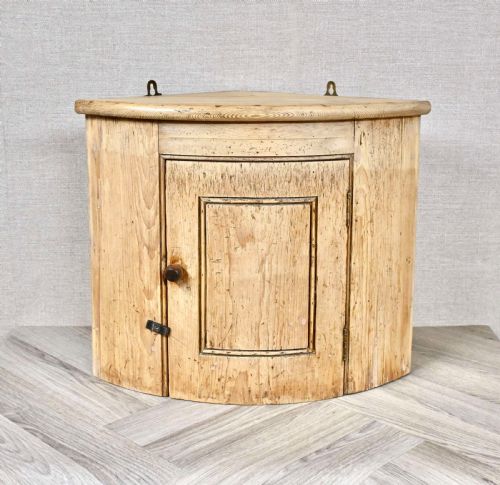
A georgian wall hanging cabinet primarily takes the form of a corner cupboard designed to fit flush into room angles, making efficient use of domestic space. The majority of pieces encountered here date from the eighteenth century through the early nineteenth century, reflecting the prevailing domestic architecture of the period.
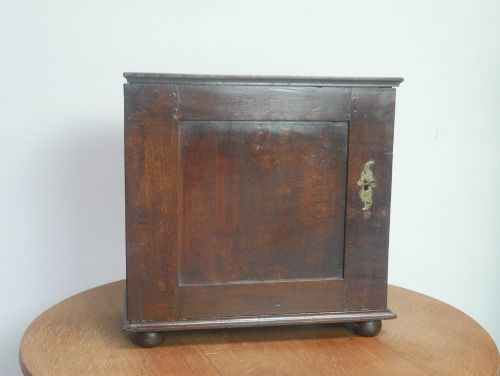
Beyond standard corner units, the selection encompasses specific wall hanging variants including compact spice cupboards, glazed display cabinets, and desk organisers with interior pigeon holes. These pieces span multiple sub-periods from George I to the Regency era, constructed to hang securely from walls rather than stand upon floors.
Materials and Construction
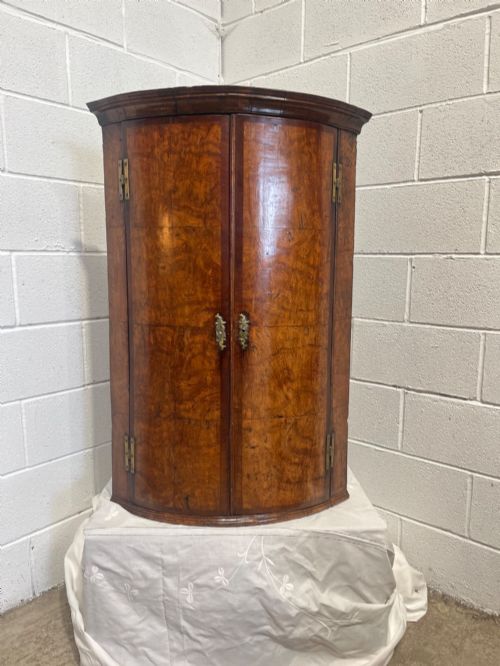
Cabinet makers utilised dense native timbers such as oak and mahogany as the structural foundation, often selecting figured veneers like burr elm, flame mahogany, or plum pudding mahogany for primary exterior surfaces. Secondary woods such as pine appear on internal carcases and backing boards.
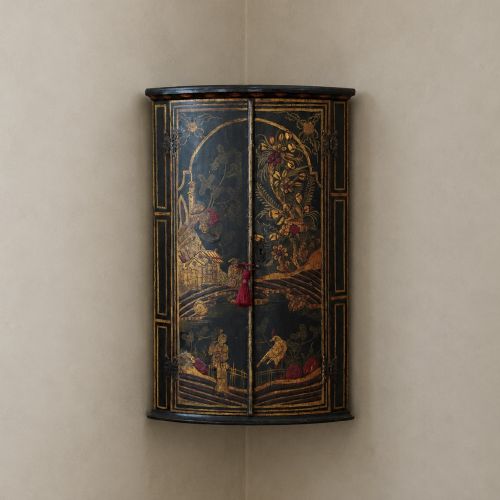
Joinery methods relied on solid timber panels, brass H-hinges, and working locks with keys, occasionally incorporating glass door panes or intricate Japanned and Chinoiserie lacquered finishes applied over the wooden ground.
Georgian Wall Hanging Cabinet Retail Price Guide 2026
Typical asking prices for georgian wall hanging cabinet among the pieces listed under this phrase on Sellingantiques today, from the lower quarter to the upper quarter. They describe what is for sale here now, not the wider market.
Several spice cupboards retain tiny internal drawers originally intended for nutmeg and cloves.
Distinctions in Execution
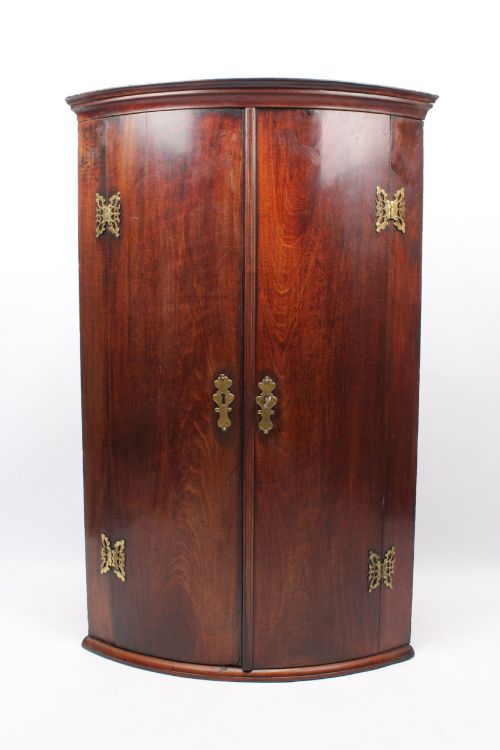
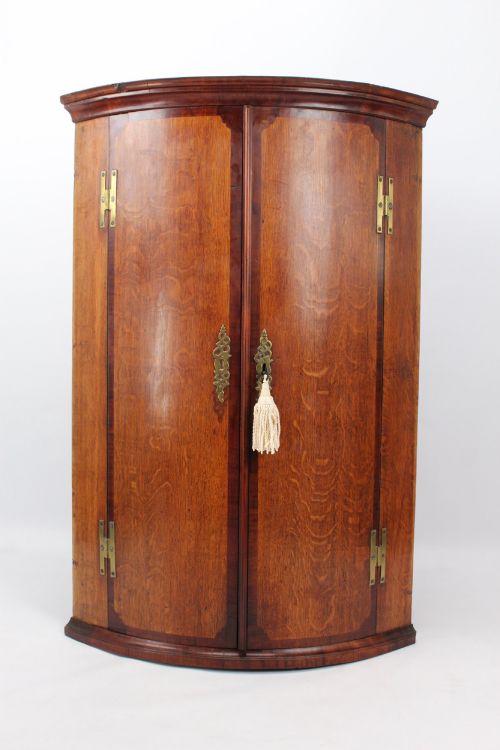
Quality rests upon the selection of timber veneers and the crispness of decorative details such as inlaid banding, astragal glazing bars, and carved cornices. Superior examples display thoughtful grain matching across curved bow fronts and retain original brass hardware.
The integrity of the structural joinery and the survival of original painted or lacquered surfaces determine the standing of individual pieces, separating standard utility cupboards from refined architectural examples.
The Georgian Wall Hanging Cabinet Glossary
- Bow front
- A convex curved cabinet front that projects outward from the wall corners. This shape required skilled woodworking to bend or carve solid timber and veneers.
- Astragal glazed
- A glass door divided into smaller panes by narrow wooden bars known as astragals. This technique allowed cabinet makers to display collections of porcelain or glassware securely.
- Japanned
- European imitation of East Asian lacquerwork utilising painted designs and raised motifs on a dark background. This decorative finish was popular on fashionable eighteenth-century cabinets.
- Spice cupboard
- A small wall-mounted cabinet containing multiple internal drawers for storing culinary herbs and aromatics. These compact pieces were essential fixtures in domestic kitchens.
- Candle slide
- A small pull-out wooden shelf positioned beneath the cabinet door to hold a taper or candle while accessing stored items. It provided temporary illumination in dim eighteenth-century rooms.
Georgian Wall Hanging Cabinet: Frequently Asked Questions
Where were these cabinets placed?
These cabinets were hung high in corners or flat walls to utilise idle space in parlours, dining rooms, and kitchens. Their elevated position kept contents secure and away from floor drafts.
Hanging brackets or robust screw fixings through the backboards secured them directly to wall studs or masonry.
How do I identify a George III piece?
George III pieces often feature characteristic mahogany construction, symmetrical proportions, and decorative details like satinwood inlay or astragal glazed doors. Stylistic shifts between 1760 and 1820 moved from heavier architectural cornices to lighter, refined proportions.
Examining the secondary woods inside the cabinet and the style of the brass hinges helps confirm the period of manufacture.
What is a bow front corner cupboard?
A bow front corner cupboard is a wall-mounted unit featuring a rounded, convex front facade rather than a flat or angled door. This design softened the sharp geometry of room corners and showcased decorative wood grains.
Makers constructed these curved doors using steam-bent wood or solid timber carved into the desired radius.
Can these cabinets hold heavy items?
These cabinets were originally built to store lightweight household goods, ceramics, spices, or bottles rather than heavy plate. The internal shelving is supported by fixed wooden glimmers suited for domestic collections.
Modern placement requires robust wall fixings anchored securely to support the combined weight of the solid timber carcase and its contents.