

Georgian Vitrine Cabinet
A georgian vitrine cabinet brings glass and polished timber together to display treasured objects.
Georgian Vitrine Cabinet
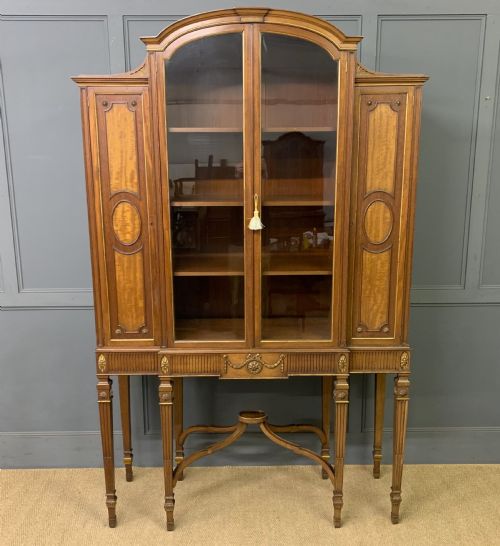
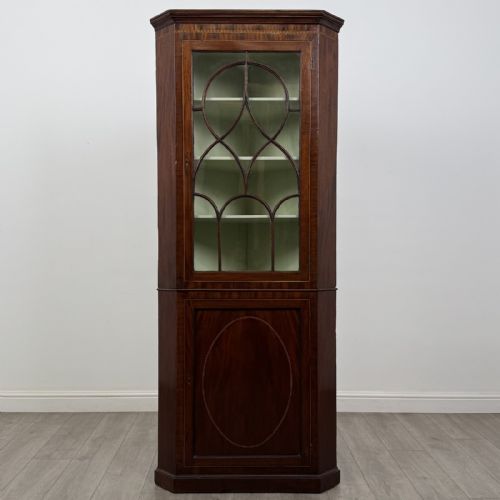
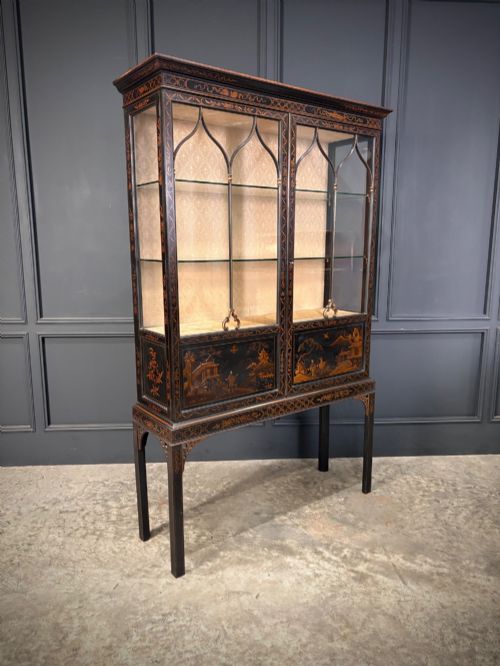
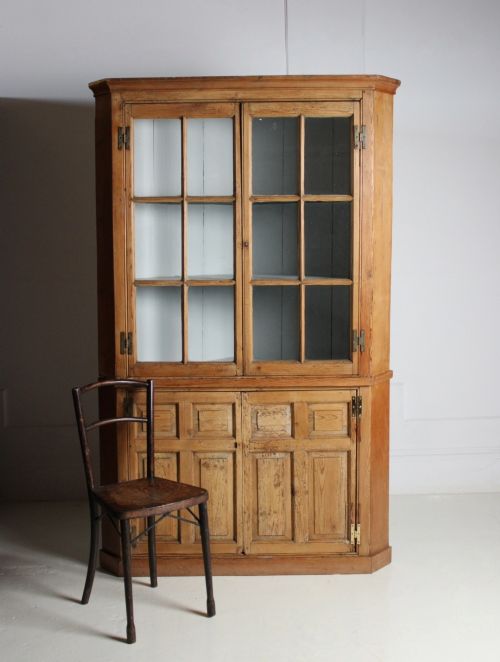
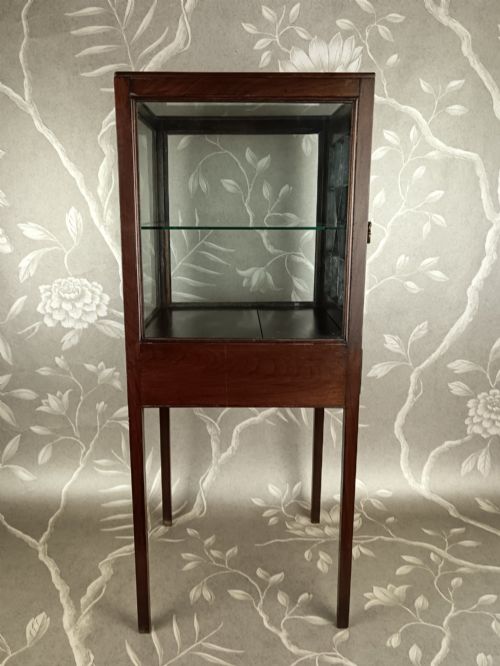
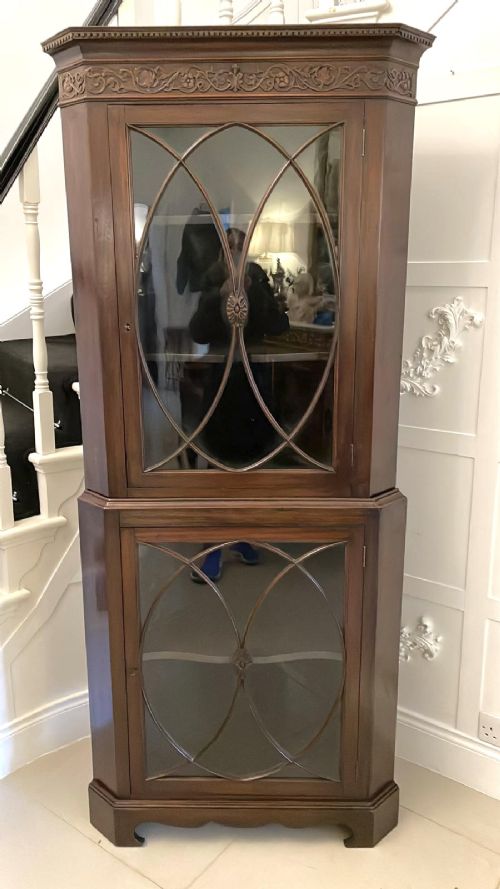
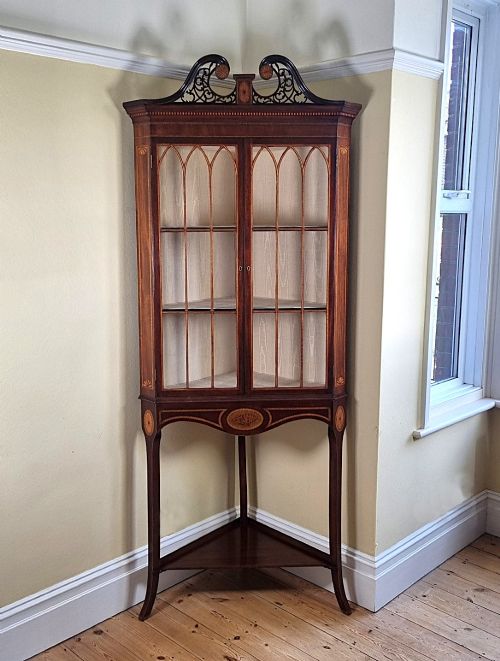
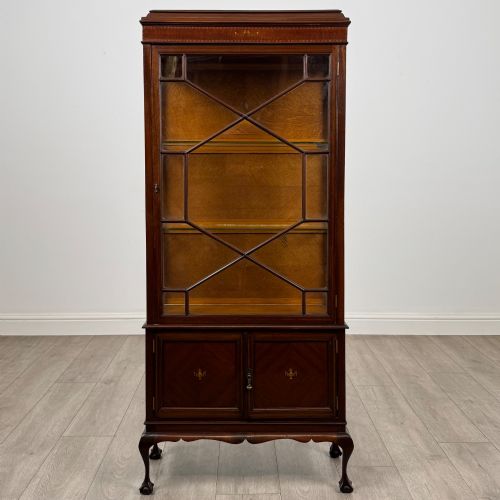
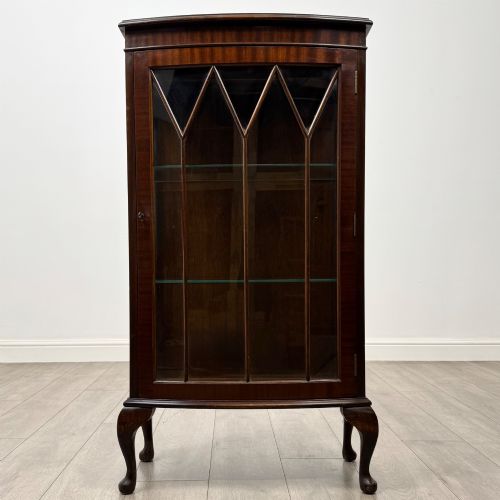
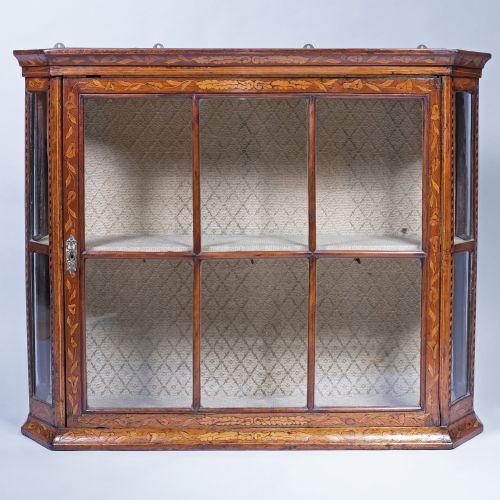
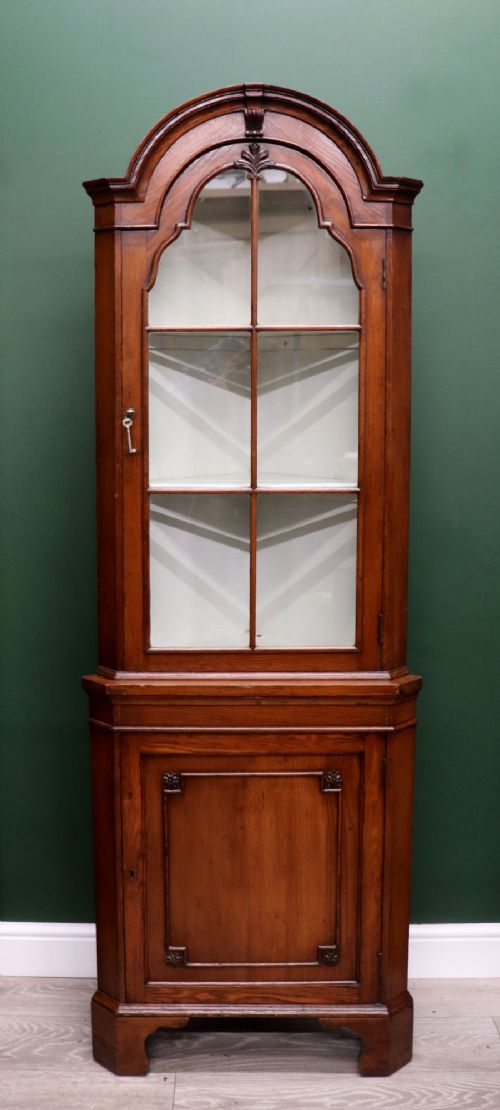
A georgian vitrine cabinet encompasses glazed display pieces designed to showcase objects of interest within domestic spaces. These furnishings appear across various forms, including corner cabinets, wall cabinets, and cabinets on stands, spanning periods from the 18th century through to later revival styles.
The pieces encountered on this page originate predominantly from British and continental workshops, utilising traditional cabinetry formats. Mahogany and walnut serve as the primary timbers, often enhanced with glass panels and inlaid satinwood details to highlight the contents housed inside.
Materials and Technique
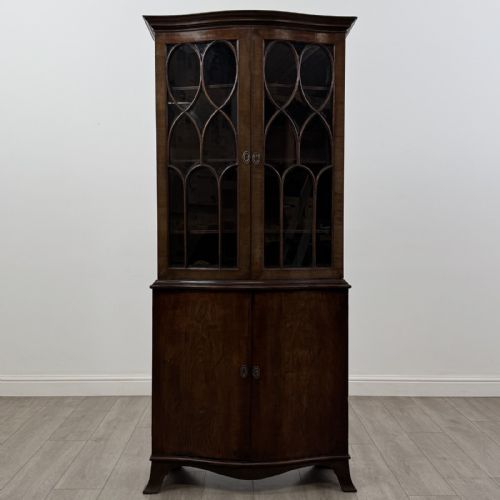
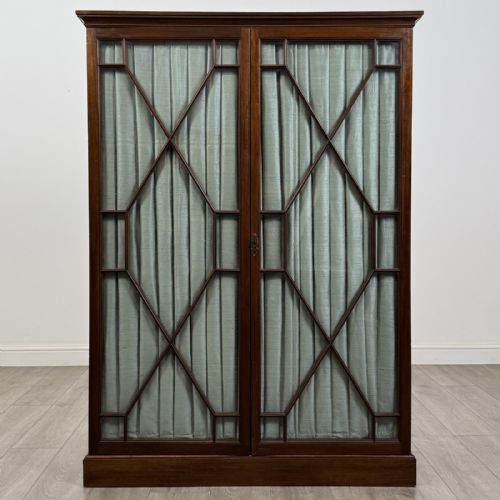
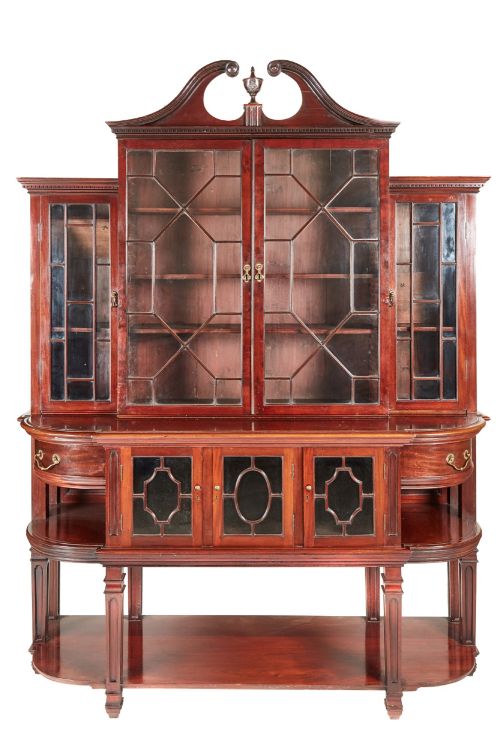
Cabinet makers constructed these pieces using solid timbers and decorative veneers such as mahogany, walnut, and satinwood, frequently accented with brass hardware and fabric-lined interiors. Glazing bars organise the glass panels into intricate geometric patterns, notably astragal configurations.
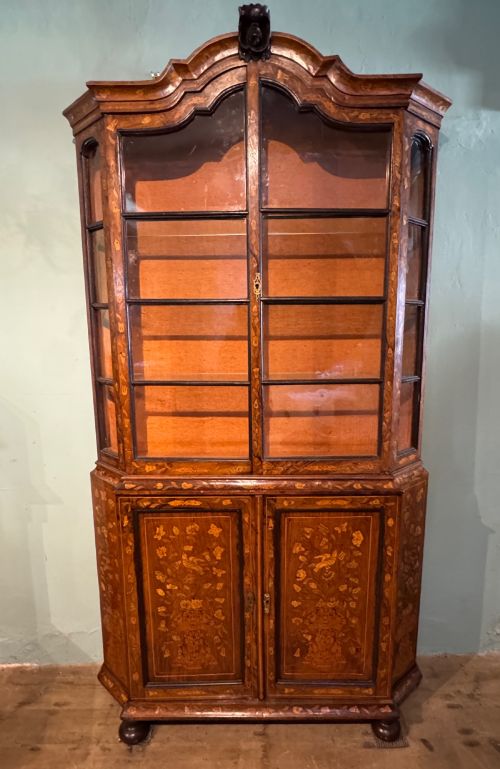
Joinery methods rely on traditional framing and panel construction, paired with marquetry inlay and carved decorative motifs. Surface finishes involve hand-applied polish that accentuates the natural grain and colour of the wood.
The listings on this site feature mahogany and walnut as the primary timbers used in these display cabinets.
Distinctions in Quality
Quality reveals itself in the selection of timber figures, such as burr walnut or figured mahogany, and the precision of the marquetry inlay. Cabinets displaying refined carving and well-proportioned glazing bars demonstrate superior craftsmanship.
The integrity of the construction, including the weight of the glass and the stability of stands or corner attachments, marks the difference between standard production and exceptional maker output.
Edwards & Roberts·Waring & Gillow
The Georgian Vitrine Cabinet Glossary
- Vitrine
- A glass-fronted cabinet designed for displaying fine objects or collections. These pieces often feature glazed doors and sides to maximise visibility.
- Astragal
- A moulding profile used to divide glass panes within a window or cabinet door. These slender wooden bars form supportive geometric patterns across the display area.
- Marquetry
- Decorative veneer work arranged in pictorial or geometric patterns using various coloured woods. Craftsmen apply these thin pieces to the surface of the cabinet.
- Bijouterie cabinet
- A shallow display table or cabinet specifically created for holding small valuable items and jewellery. They typically incorporate glass lids or panels.
- Breakfront
- A piece of furniture where the central section projects forward from the flanking wings. This architectural arrangement adds depth to large bookcases and display units.
Georgian Vitrine Cabinet: Frequently Asked Questions
Where should a display cabinet go?
These cabinets suit reception rooms, libraries, or hallways where natural light can reach the glass panels. Corner models fit neatly into unused room angles while saving floor space.
Position the piece away from direct sunlight and damp sources to protect both the timber and the objects kept inside.
What is a cabinet on stand?
A cabinet on stand consists of an upper storage or display box resting upon a separate supporting framework with legs. This form elevates the display area to eye level.
Stands often feature slender legs linked by stretchers, providing a lighter aesthetic compared to heavy floor-standing cupboards.
How are different periods distinguished?
Original 18th-century pieces display proportions and timber selections characteristic of Georgian craftsmanship, such as hand-cut dovetails and dense mahogany. Later revival styles from the 19th and 20th centuries reinterpret these classical forms using contemporary machinery and varied veneers.
Examining the internal construction and secondary woods helps clarify the period of manufacture.