
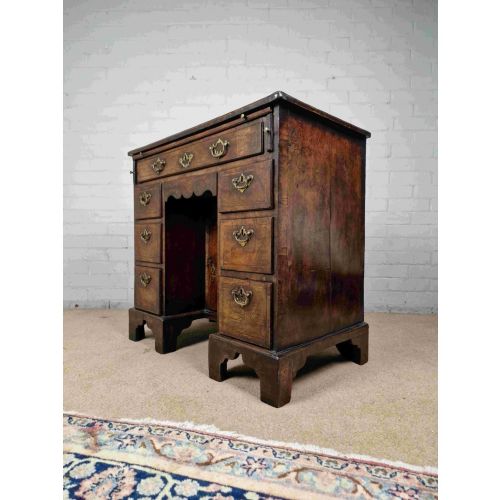
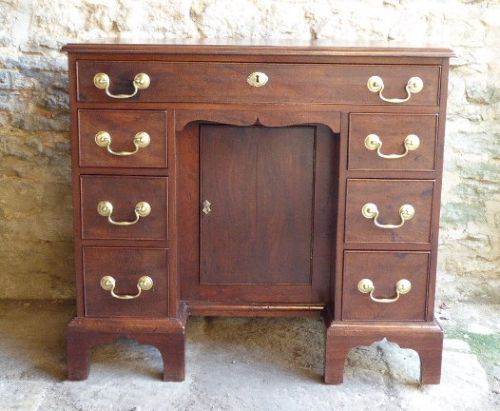
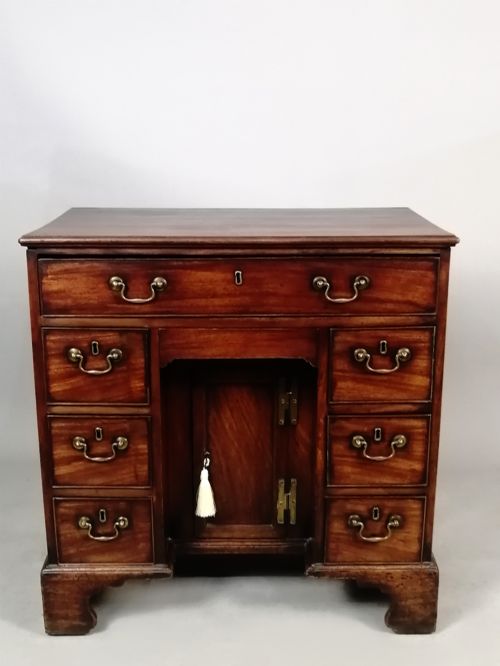
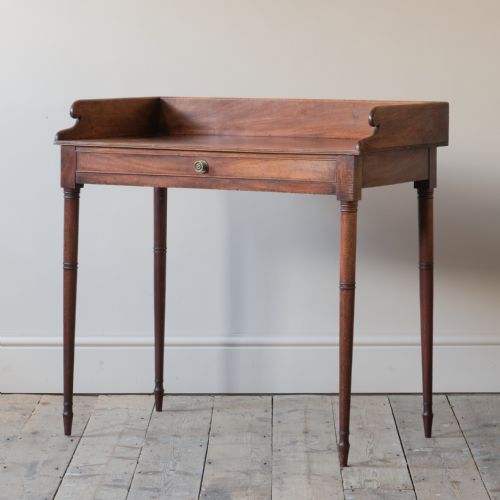
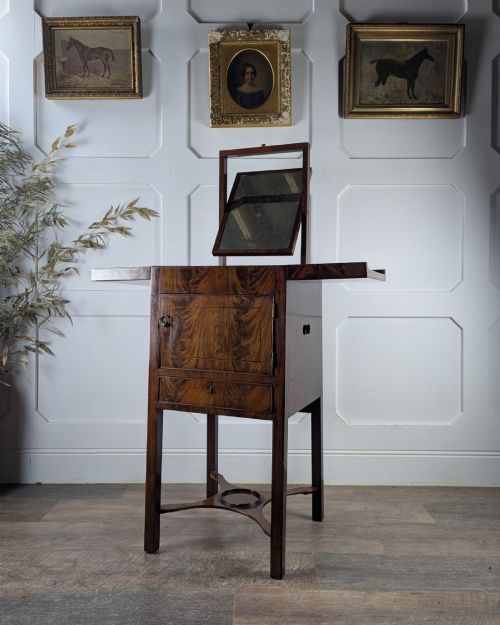
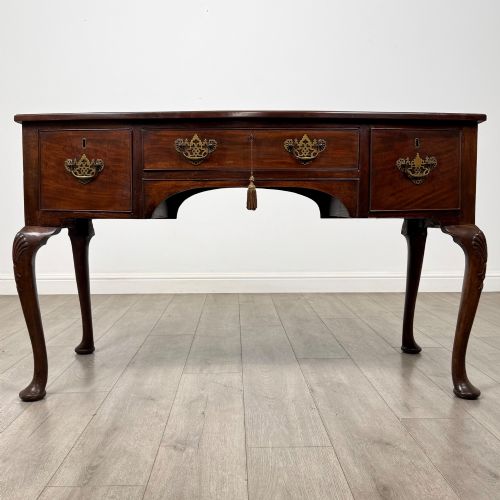
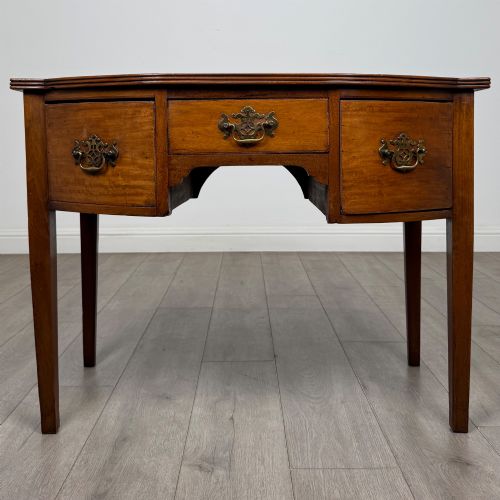
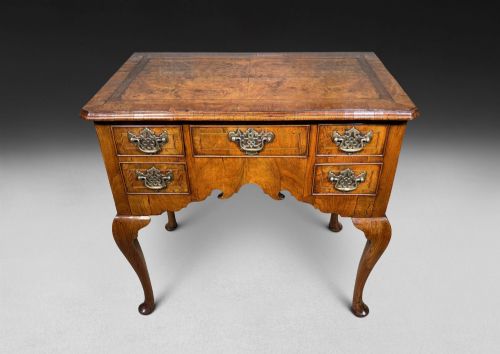
Georgian Vanity Desk
A georgian vanity desk brings refined timber and functional storage together, offering a dedicated surface for daily grooming and correspondence.
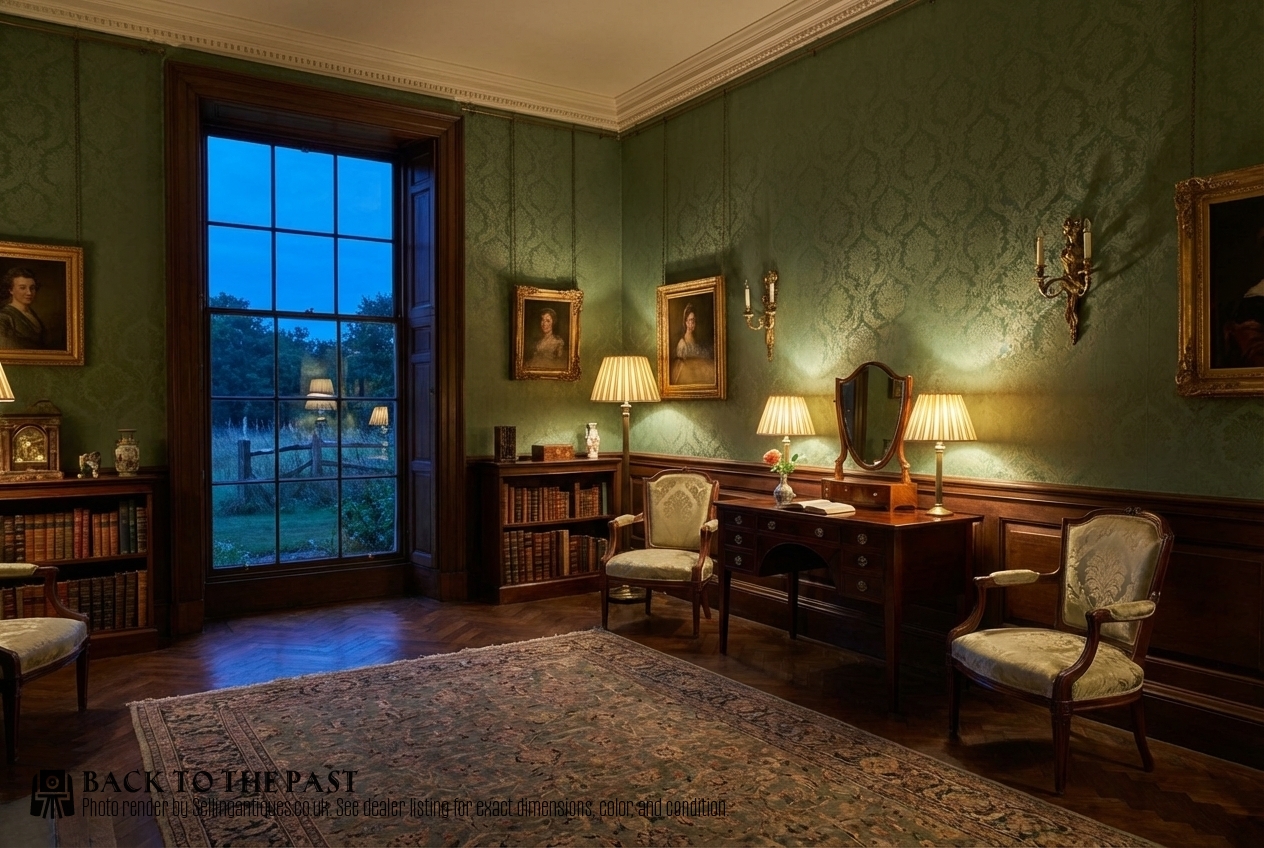
Georgian Vanity Desk
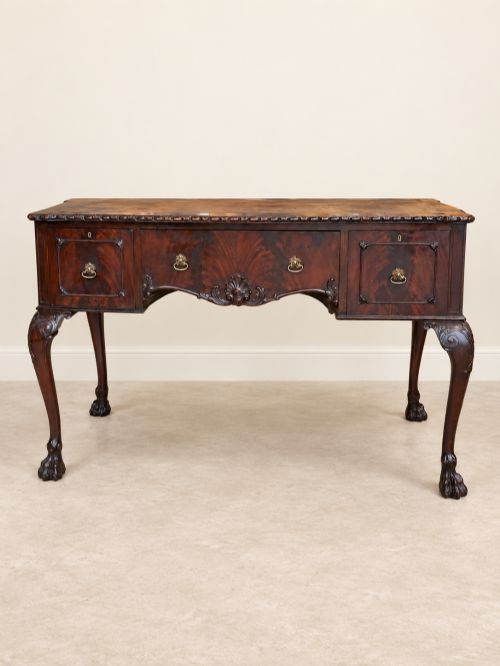
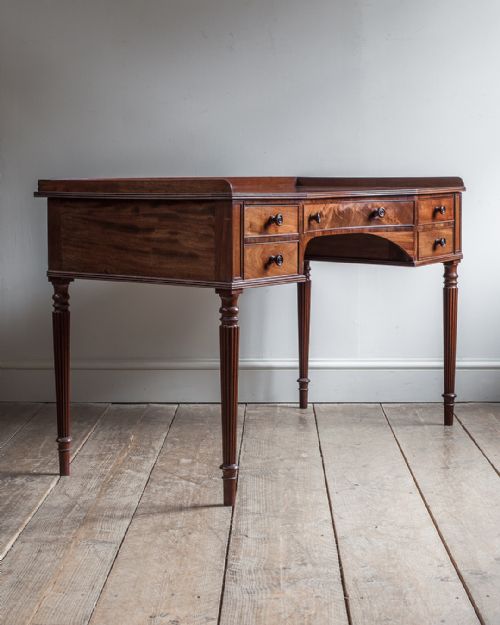
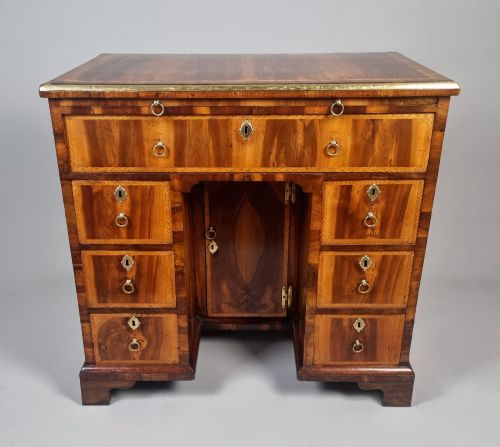
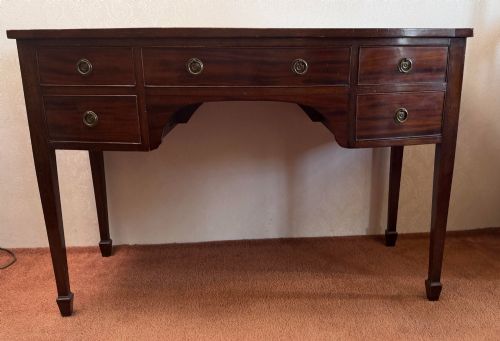
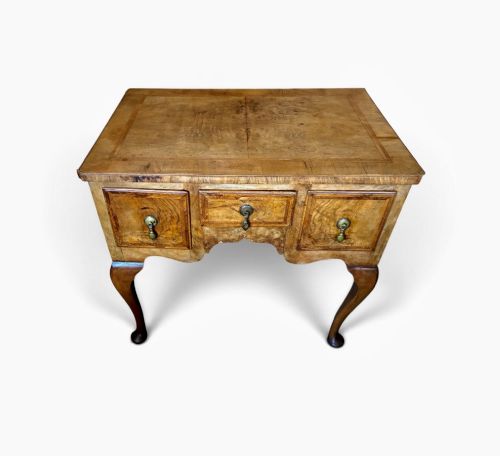
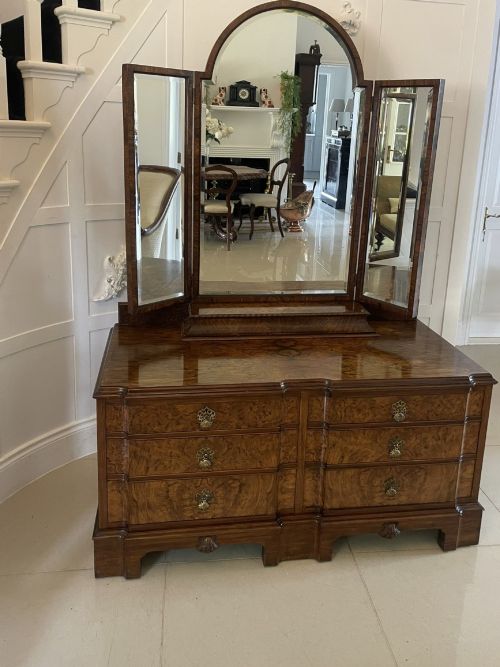
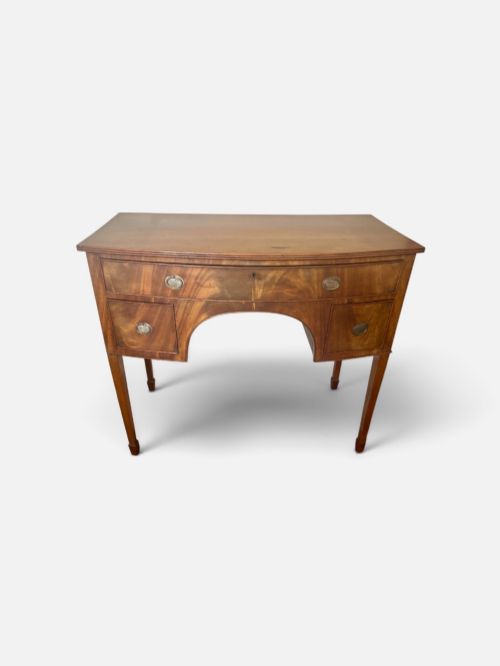
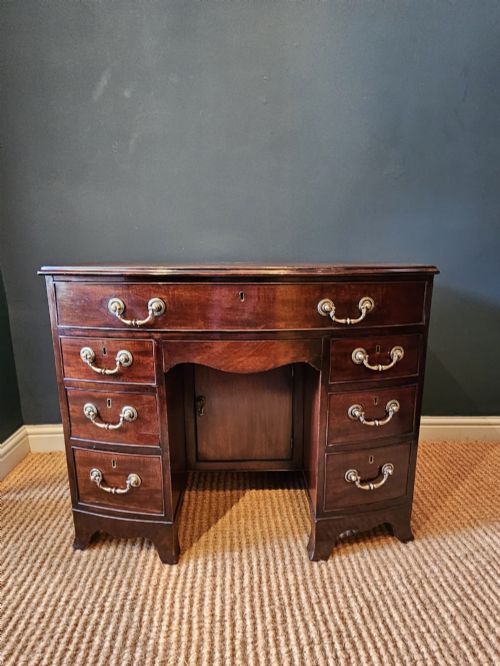
When you search for a georgian vanity desk, you encounter a variety of forms designed for personal preparation and private writing, including kneehole desks, lowboys, and dressing chests. These pieces span the eighteenth century and subsequent revival periods, reflecting the shifting domestic habits of the period.
Origins range from authentic eighteenth-century examples to later twentieth-century interpretations in the Georgian and Regency styles. Each piece demonstrates the enduring appeal of compact, compartmentalised furniture designed for personal quarters.
Distinctions in Quality
The sophistication of the timber selection dictates much of the visual merit, with finely figured veneers and matched grain patterns elevating simpler forms into exceptional pieces. Superior examples exhibit precise dovetail joinery in the drawers and retain their original brass hardware.
Proportion and decorative restraint separate standard production from masterwork execution, whether through subtle serpentine shaping, cross-banding, or delicate inlay. The integration of functional elements, such as adjustable mirrors or well-fitted compartments, further distinguishes the better pieces.
Maples of London
The Georgian Vanity Desk Glossary
- Kneehole desk
- A compact desk or dressing table featuring a recessed central space flanked by pedestals of small drawers. This form became popular in the eighteenth century for private correspondence and grooming.
- Lowboy
- A small table with one or more rows of drawers, standing on relatively tall legs. They served variously as dressing tables, side tables, or writing surfaces.
- Flame mahogany veneer
- Timber sliced to reveal a distinctive flickering, flame-like grain pattern. Cabinetmakers applied these veneers to prominent drawer fronts and surfaces for decorative effect.
- Washstand
- A specialised piece of furniture designed to hold a basin and pitcher for personal washing. Some examples feature fold-away tops or enclosed compartments.
- Serpentine front
- A furniture front curving outward at the centre and inward at the sides in a gentle, undulating wave. This contour requires skilled carpentry to execute cleanly.
Georgian Vanity Desk: Frequently Asked Questions
What is a georgian vanity desk used for?
These pieces were originally designed for morning grooming, applying makeup, and writing personal letters in private chambers. The numerous small drawers provided secure storage for cosmetics, brushes, and stationery.
Today, they function well as compact writing desks, hallway tables, or dressing surfaces in modern bedrooms. Their scaled-down dimensions make them versatile additions to smaller rooms.
How do I date a georgian vanity desk?
Dating relies on examining the construction methods, timber choices, and hardware styles. Eighteenth-century pieces typically feature hand-cut dovetails, solid secondary woods, and specific patination acquired through age.
Revival pieces from the twentieth century often display machine-made elements or standardised fixings beneath the traditional exterior styling. Comparing the secondary timbers inside the drawers offers further chronological clues.
Are lowboys and dressing tables the same thing?
While lowboys frequently doubled as dressing tables in eighteenth-century households, they are technically low tables with drawers rather than dedicated grooming stations. A true dressing table often incorporates compartments, folding tops, or attached mirrors.
Both forms share similar proportions and were used interchangeably in private rooms. The inclusion of mirror glass or wash basins usually separates specific washstands and dressing chests from standard lowboys.
How should I care for antique mahogany furniture?
Protect the timber by keeping pieces away from direct sunlight and strong heat sources, which can dry out veneers and cause splitting. Regular dusting with a soft, dry cloth maintains the surface without buildup.
Applying a traditional beeswax polish occasionally helps nourish the wood and preserve its natural sheen. Avoid using modern silicone sprays or wet cloths that may damage historical finishes.