
Georgian Upholstered Accent Chairs
Georgian upholstered accent chairs bring period warmth to a room, offering comfortable seating through classic wooden frames and soft textile coverings.
Georgian Upholstered Accent Chairs
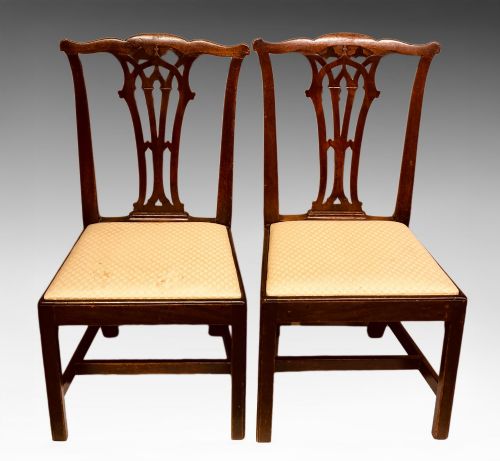
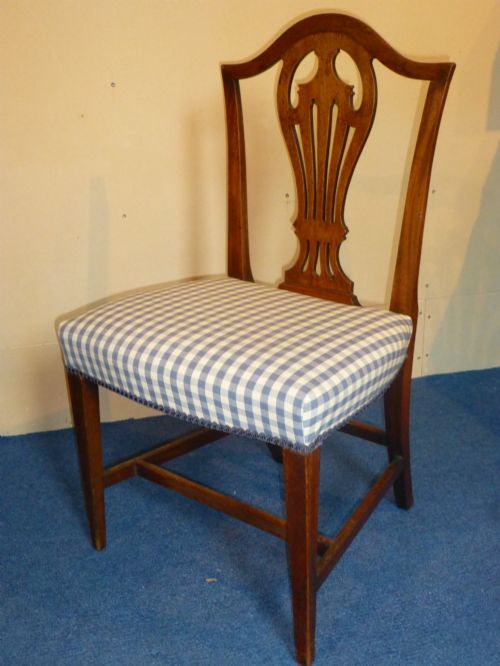
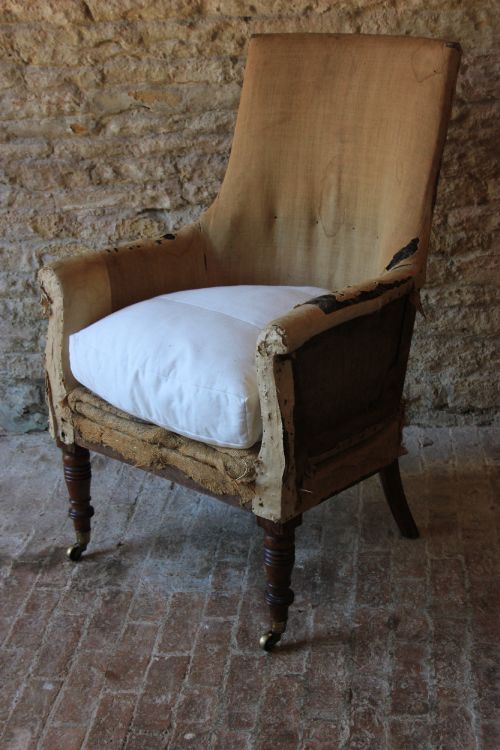
When you search for georgian upholstered accent chairs, you encounter seating built during the eighteenth and early nineteenth centuries alongside later revival pieces. These items appear in forms such as armchairs, library chairs, side chairs, and wing chairs.
The selection here includes solid frames from the Georgian, Regency, and George III periods, supplemented by later nineteenth-century and twentieth-century interpretations. Walnut and mahogany woods dominate the structural framework of these pieces.
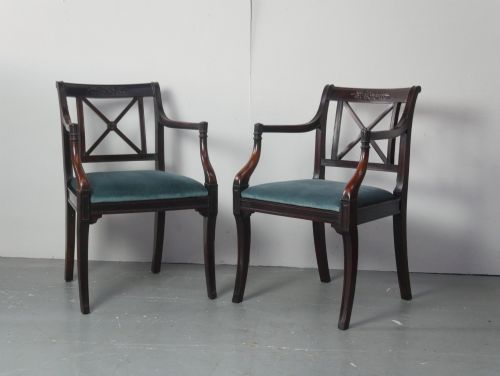
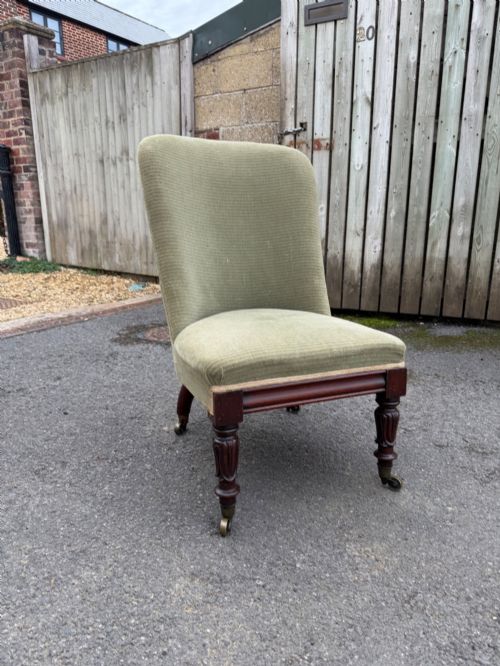
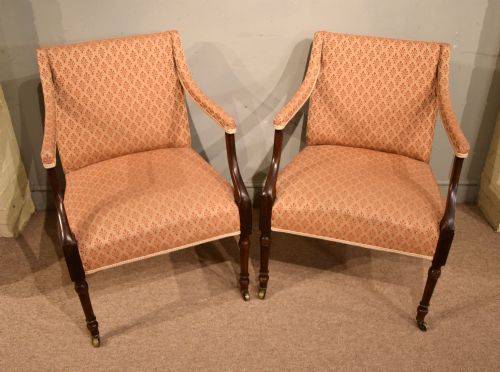
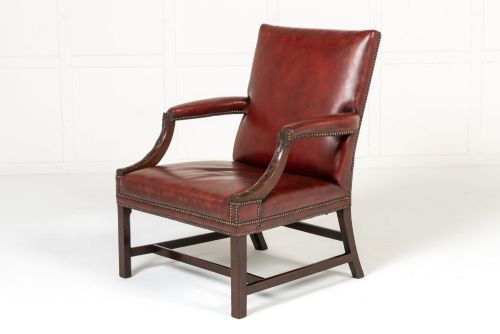
Armchairs and library chairs provide larger seating options with padded arms, while side chairs and slipper chairs offer compact alternatives. Many examples display regional characteristics from English and Scottish makers.
Materials and construction
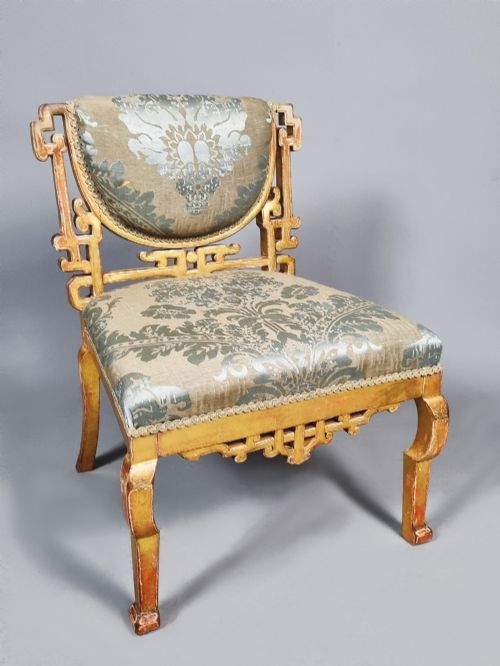
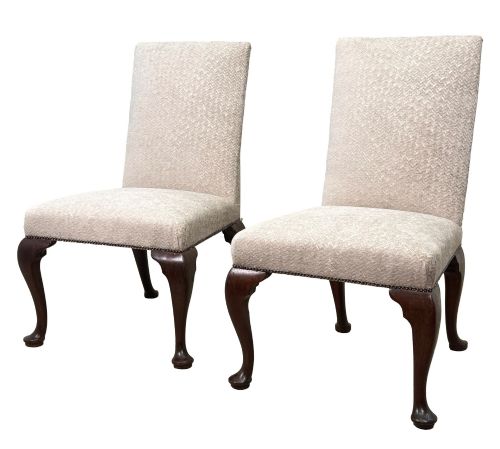
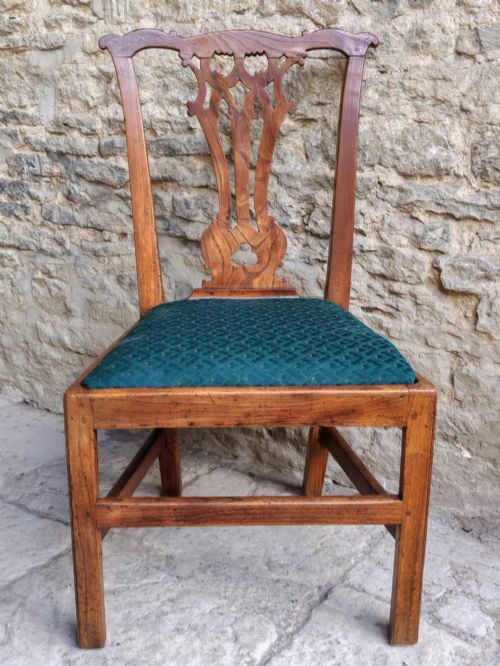
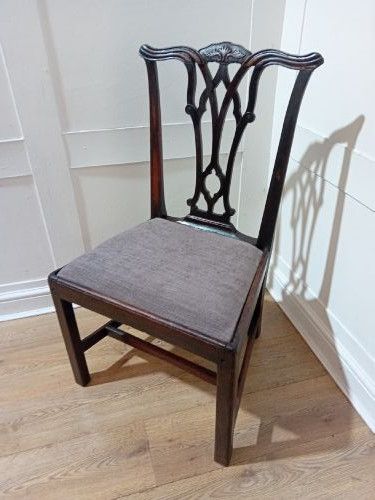
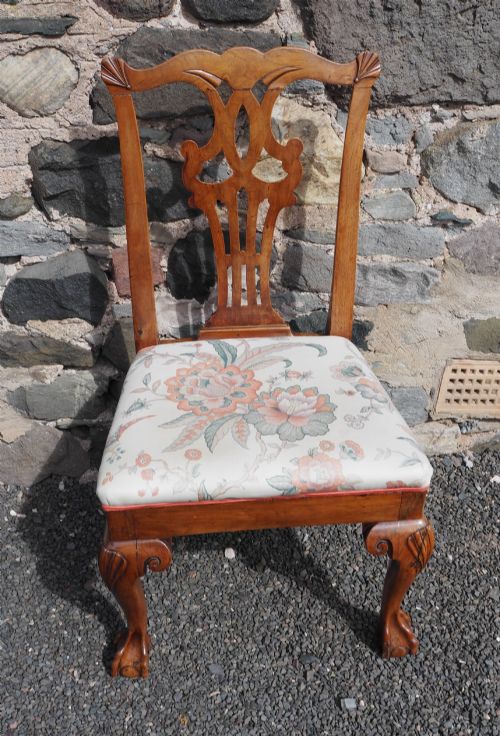
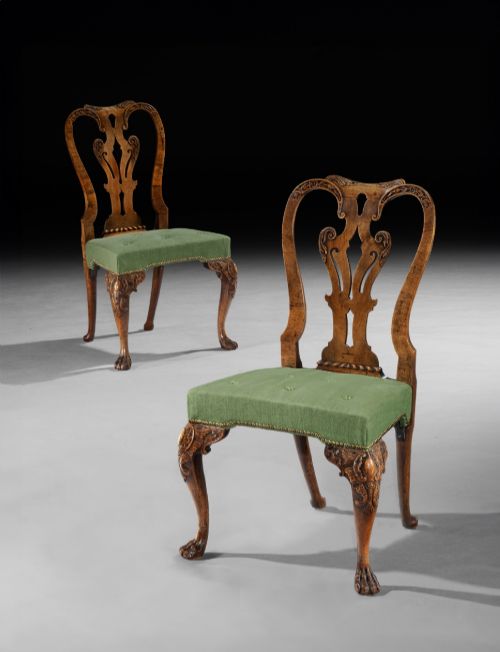
Frames rely on dense hardwoods like mahogany, walnut, fruitwood, and oak, shaped through traditional joinery and hand-carving. Carved details frequently incorporate cabriole legs or ornate backsplats.
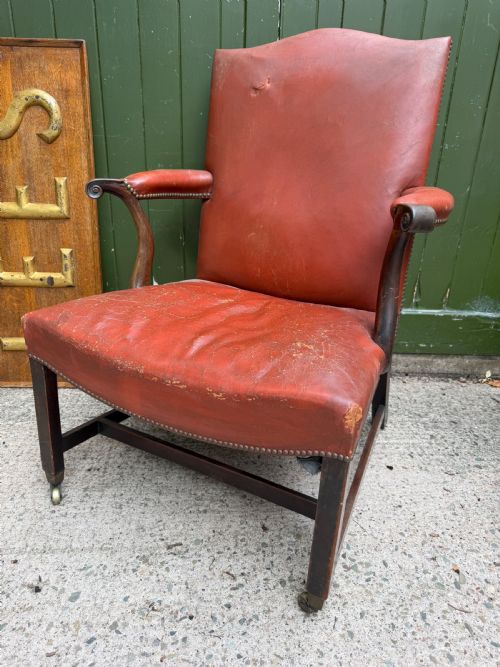
Upholstery involves traditional fabric, leather, silk, and velvet secured over padded foundations. Brass tacks often fasten the textile edges to the wooden seat rails.
Listings feature mahogany, walnut, oak, and fruitwood paired with velvet, leather, silk, and standard upholstery fabric.
Assessing craftsmanship
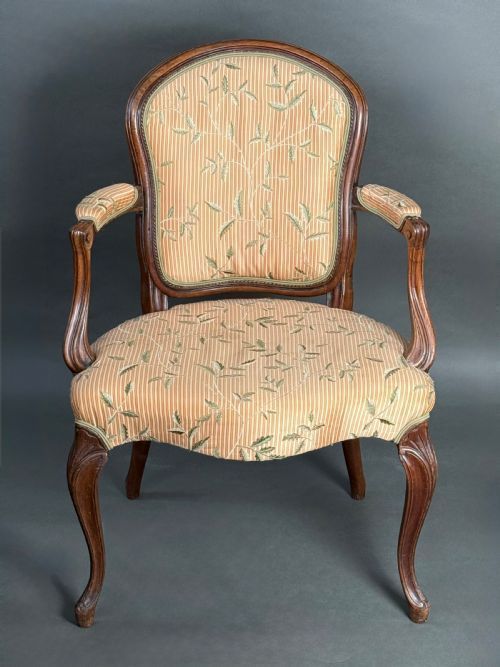
The refinement of the hand-carved wood elements distinguishes standard production from superior examples. Crisp detailing on cabriole legs and chair backs indicates careful attention by the maker.
The integrity of the underlying frame and the choice of covering materials dictate the overall character of the seating. Period appropriateness in textiles adds authenticity to restored items.
Waugh and Son
The Georgian Upholstered Accent Chairs Glossary
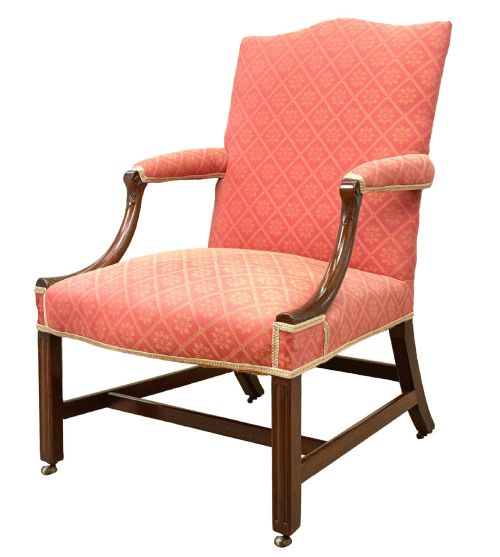
- Gainsborough chair
- A wide, open-armed library armchair with a padded back and seat, typically standing on square or cabriole legs.
- Cabriole leg
- A furniture leg that curves out at the knee and tapers inward to an ankle, common in mid-eighteenth-century design.
- Chippendale
- A style of eighteenth-century English furniture characterised by intricate carved details and ribbon-back or ladder-back designs.
- Wing chair
- An upholstered armchair with side panels designed to shield the occupant from drafts.
- Hepplewhite
- A late-eighteenth-century style known for light proportions, shield-backed chairs, and tapered legs.
Georgian Upholstered Accent Chairs: Frequently Asked Questions
How do I identify a Georgian chair?
Georgian chairs display the characteristic woods and decorative styles of the eighteenth century, primarily mahogany and walnut. Look for hand-carved details on the legs and back frames.
Many pieces from this era exhibit specific regional traits or design influences associated with cabinetmakers of the time. Revival pieces from later centuries mimic these same structural forms.
Where should I place an accent chair?
Accent chairs fit well in sitting rooms, studies, bedrooms, and large hallways as secondary seating. Their decorative frames allow them to function as focal points in empty corners.
Pairing them with a small table or placing them near a bookshelf creates a functional reading nook. Lighter side chairs can easily move to different rooms when needed.
What fabrics were used originally?
Original upholstery often consisted of heavy textiles such as leather, velvet, silk, and woven fabrics. Brass upholstery nails frequently secured the material directly to the wooden frame.
Many antique pieces receive new upholstery over time to preserve their usability. Common modern replacement textiles include calico, silk, and patterned velvet.