



Antique Padded Side Chairs
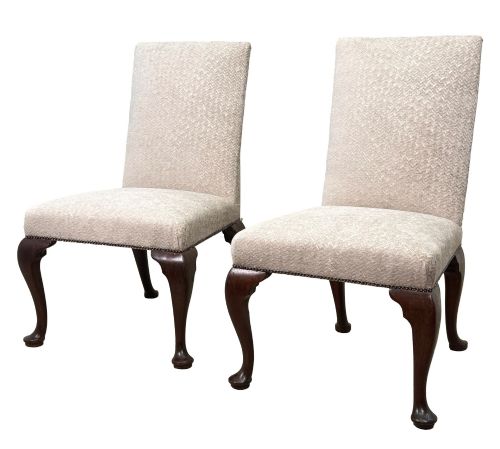
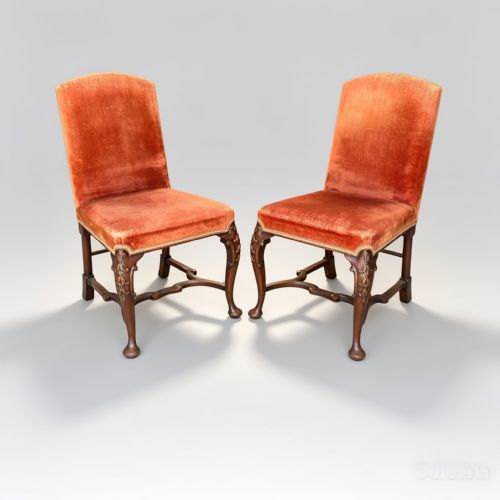
Antique padded side chairs provide practical seating with upholstered comfort, spanning walnut frames from the eighteenth century to mahogany styles of the early twentieth century.
Antique Padded Side Chairs
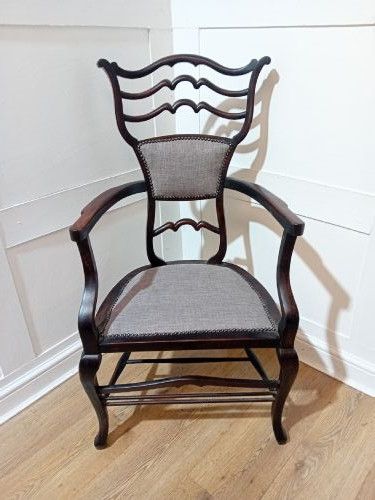
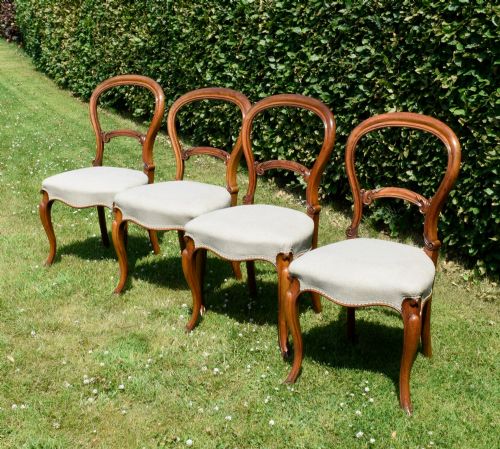
Antique padded side chairs comprise dining seats, hall chairs, and bedroom chairs designed without arms for placement beside tables or against walls. The versions most commonly met on this page date from the Victorian period through to the Edwardian era, constructed with wood frames and upholstered pads.
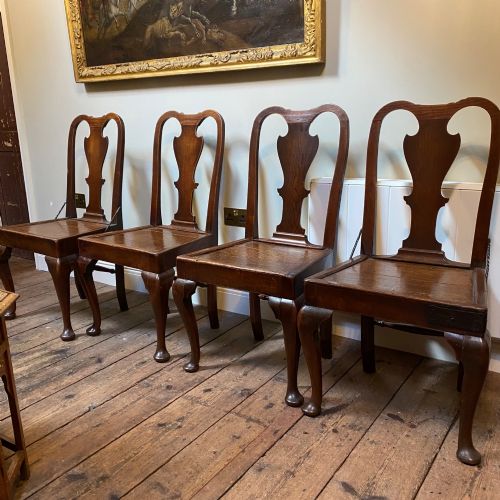
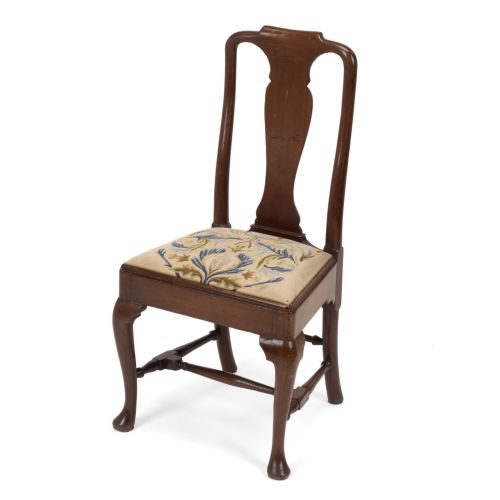
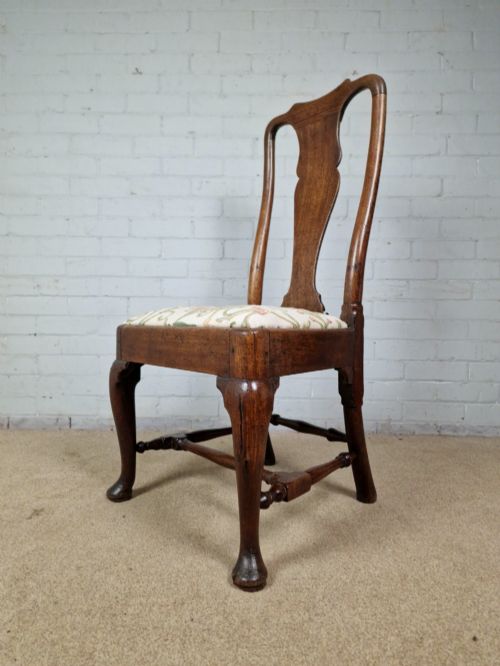
The evidence shows forms ranging from early eighteenth-century walnut examples to nineteenth-century balloon back designs and twentieth-century dining sets. These pieces served diverse domestic functions, from formal dining rooms to morning rooms and bedrooms, utilising various timbers according to their period of origin.
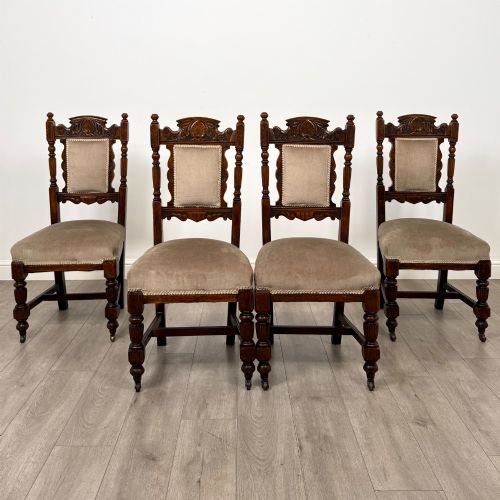
Buyers encounter single chairs, pairs, and large sets numbering up to fourteen pieces. The selection spans Georgian, Regency, Victorian, and Edwardian styles, reflecting changing domestic fashions across multiple centuries.
How they were made
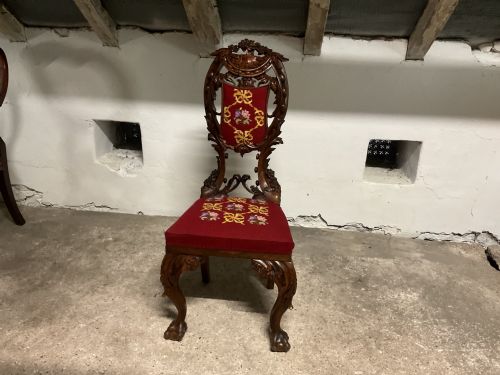
Frames rely principally on timber construction, utilising mahogany, walnut, oak, and beech shaped by period joinery techniques. Cabinet makers selected these woods for strength and grain pattern, employing carving and inlay to decorate the structures.
Upholstery techniques combined traditional stuffing materials with fabrics such as velvet, leather, silk cotton, and general textiles. Brass tacks and careful stitching secured the padding to the wooden seats and backs.
Antique Padded Side Chairs Retail Price Guide 2026
Typical asking prices for padded side chairs among the pieces listed under this phrase on Sellingantiques today, from the lower quarter to the upper quarter. They describe what is for sale here now, not the wider market.
Ten chairs on this page once sat readers in the British Museum Reading Room.
What varies in quality
Quality differences emerge in the selection of timber and the depth of carving on the wooden frames. Solid walnut and figured mahogany with detailed hand-carving represent the higher tier of production.
The integrity of the frame construction and the fidelity of period styling dictate distinction between standard output and finer workshop pieces. Matching sets of multiple chairs maintain higher desirability than assembled groups.
Blyth & Sons·Holland & Son's
The Antique Padded Side Chairs Glossary
- Balloon back
- A chair back shaped in a continuous oval curve resembling a balloon, popular during the Victorian period. This form provides ergonomic support while offering a distinct decorative silhouette.
- Carver
- An armchair designed to match a set of smaller side chairs, traditionally placed at the head of a dining table. These pieces share identical wood turning and upholstery details with the accompanying side chairs.
- Bergère
- An enclosed upholstered armchair with wooden framing and cane or upholstered sides. This French-inspired form appears in nineteenth-century library and morning room settings.
- Elbow chair
- A seating form equipped with armrests, positioned alongside standard side chairs in dining and reception rooms. These provide additional comfort through integrated arm supports.
- Highback
- A chair style featuring an elongated vertical backrest, seen in eighteenth-century and later revival forms. This design projects formal elegance and supports the entire upper body.
Antique Padded Side Chairs: Frequently Asked Questions
What distinguishes a side chair from an armchair?
Side chairs are built without armrests, allowing them to tuck neatly beneath dining tables or line room walls without taking up excess space.
Armchairs include structural arm supports, suiting them for relaxed seating in libraries, morning rooms, or as host chairs at dining tables.
How do I identify a Victorian balloon back chair?
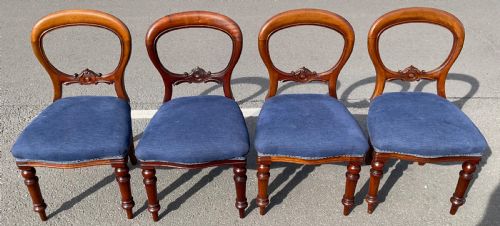
Victorian balloon back chairs feature a continuous, rounded wooden top rail that loops down to the seat in the shape of an inflated balloon.
This nineteenth-century silhouette often incorporates carved foliage or scrollwork on the wooden frame above an upholstered pad.
What periods do these chairs cover?
The listings span from the early eighteenth century through the Georgian and Regency eras into the Victorian and Edwardian periods.
Later examples extend into the Art Deco and Arts and Crafts movements of the early twentieth century.
Are these chairs suitable for daily dining use?
Many of these pieces served as functional dining seating for generations and continue to provide sturdy utility around modern tables.
Matching sets in oak, mahogany, or walnut accommodate contemporary dining requirements while retaining period character.