


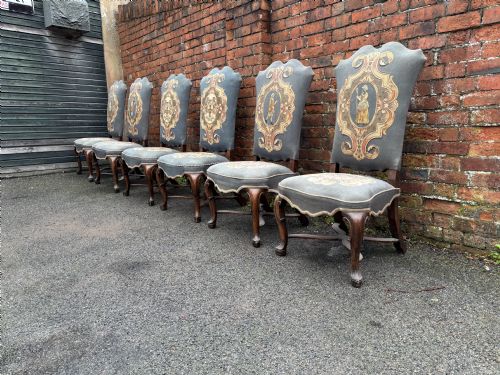

Dark Walnut Side Chairs
These dark walnut side chairs bring rich timber tones and centuries of seating tradition into modern rooms.
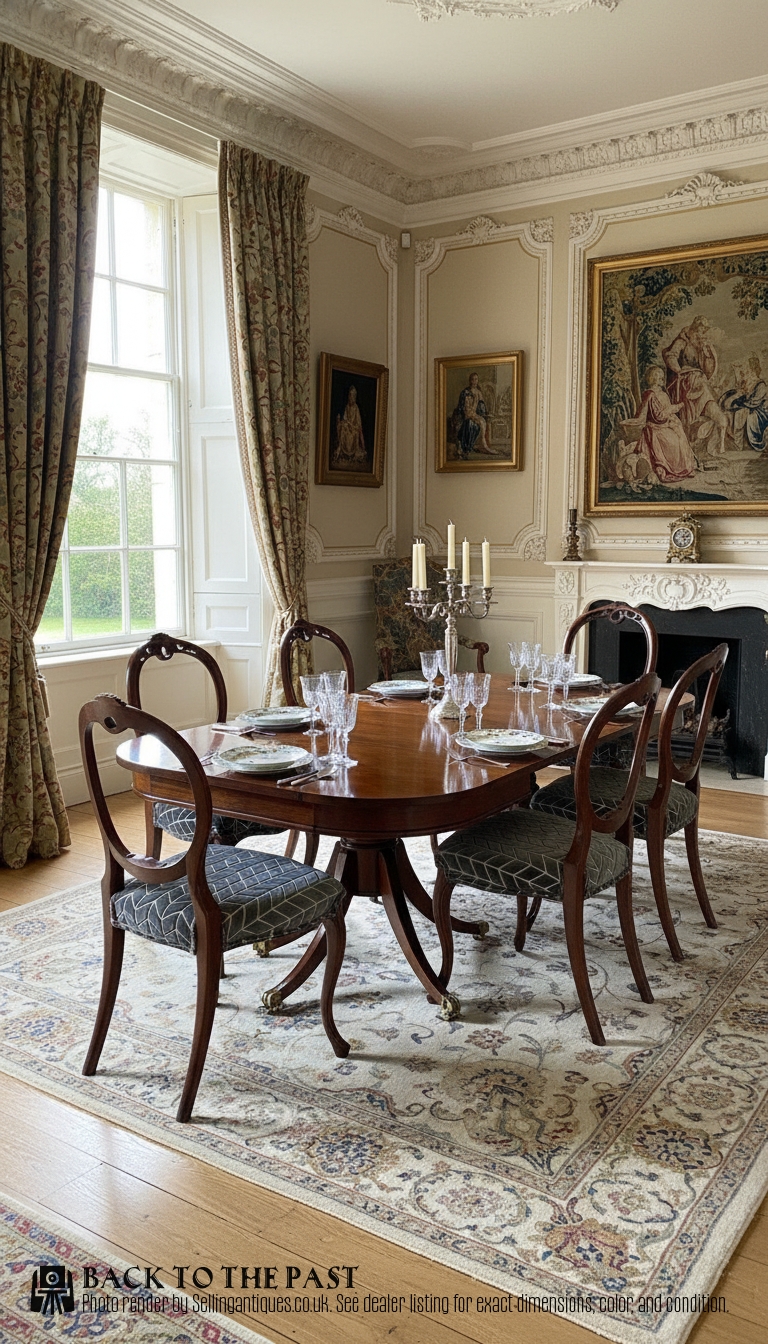
Dark Walnut Side Chairs
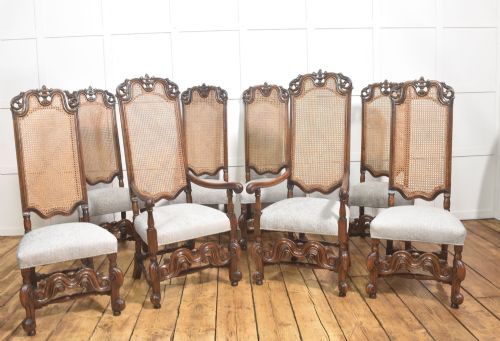
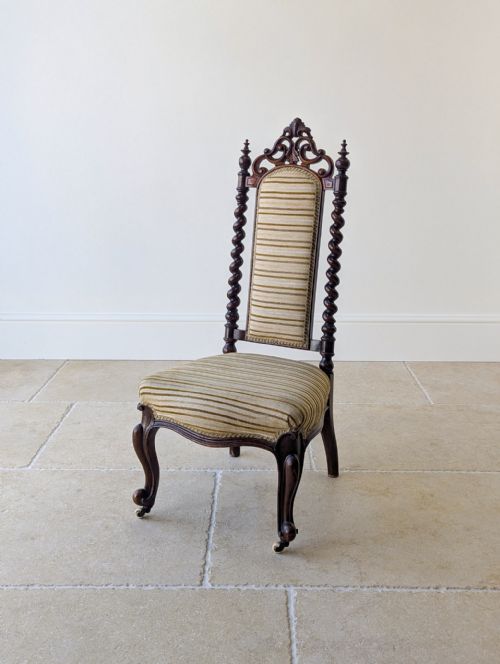
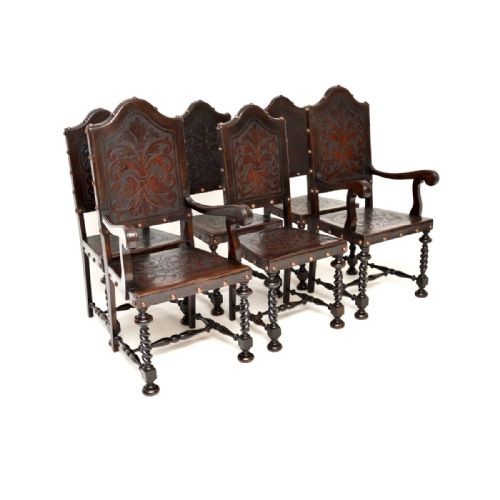
Makers and workshops produced these forms in distinct regional idioms, including Portuguese Baroque, Carolean, and Victorian revival styles. Buyers encounter single decorative seats as well as matched sets intended for formal dining spaces.
How they were made
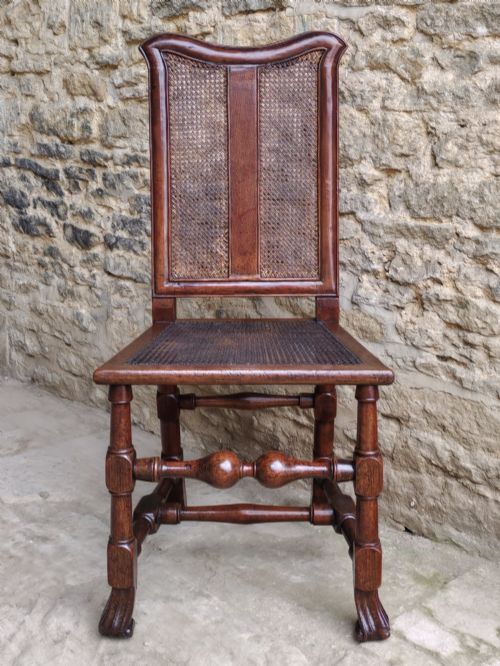
Carpenters utilised solid walnut and burr walnut timbers, often shaping frames through extensive hand carving, turning, and joinery techniques. Structural members frequently incorporate decorative elements such as ribbon backs, marquetry inlay, or bobbin turnings.
Upholstery and seat construction relied on traditional textiles including velvet, fabric, leather, needlepoint, and cane inserts secured with brass detailing. Frames were sometimes accented with bone inlay or intricate embossed patterns.
Dark Walnut Side Chairs Retail Price Guide 2026
Typical asking prices for dark walnut side chairs among the pieces listed under this phrase on Sellingantiques today, from the lower quarter to the upper quarter. They describe what is for sale here now, not the wider market.
Listings feature walnut timber alongside cane, brass, and traditional upholstery spanning the eighteenth to early twentieth centuries.
What varies in quality
The refinement of the carving separates standard production items from masterworks, with crisp depth and fluid lines indicating superior craftsmanship. Timber selection also dictates grade, where figured burr veneers and dense heartwood command greater attention.
Originality of components defines the standing of surviving examples, distinguishing pieces retaining their initial cane, upholstery, or structural pins from those subjected to later alterations or heavy restoration.
The Dark Walnut Side Chairs Glossary
- Side chair
- A seat without arms, traditionally used at dining tables or positioned against walls in hallways and bedrooms.
- Burr walnut
- Timber harvested from tree growths that produces highly figured, swirling grain patterns prized for decorative veneer work.
- Cane
- Woven material made from peeled rattan used to create lightweight, resilient panels for backs and seats.
- Cabriole
- A furniture leg that curves outward and then tapers inward, mimicking animal limbs and commonly ending in pad or claw feet.
- Carolean
- A seventeenth-century style associated with the reign of Charles II, characterised by rich carving, crown motifs, and high cane backs.
Dark Walnut Side Chairs: Frequently Asked Questions
How do I date an old walnut chair?
Dating relies on observing construction methods, joinery types, and stylistic indicators that align with specific historical periods.
Tool marks left by hand saws and the type of secondary woods used underneath provide reliable clues to a piece's age.
Were these chairs used for dining?
Many examples served as formal dining seating, often produced in large matched sets for country houses and town residences.
Single instances more commonly functioned as hall chairs, bedroom seats, or occasional furniture.
Can I use antique chairs daily?
Solid timber frames generally withstand regular domestic use provided the joints remain tight and stable.
Cane seats and delicate antique upholstery require more careful handling to prevent undue stress on fragile natural fibres.