


Antique Salon Dining Chairs
These antique salon dining chairs combine parlour elegance with formal seating, offering substantial period character for daily dining or occasional use.
Antique Salon Dining Chairs
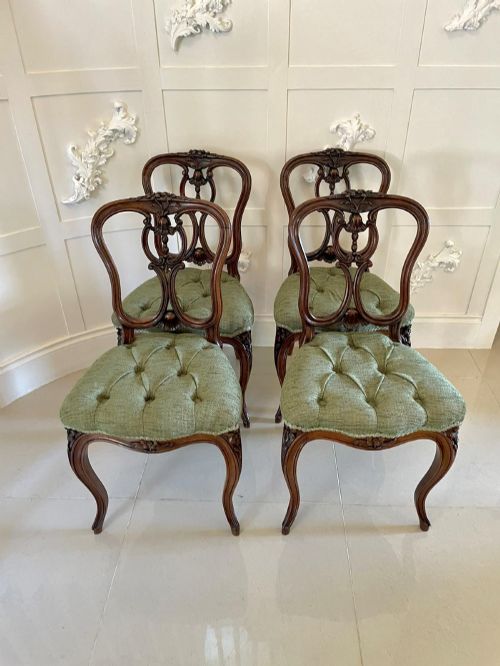
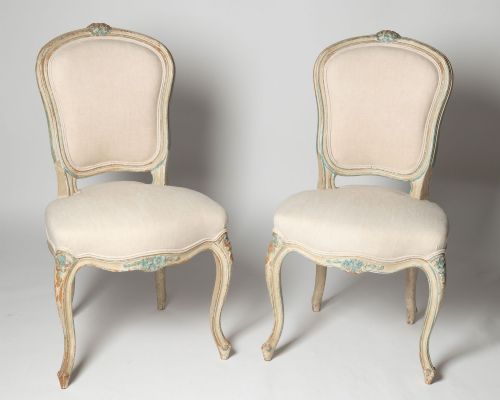
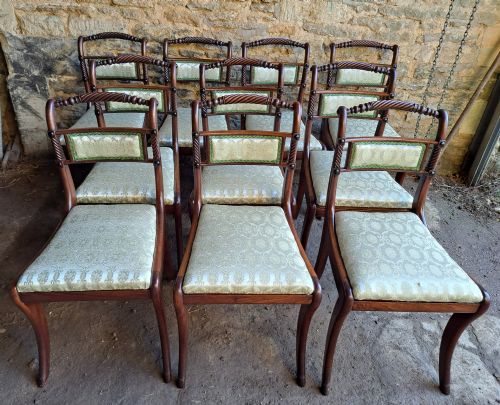
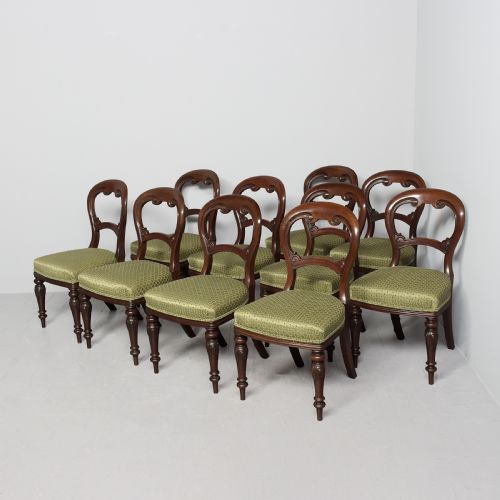
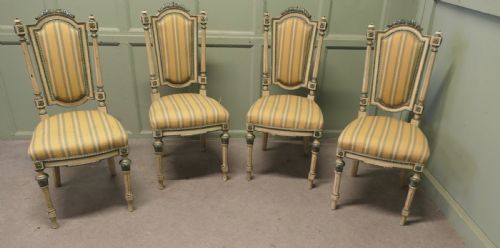
When you search for antique salon dining chairs, you encounter seating that bridges the formal dining room and the lighter, more decorative parlour. The selection relies heavily on Victorian and Edwardian examples, alongside Regency, Louis XV, and Louis XVI styles.
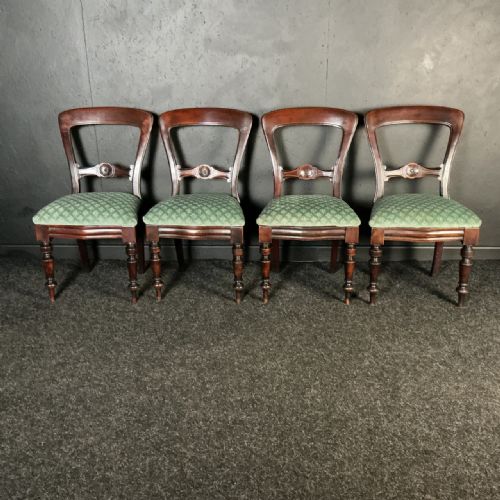
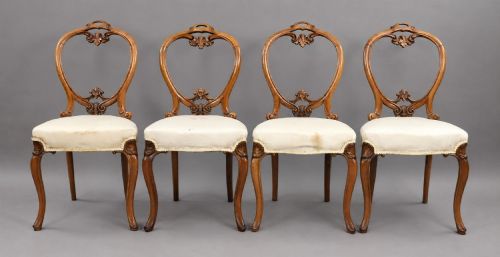
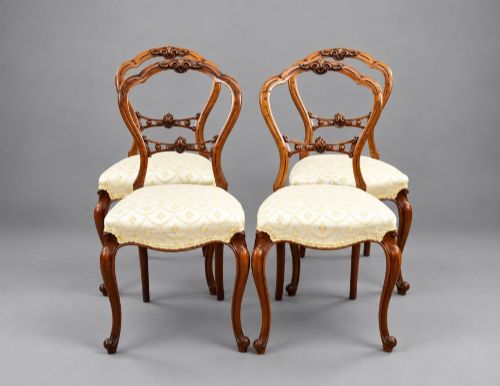
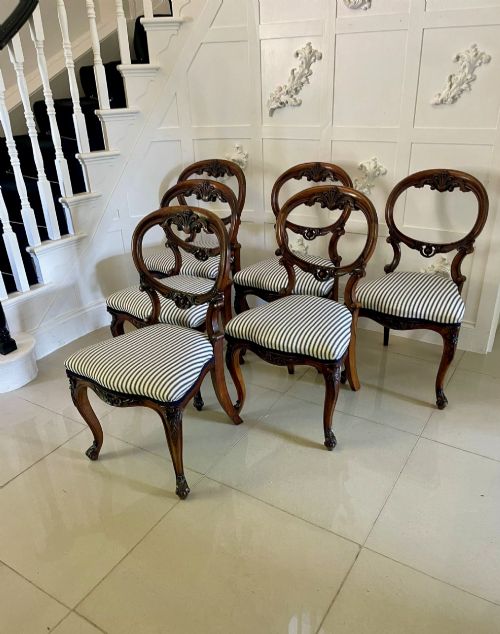
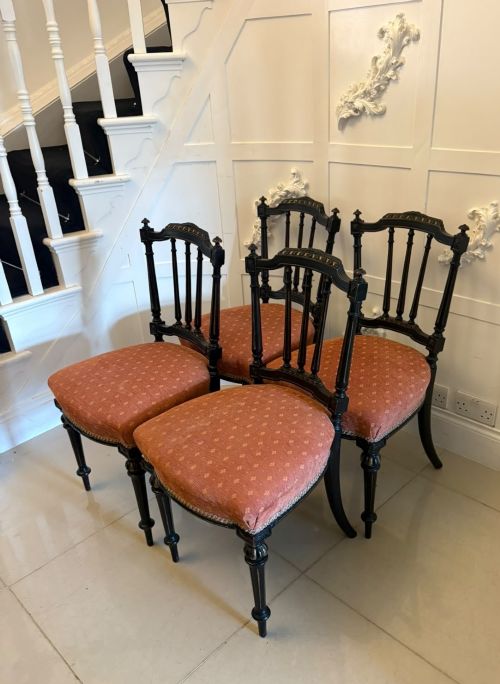
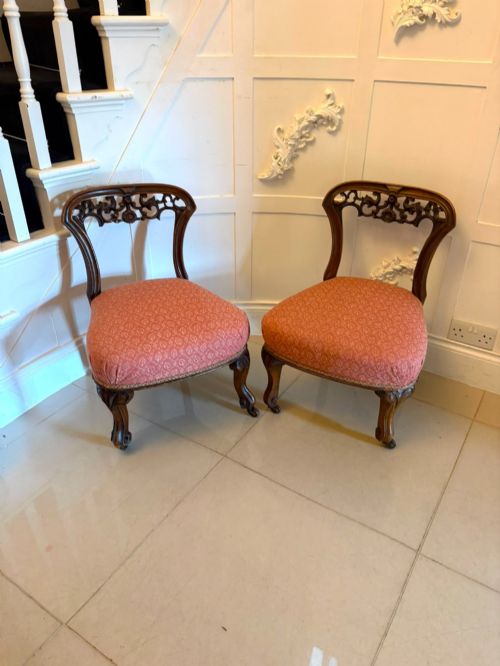
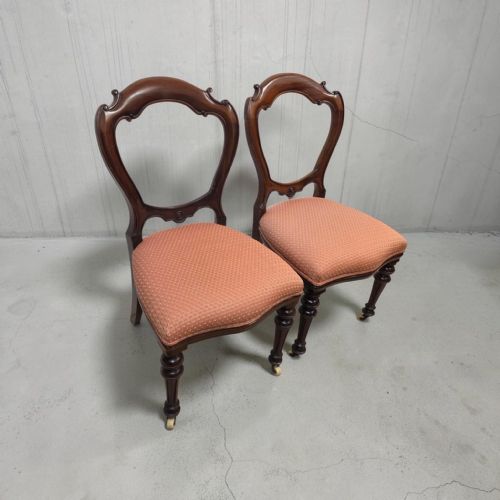
The dominant forms in this category include balloon back chairs, carved side chairs, and inlaid occasional seating. Walnut and mahogany form the backbone of the available selection, frequently accompanied by rosewood and ebonised finishes.
Most pieces date from the nineteenth century, ranging from mid-Victorian sets to later revival styles. Sets of four appear regularly, though larger dining sets and smaller pairs emerge across the inventory.
How they were made
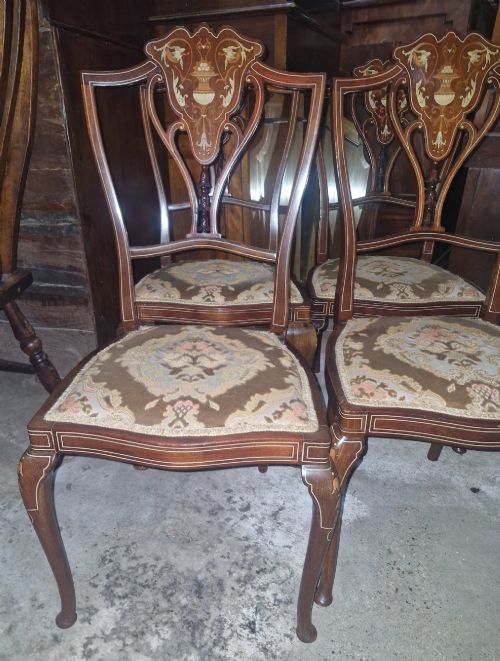
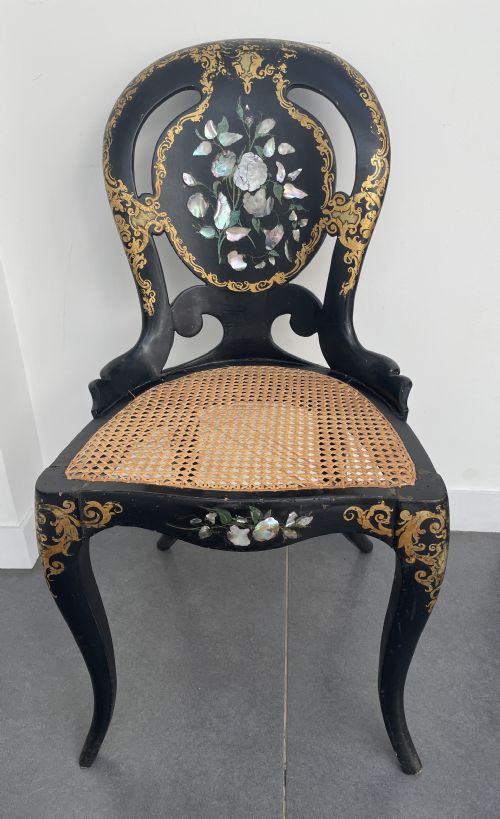
Cabinetmakers utilised dense timbers such as mahogany, walnut, and rosewood for structural integrity, often shaping them into curved balloon backs or slender cabriole legs. Marquetry, stringing, and mother-of-pearl inlay provided surface decoration on finer models.
Gilt bronze mounts, brass details, and painted finishes appeared on French-influenced and Continental pieces. Upholstery involved traditional fabric or velvet over padded seats, supported by underlying webbing and springs.
Listings feature walnut, mahogany, rosewood, and oak, spanning Victorian, Edwardian, and Regency periods.
What varies in quality
The distinction between standard and superior pieces rests on the crispness of the wood carving and the depth of timber selection. Grain configuration in walnut and rosewood sets finer examples apart from plainer utility seating.
Intricacy of inlay work and the retention of original mounts dictate the tier of craftsmanship. Consistency across an entire set of chairs commands greater regard than mismatched or later assembled groupings.
The Antique Salon Dining Chairs Glossary
- Balloon back
- A rounded, oval-shaped chair back resembling an inflated balloon, popular during the Victorian period. This profile provides ergonomic support while presenting a graceful silhouette.
- Marquetry
- Decorative veneer applied to furniture in geometrical patterns or pictorial designs using various coloured woods. It requires precise cutting and fitting by skilled hands.
- Ormolu
- Gilt bronze mounts applied to furniture for decorative enrichment, particularly prominent on French-influenced pieces. The technique involves applying a gold-mercury amalgam to bronze.
- Cabriole leg
- A furniture leg that curves outward at the knee and tapers inward toward the foot, inspired by the shape of an animal's leg. This form is common in revival and Rococo-influenced designs.
- Ebonised
- Timber treated to resemble ebony through staining or painting, creating a deep black finish. It gained popularity in the nineteenth century for dramatic contrast.
Antique Salon Dining Chairs: Frequently Asked Questions
How do I use salon chairs for dining?
These chairs function well around a principal dining table when matched in height and style. Their lighter frames make them adaptable for occasional seating in living spaces.
Mixing sets requires attention to seat height and wood tone to maintain visual harmony around the room.
Are walnut and mahogany chairs durable?
Both timbers possess the structural strength required for regular seating use. Nineteenth-century construction methods typically employ robust joints that withstand daily pressures.
Careful handling of inlaid surfaces and delicate carved crest rails preserves their condition over decades of service.
How do I distinguish Victorian from Edwardian styles?
Victorian pieces often feature darker timbers, heavier carving, and rounded balloon backs. The proportions tend to be robust and formal.
Edwardian items frequently display lighter mahogany frames, delicate stringing, and Sheraton revival influences with brighter inlaid motifs.