



Georgian Turned Taper Holders
Georgian turned taper holders are small, elegant lighting pieces designed to hold thin wax tapers, offering a refined touch of historical utility.
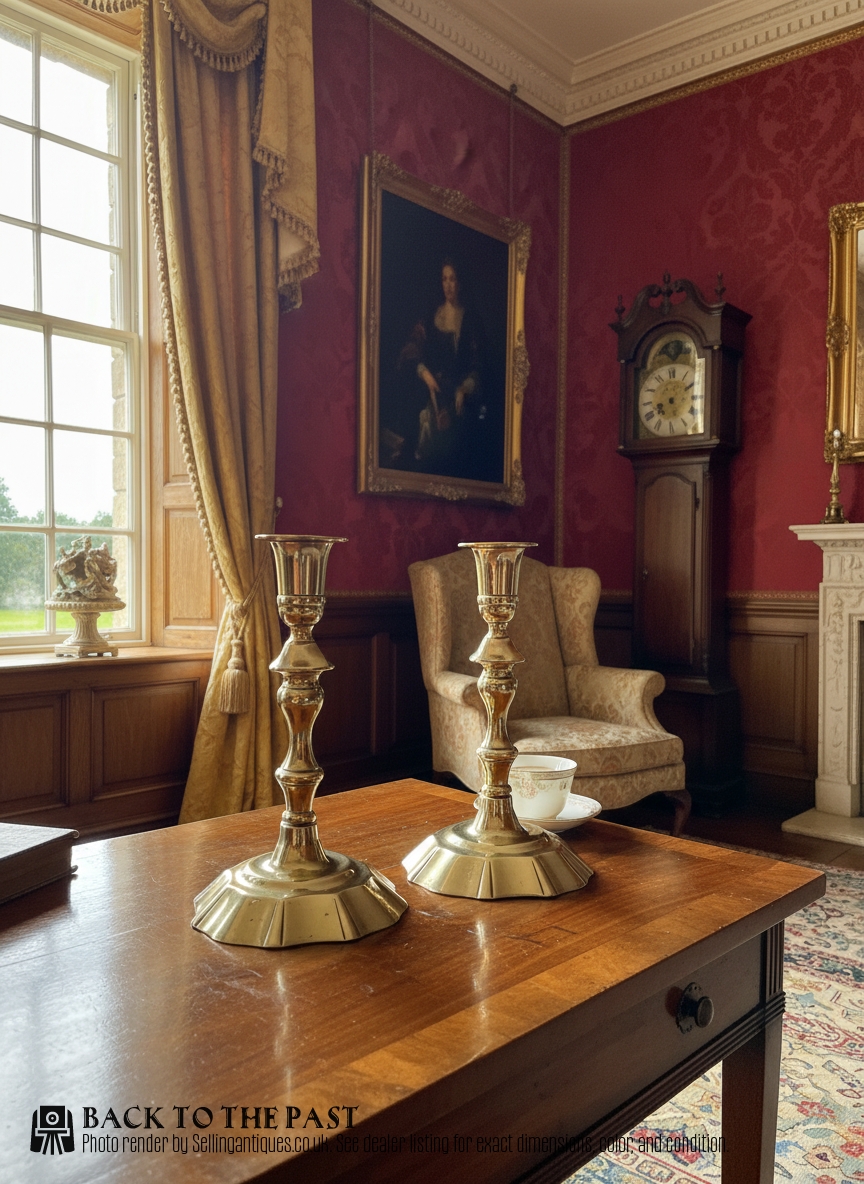
Georgian Turned Taper Holders
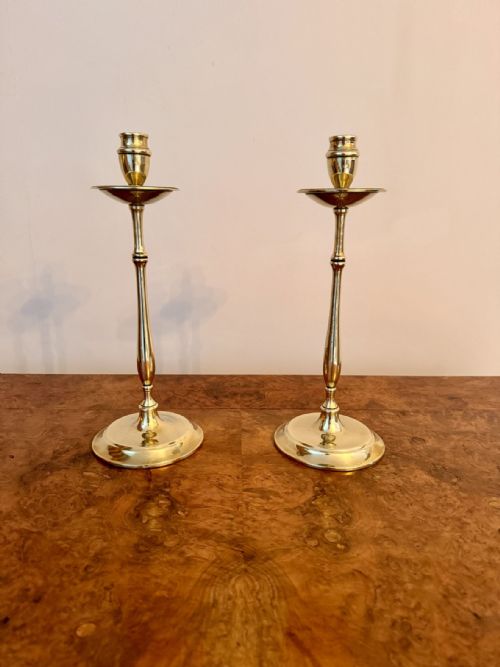
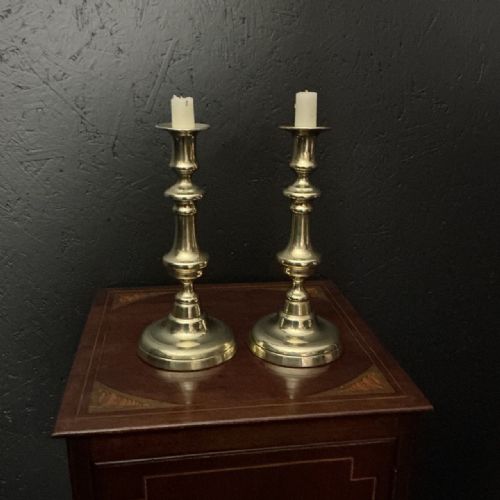
These items frequently share characteristics with candlesticks and spill holders, appearing in pairs or single examples. The forms include petal bases, hexagonal shapes, and vase-shaped columns that reflect the domestic lighting needs of the period.
How they were made
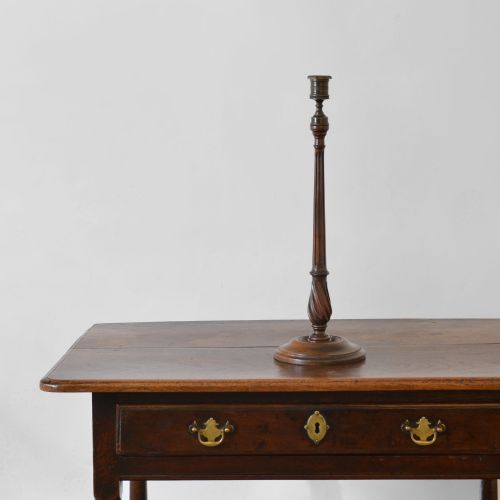
Makers utilised brass and mahogany, shaping the materials through turning on a lathe to create balanced, symmetrical columns. Brass components often utilised cast construction techniques, resulting in sturdy bases and distinct socket designs.
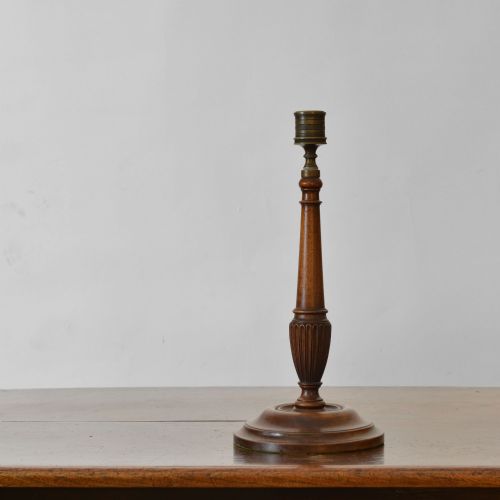
Wood examples relied on skilled carpentry and turning, showcasing the natural grain of mahogany. These techniques produced functional objects with clean lines and durable structures suited for daily household use.
Georgian Turned Taper Holders Retail Price Guide 2026
Typical asking prices for georgian turned taper holders among the pieces listed under this phrase on Sellingantiques today, from the lower quarter to the upper quarter. They describe what is for sale here now, not the wider market.
The listings on this site combine brass and mahogany materials across eighteenth and nineteenth-century periods.
What varies in quality
The standard of a piece depends heavily on the precision of the turning and the weight of the metal or density of the wood. Finer examples display crisp detailing in elements such as petal bases and tear drop columns.
Proportion and balance distinguish superior items from simpler utilitarian versions. Pieces that retain their original surface patination and structural integrity command greater appreciation among collectors.
The Georgian Turned Taper Holders Glossary
- Taper holder
- A small desk accessory specifically designed to support a thin wax taper for lighting pipes or melting sealing wax. These pieces are often smaller than standard domestic candlesticks.
- Petal base
- A foot shaped like overlapping flower petals, commonly found on eighteenth-century brass lighting. This decorative design adds stability and visual charm to the base.
- Tear drop column
- A turned shaft featuring a swelling profile reminiscent of a tear drop. This shape creates a pleasing silhouette on turned stems.
- Hexagonal
- A six-sided geometric form used in early candlestick bases. This shape provides a stable footing and a distinct aesthetic profile.
Georgian Turned Taper Holders: Frequently Asked Questions
What is a taper holder?
A taper holder is a compact lighting device built to support thin wax tapers rather than thick candles. They were essential desk accessories before the advent of matches.
These items allowed individuals to melt sealing wax on correspondence or ignite hearth fires quickly. Their modest size distinguished them from standard chambersticks and candlesticks.
How do I tell periods apart?
Distinguishing periods involves examining the materials, casting methods, and turning styles present in the piece. Eighteenth-century examples often feature heavier brass casting and specific base geometries like hexagonal steps.
Later nineteenth-century versions introduce different column profiles and variations in brass composition. Comparing the turning detail helps place an item within its historical context.
Were these made in pairs?
Many surviving examples exist as matching pairs, which were designed for symmetrical placement on mantelpieces or desks. Single pieces were also common for individual desk use.
Pairs often show identical turning patterns and base designs, though minor casting variations can occur in older metalwork. Collectors frequently seek matched pairs for display purposes.
How do I live with these?
Living with these pieces involves placing them on desks, side tables, or mantelpieces where their small scale can be appreciated. They require minimal upkeep beyond gentle dusting.
Keeping them away from excessive moisture protects both brass surfaces and mahogany finishes. They integrate easily into traditional and contemporary interior settings alike.